E-bok
PDF, Engelska, 20171 465 kr
Läs direkt efter köp
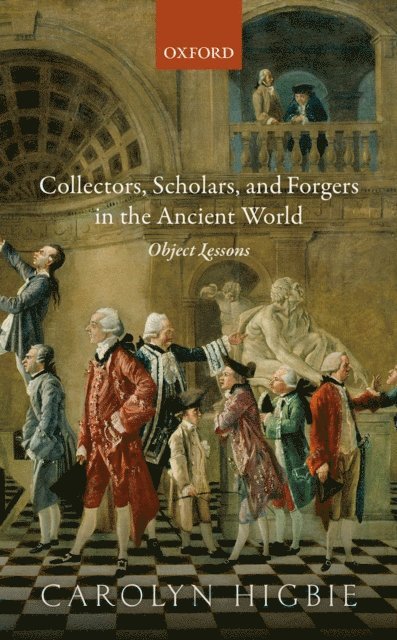
Collectors, Scholars, and Forgers in the Ancient World focuses on the fascination which works of art, texts, and antiquarian objects inspired in Greeks and Romans in antiquity and draws parallels with other cultures and eras to offer contexts for understanding that fascination. Statues, bronze weapons, books, and bones might have been prized for various reasons: because they had religious value, were the work of highly regarded artists and writers, had beenpossessed by famous mythological figures, or were relics of a long disappeared past. However, attitudes towards these objects also changed over time: sculpture which was originally created for a religious purpose became valuable as art and could be removed from its original setting, while historiansdiscovered value in inscriptions and other texts for supporting historical arguments and literary scholars sought early manuscripts to establish what authors really wrote. As early as the Hellenistic era, some Greeks and Romans began to collect objects and might even display them in palaces, villas, or gardens; as these objects acquired value, a demand was created for more of them, and so copyists and forgers created additional pieces - while copyists imitated existing pieces of art, sometimesadapting to their new settings, forgers created new pieces to complete a collection, fill a gap in historical knowledge, make some money, or to indulge in literary play with knowledgeable readers. The study of forged relics is able to reveal not only what artefacts the Greeks and Romans placed valueon, but also what they believed they understood about their past and how they interpreted the evidence for it. Drawing on the latest scholarship on forgery and fakes, as well as a range of examples, this book combines stories about frauds with an analysis of their significance, and illuminates and explores the link between collectors, scholars, and forgers in order to offer us a way to better understand the power that objects held over the ancient Greeks and Romans.