Carolyn J. Dean - Böcker
Visar alla böcker från författaren . Handla med fri frakt och snabb leverans.
9 produkter
9 produkter
Del 36 - Studies on the History of Society and Culture
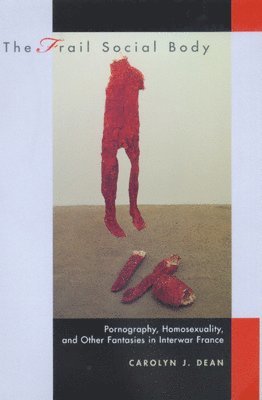
Frail Social Body
Pornography, Homosexuality, and Other Fantasies in Interwar France
Inbunden, Engelska, 2000
535 kr
Skickas inom 7-10 vardagar
Amid the national shame and subjugation following World War I in France, cultural critics there - journalists, novelists, doctors, and legislators, among others - worked to rehabilitate what was perceived as an unhealthy social body. Carolyn J. Dean shows how these critics attempted to reconstruct the 'bodily integrity' of the nation by pointing to the dangers of homosexuality and pornography. Dean's provocative work demonstrates the importance of this concept of bodily integrity in France and shows how it was ultimately used to define first-class citizenship. Dean presents fresh historical material - including novels and medical treatises - to show how fantasies about the body-violating qualities of homosexuality and pornography informed social perceptions and political action. Although she focuses on the period from 1890 to 1945, Dean also establishes the relevance of these ideas to current preoccupations with pornography and sexuality in the United States.
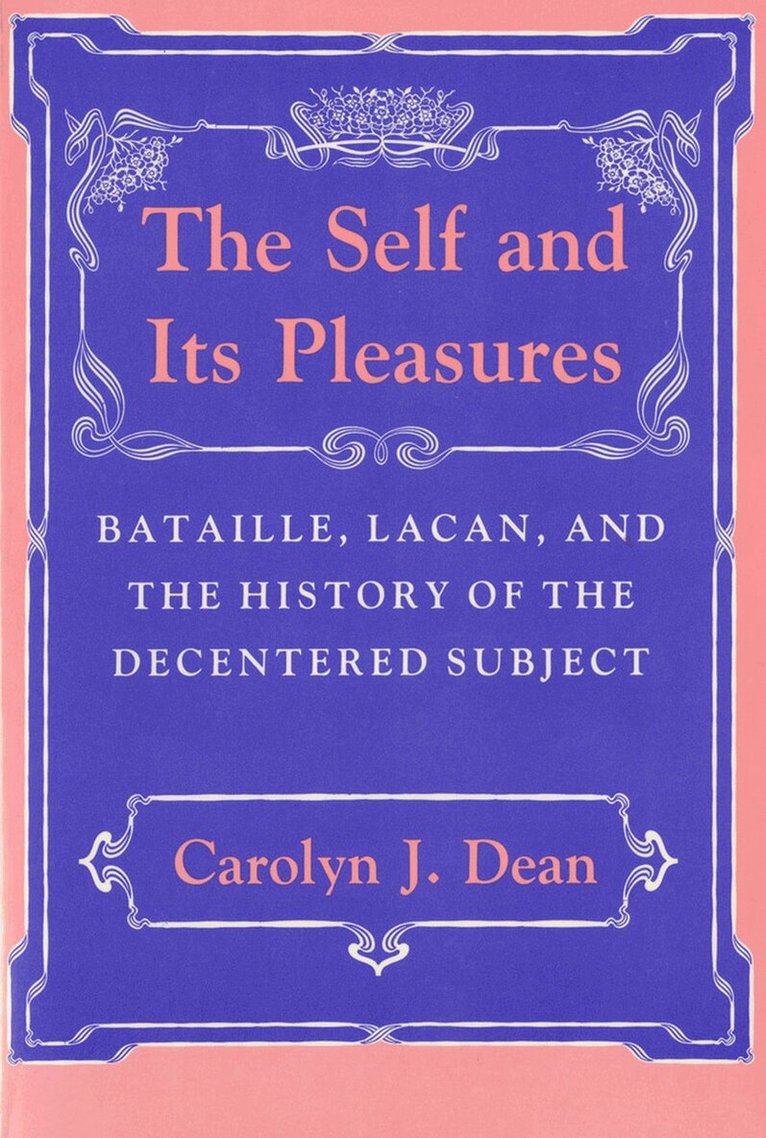
Self and Its Pleasures
Bataille, Lacan, and the History of the Decentered Subject
Inbunden, Engelska, 1992
682 kr
Skickas inom 10-15 vardagar
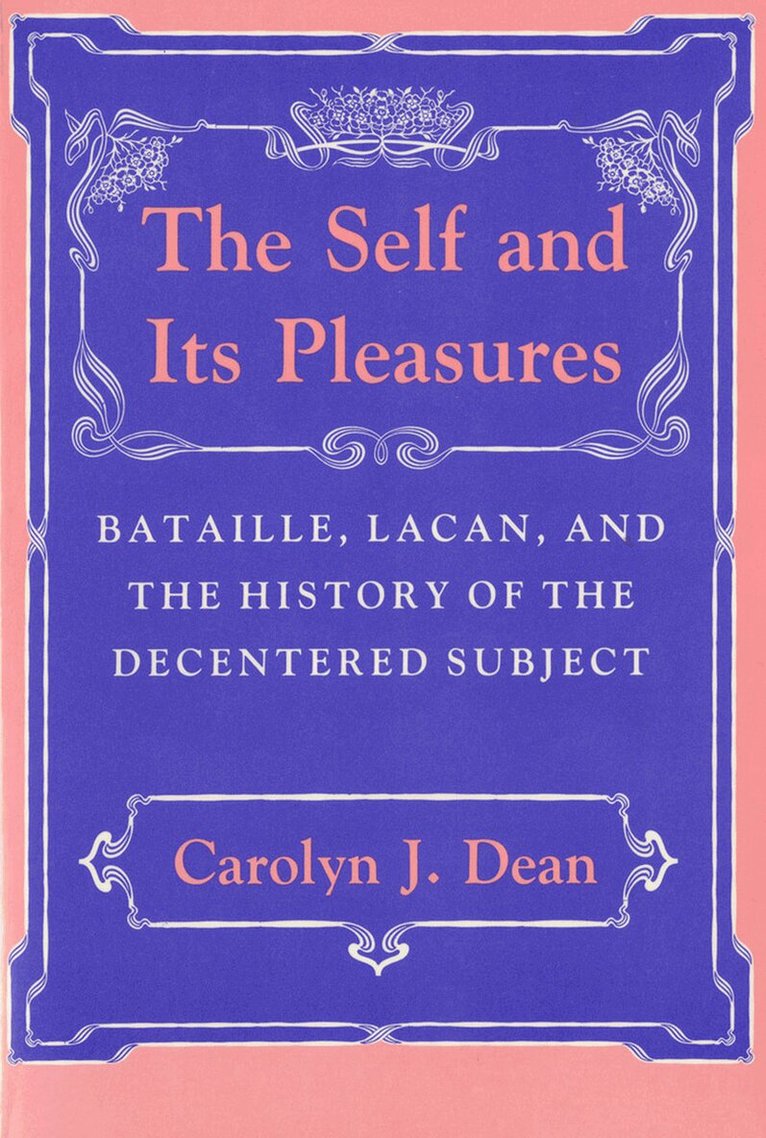
Why did France spawn the radical poststructuralist rejection of the humanist concept of 'man' as a rational, knowing subject? In this innovative cultural history, Carolyn J. Dean sheds light on the origins of poststructuralist thought, paying particular attention to the reinterpretation of the self by Jacques Lacan, Georges Bataille, and other French thinkers. Arguing that the widely shared belief that the boundaries between self and other had disappeared during the Great War helps explain the genesis of the new concept of the self, Dean examines an array of evidence from medical texts and literary works alike. The Self and Its Pleasures offers a pathbreaking understanding of the boundaries between theory and history.
1 604 kr
Skickas inom 10-15 vardagar
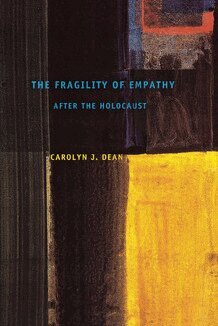
When we are confronted with images of and memoirs from the Holocaust and subsequent cases of vast cruelty and suffering, is our impulse to empathize put at risk by the possibility of becoming numb to horror? Carolyn J. Dean's provocative new book addresses the ways we evade our failures of empathy in the face of massive suffering: Has exposure (or overexposure) to representations of pain damaged our ability to feel? Do the frequent claims that artistic representations of extreme cruelty are pornographic allow us to dodge the real issues that we must confront in attempting to come to terms with suffering? Does an excess of terror place constraints on compassion?Dean examines the very different representations of suffering found in visual media, history writing, cultural criticism, and journalism that grapple with the assumption that Americans and Western Europeans have been rendered numb and their appropriate human responses blunted by the events of the past century. The Fragility of Empathy after the Holocaust will be of interest to all readers concerned with contemporary "victim culture," Holocaust representation, and humanism.
388 kr
Skickas inom 3-6 vardagar
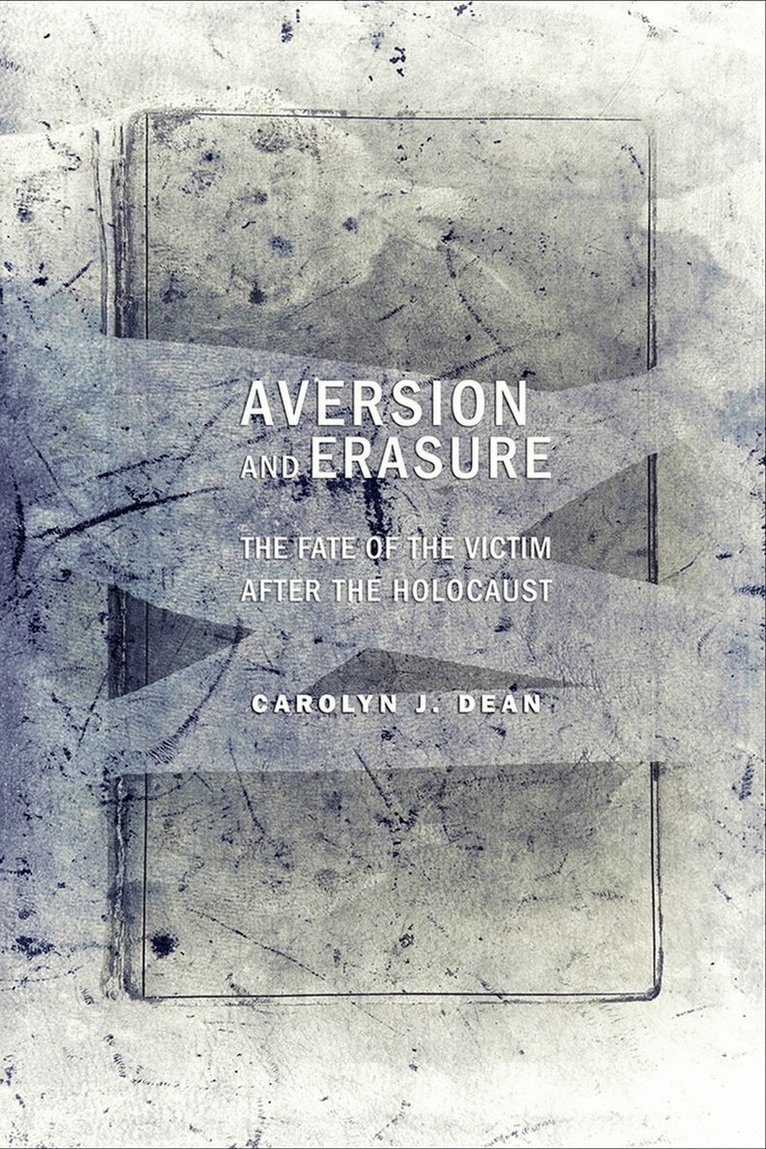
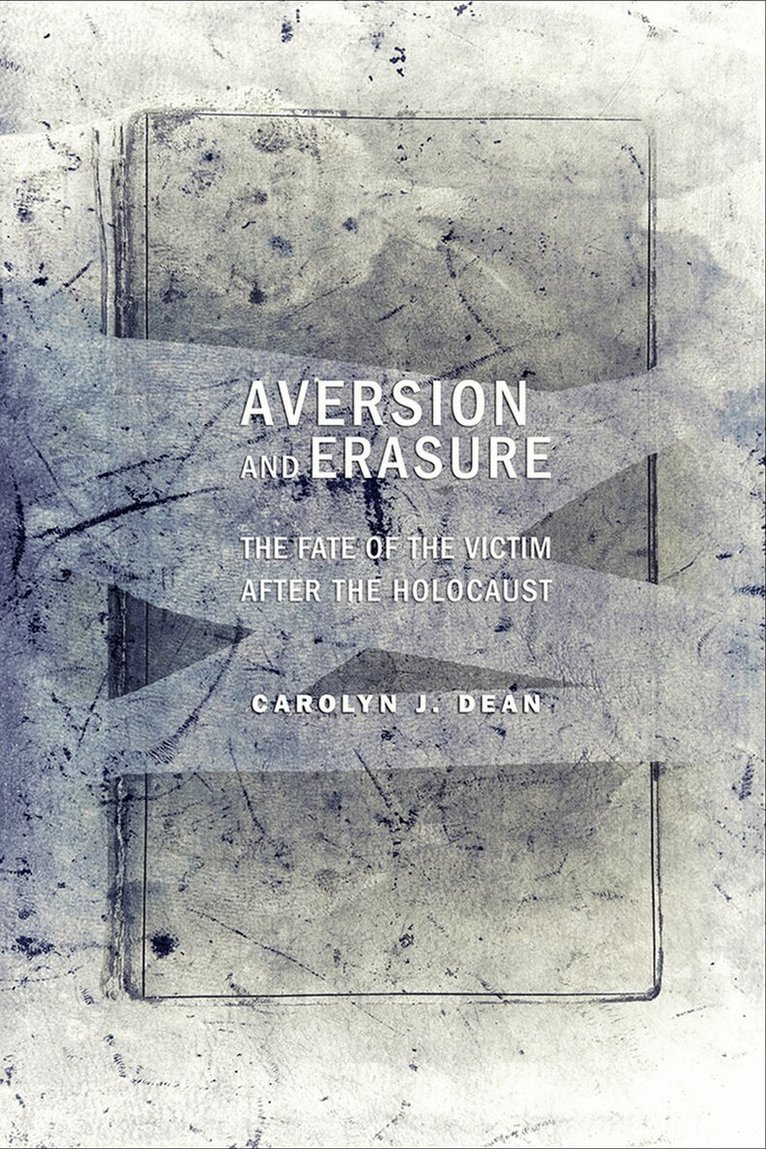
In Aversion and Erasure, Carolyn J. Dean offers a bold account of how the Holocaust's status as humanity's most terrible example of evil has shaped contemporary discourses about victims in the West. Popular and scholarly attention to the Holocaust has led some observers to conclude that a "surfeit of Jewish memory" is obscuring the suffering of other peoples. Dean explores the pervasive idea that suffering and trauma in the United States and Western Europe have become central to identity, with victims competing for recognition by displaying their collective wounds. She argues that this notion has never been examined systematically even though it now possesses the force of self-evidence. It developed in nascent form after World War II, when the near-annihilation of European Jewry began to transform patriotic mourning into a slogan of "Never Again": as the Holocaust demonstrated, all people might become victims because of their ethnicity, race, gender, or sexuality—because of who they are.The recent concept that suffering is central to identity and that Jewish suffering under Nazism is iconic of modern evil has dominated public discourse since the 1980s. Dean argues that we believe that the rational contestation of grievances in democratic societies is being replaced by the proclamation of injury and the desire to be a victim. Such dramatic and yet culturally powerful assertions, however, cast suspicion on victims and define their credibility in new ways that require analysis. Dean's latest book summons anyone concerned with human rights to recognize the impact of cultural ideals of "deserving" and "undeserving" victims on those who have suffered.
296 kr
Skickas inom 10-15 vardagar
When we are confronted with images of and memoirs from the Holocaust and subsequent cases of vast cruelty and suffering, is our impulse to empathize put at risk by the possibility of becoming numb to horror? Carolyn J. Dean's provocative new book addresses the ways we evade our failures of empathy in the face of massive suffering: Has exposure (or overexposure) to representations of pain damaged our ability to feel? Do the frequent claims that artistic representations of extreme cruelty are pornographic allow us to dodge the real issues that we must confront in attempting to come to terms with suffering? Does an excess of terror place constraints on compassion?Dean examines the very different representations of suffering found in visual media, history writing, cultural criticism, and journalism that grapple with the assumption that Americans and Western Europeans have been rendered numb and their appropriate human responses blunted by the events of the past century. The Fragility of Empathy after the Holocaust will be of interest to all readers concerned with contemporary "victim culture," Holocaust representation, and humanism.
Self and Its Pleasures
Bataille, Lacan, and the History of the Decentered Subject
Häftad, Engelska, 2016
254 kr
Skickas inom 10-15 vardagar
Why did France spawn the radical poststructuralist rejection of the humanist concept of 'man' as a rational, knowing subject? In this innovative cultural history, Carolyn J. Dean sheds light on the origins of poststructuralist thought, paying particular attention to the reinterpretation of the self by Jacques Lacan, Georges Bataille, and other French thinkers. Arguing that the widely shared belief that the boundaries between self and other had disappeared during the Great War helps explain the genesis of the new concept of the self, Dean examines an array of evidence from medical texts and literary works alike. The Self and Its Pleasures offers a pathbreaking understanding of the boundaries between theory and history.
241 kr
Skickas inom 10-15 vardagar
In Aversion and Erasure, Carolyn J. Dean offers a bold account of how the Holocaust's status as humanity's most terrible example of evil has shaped contemporary discourses about victims in the West. Popular and scholarly attention to the Holocaust has led some observers to conclude that a "surfeit of Jewish memory" is obscuring the suffering of other peoples. Dean explores the pervasive idea that suffering and trauma in the United States and Western Europe have become central to identity, with victims competing for recognition by displaying their collective wounds. She argues that this notion has never been examined systematically even though it now possesses the force of self-evidence. It developed in nascent form after World War II, when the near-annihilation of European Jewry began to transform patriotic mourning into a slogan of "Never Again": as the Holocaust demonstrated, all people might become victims because of their ethnicity, race, gender, or sexuality—because of who they are.The recent concept that suffering is central to identity and that Jewish suffering under Nazism is iconic of modern evil has dominated public discourse since the 1980s. Dean argues that we believe that the rational contestation of grievances in democratic societies is being replaced by the proclamation of injury and the desire to be a victim. Such dramatic and yet culturally powerful assertions, however, cast suspicion on victims and define their credibility in new ways that require analysis. Dean's latest book summons anyone concerned with human rights to recognize the impact of cultural ideals of "deserving" and "undeserving" victims on those who have suffered.
1 604 kr
Skickas inom 10-15 vardagar
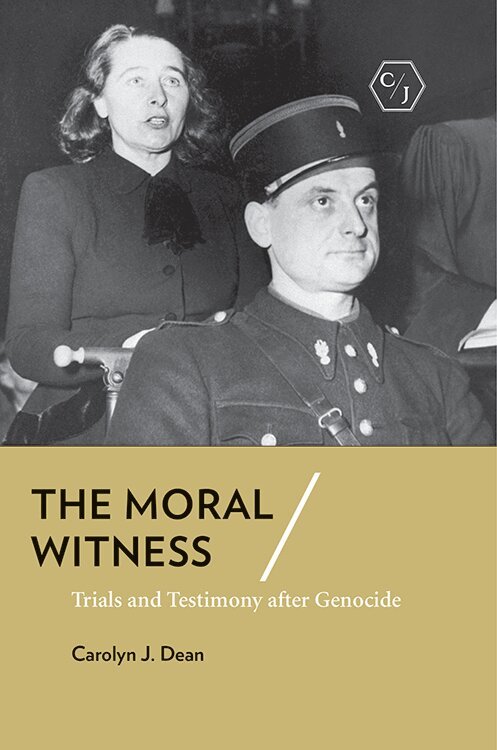
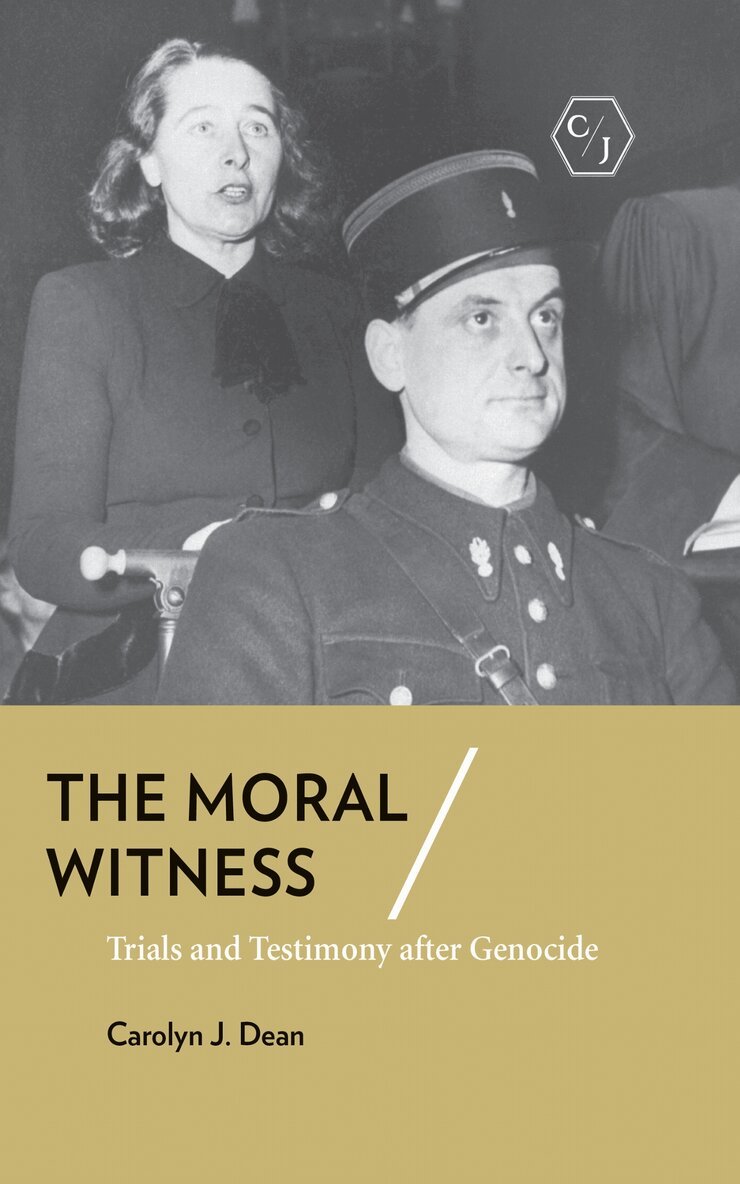
The Moral Witness is the first cultural history of the "witness to genocide" in the West. Carolyn J. Dean shows how the witness became a protagonist of twentieth-century moral culture by tracing the emergence of this figure in courtroom battles from the 1920s to the 1960s—covering the Armenian genocide, the Ukrainian pogroms, the Soviet Gulag, and the trial of Adolf Eichmann. In these trials, witness testimonies differentiated the crime of genocide from war crimes and began to form our understanding of modern political and cultural murder.By the turn of the twentieth century, the "witness to genocide" became a pervasive icon of suffering humanity and a symbol of western moral conscience. Dean sheds new light on the recent global focus on survivors' trauma. Only by placing the moral witness in a longer historical trajectory, she demonstrates, can we understand how the stories we tell about survivor testimony have shaped both our past and contemporary moral culture.
255 kr
Skickas inom 10-15 vardagar
The Moral Witness is the first cultural history of the "witness to genocide" in the West. Carolyn J. Dean shows how the witness became a protagonist of twentieth-century moral culture by tracing the emergence of this figure in courtroom battles from the 1920s to the 1960s—covering the Armenian genocide, the Ukrainian pogroms, the Soviet Gulag, and the trial of Adolf Eichmann. In these trials, witness testimonies differentiated the crime of genocide from war crimes and began to form our understanding of modern political and cultural murder.By the turn of the twentieth century, the "witness to genocide" became a pervasive icon of suffering humanity and a symbol of western moral conscience. Dean sheds new light on the recent global focus on survivors' trauma. Only by placing the moral witness in a longer historical trajectory, she demonstrates, can we understand how the stories we tell about survivor testimony have shaped both our past and contemporary moral culture.