Carrie L. Sulosky Weaver – författare
Visar alla böcker från författaren Carrie L. Sulosky Weaver. Handla med fri frakt och snabb leverans.
5 produkter
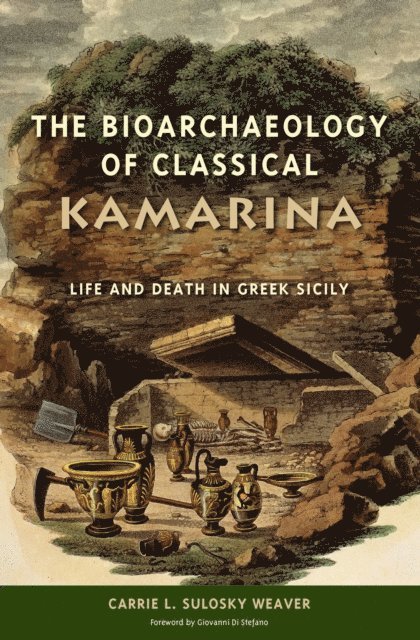
Bioarchaeology of Classical Kamarina
Life and Death in Greek Sicily
E-bok, 2015
1515 kr
Lägg i varukorg
Choice Outstanding Academic Title Sicily was among one of the first areas settled during the Greek colonization movement, making its cemeteries a popular area of study for scholars of the classical world. Yet these studies have often considered human remains and burial customs separately. In this …
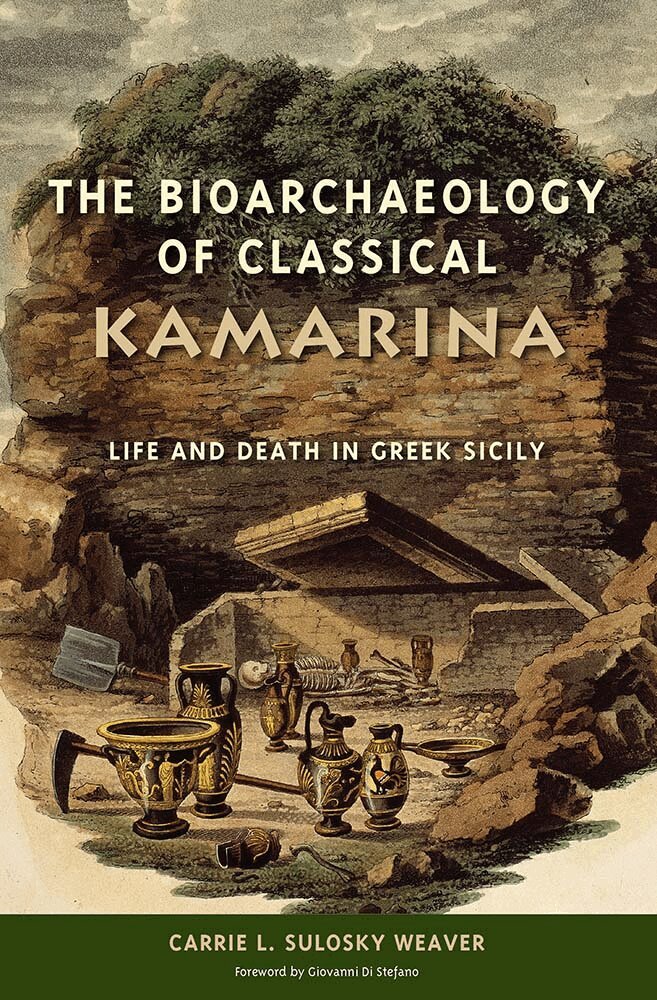
Bioarchaeology of Classical Kamarina
Life and Death in Greek Sicily
Inbunden, 2015
997 kr
Lägg i varukorg
Human remains and burial customs are often considered separately in studies of ancient Greek populations. In this seminal work, Carrie Sulosky Weaver synthesizes skeletal, material, and ritual data to reconstruct the cultural practices of Kamarina, a city-state in Sicily.Using evidence from 258 …
Aegyptiaca
Religion, Politics, and Culture in the Mediterranean from the 8th to the 6th Century BCE
Av Carrie L. Sulosky Weaver, Pearce Paul Creasman
Häftad, 2022
883 kr
Lägg i varukorg
In December of 2016, the University of the Aegean's Department of Mediterranean Studies held a symposium in Rhodes on the topic of "Religion, Politics, and Culture in the Mediterranean from the 8th to the 6th Centuries BC." The conference was organized by the Aegean Egyptology group and Laboratory …
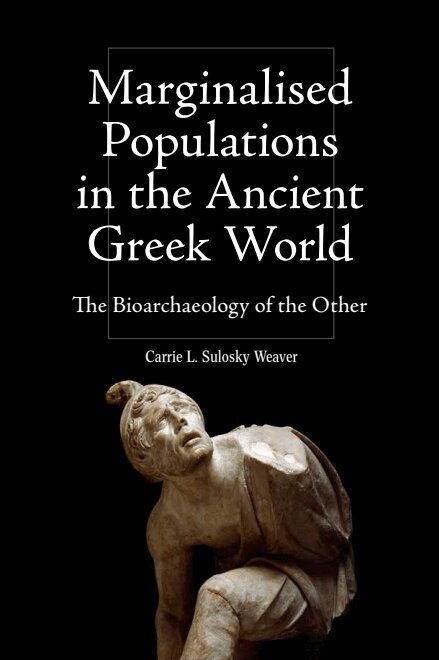
Marginalised Populations in the Ancient Greek World
The Bioarchaeology of the Other
Häftad, 2024
572 kr
Lägg i varukorg
Studies of the ancient Greek world have typically focused on the life histories of elite males as the group that has made the most distinct mark on ancient Greek literature, art and material culture. As a result, the voices of foreigners, the physically impaired, the impoverished and the generally …
Marginalised Populations in the Ancient Greek World
The Bioarchaeology of the Other
Inbunden, 2022
2183 kr
Lägg i varukorg
Studies of the ancient Greek world have typically focused on the life histories of elite males as the group that has made the most distinct mark on ancient Greek literature, art and material culture. As a result, the voices of foreigners, the physically impaired, the impoverished and the generally …