
Cary Federman – författare
Visar alla böcker från författaren Cary Federman. Handla med fri frakt och snabb leverans.
4 produkter
4 produkter
925 kr
Skickas inom 5-8 vardagar
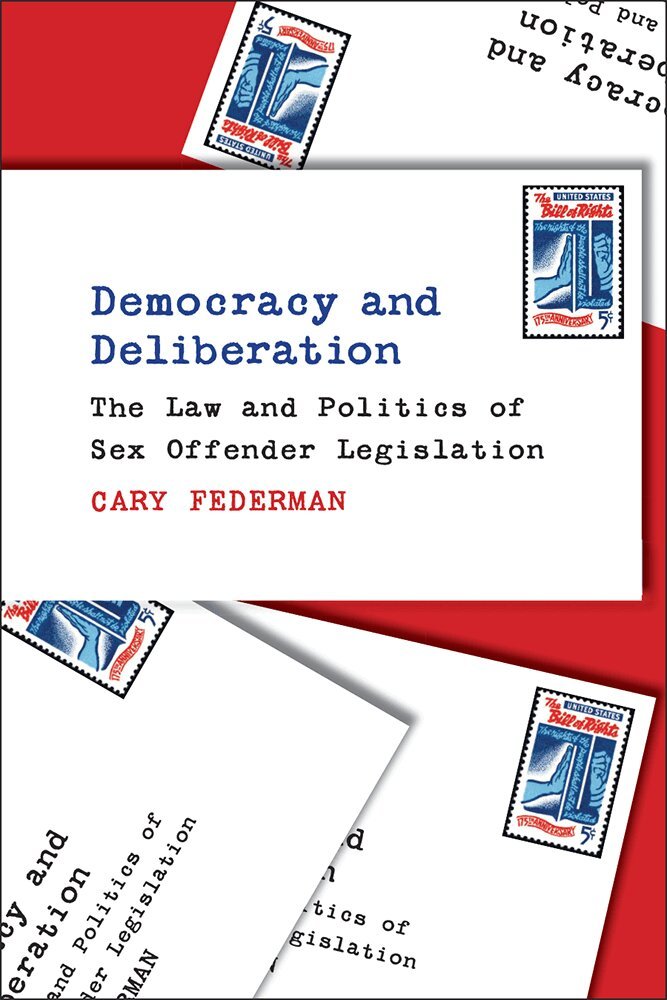
Sex offender laws include residency restrictions, registration and notification requirements, and post-conviction civil commitment. These laws and regulations impose serious restrictions on the movements of convicted sex offenders. This is controversial because these laws and regulations occur after the sex offender has completed his time in prison. These laws and regulations are intended to have both a deterrent and therapeutic effect. Residency restrictions seek to prevent sex offenders from recommitting their crimes and civil commitment provides psychological services while incarcerated in a forensic facility. Most works on this subject are deeply critical of these laws.Cary Federman takes a more sympathetic approach to sex offender legislation. He focuses on the deliberative intentions of legislators, exploring the limits of judicial review and the rights of interested parties to influence lawmaking. Leaders of these interested parties are usually the parents of children who have been sexually violated and murdered. Critics of sex offender legislation tend to focus on the convicted parties, arguing that their rights have been violated. Democracy and Deliberation asserts that these laws are expressions of the deliberative intentions of lawmakers concerned about public safety—they are thus constitutional, if not always wise.
1 042 kr
Tillfälligt slut
Traces the history of the writ of habeas corpus and its influence on federal-state relations.The writ of habeas corpus is the principal means by which state prisoners, many on death row, attack the constitutionality of their conviction in federal courts. In The Body and the State, Cary Federman contends that habeas corpus is more than just a get-out-of-jail-free card-it gives death row inmates a constitutional means of overturning a jury's mistaken determination of guilt. Tracing the history of the writ since 1789, Federman examines its influence on federal-state relations and argues that habeas corpus petitions turn legal language upside down, threatening the states' sovereign judgment to convict and execute criminals as well as upsetting the discourse, created by the Supreme Court, that the federal-state relationship ought not be disturbed by convicted criminals making habeas corpus appeals. He pays particular attention to the changes in the discourse over federalism and capital punishment that have restricted the writ's application over time.
347 kr
Tillfälligt slut
Traces the history of the writ of habeas corpus and its influence on federal-state relations.The writ of habeas corpus is the principal means by which state prisoners, many on death row, attack the constitutionality of their conviction in federal courts. In The Body and the State, Cary Federman contends that habeas corpus is more than just a get-out-of-jail-free card-it gives death row inmates a constitutional means of overturning a jury's mistaken determination of guilt. Tracing the history of the writ since 1789, Federman examines its influence on federal-state relations and argues that habeas corpus petitions turn legal language upside down, threatening the states' sovereign judgment to convict and execute criminals as well as upsetting the discourse, created by the Supreme Court, that the federal-state relationship ought not be disturbed by convicted criminals making habeas corpus appeals. He pays particular attention to the changes in the discourse over federalism and capital punishment that have restricted the writ's application over time.
Assassination of William McKinley
Anarchism, Insanity, and the Birth of the Social Sciences
Inbunden, Engelska, 2017
1 492 kr
Skickas inom 10-15 vardagar
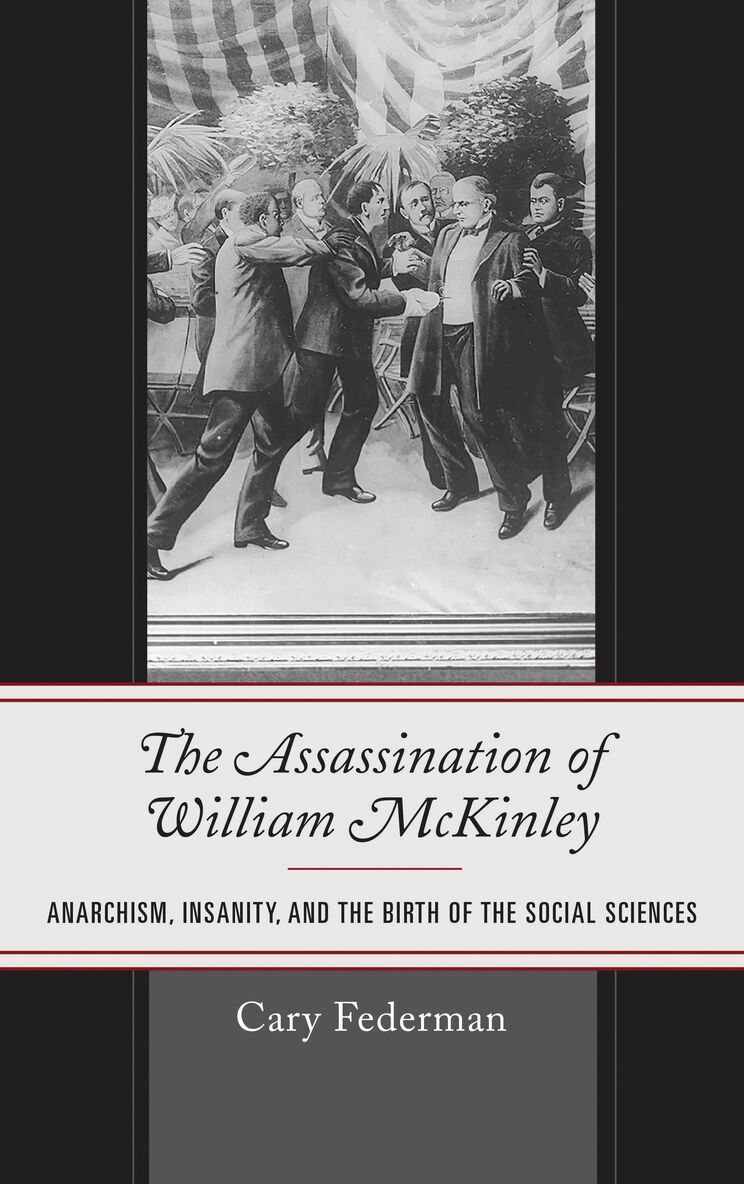
This book is an examination of the assassination of President William McKinley by Leon Czolgosz, an American-born purported anarchist. This work offers a new and different way to approach historical crime stories. Rather than accepting the idea that Czolgosz was inherently dangerous because of his ethnic background or his obscure political statements, Federman argues, rather, that political relations, historical events, and the developing discourses in the natural and social sciences toward normal and pathological behaviors structured the meaning of the assassination. Federman proposes there are six ways to view an assassin, each corresponding to a social science. Consequently, each chapter of this manuscript examines a social science and its relation to the assassination. Overall, there are three purposes to this work: One is to examine the rise of the social sciences at the time of the assassination. The second is to explore the historical and political understanding of political violence; and the third is to examine the meaning of legal responsibility.