Cassia Roth - Böcker
Visar alla böcker från författaren Cassia Roth. Handla med fri frakt och snabb leverans.
6 produkter
6 produkter
590 kr
Skickas inom 5-8 vardagar
Trajectories of Empire extends from the beginning of the Iberian expansion of the mid-fifteenth century, through colonialism and slavery, and into the twentieth and twenty-first centuries in Latin American republics. Its point of departure is the question of empire and its aftermath, as reflected in the lives of contemporary Latin Americans of African descent, and of their ancestors caught up in the historical process of Iberian colonial expansion, colonization, and the Atlantic slave trade.The book's chapters explore what it's like to be Black today in the so-called racial democracies of Brazil, Colombia, and Cuba; the role of medical science in the objectification and nullification of Black female personhood during slavery in Brazil in the nineteenth century; the deployment of visual culture to support insurgency for a largely illiterate slave body again in the nineteenth century in Cuba; aspects of discourse that promoted the colonial project as evangelization, or alternately offered resistance to its racialized culture of dominance in the seventeenth century; and the experiences of the first generations of forced African migrants into Spain and Portugal in the fifteenth and sixteenth centuries, as the discursive template was created around their social roles as enslaved or formerly enslaved people.Trajectories of Empire's contributors come from the fields of literary criticism, visual culture, history, anthropology, popular culture (rap), and cultural studies. As the product of an interdisciplinary collective, this book will be of interest to researchers and graduate students in Iberian or Hispanic Studies, Africana Studies, Postcolonial Studies, and Transatlantic Studies, as well as the general public.
1 451 kr
Skickas inom 5-8 vardagar
Trajectories of Empire extends from the beginning of the Iberian expansion of the mid-fifteenth century, through colonialism and slavery, and into the twentieth and twenty-first centuries in Latin American republics. Its point of departure is the question of empire and its aftermath, as reflected in the lives of contemporary Latin Americans of African descent, and of their ancestors caught up in the historical process of Iberian colonial expansion, colonization, and the Atlantic slave trade.The book's chapters explore what it's like to be Black today in the so-called racial democracies of Brazil, Colombia, and Cuba; the role of medical science in the objectification and nullification of Black female personhood during slavery in Brazil in the nineteenth century; the deployment of visual culture to support insurgency for a largely illiterate slave body again in the nineteenth century in Cuba; aspects of discourse that promoted the colonial project as evangelization, or alternately offered resistance to its racialized culture of dominance in the seventeenth century; and the experiences of the first generations of forced African migrants into Spain and Portugal in the fifteenth and sixteenth centuries, as the discursive template was created around their social roles as enslaved or formerly enslaved people. Trajectories of Empire's contributors come from the fields of literary criticism, visual culture, history, anthropology, popular culture (rap), and cultural studies. As the product of an interdisciplinary collective, this book will be of interest to researchers and graduate students in Iberian or Hispanic Studies, Africana Studies, Postcolonial Studies, and Transatlantic Studies, as well as the general public.
2 160 kr
Skickas inom 10-15 vardagar
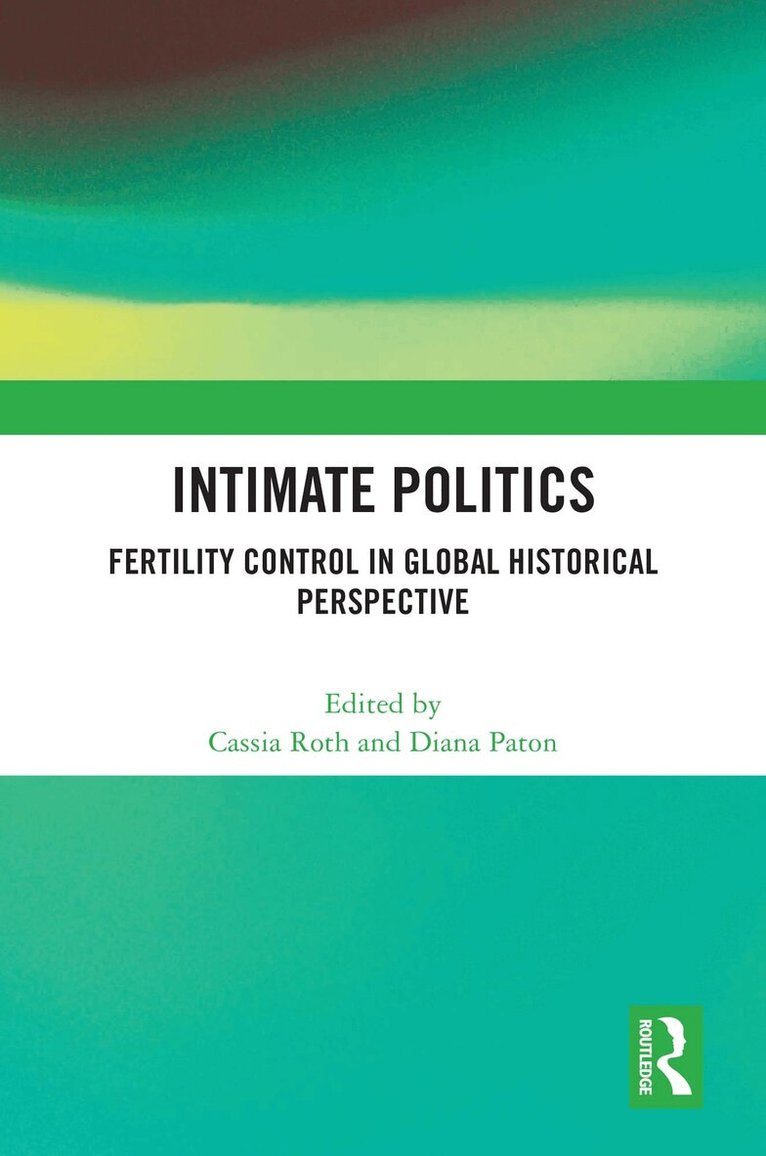
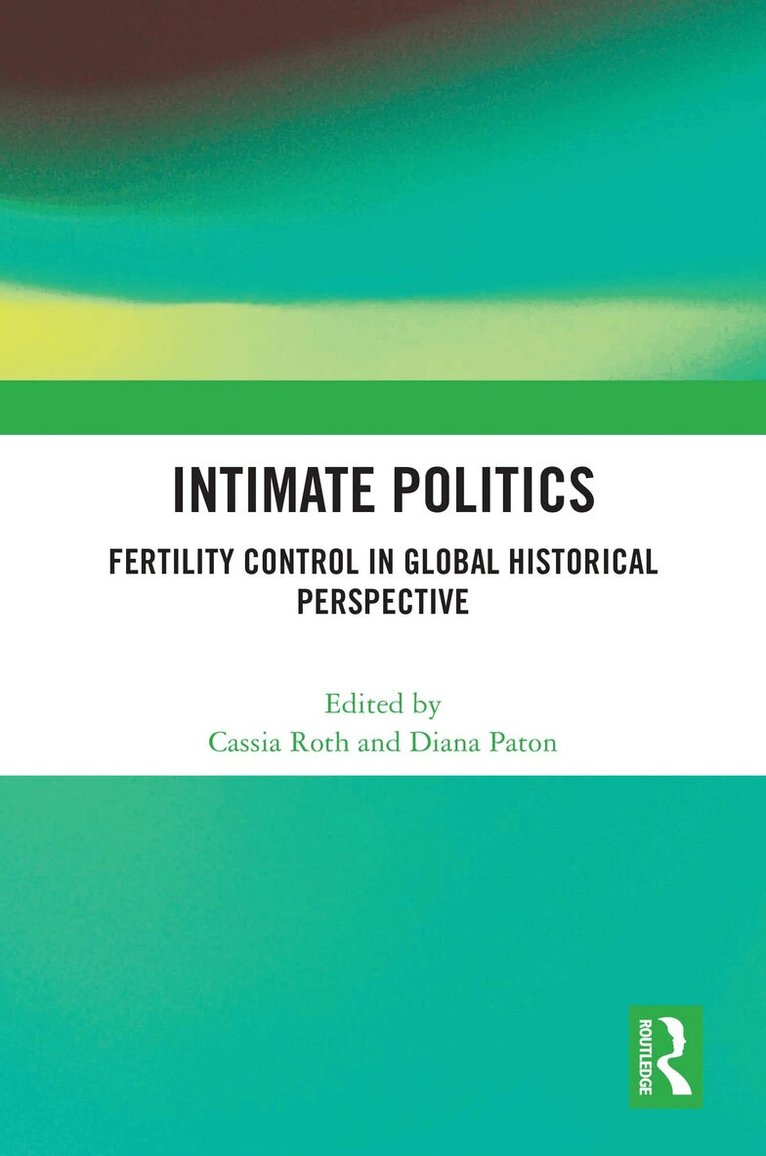
This book places the intimate experience of fertility control at the heart of political and social approaches toward women’s bodies.Across the globe, women have always controlled their fertility through intimate efforts ultimately tied to larger political processes and gendered power dynamics. Women’s biological reproductive capabilities have been contested sites of power struggles, shaping the formation, rule, and dissolution of political regimes throughout history. Yet these intersections between the intimate and the political remain understudied in the historical literature. This book explores these questions from the perspective of multiple time periods, geographic locations, actors, and methods. Chapters analyze how women’s individual practices of fertility control, including contraception, abortion, and infanticide, alongside methods for achieving conception and birth, intersected with larger political, economic, and cultural trends. Others problematize the ideas of ‘control’ in history. What did it mean to ‘control one’s fertility’ in different historical periods and geographical regions? How did historical actors understand and practise what we now call fertility control? How can we expand conventional definitions of fertility control to interrogate ideas related to infertility, menstruation, and heteronormativity? Contributors also highlight how race, ethnicity, and class intersect with gender to shape if, and how, women and men approached fertility control. This book will be of great value to students and scholars of history including the history of the body, women’s rights, and health equity, as well as the intersectionality of gender and health.The chapters in this book were originally published as a special issue of Women’s History Review.
652 kr
Skickas inom 10-15 vardagar
This book places the intimate experience of fertility control at the heart of political and social approaches toward women’s bodies.Across the globe, women have always controlled their fertility through intimate efforts ultimately tied to larger political processes and gendered power dynamics. Women’s biological reproductive capabilities have been contested sites of power struggles, shaping the formation, rule, and dissolution of political regimes throughout history. Yet these intersections between the intimate and the political remain understudied in the historical literature. This book explores these questions from the perspective of multiple time periods, geographic locations, actors, and methods. Chapters analyze how women’s individual practices of fertility control, including contraception, abortion, and infanticide, alongside methods for achieving conception and birth, intersected with larger political, economic, and cultural trends. Others problematize the ideas of ‘control’ in history. What did it mean to ‘control one’s fertility’ in different historical periods and geographical regions? How did historical actors understand and practise what we now call fertility control? How can we expand conventional definitions of fertility control to interrogate ideas related to infertility, menstruation, and heteronormativity? Contributors also highlight how race, ethnicity, and class intersect with gender to shape if, and how, women and men approached fertility control. This book will be of great value to students and scholars of history including the history of the body, women’s rights, and health equity, as well as the intersectionality of gender and health.The chapters in this book were originally published as a special issue of Women’s History Review.
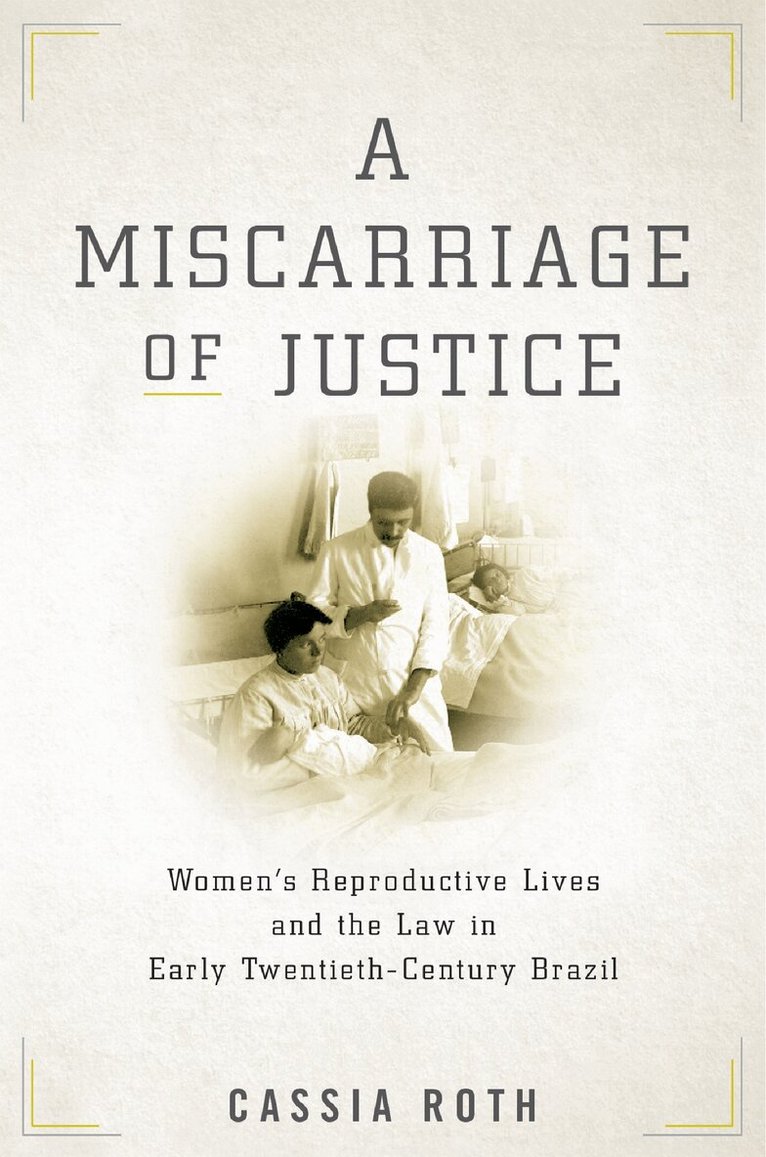
Miscarriage of Justice
Women's Reproductive Lives and the Law in Early Twentieth-Century Brazil
Inbunden, Engelska, 2020
1 422 kr
Skickas inom 7-10 vardagar
A Miscarriage of Justice examines women's reproductive health in relation to legal and medical policy in Rio de Janeiro, Brazil. After the abolition of slavery in 1888 and the onset of republicanism in 1889, women's reproductive capabilities—their ability to conceive and raise future citizens and laborers—became critical to the expansion of the new Brazilian state. Analyzing court cases, law, medical writings, and health data, Cassia Roth argues that the state's approach to women's health in the early twentieth century focused on criminalizing fertility control without improving services or outcomes for women. Ultimately, the increasingly interventionist state fostered a culture of condemnation around poor women's reproduction that extended beyond elite discourses into the popular imagination. By tracing how legal thought and medical knowledge became cemented into law and clinical practice, how obstetricians, public health officials, and legal practitioners approached fertility control, and how women experienced and negotiated their reproductive lives, A Miscarriage of Justice provides a new way of interpreting the intertwined histories of gender, race, reproduction, and the state—and shows how these questions continue to reverberate in debates over reproductive rights and women's health in Brazil today.
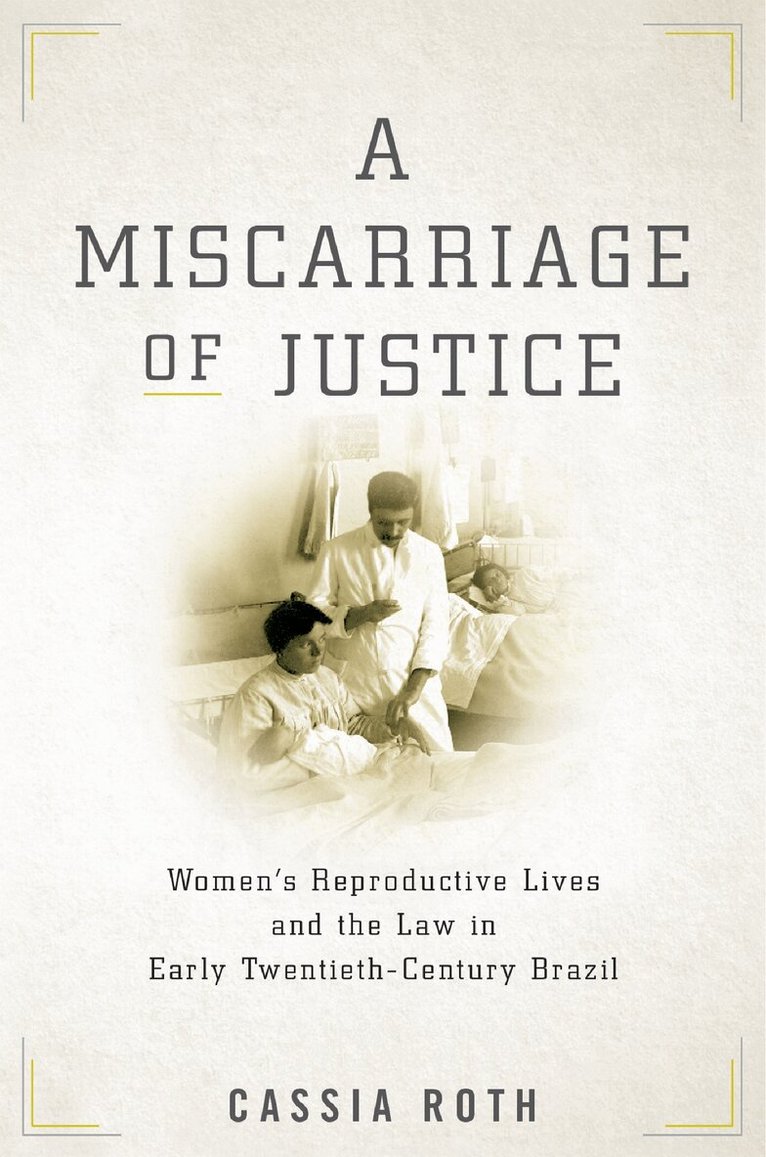
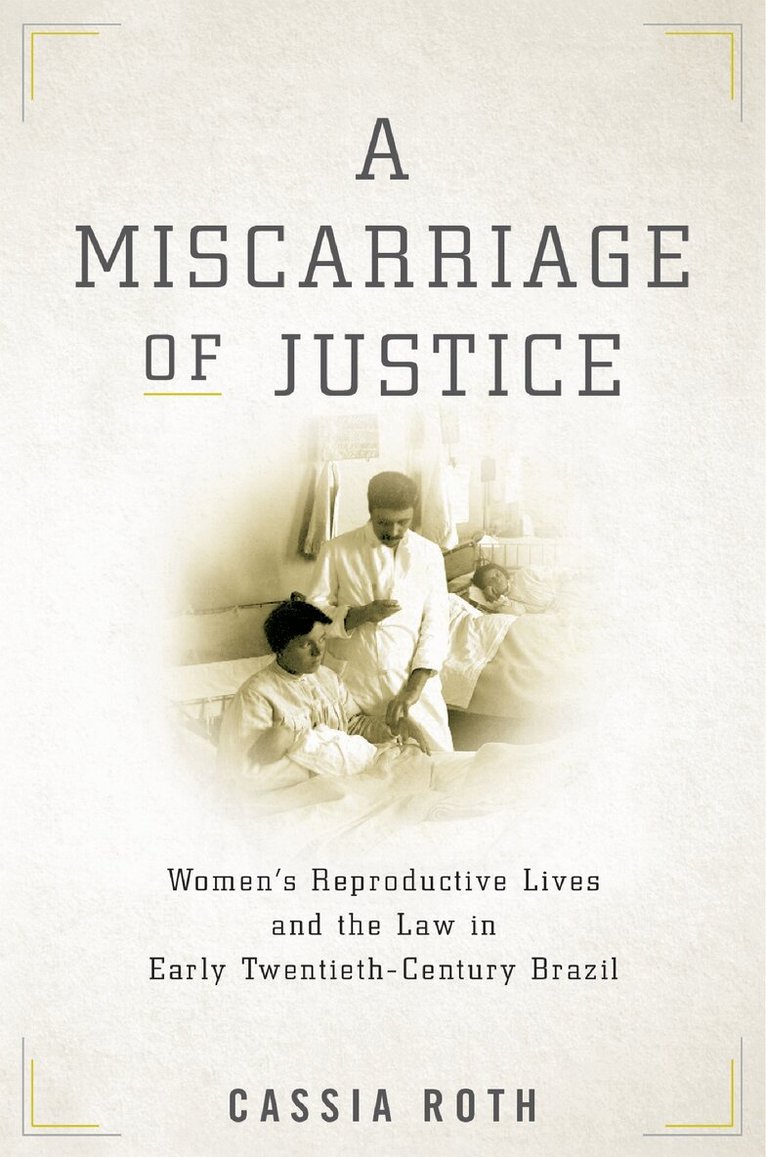
Miscarriage of Justice
Women's Reproductive Lives and the Law in Early Twentieth-Century Brazil
Häftad, Engelska, 2020
334 kr
Skickas inom 7-10 vardagar
A Miscarriage of Justice examines women's reproductive health in relation to legal and medical policy in Rio de Janeiro, Brazil. After the abolition of slavery in 1888 and the onset of republicanism in 1889, women's reproductive capabilities—their ability to conceive and raise future citizens and laborers—became critical to the expansion of the new Brazilian state. Analyzing court cases, law, medical writings, and health data, Cassia Roth argues that the state's approach to women's health in the early twentieth century focused on criminalizing fertility control without improving services or outcomes for women. Ultimately, the increasingly interventionist state fostered a culture of condemnation around poor women's reproduction that extended beyond elite discourses into the popular imagination. By tracing how legal thought and medical knowledge became cemented into law and clinical practice, how obstetricians, public health officials, and legal practitioners approached fertility control, and how women experienced and negotiated their reproductive lives, A Miscarriage of Justice provides a new way of interpreting the intertwined histories of gender, race, reproduction, and the state—and shows how these questions continue to reverberate in debates over reproductive rights and women's health in Brazil today.