Catherine Carstairs – författare
Visar alla böcker från författaren Catherine Carstairs. Handla med fri frakt och snabb leverans.
11 produkter
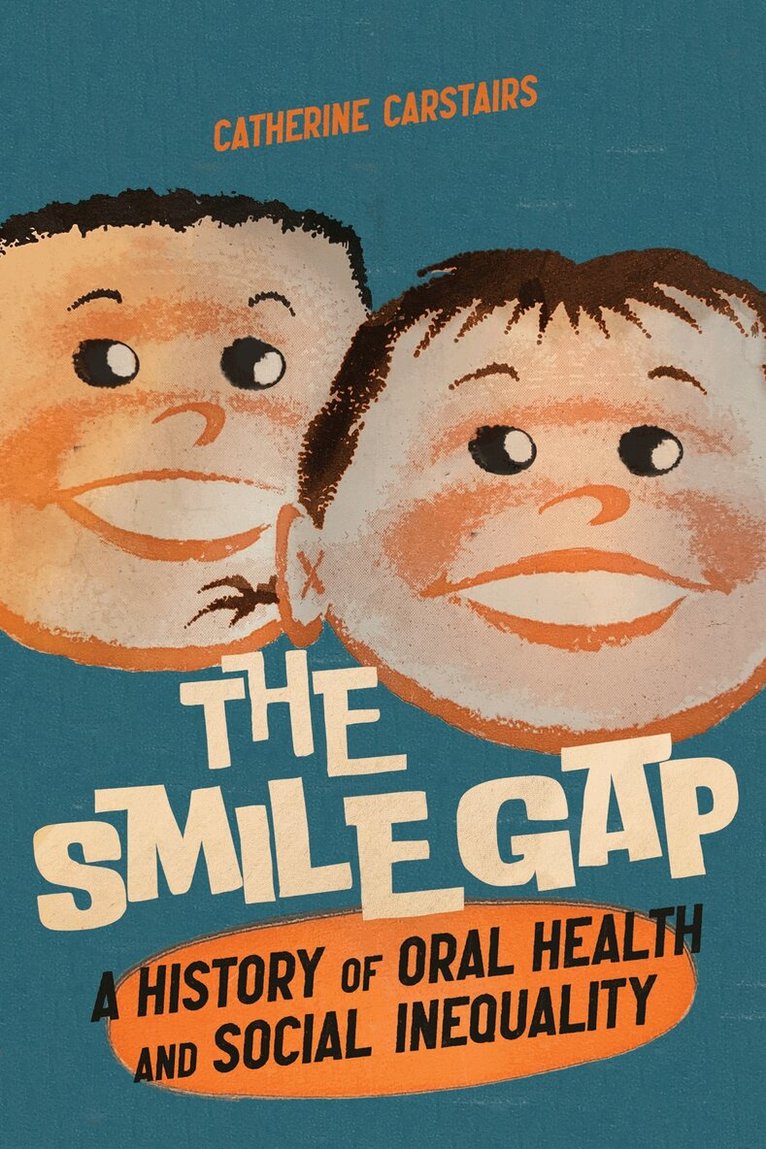
Smile Gap
A History of Oral Health and Social Inequality
Inbunden, 2022
1507 kr
Lägg i varukorg
As recently as fifty years ago most people expected to lose their teeth as they aged. Few children benefited from braces to straighten their teeth, and cosmetic procedures to change the appearance of smiles were largely unknown. Today, many Canadians enjoy straight, white teeth and far more of them …
Smile Gap
A History of Oral Health and Social Inequality
Häftad, 2022
396 kr
Lägg i varukorg
As recently as fifty years ago most people expected to lose their teeth as they aged. Few children benefited from braces to straighten their teeth, and cosmetic procedures to change the appearance of smiles were largely unknown. Today, many Canadians enjoy straight, white teeth and far more of them …
Smile Gap
A History of Oral Health and Social Inequality
E-bok, 2022
367 kr
Lägg i varukorg
As recently as fifty years ago most people expected to lose their teeth as they aged. Few children benefited from braces to straighten their teeth, and cosmetic procedures to change the appearance of smiles were largely unknown. Today, many Canadians enjoy straight, white teeth and far more of them …
Smile Gap
A History of Oral Health and Social Inequality
E-bok, 2022
367 kr
Lägg i varukorg
As recently as fifty years ago most people expected to lose their teeth as they aged. Few children benefited from braces to straighten their teeth, and cosmetic procedures to change the appearance of smiles were largely unknown. Today, many Canadians enjoy straight, white teeth and far more of them …
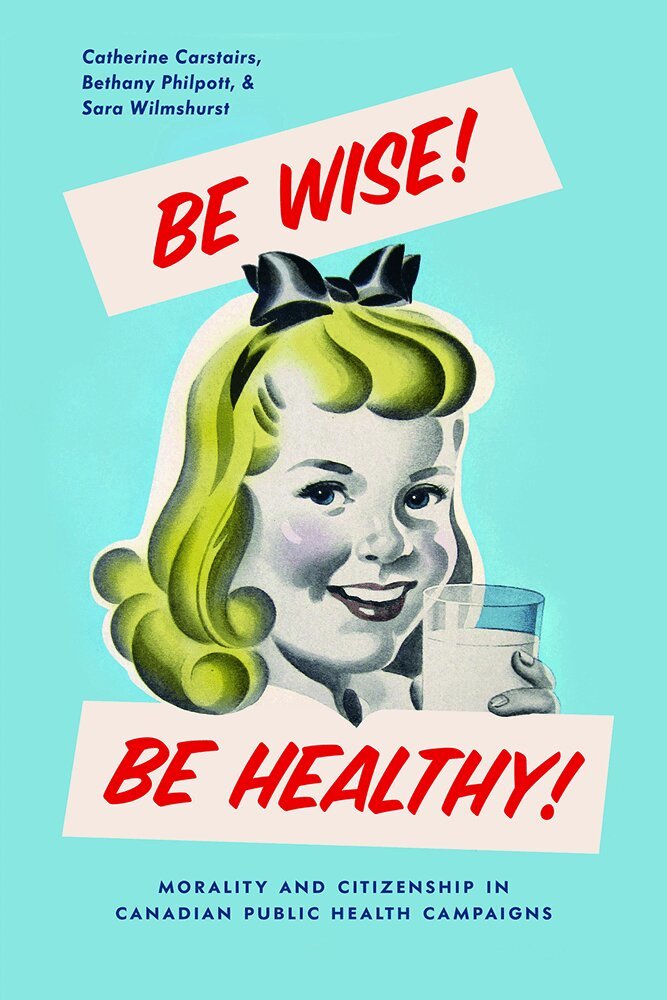
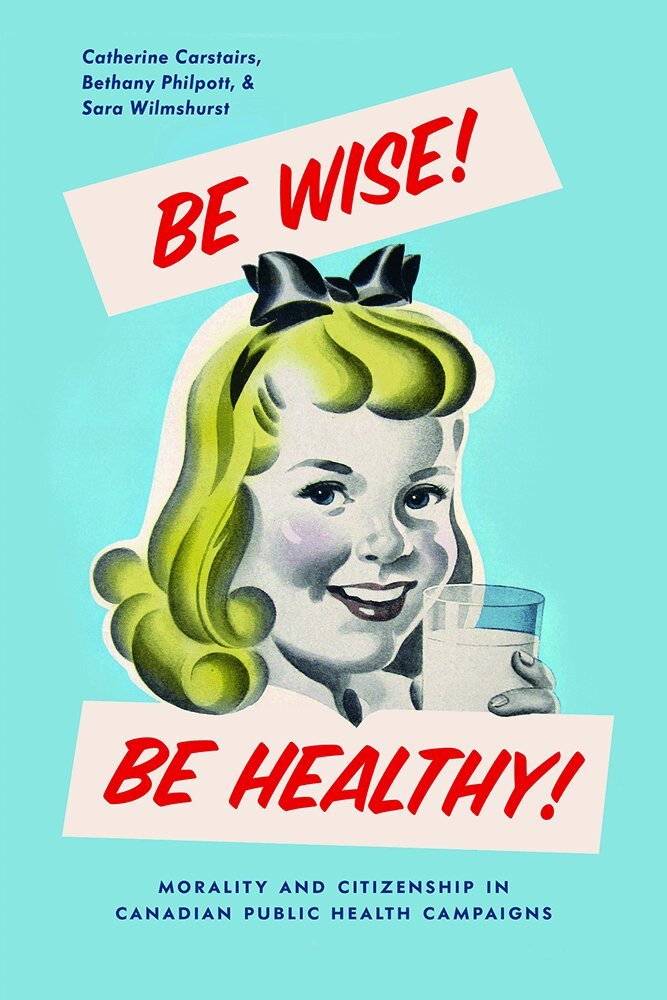
Be Wise! Be Healthy!
Morality and Citizenship in Canadian Public Health Campaigns
Av Catherine Carstairs, Bethany Philpott m. fl.
Inbunden, 2018
1048 kr
Lägg i varukorg
Lose weight. Quit smoking. Exercise more. For over a century, governments and voluntary groups have run educational campaigns encouraging Canadians to adopt healthy habits in order to prolong lives, cost the state less, and produce more efficient workers. Be Wise! Be Healthy! explores the history …
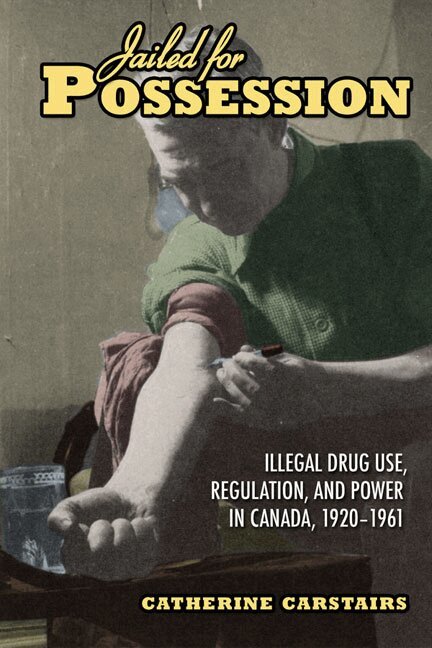
Jailed for Possession
Illegal Drug Use, Regulation, and Power in Canada, 1920-1961
Häftad, 2006
414 kr
Lägg i varukorg
As rates of illegal drug use increase, the debates over drug policy heat up. While some believe penalties should be harsher, others advocate complete decriminalisation. Certainly, debate over the 'war on drugs' is not new. In the early 1920s, as the drive for Chinese Exclusion gathered steam, …
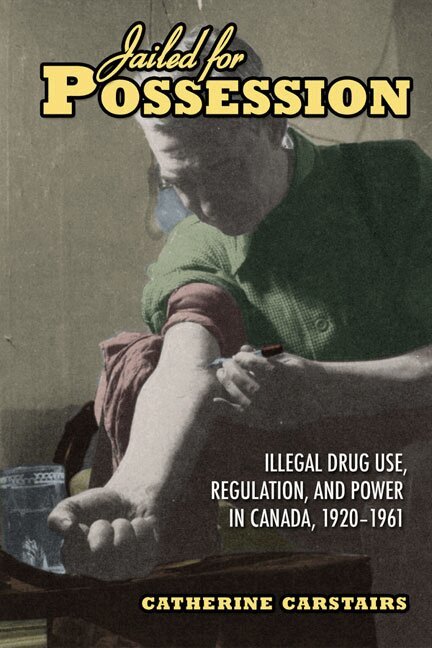
Jailed for Possession
Illegal Drug Use, Regulation, and Power in Canada, 1920-1961
E-bok, 2006
521 kr
Lägg i varukorg
As rates of illegal drug use increase, the debates over drug policy heat up. While some believe penalties should be harsher, others advocate complete decriminalisation. Certainly, debate over the 'war on drugs' is not new. In the early 1920s, as the drive for Chinese Exclusion gathered steam, …
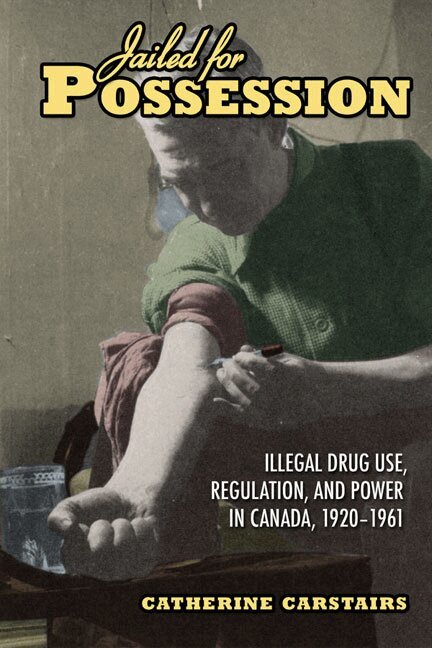
Jailed for Possession
Illegal Drug Use, Regulation, and Power in Canada, 1920-1961
E-bok, 2006
495 kr
Lägg i varukorg
As rates of illegal drug use increase, the debates over drug policy heat up. While some believe penalties should be harsher, others advocate complete decriminalisation. Certainly, debate over the 'war on drugs' is not new. In the early 1920s, as the drive for Chinese Exclusion gathered steam, …
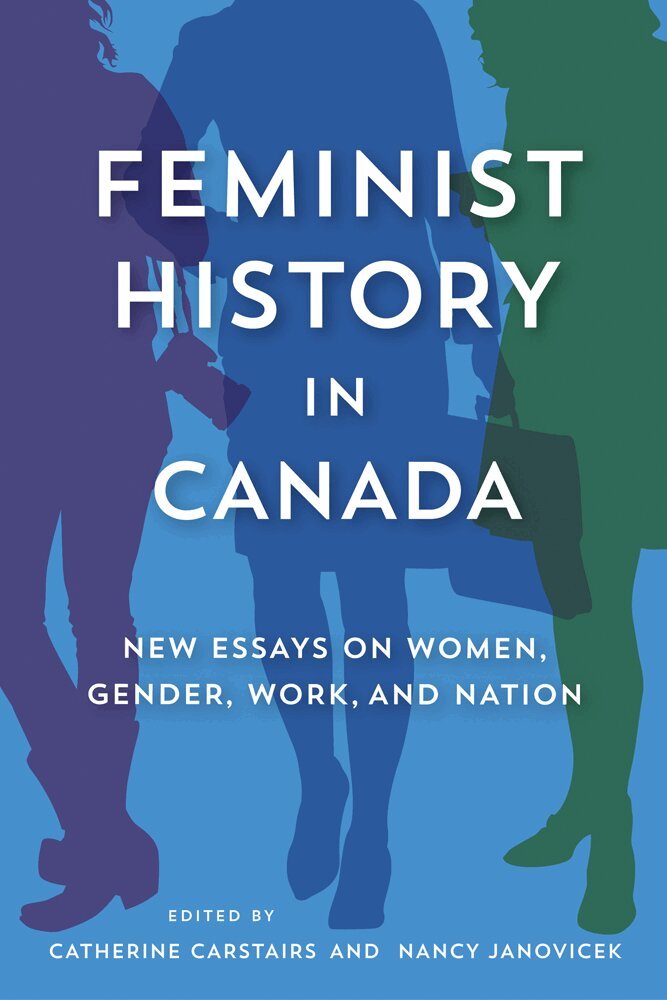
Feminist History in Canada
New Essays on Women, Gender, Work, and Nation
Av Catherine Carstairs, Nancy Janovicek
Inbunden, 2013
1149 kr
Tillfälligt slut
In the late 1970s, feminist historians urged us to "rethink" Canada by placing women's experiences at the centre of historical analysis. Forty years later, feminism continues to inform history writing and has inspired historians to look beyond the nation and adopt a more global perspective. This …
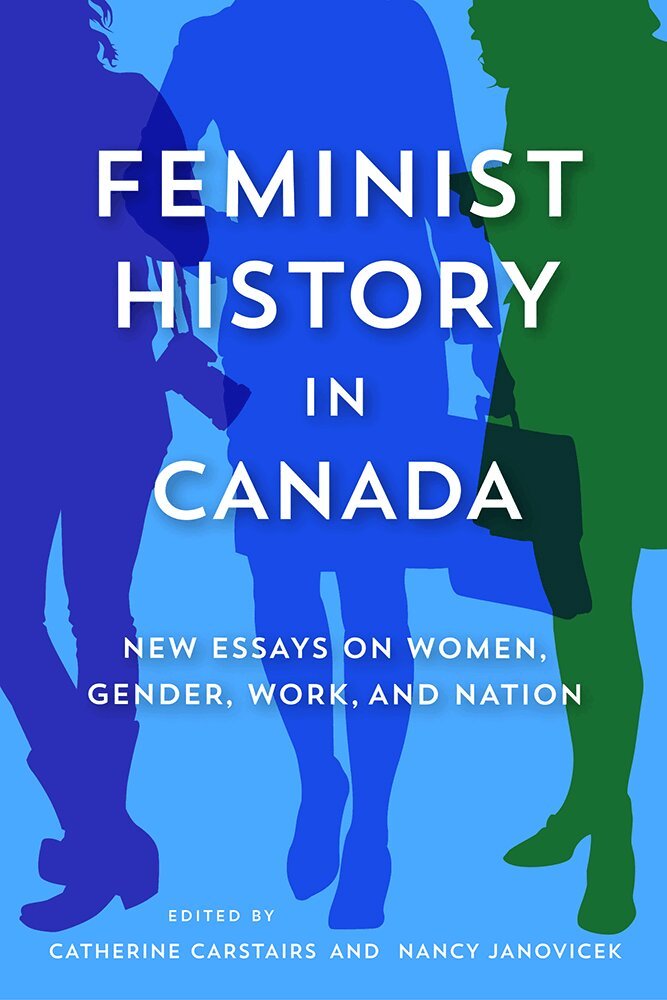
Feminist History in Canada
New Essays on Women, Gender, Work, and Nation
Av Catherine Carstairs, Nancy Janovicek
Häftad, 2014
426 kr
Tillfälligt slut
In the late 1970s, feminist historians urged us to "rethink" Canada by placing women's experiences at the centre of historical analysis. Forty years later, feminism continues to inform history writing and has inspired historians to look beyond the nation and adopt a more global perspective.This …
Be Wise! Be Healthy!
Morality and Citizenship in Canadian Public Health Campaigns
Av Catherine Carstairs, Bethany Philpott m. fl.
Häftad, 2019
426 kr
Tillfälligt slut
Lose weight. Quit smoking. Exercise more. For over a century, governments and voluntary groups have run educational campaigns encouraging Canadians to adopt healthy habits in order to prolong lives, cost the state less, and produce more efficient workers. Be Wise! Be Healthy! explores the history …