Catherine Gunther Kodat - Böcker
Visar alla böcker från författaren Catherine Gunther Kodat. Handla med fri frakt och snabb leverans.
4 produkter
4 produkter
482 kr
Skickas inom 3-6 vardagar
Faulknerista collects more than twenty years of critically influential scholarship by Catherine Gunther Kodat on the writings of one of the most important American authors of the twentieth century, William Faulkner. Initially composed as freestanding essays and now updated and revised, the book's nine chapters place Faulkner's work in the context of current debates concerning the politics of white authors who write about race, queer sexualities, and the use of the N-word in literature and popular culture. The Faulknerista of the title is a critic who tackles these debates without fear or favor, balancing admiration with skepticism in a manner that establishes a new model for single-author scholarship that is both historically grounded (for women have been writing about Faulkner, and talking back to him, since the beginning of his career) and urgently contemporary. Beginning with an introduction that argues for the critical importance of women's engagement with Faulkner's fiction, through comparative discussions pairing it with works by Toni Morrison, Jean-Luc Godard, Quentin Tarantino, and David Simon, Faulknerista offers a valuable resource for students, scholars, and general readers, written in an accessible style and aimed at stimulating discussions of Faulkner's work and the rich interpretive challenges it continues to present.
802 kr
Skickas inom 10-15 vardagar
Faulknerista collects more than twenty years of critically influential scholarship by Catherine Gunther Kodat on the writings of one of the most important American authors of the twentieth century, William Faulkner. Initially composed as freestanding essays and now updated and revised, the book's nine chapters place Faulkner's work in the context of current debates concerning the politics of white authors who write about race, queer sexualities, and the use of the N-word in literature and popular culture. The Faulknerista of the title is a critic who tackles these debates without fear or favor, balancing admiration with skepticism in a manner that establishes a new model for single-author scholarship that is both historically grounded (for women have been writing about Faulkner, and talking back to him, since the beginning of his career) and urgently contemporary. Beginning with an introduction that argues for the critical importance of women's engagement with Faulkner's fiction, through comparative discussions pairing it with works by Toni Morrison, Jean-Luc Godard, Quentin Tarantino, and David Simon, Faulknerista offers a valuable resource for students, scholars, and general readers, written in an accessible style and aimed at stimulating discussions of Faulkner's work and the rich interpretive challenges it continues to present.
486 kr
Skickas inom 10-15 vardagar
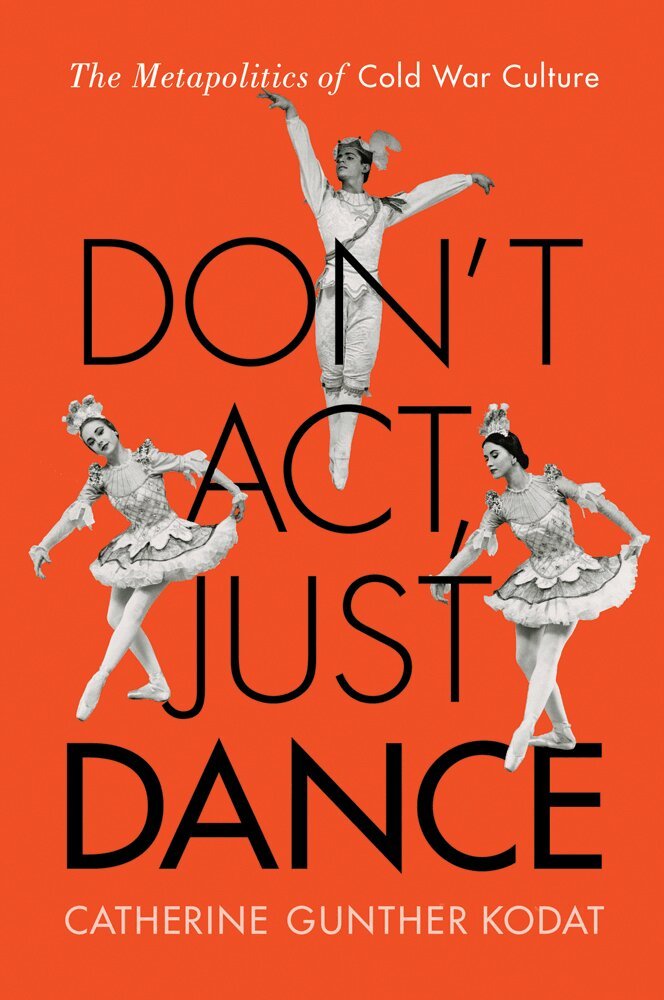
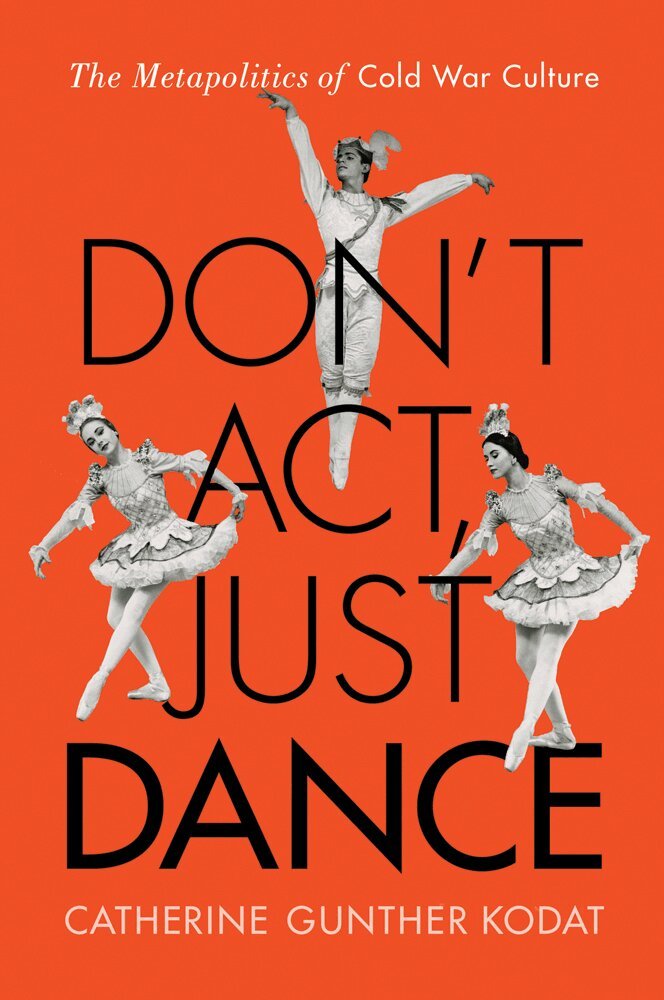
At some point in their career, nearly all the dancers who worked with George Balanchine were told “don’t act, dear; just dance.” The dancers understood this as a warning against melodramatic over-interpretation and an assurance that they had all the tools they needed to do justice to the steps-but its implication that to dance is already to act in a manner both complete and sufficient resonates beyond stage and studio. Drawing on fresh archival material, Don’t Act, Just Dance places dance at the center of the story of the relationship between Cold War art and politics. Catherine Gunther Kodat takes Balanchine’s catch phrase as an invitation to explore the politics of Cold War culture-in particular, to examine the assumptions underlying the role of “apolitical” modernism in U.S. cultural diplomacy. Through close, theoretically informed readings of selected important works-Marianne Moore’s “Combat Cultural,” dances by George Balanchine, Merce Cunningham, and Yuri Grigorovich, Stanley Kubrick’s Spartacus, and John Adams’s Nixon in China-Kodat questions several commonly-held beliefs about the purpose and meaning of modernist cultural productions during the Cold War. Rather than read the dance through a received understanding of Cold War culture, Don’t Act, Just Dance reads Cold War culture through the dance, and in doing so establishes a new understanding of the politics of modernism in the arts of the period.
1 649 kr
Skickas inom 10-15 vardagar
At some point in their career, nearly all the dancers who worked with George Balanchine were told “don’t act, dear; just dance.” The dancers understood this as a warning against melodramatic over-interpretation and an assurance that they had all the tools they needed to do justice to the steps-but its implication that to dance is already to act in a manner both complete and sufficient resonates beyond stage and studio. Drawing on fresh archival material, Don’t Act, Just Dance places dance at the center of the story of the relationship between Cold War art and politics. Catherine Gunther Kodat takes Balanchine’s catch phrase as an invitation to explore the politics of Cold War culture-in particular, to examine the assumptions underlying the role of “apolitical” modernism in U.S. cultural diplomacy. Through close, theoretically informed readings of selected important works-Marianne Moore’s “Combat Cultural,” dances by George Balanchine, Merce Cunningham, and Yuri Grigorovich, Stanley Kubrick’s Spartacus, and John Adams’s Nixon in China-Kodat questions several commonly-held beliefs about the purpose and meaning of modernist cultural productions during the Cold War. Rather than read the dance through a received understanding of Cold War culture, Don’t Act, Just Dance reads Cold War culture through the dance, and in doing so establishes a new understanding of the politics of modernism in the arts of the period.