Catherine O'Donnell - Böcker
Visar alla böcker från författaren Catherine O'Donnell. Handla med fri frakt och snabb leverans.
5 produkter
5 produkter
Political Discourse and Conflict Resolution
Debating Peace in Northern Ireland
Inbunden, Engelska, 2010
2 289 kr
Skickas inom 10-15 vardagar
This book offers new insights into the close relationship between political discourses and conflict resolution through critical analysis of the role of discursive change in a peace process.Just as a peace process has many dimensions and stakeholders, so the discourses considered here come from a wide range of sources and actors. The book contains in-depth analyses of official discourses used to present the peace process, the discourses of political party leaders engaging (or otherwise) with it, the discourses of community-level activists responding to it, and the discourses of the media and the academy commenting on it. These discourses reflect varying levels of support for the peace process – from obstruction to promotion – and the role of language in moving across this spectrum according to issue and occasion. Common to all these analyses is the conviction that the language used by political protagonists and cultural stakeholders has a profound effect on progression towards peace.Bringing together leading experts on Northern Ireland’s peace process from a range of academic disciplines, including political science, sociology, linguistics, history, geography, law, and peace studies, this book offers new insights into the discursive dynamics of violent political conflict and its resolution.
807 kr
Skickas inom 10-15 vardagar
This book offers new insights into the close relationship between political discourses and conflict resolution through critical analysis of the role of discursive change in a peace process.Just as a peace process has many dimensions and stakeholders, so the discourses considered here come from a wide range of sources and actors. The book contains in-depth analyses of official discourses used to present the peace process, the discourses of political party leaders engaging (or otherwise) with it, the discourses of community-level activists responding to it, and the discourses of the media and the academy commenting on it. These discourses reflect varying levels of support for the peace process – from obstruction to promotion – and the role of language in moving across this spectrum according to issue and occasion. Common to all these analyses is the conviction that the language used by political protagonists and cultural stakeholders has a profound effect on progression towards peace.Bringing together leading experts on Northern Ireland’s peace process from a range of academic disciplines, including political science, sociology, linguistics, history, geography, law, and peace studies, this book offers new insights into the discursive dynamics of violent political conflict and its resolution.
505 kr
Tillfälligt slut
412 kr
Skickas inom 7-10 vardagar
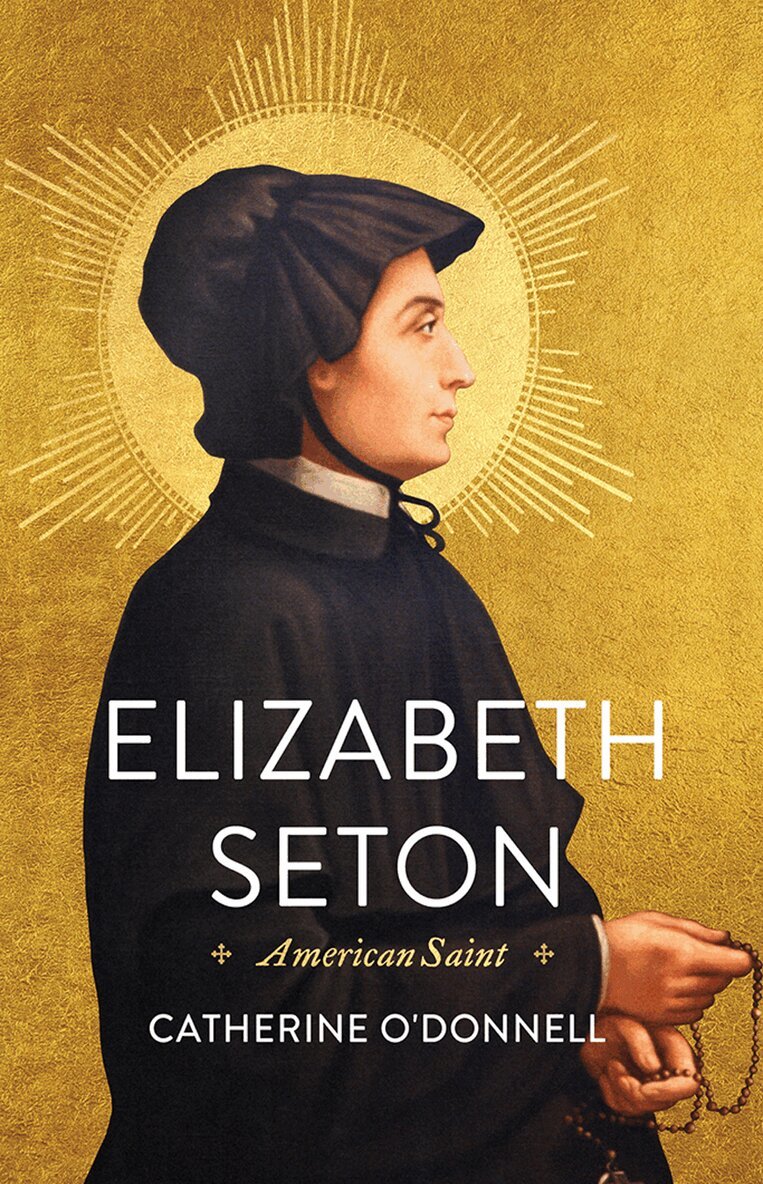
From socialite to saint, it was an extraordinary journey for Seton, one gracefully chronicled in Catherine O'Donnell's richly textured new biography.... A remarkable biography of a remarkable woman.― Wall Street JournalIn 1975, two centuries after her birth, Pope Paul VI canonized Elizabeth Ann Seton, making her the first saint to be a native-born citizen of the United States in the Roman Catholic Church. Seton came of age in Manhattan as the city and her family struggled to rebuild themselves after the Revolution, explored both contemporary philosophy and Christianity, converted to Catholicism from her native Episcopalian faith, and built the St. Joseph’s Academy and Free School in Emmitsburg, Maryland. Hers was an exemplary early American life of struggle, ambition, questioning, and faith, and in this flowing biography, Catherine O’Donnell has given Seton her due.O’Donnell places Seton squarely in the context of the dynamic and risky years of the American and French Revolutions and their aftermath. Just as Seton’s dramatic life was studded with hardship, achievement, and grief so were the social, economic, political, and religious scenes of the Early American Republic in which she lived. O’Donnell provides the reader with a strong sense of this remarkable woman’s intelligence and compassion as she withstood her husband’s financial failures and untimely death, undertook a slow conversion to Catholicism, and struggled to reconcile her single-minded faith with her respect for others’ different choices. The fruit of her labors were the creation of a spirituality that embraced human connections as well as divine love and the American Sisters of Charity, part of an enduring global community with a specific apostolate for teaching.The trove of correspondence, journals, reflections, and community records that O’Donnell weaves together throughout Elizabeth Seton provides deep insight into her life and her world. Each source enriches our understanding of women’s friendships and choices, illuminates the relationships within the often-opaque world of early religious communities, and upends conventional wisdom about the ways Americans of different faiths competed and collaborated during the nation’s earliest years. Through her close and sympathetic reading of Seton’s letters and journals, O’Donnell reveals Seton the person and shows us how, with both pride and humility, she came to understand her own importance as Mother Seton in the years before her death in 1821.
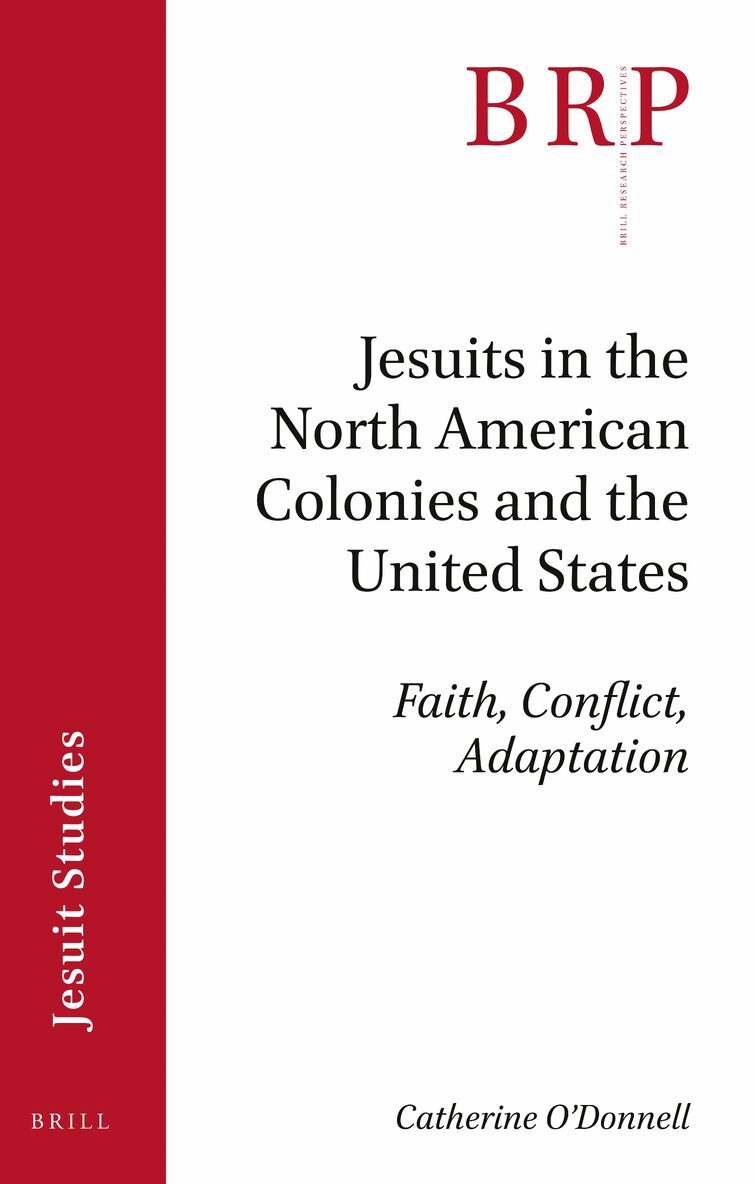
Jesuits in the North American Colonies and the United States
Faith, Conflict, Adaptation
Häftad, Engelska, 2020
1 180 kr
Skickas inom 5-8 vardagar
From Eusebio Kino to Daniel Berrigan, and from colonial New England to contemporary Seattle, Jesuits have built and disrupted institutions in ways that have fundamentally shaped the Catholic Church and American society. As Catherine O’Donnell demonstrates, Jesuits in French, Spanish, and British colonies were both evangelists and agents of empire. John Carroll envisioned an American church integrated with Protestant neighbors during the early years of the republic; nineteenth-century Jesuits, many of them immigrants, rejected Carroll’s ethos and created a distinct Catholic infrastructure of schools, colleges, and allegiances. The twentieth century involved Jesuits first in American war efforts and papal critiques of modernity, and then (in accord with the leadership of John Courtney Murray and Pedro Arrupe) in a rethinking of their relationship to modernity, to other faiths, and to earthly injustice. O’Donnell’s narrative concludes with a brief discussion of Jesuits’ declining numbers, as well as their response to their slaveholding past and involvement in clerical sexual abuse.