Catherine Wanner - Böcker
Visar alla böcker från författaren Catherine Wanner. Handla med fri frakt och snabb leverans.
8 produkter
8 produkter
449 kr
Skickas inom 7-10 vardagar
Ukraine is the largest new state to appear on the map of Europe this century. With a population of more than 50 million people and a territory larger than France, the new Ukrainian state faces many challenges, not least of which is to forge a national identity after years of Soviet rule. Burden of Dreams examines daily life in Soviet and post-Soviet Ukraine, showing why Ukrainian nationalism and its program of "Ukrainianization" have appealed to the largest Russian diaspora and to millions of Russified Ukrainians. Focusing on schools, festivals, commemorative ceremonies, and monuments, Catherine Wanner shows how Soviet-created narratives have been recast to reflect a post-Soviet Ukrainocentric perspective. In the process, we see how new histories are understood and acted upon. This reveals regional cleavages and the resilience of cultural differences produced by the Soviet regime. For some people, the system they criticized yesterday is the one they long for today. The struggle to remember or to forget is particularly intense in post-Soviet societies. Burden of Dreams is especially valuable for showing us the monumental task facing a Ukrainian state that is seeking to craft cultural solidarity after years of Soviet rule.
1 551 kr
Skickas inom 10-15 vardagar
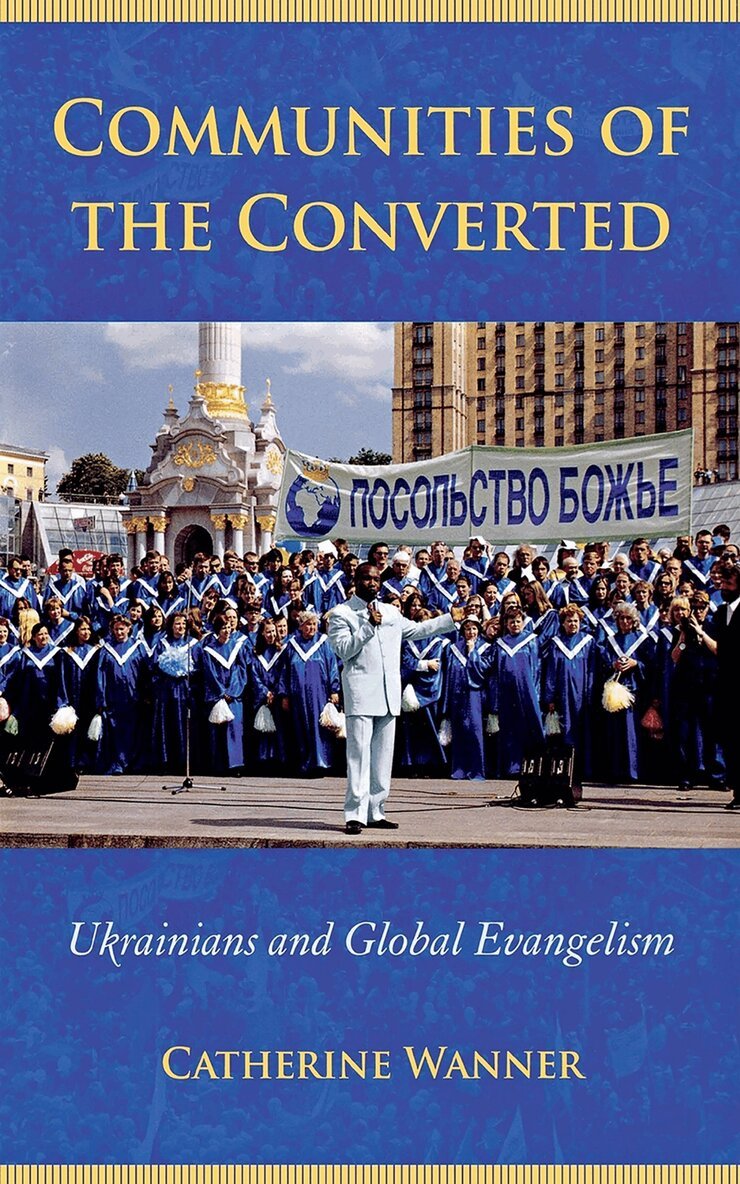
After decades of official atheism, a religious renaissance swept through much of the former Soviet Union beginning in the late 1980s. The Calvinist-like austerity and fundamentalist ethos that had evolved among sequestered and frequently persecuted Soviet evangelicals gave way to a charismatic embrace of ecstatic experience, replete with a belief in faith healing. Catherine Wanner's historically informed ethnography, the first book on evangelism in the former Soviet Union, shows how once-marginal Ukrainian evangelical communities are now thriving and growing in social and political prominence. Many Soviet evangelicals relocated to the United States after the fall of the Soviet Union, expanding the spectrum of evangelicalism in the United States and altering religious life in Ukraine. Migration has created new transnational evangelical communities that are now asserting a new public role for religion in the resolution of numerous social problems.Hundreds of American evangelical missionaries have engaged in "church planting" in Ukraine, which is today home to some of the most active and robust evangelical communities in all of Europe. Thanks to massive assistance from the West, Ukraine has become a hub for clerical and missionary training in Eurasia. Many Ukrainians travel as missionaries to Russia and throughout the former Soviet Union. In revealing the phenomenal transformation of religious life in a land once thought to be militantly godless, Wanner shows how formerly socialist countries experience evangelical revival. Communities of the Converted engages issues of migration, morality, secularization, and global evangelism, while highlighting how they have been shaped by socialism.This book is freely available in an open access edition thanks to TOME (Toward an Open Monograph Ecosystem)—a collaboration of the Association of American Universities, the Association of University Presses, and the Association of Research Libraries—and the generous support of the Pennsylvania State University. Learn more at the TOME website, available at: openmonographs.org. The open access edition is available at Cornell Open (cornellpress.cornell.edu/cornell-open) and other repositories.
366 kr
Skickas inom 10-15 vardagar
After decades of official atheism, a religious renaissance swept through much of the former Soviet Union beginning in the late 1980s. The Calvinist-like austerity and fundamentalist ethos that had evolved among sequestered and frequently persecuted Soviet evangelicals gave way to a charismatic embrace of ecstatic experience, replete with a belief in faith healing. Catherine Wanner's historically informed ethnography, the first book on evangelism in the former Soviet Union, shows how once-marginal Ukrainian evangelical communities are now thriving and growing in social and political prominence. Many Soviet evangelicals relocated to the United States after the fall of the Soviet Union, expanding the spectrum of evangelicalism in the United States and altering religious life in Ukraine. Migration has created new transnational evangelical communities that are now asserting a new public role for religion in the resolution of numerous social problems.Hundreds of American evangelical missionaries have engaged in "church planting" in Ukraine, which is today home to some of the most active and robust evangelical communities in all of Europe. Thanks to massive assistance from the West, Ukraine has become a hub for clerical and missionary training in Eurasia. Many Ukrainians travel as missionaries to Russia and throughout the former Soviet Union. In revealing the phenomenal transformation of religious life in a land once thought to be militantly godless, Wanner shows how formerly socialist countries experience evangelical revival. Communities of the Converted engages issues of migration, morality, secularization, and global evangelism, while highlighting how they have been shaped by socialism.This book is freely available in an open access edition thanks to TOME (Toward an Open Monograph Ecosystem)—a collaboration of the Association of American Universities, the Association of University Presses, and the Association of Research Libraries—and the generous support of the Pennsylvania State University. Learn more at the TOME website, available at: openmonographs.org. The open access edition is available at Cornell Open (cornellpress.cornell.edu/cornell-open) and other repositories.
575 kr
Skickas inom 10-15 vardagar
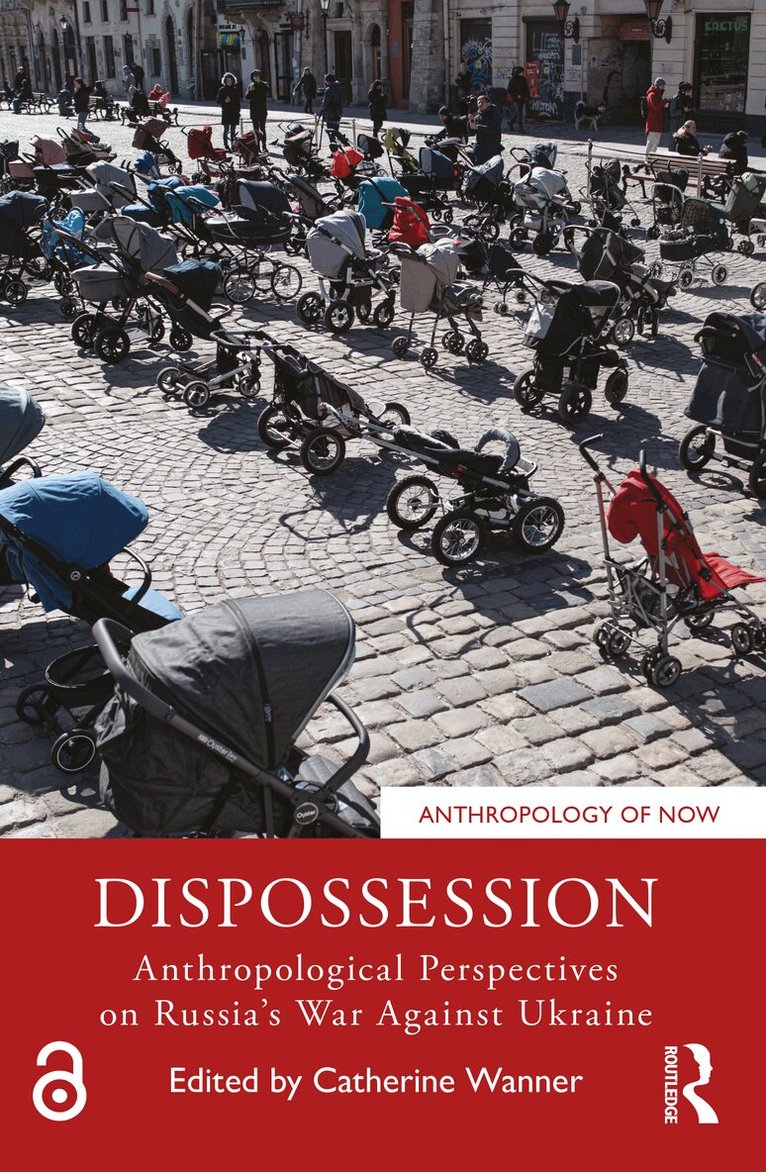
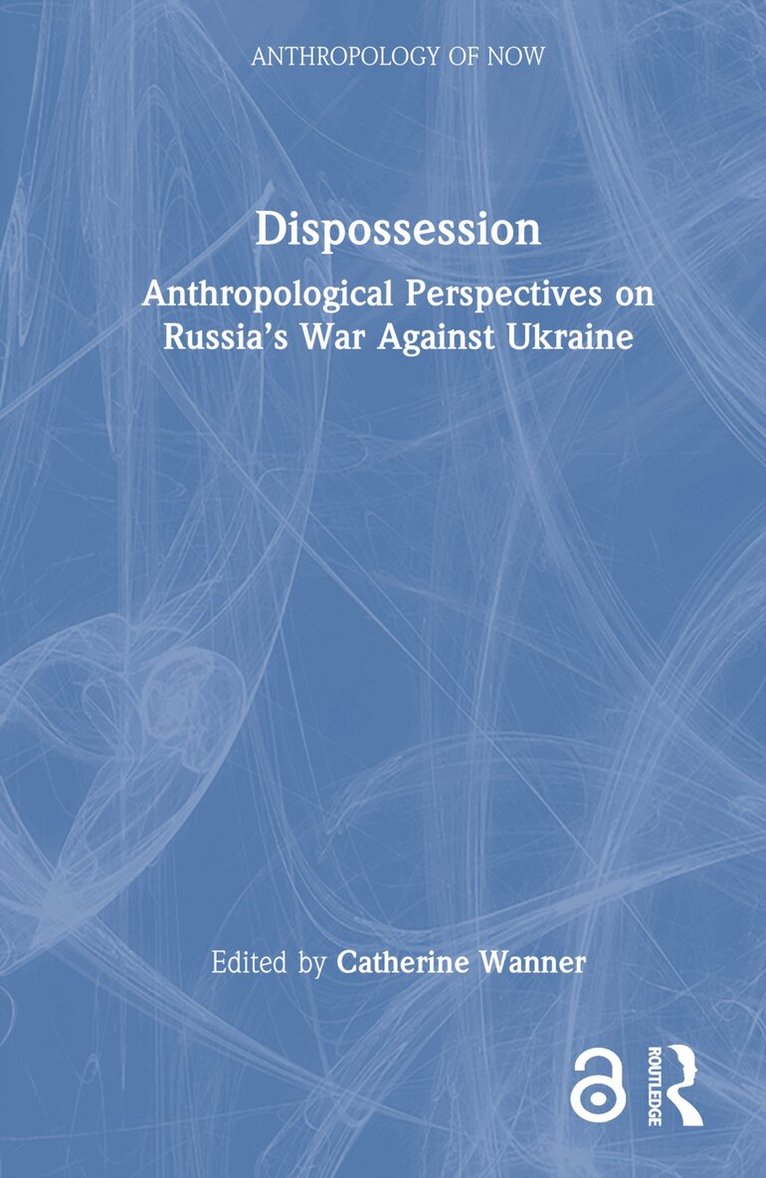
This volume examines Russia’s war on Ukraine. Scholars who have lived through the Russian invasion or who have conducted ethnographic research in the region for decades provide timely analysis of a war that will leave a lasting mark on the twenty-first century.Using the concept of dispossession, this volume showcases some of the novel ways violence operates in the Russian-Ukrainian war and the multiple means by which civilians, within the conflict zone and beyond, have become active participants in the war effort. Anthropological perspectives on war provide on-the-ground insight, historically informed analysis, and theoretical engagement to depict the experiences of dispossession by war and the motivations that drive the responses of the dispossessed. Such perspectives humanize the victims even as they depict the very inhumanity of war.Dispossession is geared towards upper-level undergraduate and graduate students, scholars, and the general reader who seeks to have a deeper understanding of the Russian-Ukrainian war as it continues to impact geopolitics more broadly.The Open Access version of this book, available at http://www.taylorfrancis.com, has been made available under a Creative Commons Attribution-Non Commercial-No Derivatives (CC-BY-NC-ND) 4.0 license.
2 166 kr
Skickas inom 10-15 vardagar
This volume examines Russia’s war on Ukraine. Scholars who have lived through the Russian invasion or who have conducted ethnographic research in the region for decades provide timely analysis of a war that will leave a lasting mark on the twenty-first century.Using the concept of dispossession, this volume showcases some of the novel ways violence operates in the Russian-Ukrainian war and the multiple means by which civilians, within the conflict zone and beyond, have become active participants in the war effort. Anthropological perspectives on war provide on-the-ground insight, historically informed analysis, and theoretical engagement to depict the experiences of dispossession by war and the motivations that drive the responses of the dispossessed. Such perspectives humanize the victims even as they depict the very inhumanity of war.Dispossession is geared towards upper-level undergraduate and graduate students, scholars, and the general reader who seeks to have a deeper understanding of the Russian-Ukrainian war as it continues to impact geopolitics more broadly.The Open Access version of this book, available at http://www.taylorfrancis.com, has been made available under a Creative Commons Attribution-Non Commercial-No Derivatives (CC-BY-NC-ND) 4.0 license.
1 551 kr
Skickas inom 10-15 vardagar
Everyday Religiosity and the Politics of Belonging in Ukraine reveals how and why religion has become a pivotal political force in a society struggling to overcome the legacy of its entangled past with Russia and chart a new future. If Ukraine is "ground zero" in the tensions between Russia and the West, religion is an arena where the consequences of conflicts between Russia and Ukraine keenly play out. Vibrant forms of everyday religiosity pave the way for religion to be weaponized and securitized to advance political agendas in Ukraine and beyond. These practices, Catherine Wanner argues, enable religiosity to be increasingly present in public spaces, public institutions, and wartime politics in a pluralist society that claims to be secular. Based on ethnographic data and interviews conducted since before the Revolution of Dignity and the outbreak of armed combat in 2014, Wanner investigates the conditions that catapulted religiosity, religious institutions, and religious leaders to the forefront of politics and geopolitics.
260 kr
Skickas inom 10-15 vardagar
Everyday Religiosity and the Politics of Belonging in Ukraine reveals how and why religion has become a pivotal political force in a society struggling to overcome the legacy of its entangled past with Russia and chart a new future. If Ukraine is "ground zero" in the tensions between Russia and the West, religion is an arena where the consequences of conflicts between Russia and Ukraine keenly play out. Vibrant forms of everyday religiosity pave the way for religion to be weaponized and securitized to advance political agendas in Ukraine and beyond. These practices, Catherine Wanner argues, enable religiosity to be increasingly present in public spaces, public institutions, and wartime politics in a pluralist society that claims to be secular. Based on ethnographic data and interviews conducted since before the Revolution of Dignity and the outbreak of armed combat in 2014, Wanner investigates the conditions that catapulted religiosity, religious institutions, and religious leaders to the forefront of politics and geopolitics.
355 kr
Skickas inom 5-8 vardagar
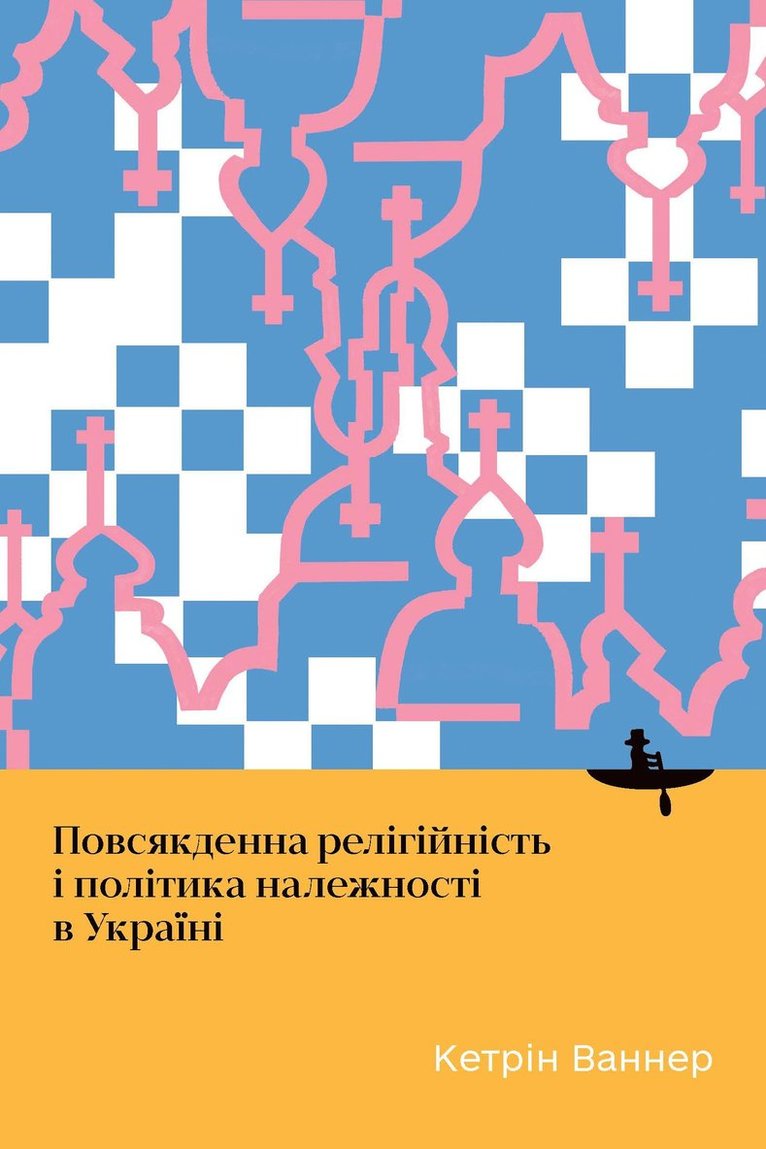
ENGEveryday Religiosity and the Politics of Belonging in Ukraine reveals how and why religion has become a pivotal political force in a society struggling to overcome the legacy of its entangled past with Russia and chart a new future. If Ukraine is "ground zero" in the tensions between Russia and the West, religion is an arena where the consequences of conflicts between Russia and Ukraine keenly play out.Vibrant forms of everyday religiosity pave the way for religion to be weaponized and securitized to advance political agendas in Ukraine and beyond. These practices, Catherine Wanner argues, enable religiosity to be increasingly present in public spaces, public institutions, and wartime politics in a pluralist society that claims to be secular.Based on ethnographic data and interviews conducted since before the Revolution of Dignity and the outbreak of armed combat in 2014, Wanner investigates the conditions that catapulted religiosity, religious institutions, and religious leaders to the forefront of politics and geopolitics.UAПовсякденна релігійність і політика належності в Україні допомагають зрозуміти, як і чому релігія стала ключовою політичною силою в суспільстві, котре намагається подолати спадщину свого минулого, пов’язаного з Росією, і окреслити нове майбутнє. Якщо Україна є епіцентром напруги між Росією та Заходом, то релігія – арена, де гостро проявляються наслідки конфліктів між Росією та Україною.Яскраві форми повсякденної релігійності сприяють вепонізації релігії для просування політичних завдань в Україні та за її межами. Ці практики, стверджує Кетрін Ваннер, дозволяють релігійності бути все більш присутньою у громадських місцях, державних установах і політиці воєнного часу в плюралістичному суспільстві, яке претендує на те, щоб бути світським.Ґрунтуючись на етнографічних даних та інтерв’ю, проведених ще до Революції Гідності та на початку збройних боїв 2014 року, Ваннер досліджує умови, які вивели релігійність, релігійні інституції та релігійних лідерів на передній план політики та геополітики.