
Chang-tai Hung - Böcker
Visar alla böcker från författaren Chang-tai Hung. Handla med fri frakt och snabb leverans.
5 produkter
5 produkter
1 121 kr
Skickas inom 3-6 vardagar
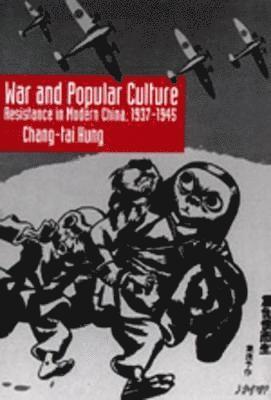
This is the first comprehensive study of popular culture in twentieth-century China, and of its political impact during the Sino-Japanese War of 1937-1945 (known in China as 'The War of Resistance against Japan'). Chang-tai Hung shows in compelling detail how Chinese resisters used a variety of popular cultural forms - especially dramas, cartoons, and newspapers - to reach out to the rural audience and galvanize support for the war cause. While the Nationalists used popular culture as a patriotic tool, the Communists refashioned it into a socialist propaganda instrument, creating lively symbols of peasant heroes and joyful images of village life under their rule. In the end, Hung argues, the Communists' use of popular culture contributed to their victory in revolution.
1 604 kr
Skickas inom 10-15 vardagar
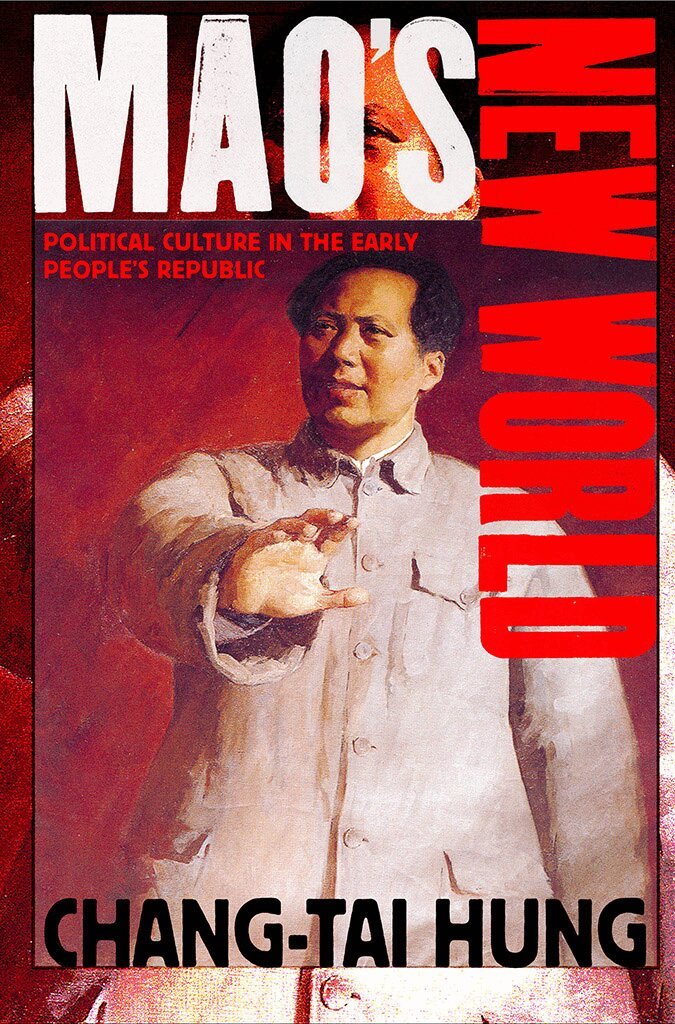
In this sweeping portrait of the political culture of the early People's Republic of China (PRC), Chang-tai Hung mines newly available sources to vividly reconstruct how the Chinese Communist Party (CCP) tightened its rule after taking power in 1949. With political-cultural projects such as reconstructing Tiananmen Square to celebrate the Communist Revolution; staging national parades; rewriting official histories; mounting a visual propaganda campaign, including oil paintings, cartoons, and New Year prints; and establishing a national cemetery for heroes of the Revolution, the CCP built up nationalistic fervor in the people and affirmed its legitimacy. These projects came under strong Soviet influence, but the nationalistic Chinese Communists sought an independent road of nation building; for example, they decided that the reconstructed Tiananmen Square should surpass Red Square in size and significance, against the advice of Soviet experts sent from Moscow.Combining historical, cultural, and anthropological inquiries, Mao's New World examines how Mao Zedong and senior Party leaders transformed the PRC into a propaganda state in the first decade of their rule (1949–1959). Using archival sources only recently made available, previously untapped government documents, visual materials, memoirs, and interviews with surviving participants in the Party's plans, Hung argues that the exploitation of new cultural forms for political ends was one of the most significant achievements of the Chinese Communist Revolution. The book features sixty-six images of architecture, monuments, and artwork to document how the CCP invented the heroic tales of the Communist Revolution.
Politics of Control
Creating Red Culture in the Early People's Republic of China
Inbunden, Engelska, 2021
876 kr
Skickas inom 7-10 vardagar
Using a unique interdisciplinary, cultural-institutional analysis, Politics of Control is the first comprehensive study of how, in the early decades of the People’s Republic of China, the Chinese Communist Party reshaped people’s minds using multiple methods of control. With newly available archival material, internal circulars, memoirs, interviews, and site visits, the book explores the fascinating world of mass media, book publishing, education, religion, parks, museums, and architecture during the formative years of the republic.When the Communists assumed power in 1949, they projected themselves as not only military victors but also as peace restorers and cultural protectors. Believing that they needed to manage culture in every arena, they created an interlocking system of agencies and regulations that was supervised at the center. Documents show, however, that there was internal conflict. Censors, introduced early at the Beijing Daily, operated under the “twofold leadership” of municipal-level editors but with final authorization from the Communist Party Propaganda Department. Politics of Control looks behind the office doors, where the ideological split between Party chairman Mao Zedong and head of state Liu Shaoqi made pragmatic editors bite their pencil erasers and hope for the best. Book publishing followed a similar multi-tier system, preventing undesirable texts from getting into the hands of the public.In addition to designing a plan to nurture a new generation of Chinese revolutionaries, the party-state developed community centers that served as cultural propaganda stations. New urban parks were used to stage political rallies for major campaigns and public trials where threatening sects could be attacked. A fascinating part of the story is the way in which architecture and museums were used to promote ethnic unity under the Chinese party-state umbrella. Besides revealing how interlocking systems resulted in a pervasive method of control, Politics of Control also examines how this system was influenced by the Soviet Union and how, nevertheless, Chinese nationalism always took precedence. Chang-tai Hung convincingly argues that the PRC’s formative period defined the nature of the Communist regime and its future development. The methods of cultural control have changed over time, but many continue to have relevance today.
Politics of Control
Creating Red Culture in the Early People's Republic of China
Häftad, Engelska, 2021
292 kr
Skickas inom 7-10 vardagar
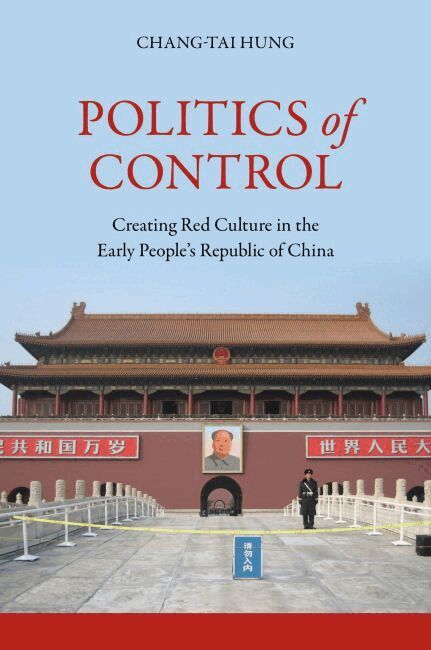
Using a unique interdisciplinary, cultural-institutional analysis, Politics of Control is the first comprehensive study of how, in the early decades of the People’s Republic of China, the Chinese Communist Party reshaped people’s minds using multiple methods of control. With newly available archival material, internal circulars, memoirs, interviews, and site visits, the book explores the fascinating world of mass media, book publishing, education, religion, parks, museums, and architecture during the formative years of the republic.When the Communists assumed power in 1949, they projected themselves as not only military victors but also as peace restorers and cultural protectors. Believing that they needed to manage culture in every arena, they created an interlocking system of agencies and regulations that was supervised at the center. Documents show, however, that there was internal conflict. Censors, introduced early at the Beijing Daily, operated under the "twofold leadership" of municipal-level editors but with final authorization from the Communist Party Propaganda Department. Politics of Control looks behind the office doors, where the ideological split between Party chairman Mao Zedong and head of state Liu Shaoqi made pragmatic editors bite their pencil erasers and hope for the best. Book publishing followed a similar multi-tier system, preventing undesirable texts from getting into the hands of the public.In addition to designing a plan to nurture a new generation of Chinese revolutionaries, the party-state developed community centers that served as cultural propaganda stations. New urban parks were used to stage political rallies for major campaigns and public trials where threatening sects could be attacked. A fascinating part of the story is the way in which architecture and museums were used to promote ethnic unity under the Chinese party-state umbrella. Besides revealing how interlocking systems resulted in a pervasive method of control, Politics of Control also examines how this system was influenced by the Soviet Union and how, nevertheless, Chinese nationalism always took precedence. Chang-tai Hung convincingly argues that the PRC’s formative period defined the nature of the Communist regime and its future development. The methods of cultural control have changed over time, but many continue to have relevance today.
324 kr
Skickas inom 10-15 vardagar
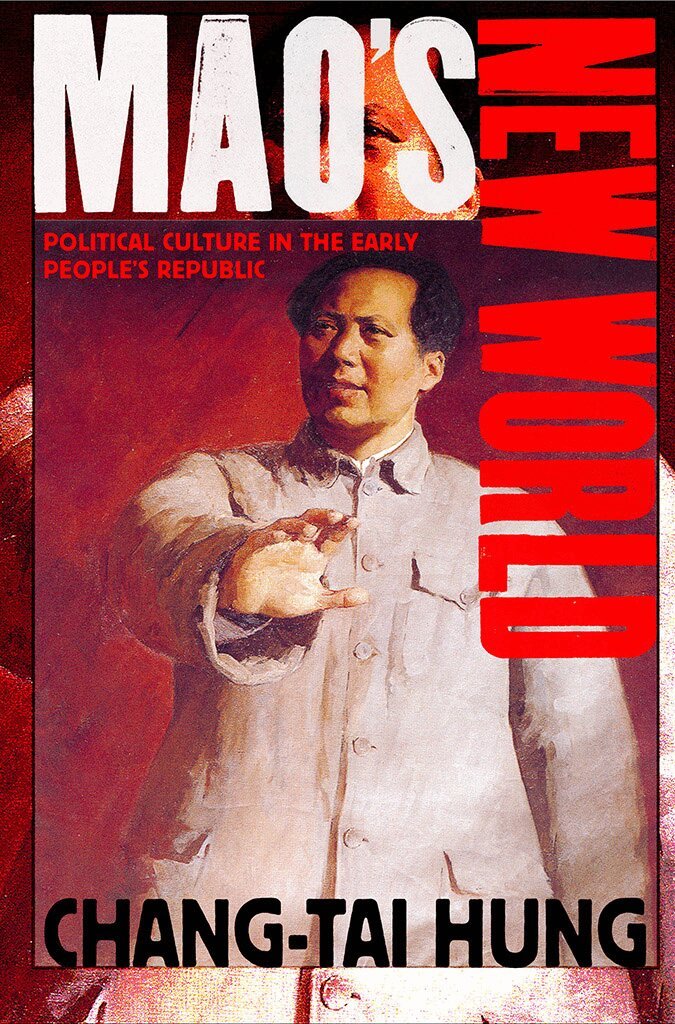
In this sweeping portrait of the political culture of the early People's Republic of China (PRC), Chang-tai Hung mines newly available sources to vividly reconstruct how the Chinese Communist Party (CCP) tightened its rule after taking power in 1949. With political-cultural projects such as reconstructing Tiananmen Square to celebrate the Communist Revolution; staging national parades; rewriting official histories; mounting a visual propaganda campaign, including oil paintings, cartoons, and New Year prints; and establishing a national cemetery for heroes of the Revolution, the CCP built up nationalistic fervor in the people and affirmed its legitimacy. These projects came under strong Soviet influence, but the nationalistic Chinese Communists sought an independent road of nation building; for example, they decided that the reconstructed Tiananmen Square should surpass Red Square in size and significance, against the advice of Soviet experts sent from Moscow.Combining historical, cultural, and anthropological inquiries, Mao's New World examines how Mao Zedong and senior Party leaders transformed the PRC into a propaganda state in the first decade of their rule (1949–1959). Using archival sources only recently made available, previously untapped government documents, visual materials, memoirs, and interviews with surviving participants in the Party's plans, Hung argues that the exploitation of new cultural forms for political ends was one of the most significant achievements of the Chinese Communist Revolution. The book features sixty-six images of architecture, monuments, and artwork to document how the CCP invented the heroic tales of the Communist Revolution.