Charles D. Chamberlain - Böcker
Visar alla böcker från författaren Charles D. Chamberlain. Handla med fri frakt och snabb leverans.
3 produkter
3 produkter
372 kr
Skickas inom 7-10 vardagar
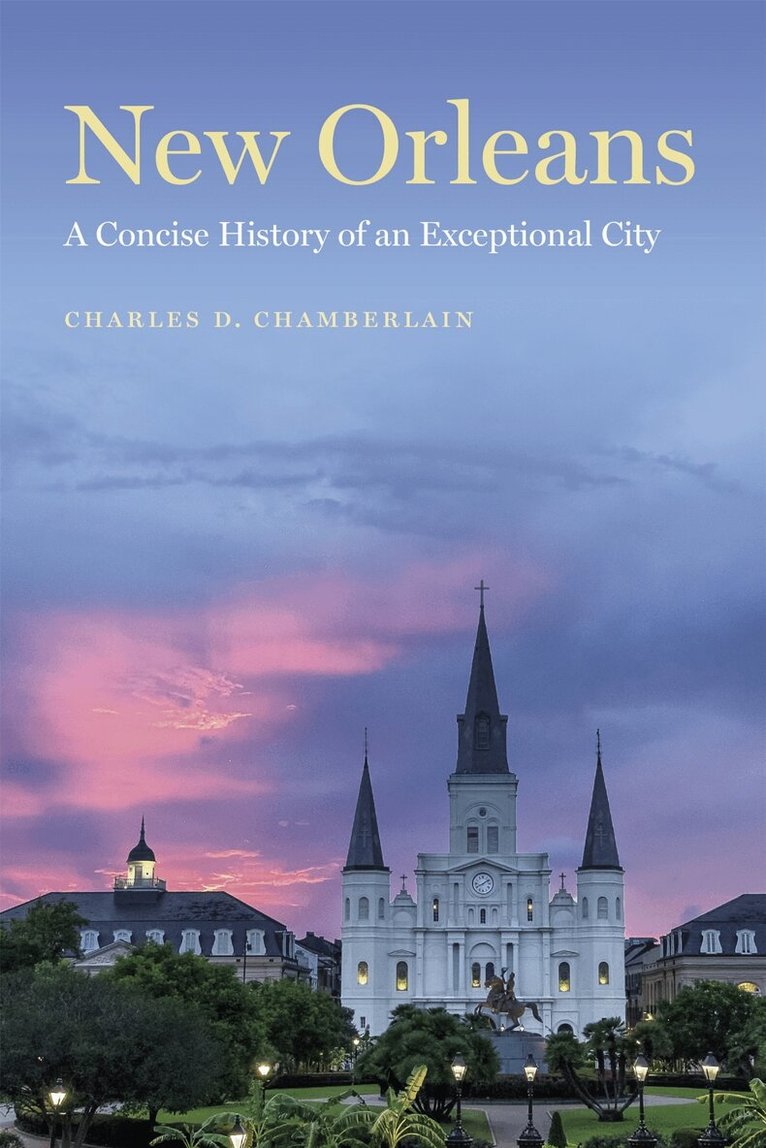
Intended for general readers, Charles D. Chamberlain's New Orleans: A Concise History of an Exceptional City offers a broad, reliable overview of the city's history. Although many excellent books are available that focus on specific eras in the Crescent City, this book is the first fully inclusive scholarly history that is engaging and easy to follow. In addition to a general historical narrative, each chapter provides a list of relevant historical sites and a carefully selected recipe to make the city's history come to life through site visits and culinary pursuits. Chamberlain encourages readers to experience the spirit of New Orleans first-hand by exploring its landscape and interacting with its cuisine. New Orleans: A Concise History of an Exceptional City is a trusty reference for tour guides and a valuable, interactive resource for general readers interested in the fascinating history of one of America's most unique cities.
502 kr
Skickas inom 5-8 vardagar
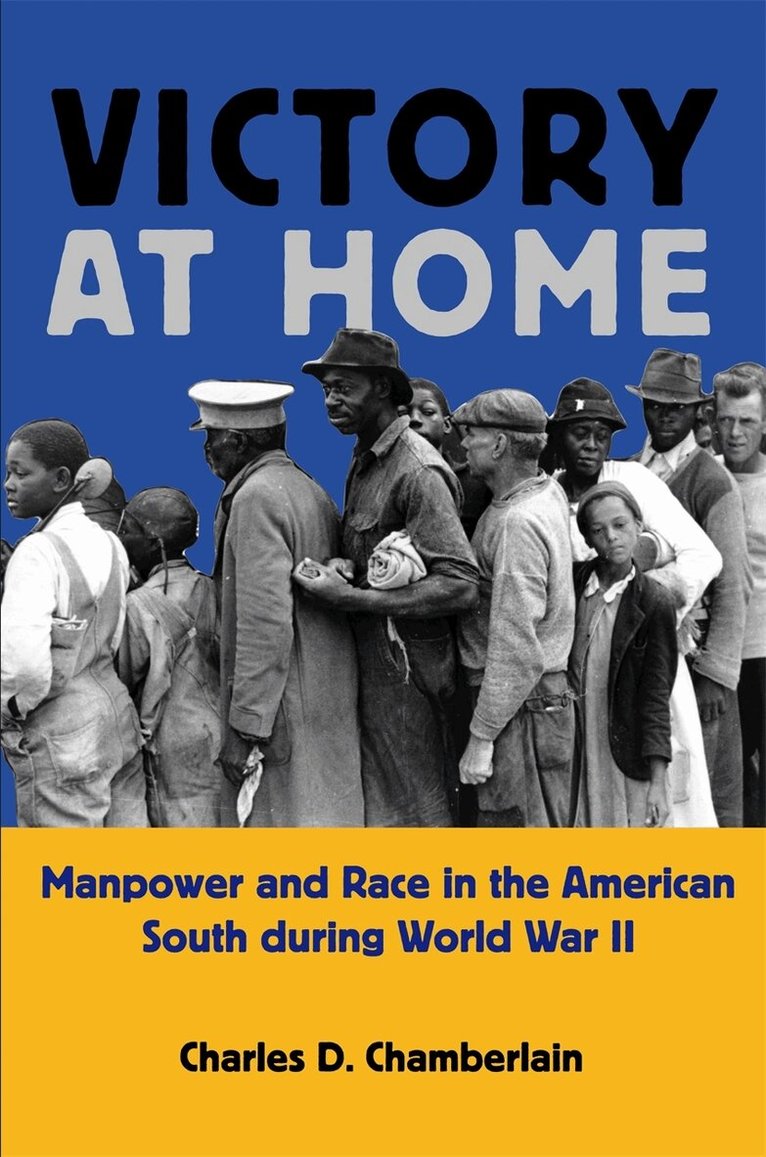
Victory at Home is at once an institutional history of the federal War Manpower Commission and a social history of the southern labor force within the commission's province. Charles D. Chamberlain explores how southern working families used America's rapid wartime industrialization and an expanded federal presence to gain unprecedented economic, social, and geographic mobility in the chronically poor region.Chamberlain looks at how war workers, black leaders, white southern elites, liberal New Dealers, nonsouthern industrialists, and others used and shaped the federal war mobilization effort to fill their own needs. He shows, for instance, how African American, Latino, and white laborers worked variously through churches, labor unions, federal agencies, the NAACP, and the Urban League, using a wide variety of strategies from union organizing and direct action protest to job shopping and migration. Throughout, Chamberlain is careful not to portray the southern wartime labor scene in monolithic terms. He discusses, for instance, conflicts between racial groups within labor unions and shortfalls between the War Manpower Commission's national directives and their local implementation.An important new work in southern economic and industrial history, Victory at Home also has implications for the prehistory of both the civil rights revolution and the massive resistance movement of the 1960s. As Chamberlain makes clear, African American workers used the coalition of unions, churches, and civil rights organizations built up during the war to challenge segregation and disenfranchisement in the postwar South.
1 395 kr
Skickas inom 5-8 vardagar
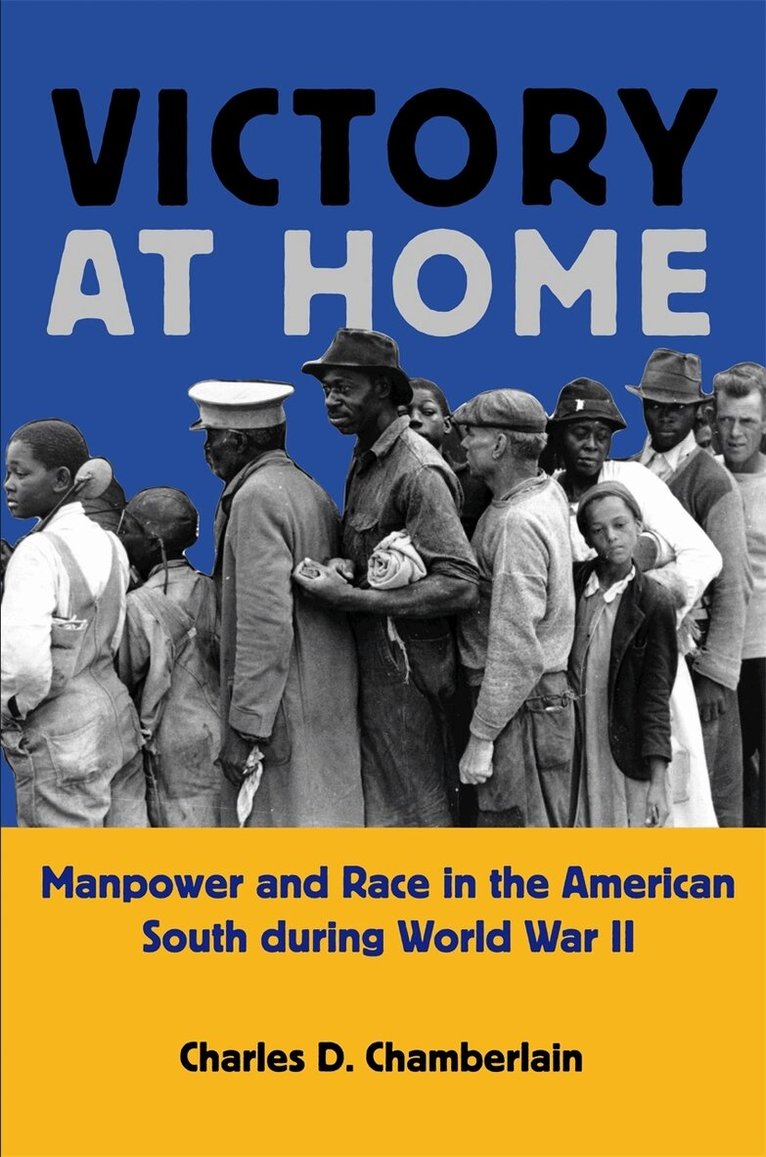
Victory at Home is at once an institutional history of the federal War Manpower Commission and a social history of the southern labor force within the commission's province. Charles D. Chamberlain explores how southern working families used America's rapid wartime industrialization and an expanded federal presence to gain unprecedented economic, social, and geographic mobility in the chronically poor region.Chamberlain looks at how war workers, black leaders, white southern elites, liberal New Dealers, nonsouthern industrialists, and others used and shaped the federal war mobilization effort to fill their own needs. He shows, for instance, how African American, Latino, and white laborers worked variously through churches, labor unions, federal agencies, the NAACP, and the Urban League, using a wide variety of strategies from union organizing and direct action protest to job shopping and migration. Throughout, Chamberlain is careful not to portray the southern wartime labor scene in monolithic terms. He discusses, for instance, conflicts between racial groups within labor unions and shortfalls between the War Manpower Commission's national directives and their local implementation.An important new work in southern economic and industrial history, Victory at Home also has implications for the prehistory of both the civil rights revolution and the massive resistance movement of the 1960s. As Chamberlain makes clear, African American workers used the coalition of unions, churches, and civil rights organizations built up during the war to challenge segregation and disenfranchisement in the postwar South.