Charles Dorn - Böcker
Visar alla böcker från författaren Charles Dorn. Handla med fri frakt och snabb leverans.
5 produkter
5 produkter
763 kr
Skickas inom 7-10 vardagar
Should schools attempt to cultivate patriotism? If so, why? And what conception of patriotism should drive those efforts? Is patriotism essential to preserving national unity, sustaining vigorous commitment to just institutions, or motivating national service? Are the hazards of patriotism so great as to overshadow its potential benefits? Is there a genuinely virtuous form of patriotism that societies and schools should strive to cultivate? In Patriotic Education in a Global Age, philosopher Randall Curren and historian Charles Dorn address these questions as they seek to understand what role patriotism might legitimately play in schools as an aspect of civic education. They trace the aims and rationales that have guided the inculcation of patriotism in American schools over the years, the methods by which schools have sought to cultivate patriotism, and the conceptions of patriotism at work in those aims, rationales, and methods. They then examine what those conceptions mean for justice, education, and human flourishing. Though the history of attempts to cultivate patriotism in schools offers both positive and cautionary lessons, Curren and Dorn ultimately argue that a civic education organized around three components of civic virtue—intelligence, friendship, and competence—and an inclusive and enabling school community can contribute to the development of a virtuous form of patriotism that is compatible with equal citizenship, reasoned dissent, global justice, and devotion to the health of democratic institutions and the natural environment. Patriotic Education in a Global Age mounts a spirited defense of democratic institutions as it situates an understanding of patriotism in the context of nationalist, populist, and authoritarian movements in the United States and Europe, and will be of interest to anyone concerned about polarization in public life and the future of democracy.
389 kr
Skickas inom 3-6 vardagar
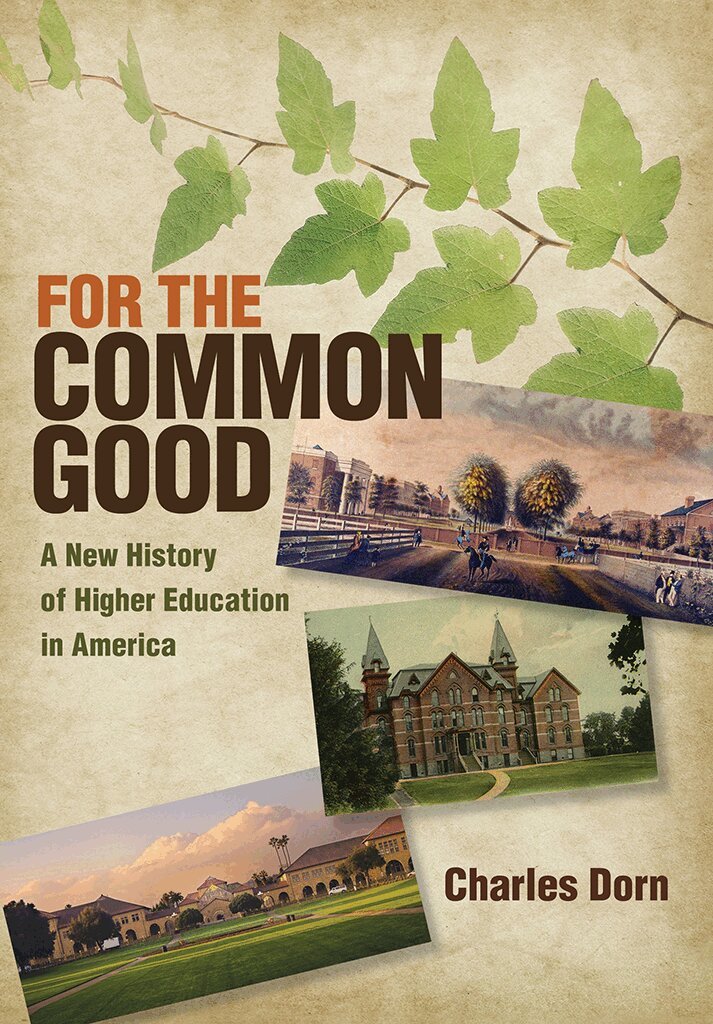
Are colleges and universities in a period of unprecedented disruption? Is a bachelor's degree still worth the investment? Are the humanities coming to an end? What, exactly, is higher education good for?In For the Common Good, Charles Dorn challenges the rhetoric of America's so-called crisis in higher education by investigating two centuries of college and university history. From the community college to the elite research university—in states from California to Maine—Dorn engages a fundamental question confronted by higher education institutions ever since the nation's founding: Do colleges and universities contribute to the common good?Tracking changes in the prevailing social ethos between the late eighteenth and early twenty-first centuries, Dorn illustrates the ways in which civic-mindedness, practicality, commercialism, and affluence influenced higher education's dedication to the public good. Each ethos, long a part of American history and tradition, came to predominate over the others during one of the four chronological periods examined in the book, informing the character of institutional debates and telling the definitive story of its time. For the Common Good demonstrates how two hundred years of political, economic, and social change prompted transformation among colleges and universities—including the establishment of entirely new kinds of institutions—and refashioned higher education in the United States over time in essential and often vibrant ways.
268 kr
Skickas inom 10-15 vardagar
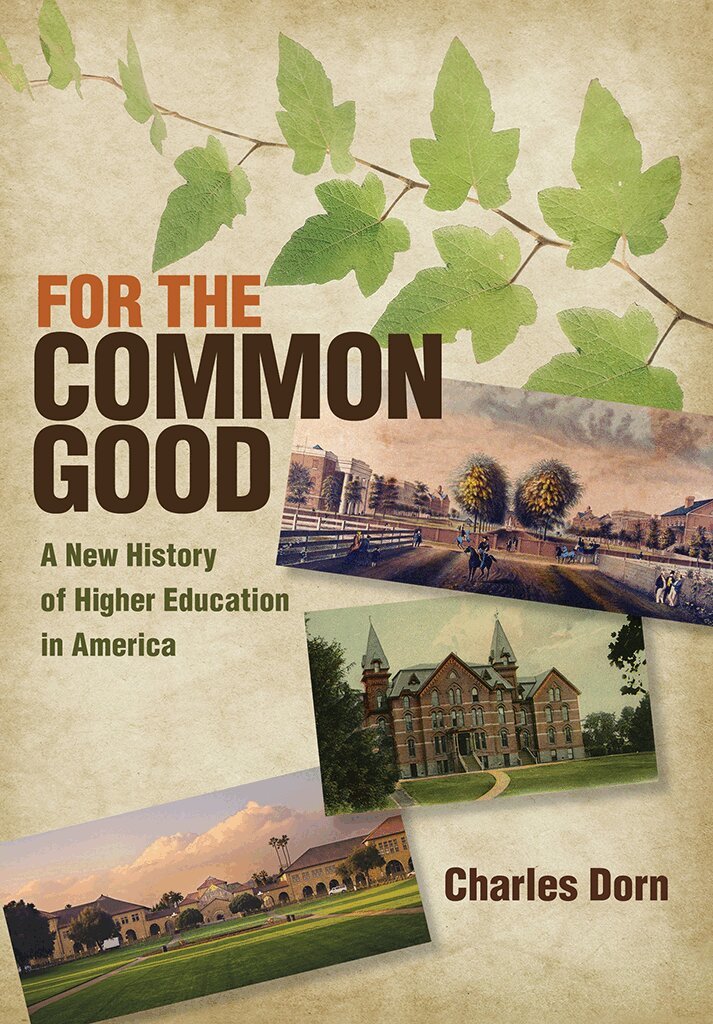
Are colleges and universities in a period of unprecedented disruption? Is a bachelor's degree still worth the investment? Are the humanities coming to an end? What, exactly, is higher education good for?In For the Common Good, Charles Dorn challenges the rhetoric of America's so-called crisis in higher education by investigating two centuries of college and university history. From the community college to the elite research university—in states from California to Maine—Dorn engages a fundamental question confronted by higher education institutions ever since the nation's founding: Do colleges and universities contribute to the common good?Tracking changes in the prevailing social ethos between the late eighteenth and early twenty-first centuries, Dorn illustrates the ways in which civic-mindedness, practicality, commercialism, and affluence influenced higher education's dedication to the public good. Each ethos, long a part of American history and tradition, came to predominate over the others during one of the four chronological periods examined in the book, informing the character of institutional debates and telling the definitive story of its time. For the Common Good demonstrates how two hundred years of political, economic, and social change prompted transformation among colleges and universities—including the establishment of entirely new kinds of institutions—and refashioned higher education in the United States over time in essential and often vibrant ways.
Art Education in a Climate of Reform
The Need for Measurable Goals in Art Instruction
Inbunden, Engelska, 2008
1 245 kr
Skickas inom 10-15 vardagar
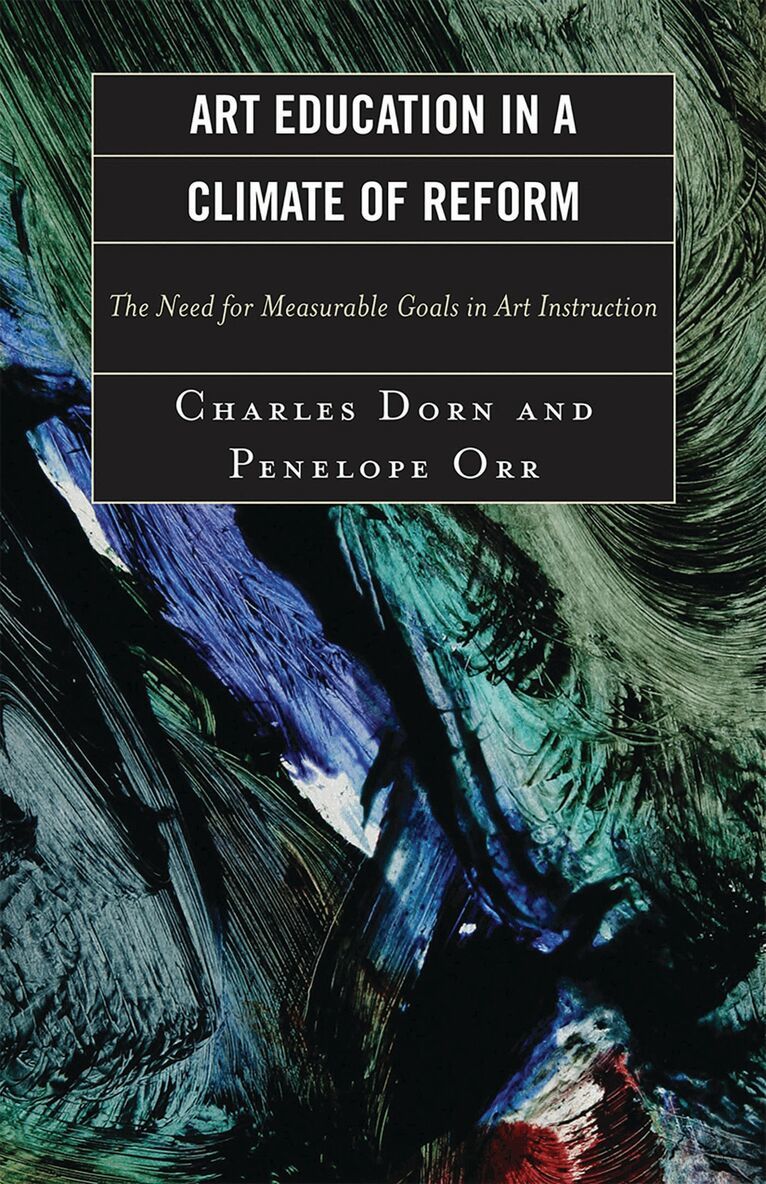
Agreeing on what the major goals of art education should be is critically important, especially in an era of national school reform and accountability. The need to be accountable and to provide data that supports that accountability is clearly evident, although not always provided by art teachers in today's schools. Without clear and measurable goals, art education cannot be made accountable in today's reform climate.This book first analyses the changes in the social context of art and how these changes have impacted K-12 and university-level education. The changes described, plus the current culture of accountability, have led many arts educators to question the goal or message of arts-based curriculum. The authors reaffirm art's place in education by describing it as not just a discipline or form, but an idea, even a language. Finally, it is contended that art is a social enterprise essential to a complete education.
Art Education in a Climate of Reform
The Need for Measurable Goals in Art Instruction
Häftad, Engelska, 2008
612 kr
Skickas inom 10-15 vardagar
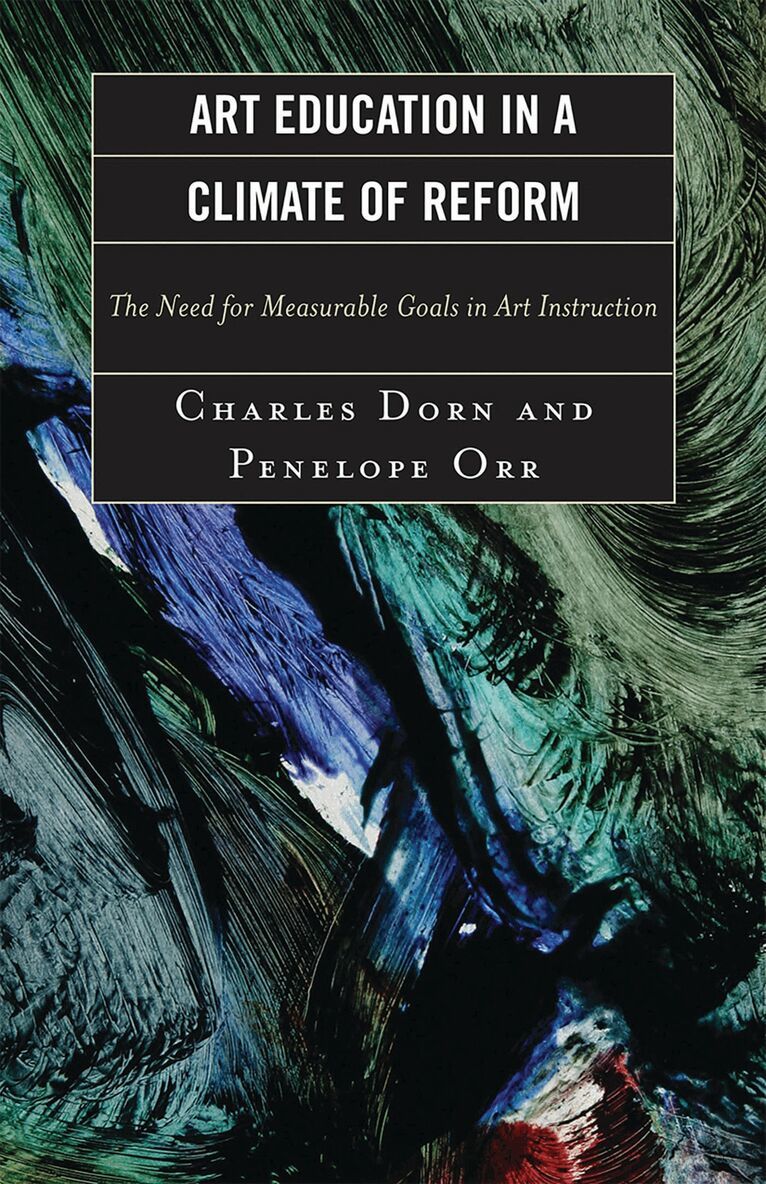
Agreeing on what the major goals of art education should be is critically important, especially in an era of national school reform and accountability. The need to be accountable and to provide data that supports that accountability is clearly evident, although not always provided by art teachers in today's schools. Without clear and measurable goals, art education cannot be made accountable in today's reform climate.This book first analyses the changes in the social context of art and how these changes have impacted K-12 and university-level education. The changes described, plus the current culture of accountability, have led many arts educators to question the goal or message of arts-based curriculum. The authors reaffirm art's place in education by describing it as not just a discipline or form, but an idea, even a language. Finally, it is contended that art is a social enterprise essential to a complete education.