Charles J. Halperin – författare
Visar alla böcker från författaren Charles J. Halperin. Handla med fri frakt och snabb leverans.
5 produkter
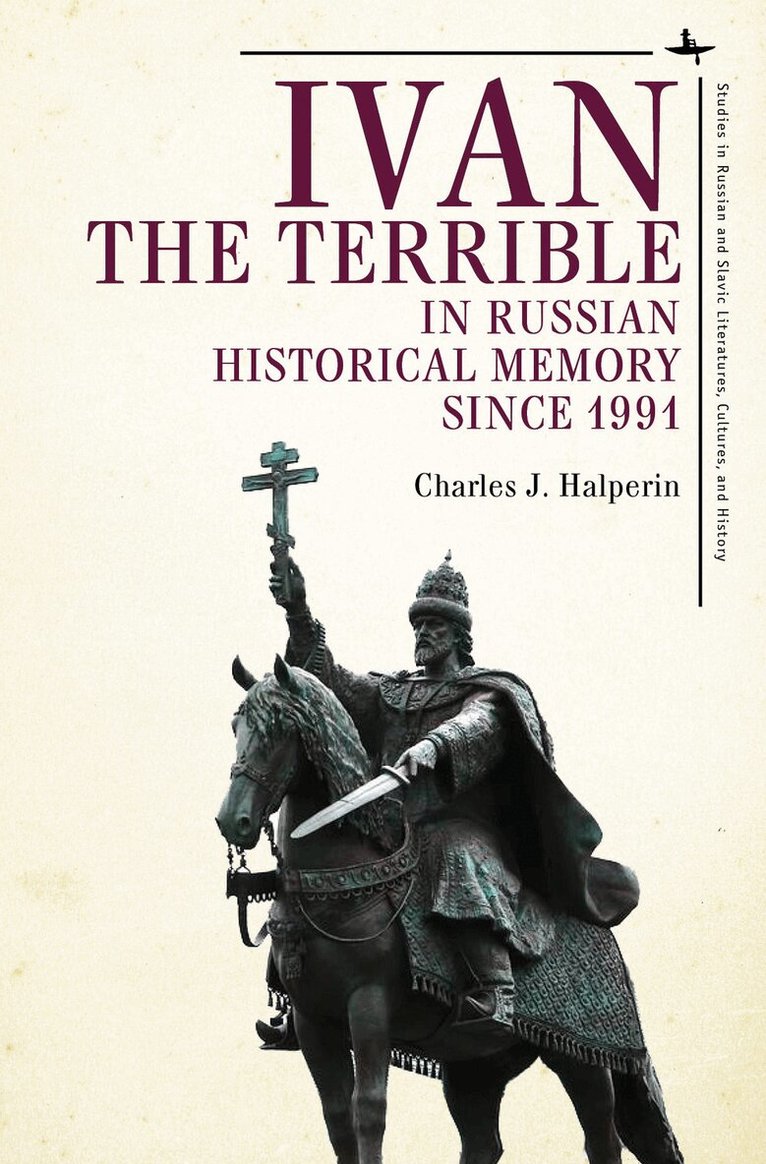
Ivan the Terrible in Russian Historical Memory since 1991
Inbunden, 2021
1129 kr
Lägg i varukorg
Tsar Ivan the Terrible (Ivan IV, 1533-1584) is one of the most controversial rulers in Russian history, infamous for his cruelty. He was the first Russian ruler to use mass terror as a political instrument, and the only Russian ruler to do so before Stalin. Comparisons of Ivan to Stalin only …
Ivan the Terrible in Russian Historical Memory since 1991
E-bok, 2021
2853 kr
Lägg i varukorg
Tsar Ivan the Terrible (Ivan IV, 1533-1584) is one of the most controversial rulers in Russian history, infamous for his cruelty. He was the first Russian ruler to use mass terror as a political instrument, and the only Russian ruler to do so before Stalin. Comparisons of Ivan to Stalin only …
Ivan the Terrible in Russian Historical Memory since 1991
E-bok, 2021
2657 kr
Lägg i varukorg
Tsar Ivan the Terrible (Ivan IV, 1533-1584) is one of the most controversial rulers in Russian history, infamous for his cruelty. He was the first Russian ruler to use mass terror as a political instrument, and the only Russian ruler to do so before Stalin. Comparisons of Ivan to Stalin only …
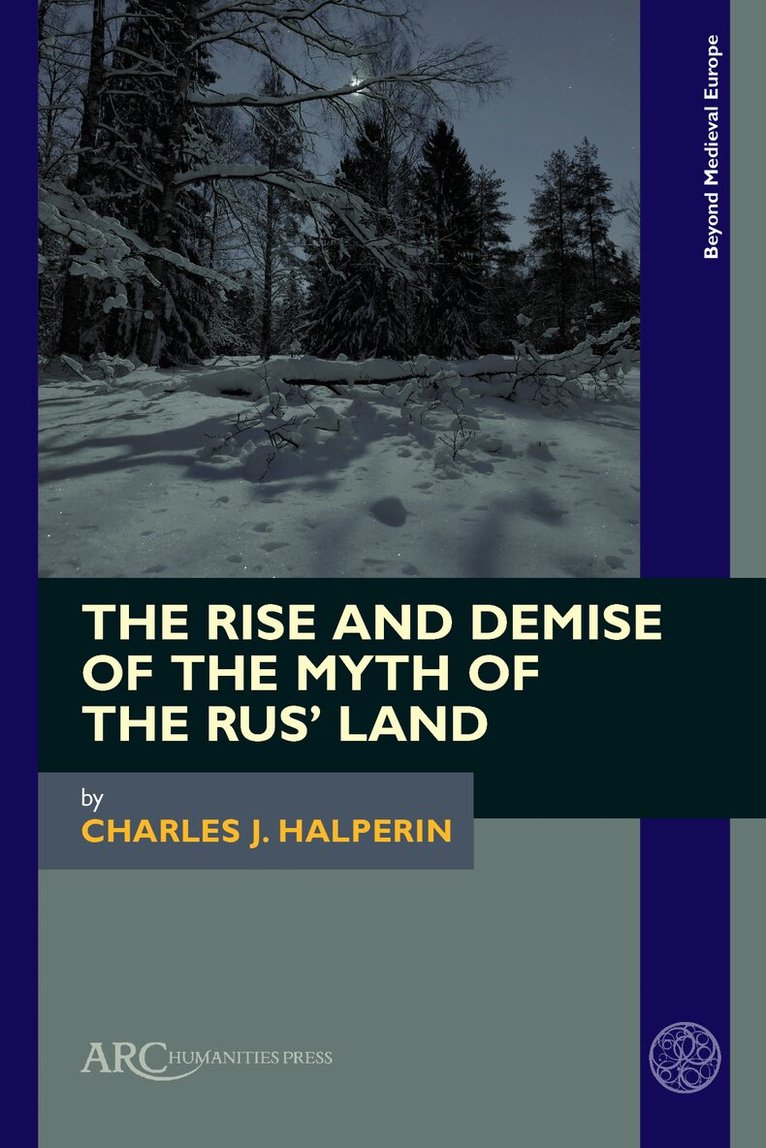
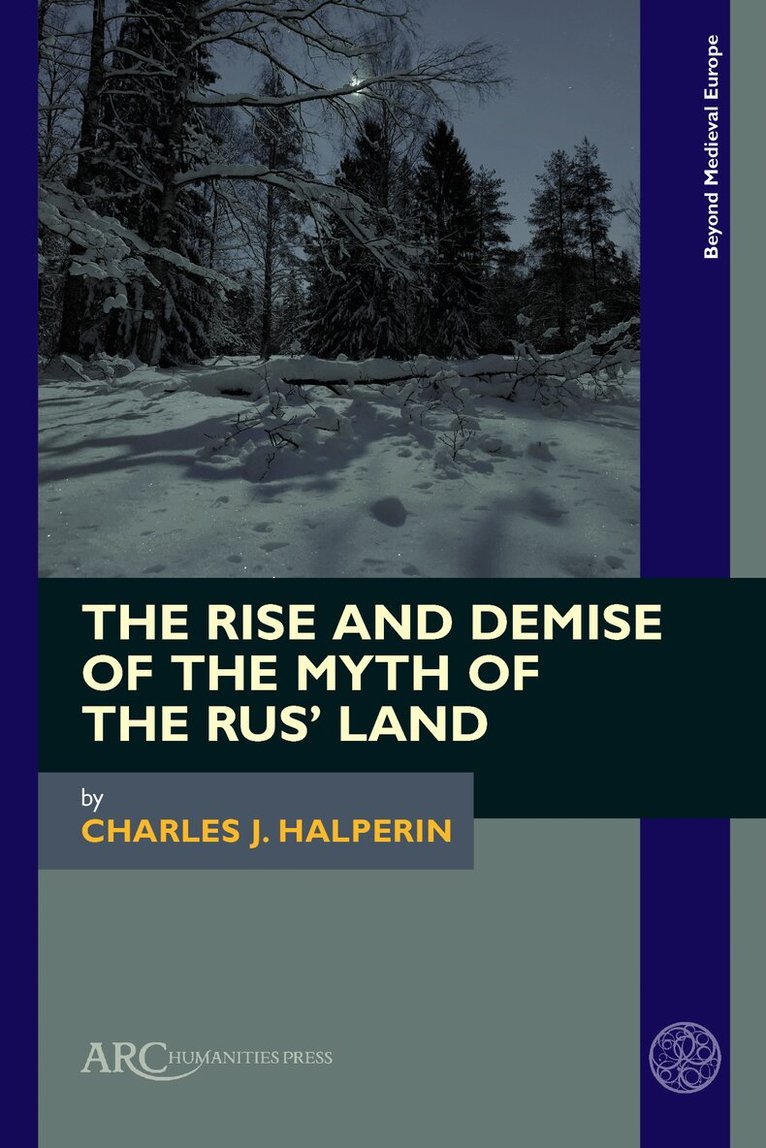
Rise and Demise of the Myth of the Rus’ Land
Inbunden, 2022
1581 kr
Lägg i varukorg
The concept of the Rus’ Land (russkaia zemlia) became and remained an historical myth of modern Russian nationalism as the equivalent of “Russia,” but it was actually a political myth, manipulated to provide legitimacy. Its meaning was dynastic—territories ruled by a member of the …
Rise and Demise of the Myth of the Rus’ Land
Häftad, 2023
471 kr
Lägg i varukorg
The concept of the Rus’ Land (russkaia zemlia) became and remained an historical myth of modern Russian nationalism as the equivalent of “Russia,” but it was actually a political myth, manipulated to provide legitimacy. Its meaning was dynastic—territories ruled by a member of the …