
Charles K.S. Wu – författare
Visar alla böcker från författaren Charles K.S. Wu. Handla med fri frakt och snabb leverans.
2 produkter
2 produkter
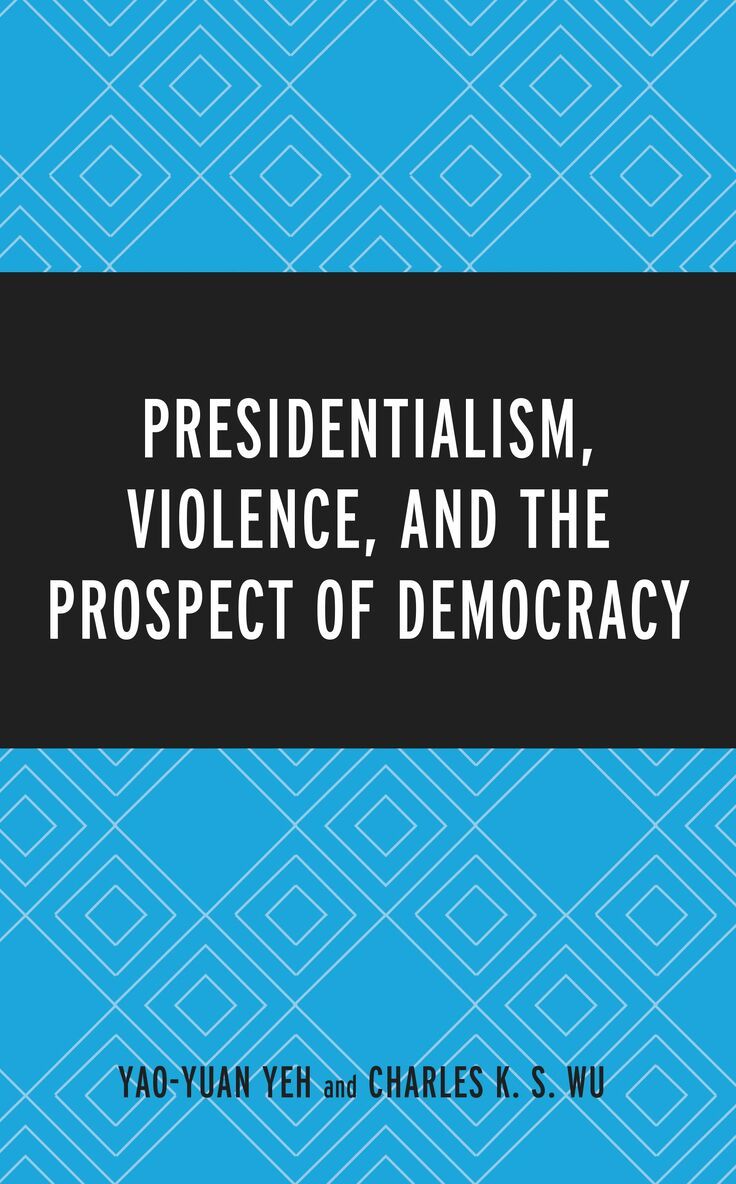
Inbunden, Engelska, 2021
1 090 kr
Skickas inom 10-15 vardagar
Presidentialism, Violence, and the Prospect of Democracy tackles the perennial debate about whether presidentialism is associated with democratic breakdown. Yao-Yuan Yeh and Charles K. S. Wu integrate both institutional and behavioral arguments to discuss how institutional rigidity in changing executive power would stimulate citizens to adopt relatively violent means to address their grievances, leading to democratic crises. This book finds presidential democracies are more likely to encounter crises than either parliamentary or semi-presidential systems. However, once a crisis occurs, presidentialism does not trigger a higher likelihood of a breakdown. The conventional wisdom is thus only half correct.
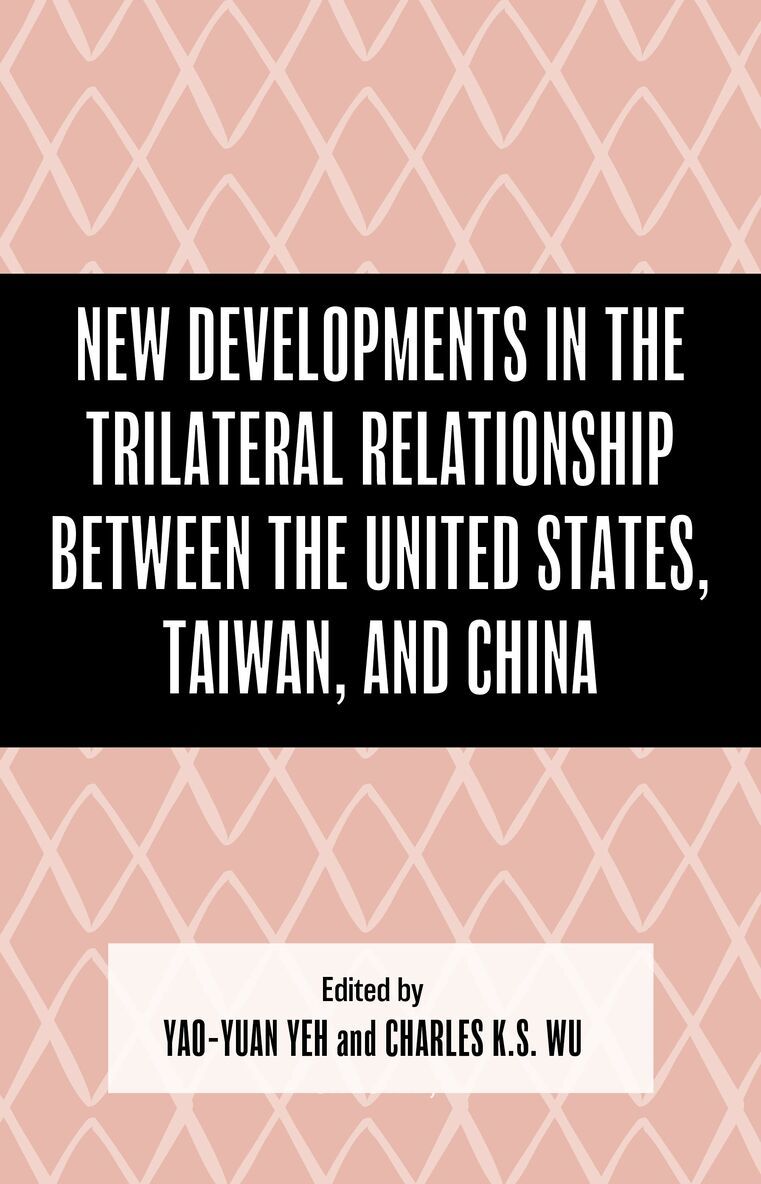
Inbunden, Engelska, 2025
1 102 kr
Skickas inom 10-15 vardagar
Taiwan has become a new flashpoint in Sino-U.S. relations in recent years. The nation just concluded its presidential and legislative elections in January 2024. The incumbent Democratic Progressive Party (DPP) won a pyrrhic victory—with DPP keeping the presidential seat but losing the majority in Taiwan’s Legislative Yuan (Congress). The political status of Taiwan is one of the few, if not the only, issues that have won bipartisan support. New Developments in the Trilateral Relationship between the United States, Taiwan, and China analyzes the three-way relationship and raises numerous questions that are urgently awaiting answers. The book advances our understanding of some of the pressing issues in this relationship. These questions include, but are not limited to: how does the U.S. public view the trade war against China? How do they perceive China in general? What extent could the Indo-Pacific Economic Framework for Prosperity (IPEF) support U.S. economic competition with China? As for Taiwan, to what scope do China’s campaigns infiltrate and influence political attitudes? Considering its geographic proximity to Taiwan, how does the immigration from Hong Kong influence Taiwan?