Charles M. Hudson – författare
Visar alla böcker från författaren Charles M. Hudson. Handla med fri frakt och snabb leverans.
12 produkter
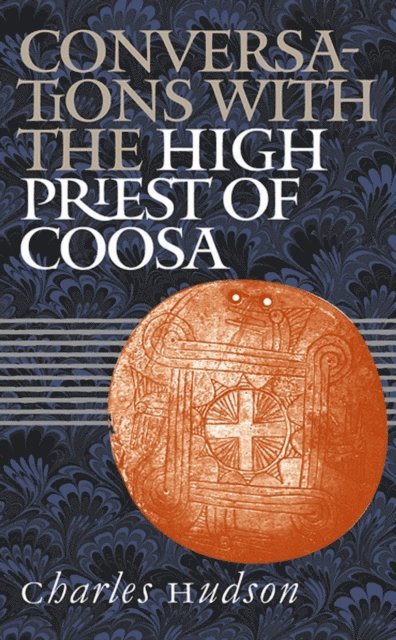
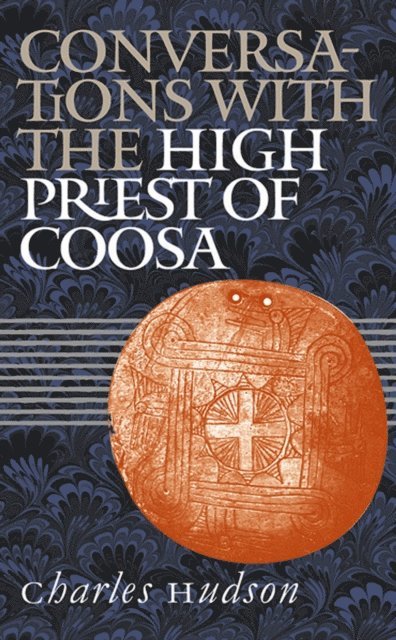
Conversations with the High Priest of Coosa
Häftad, 2003
457 kr
Lägg i varukorg
This book begins where the reach of archaeology and history ends, writes Charles Hudson. Grounded in careful research, his extraordinary work imaginatively brings to life the sixteenth-century world of the Coosa, a native people whose territory stretched across the Southeast, encompassing much of …
Conversations with the High Priest of Coosa
E-bok, 2009
464 kr
Lägg i varukorg
This book begins where the reach of archaeology and history ends," writes Charles Hudson. Grounded in careful research, his extraordinary work imaginatively brings to life the sixteenth-century world of the Coosa, a native people whose territory stretched across the Southeast, encompassing much of …
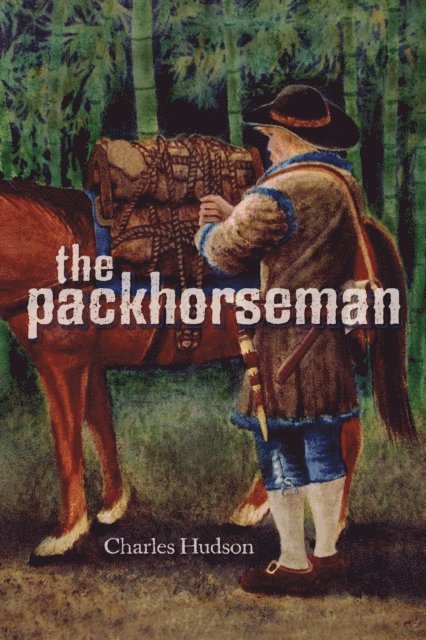
The Packhorseman
Inbunden, 2009
410 kr
Lägg i varukorg
In April 1735, twenty-year-old William MacGregor, possessing little more than a bottle of Scotch whiskey and a set of Shakespeare’s plays, arrives in Charles Town, South Carolina, to make his fortune in the New World. The Scottish Highlands, while dear to his heart, were in steep economic decline …
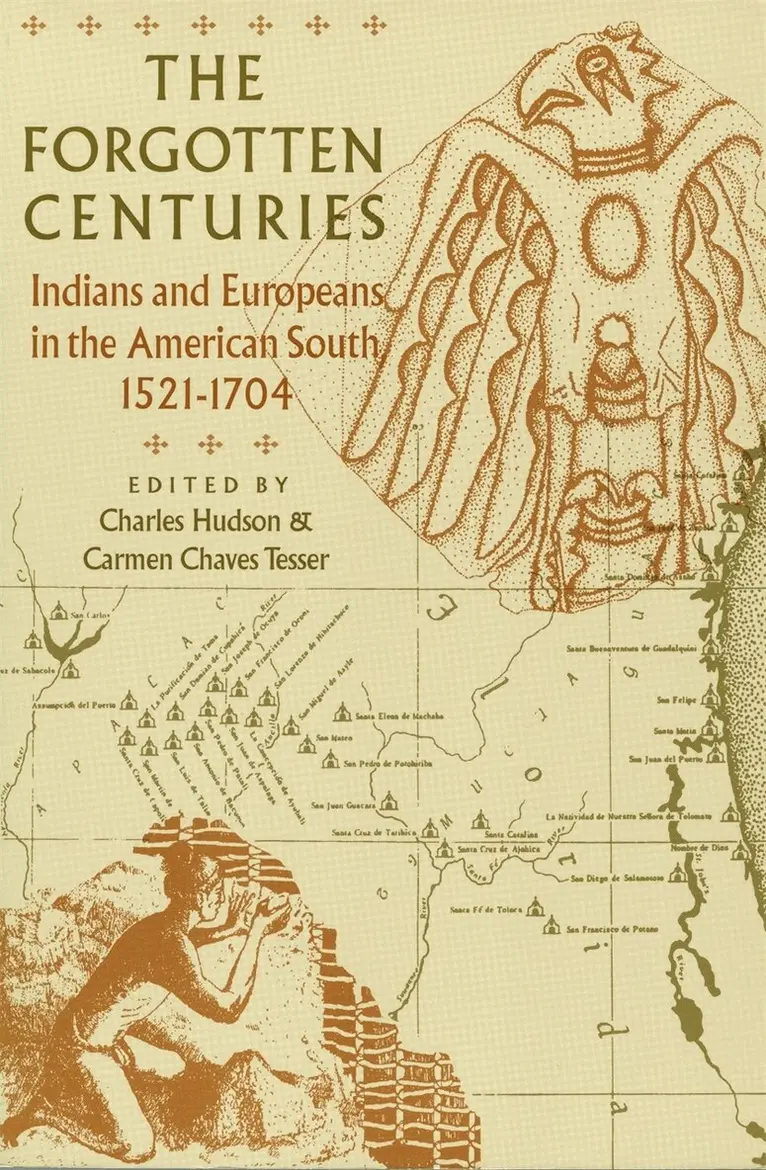
Forgotten Centuries
Indians and Europeans in the American South, 1521-1704
Av Carmen Chaves Tesser, Charles M. Hudson
Häftad, 1994
619 kr
Lägg i varukorg
The Forgotten Centuries draws together seventeen essays in which historians, archaeologists, and anthropologists attempt for the first time to account for approximately two centuries that are virtually missing from the history of a large portion of the American South.Using the chronicles of the …
Black Drink
A Native American Tea
Häftad, 2004
414 kr
Lägg i varukorg
Until its use declined in the nineteenth century, Indians of the southeastern United States were devoted to a caffeinated beverage commonly known as black drink. Brewed from the parched leaves of the yaupon holly (Ilex vomitoria), black drink was used socially and ceremonially. In certain ritual …
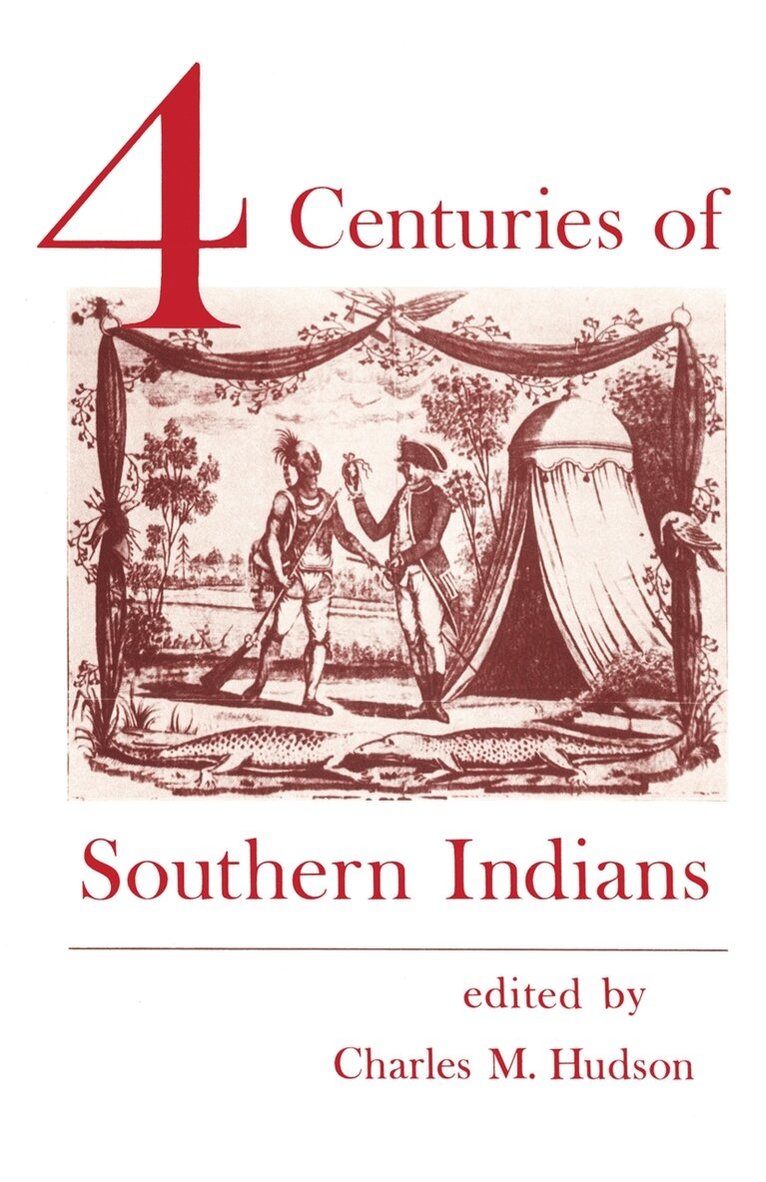
Four Centuries of Southern Indians
Häftad, 2007
414 kr
Lägg i varukorg
The Indians of the Southeast had the most highly centralized and complex social structure of all the aboriginal peoples in the continental United States. They lived in large towns and villages, built monumental mounds and earthworks, enjoyed rich religious and artistic achievements, and maintained …
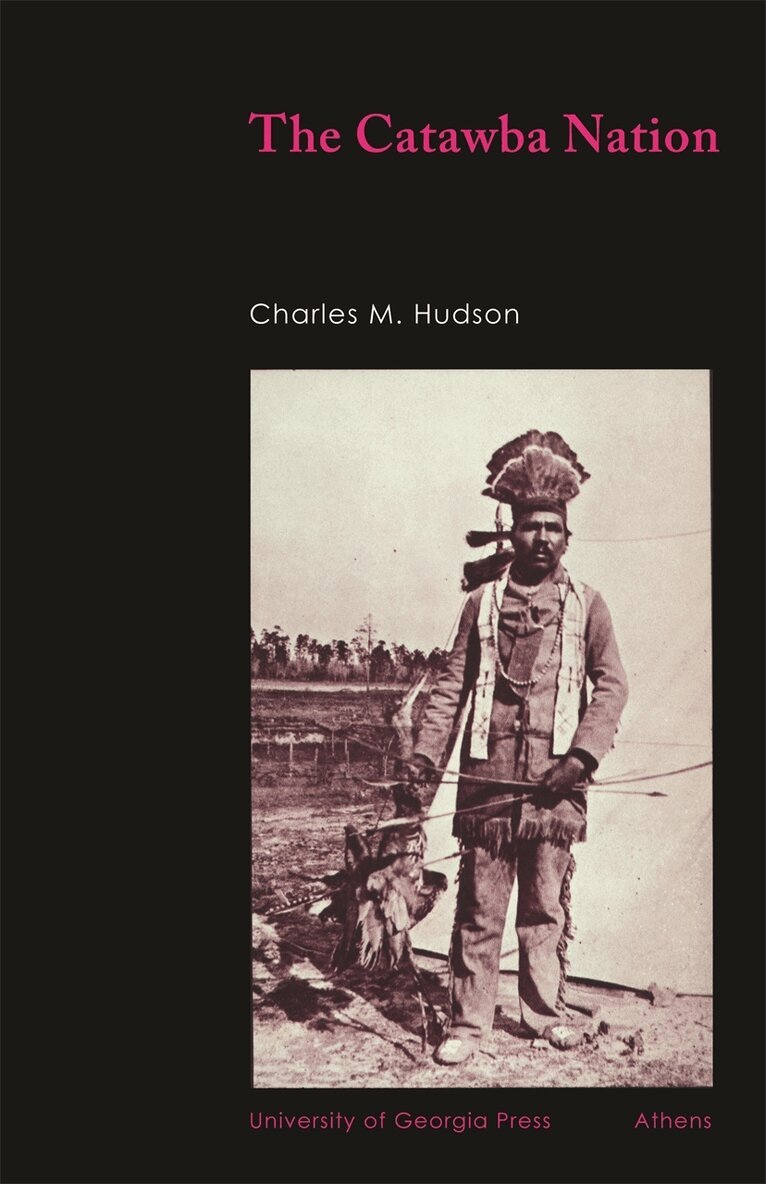
Catawba Nation
Av Charles M. Hudson, Charles M. Hudson
Häftad, 2007
414 kr
Lägg i varukorg
In this reconstruction of the history of the Catawba Indians, Charles M. Hudson first considers the "external history" of the Catawba peoples, based on reports by such outsiders as explorers, missionaries, and government officials. In these chapters, the author examines the social and cultural …
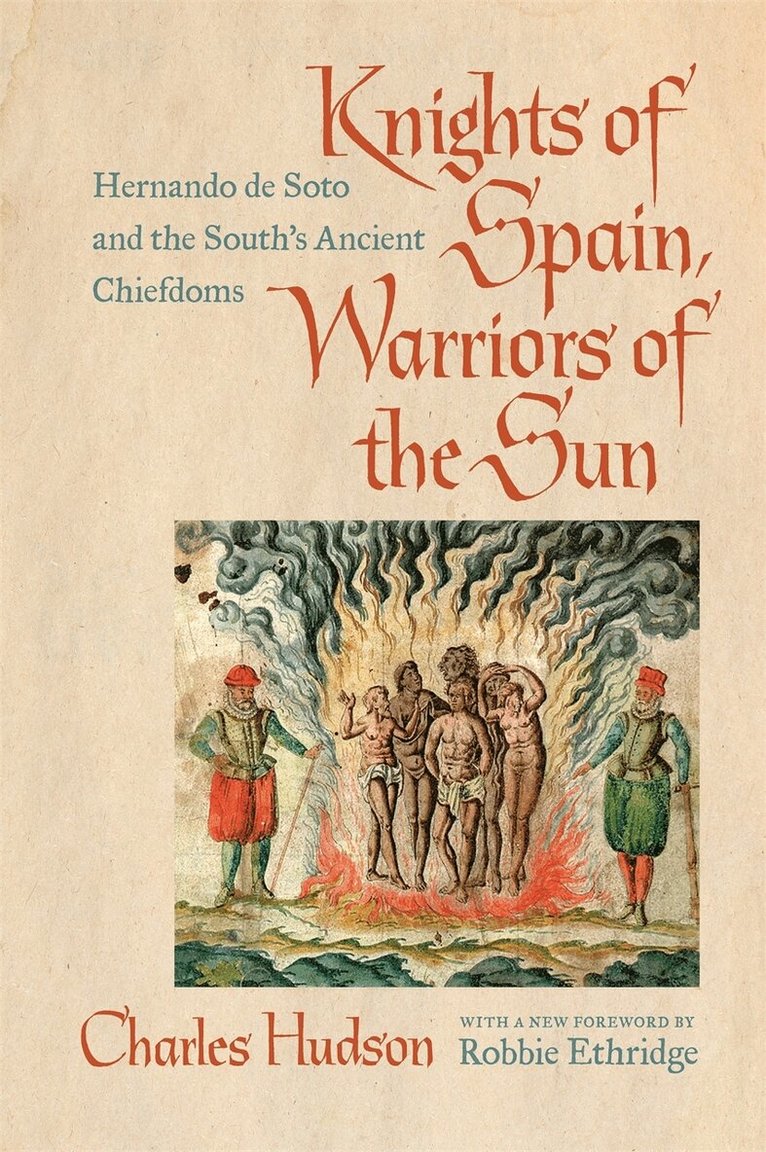
Knights of Spain, Warriors of the Sun
Hernando de Soto and the South's Ancient Chiefdoms
Häftad, 2018
702 kr
Lägg i varukorg
Between 1539 and 1542 Hernando de Soto led a small army on a desperate journey of exploration of almost four thousand miles across the U. S. Southeast. Until the 1998 publication of Charles M. Hudson’s foundational Knights of Spain, Warriors of the Sun, De Soto’s path had been one of history’s most …
Black Drink
A Native American Tea
Inbunden, 2018
1597 kr
Lägg i varukorg
Until its use declined in the nineteenth century, Indians of the southeastern United States were devoted to a caffeinated beverage commonly known as black drink. Brewed from the parched leaves of the yaupon holly (Ilex vomitoria), black drink was used socially and ceremonially. In certain ritual …
Knights of Spain, Warriors of the Sun
Hernando de Soto and the South''s Ancient Chiefdoms
E-bok, 2018
621 kr
Lägg i varukorg
Between 1539 and 1542 Hernando de Soto led a small army on a desperate journey of exploration of almost four thousand miles across the Southeast. Until now, his path has been one of history''s most intriguing mysteries. With Knights of Spain, Warriors of the Sun , anthropologist Charles Hudson …
Conversations with the High Priest of Coosa
E-bok, 2009
1231 kr
Lägg i varukorg
This book begins where the reach of archaeology and history ends," writes Charles Hudson. Grounded in careful research, his extraordinary work imaginatively brings to life the sixteenth-century world of the Coosa, a native people whose territory stretched across the Southeast, encompassing much of …
Conversations with the High Priest of Coosa
E-bok, 2009
464 kr
Lägg i varukorg
This book begins where the reach of archaeology and history ends," writes Charles Hudson. Grounded in careful research, his extraordinary work imaginatively brings to life the sixteenth-century world of the Coosa, a native people whose territory stretched across the Southeast, encompassing much of …