Charles M. Robinson - Böcker
Visar alla böcker från författaren Charles M. Robinson. Handla med fri frakt och snabb leverans.
13 produkter
13 produkter
447 kr
Skickas inom 5-8 vardagar
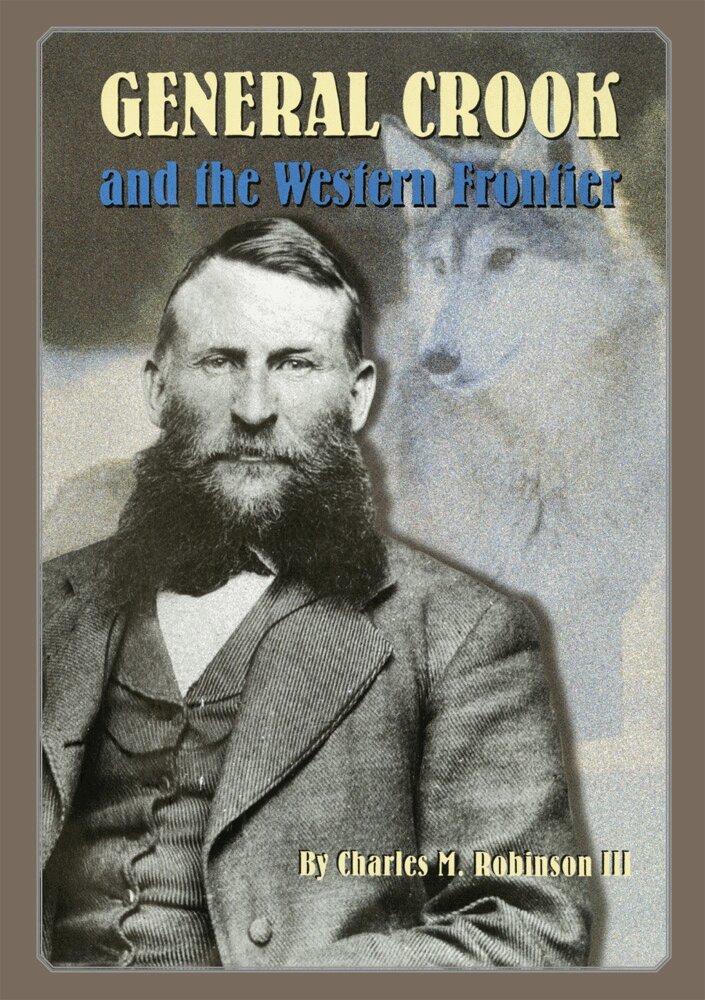
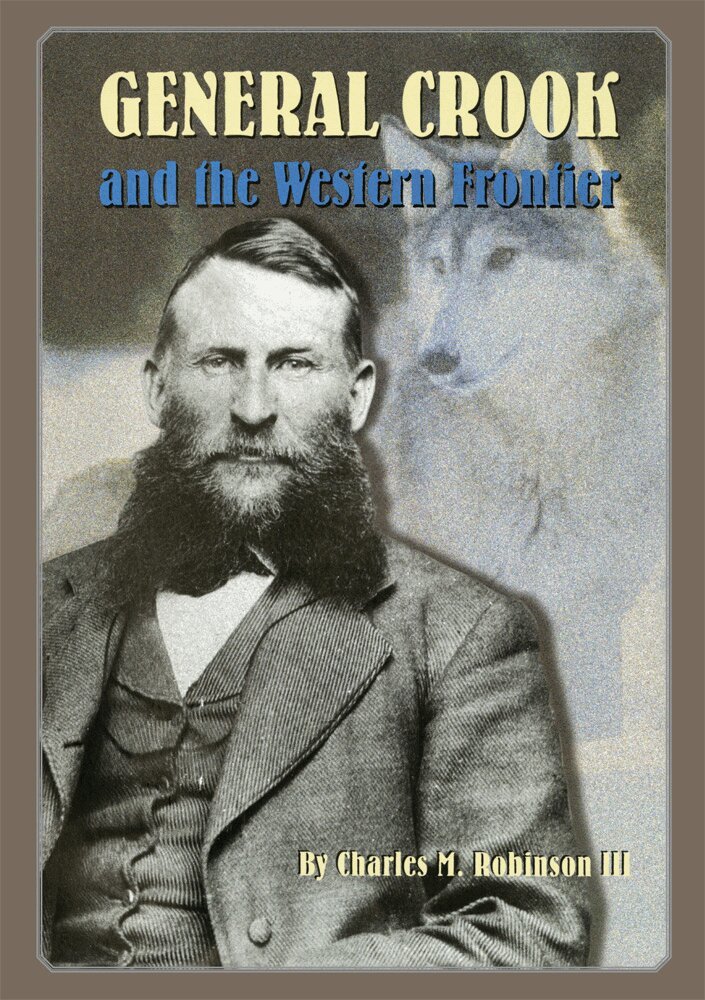
General George Crook was one of the most prominent soldiers in the frontier West. General William T. Sherman called him the greatest Indian fighter and manager the army ever had. And yet, on hearing of Crook's death, the Sioux chief Red Cloud lamented, ""He, at least, never lied to us."" As a young officer in the Pacific Northwest, Crook emphasized training and marksmanship--innovative ideas in the antebellum army. Crook's career in the West began with successful campaigns against the Apaches that resulted in his promotion to brigadier general. His campaign against the Lakota and Cheyennes was less successful, however, as he alternately displayed deep insight, egotism, indecision, and fear. Charles M. Robinson pieces together the contradictions of Crook's career to reveal that although the general sometimes micromanaged his campaigns to the point that his officers had virtually no flexibility, he gave his officers so much freedom on other occasions that they did not fully understand his expectations or objectives. Crook resented any criticism and was quick to blame both subordinates and superiors, yet Robinson shows that much of Crook's success in the Indian wars can be attributed to the efforts of subordinate officers. He also details Crook's later efforts to provide equal rights and opportunities for American Indians. General Crook and the Western Frontier, the first full-scale biography of Crook, uses contemporary manuscripts and primary sources to illuminate the general's personal life and military career.
347 kr
Skickas inom 10-15 vardagar
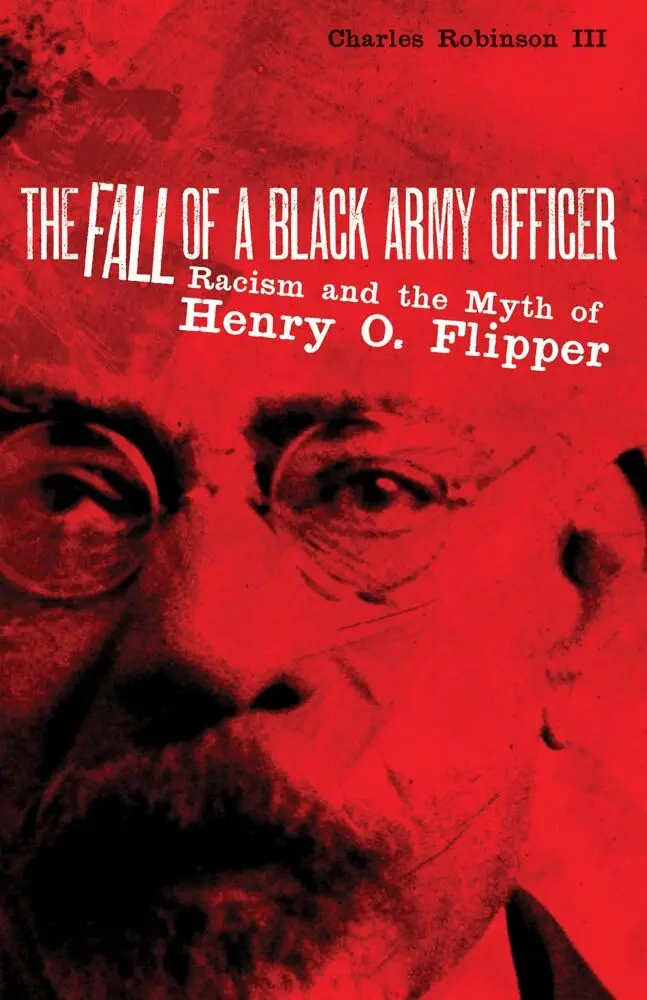
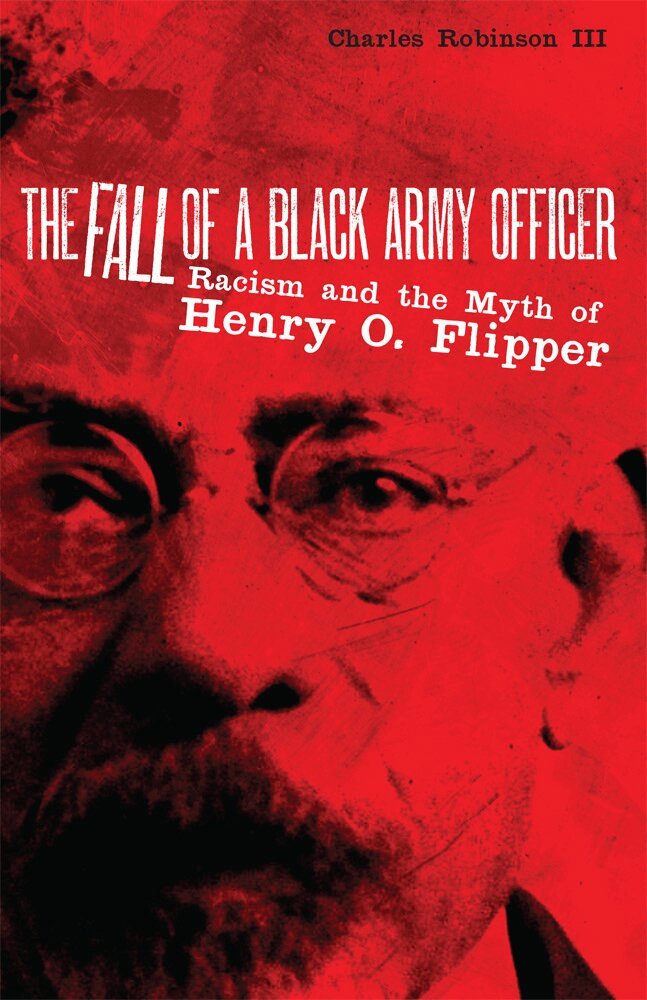
Lieutenant Henry O. Flipper was a former slave who rose to become the first African American graduate of West Point. While serving as commissary officer at Fort Davis, Texas, in 1881, he was charged with embezzlement and conduct unbecoming an officer and a gentleman. A court-martial board acquitted Flipper of the embezzlement charge but convicted him of conduct unbecoming. He was then dismissed from the service of the United States. The Flipper case became known as something of an American Dreyfus Affair, emblematic of racism in the frontier army. Because of Flipper's efforts to clear his name, many assumed that he had been railroaded because he was black.In The Fall of a Black Army Officer, Charles M. Robinson III challenges that assumption. In this complete revision of his earlier work, The Court-Martial of Lieutenant Henry Flipper, Robinson finds that Flipper was the author of his own problems.The taint of racism on the Flipper affair became so widely accepted that in 1999 President Bill Clinton issued a posthumous pardon for Flipper. The Fall of a Black Army Officer boldly moves the arguments regarding racism--in both Lt. Flipper's case and the frontier army in general--beyond political correctness. Solidly grounded in archival research, it is a thorough and provocative reassessment of the Flipper affair, at last revealing the truth.
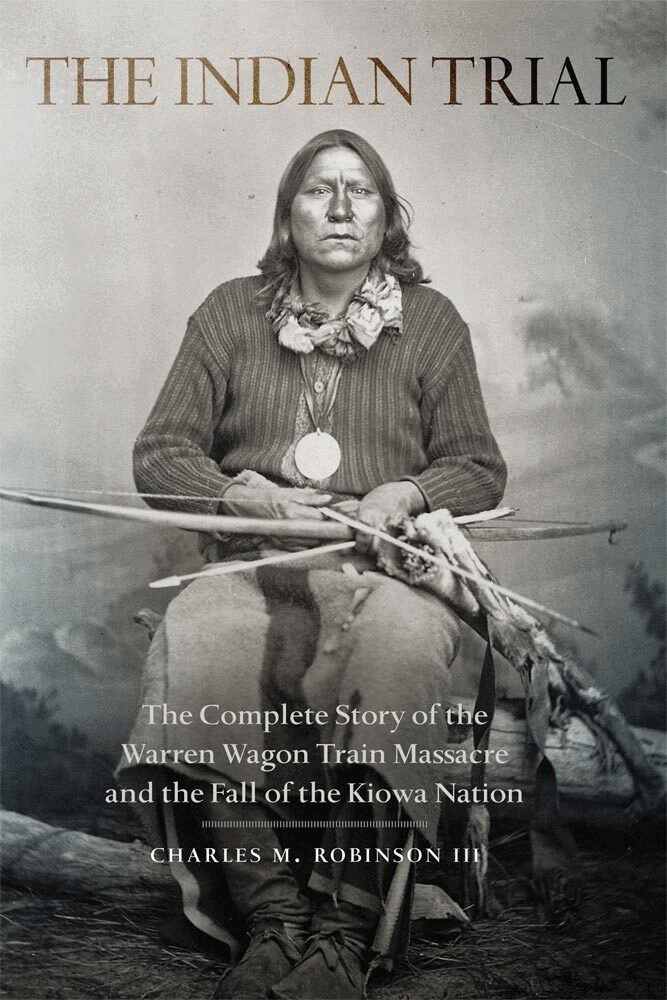
Indian Trial
The Complete Story of the Warren Wagon Train Massacre and the Fall of the Kiowa Nation
Häftad, Engelska, 2016
158 kr
Skickas inom 10-15 vardagar
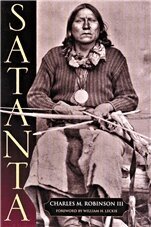
Kiowa and Comanche raids on the Southern Plains in 1870-71 terrorized settlers. The raids culminated in the Warren Wagon Train Massacre and the arrest of Satank, Santanta, and Big Tree by General William Tecumseh Sherman. The Jacksboro Indian Trial led to a confrontation between the state of Texas, the federal government, the Kiowa Nation, Comanches, and Cheyennes.This narrative history explores the Little Arkansas and Medicine Lodge Treaties and factions within the Kiowa Nation.
158 kr
Skickas inom 10-15 vardagar
Fort Griffin, Texas, is rarely used in the same sentence with Dodge City, Deadwood, or Tombstone, yet this frontier town was every bit as tough as the places that went down in the history of brutality.Vigilantes, lynchings, ladies of easy virtue, buffalo hunting, gambling, posses, more lynchings, and lawmen as bad as the outlaws they jailed - Fort Griffin had it all, bustling with a raw life not for the faint-of-heart. Commonly known as the Flat, Fort Griffin grew from a military post rife with Indian trouble to a spirited, rough-hewn frontier community, only to burn out in a matter of decades. Within that time it helped mold characters equal to any of legend.John Larn, the Flat's second sheriff, was not only considered one of the best lawmen in the county but was also a cattle thief and killer, and died as violently as he had lived.Colonel Ranald MacKenzie, commanding officer of the Fourth Cavalry, was the man whose savvy and knowledge would eventually put an end to the savage Indian attacks that had plagued Fort Griffin and surrounding territories.Lottie Deno was the celebrity of Fort Griffin's floating world. With a mysterious past and uncommon elegance for women in her trade, her time in the Flat was to end with the tragic murder of her lover.Fort Griffin had all the makings of the legendary western town, and was an archetype for the untamed frontier life. Its story is one of passion, anger, lawlessness, and occasional justice, and will further establish the Flat as a truly original pioneer town.
276 kr
Skickas inom 10-15 vardagar
General George Crook was one of the most prominent soldiers in the frontier West. General William T. Sherman called him the greatest Indian fighter and manager the army ever had. And yet, on hearing of Crook's death, the Sioux chief Red Cloud lamented, "He, at least, never lied to us." As a young officer in the Pacific Northwest, Crook emphasized training and marksmanship--innovative ideas in the antebellum army. Crook's career in the West began with successful campaigns against the Apaches that resulted in his promotion to brigadier general. His campaign against the Lakota and Cheyennes was less successful, however, as he alternately displayed deep insight, egotism, indecision, and fear. Charles M. Robinson pieces together the contradictions of Crook's career to reveal that although the general sometimes micromanaged his campaigns to the point that his officers had virtually no flexibility, he gave his officers so much freedom on other occasions that they did not fully understand his expectations or objectives. Crook resented any criticism and was quick to blame both subordinates and superiors, yet Robinson shows that much of Crook's success in the Indian wars can be attributed to the efforts of subordinate officers. He also details Crook's later efforts to provide equal rights and opportunities for American Indians. General Crook and the Western Frontier, the first full-scale biography of Crook, uses contemporary manuscripts and primary sources to illuminate the general's personal life and military career.
213 kr
Skickas inom 10-15 vardagar
Lieutenant Henry O. Flipper was a former slave who rose to become the first African American graduate of West Point. While serving as commissary officer at Fort Davis, Texas, in 1881, he was charged with embezzlement and conduct unbecoming an officer and a gentleman. A court-martial board acquitted Flipper of the embezzlement charge but convicted him of conduct unbecoming. He was then dismissed from the service of the United States. The Flipper case became known as something of an American Dreyfus Affair, emblematic of racism in the frontier army. Because of Flipper’s efforts to clear his name, many assumed that he had been railroaded because he was black.In The Fall of a Black Army Officer, Charles M. Robinson III challenges that assumption. In this complete revision of his earlier work, The Court-Martial of Lieutenant Henry Flipper, Robinson finds that Flipper was the author of his own problems.The taint of racism on the Flipper affair became so widely accepted that in 1999 President Bill Clinton issued a posthumous pardon for Flipper. The Fall of a Black Army Officer boldly moves the arguments regarding racism--in both Lt. Flipper’s case and the frontier army in general--beyond political correctness. Solidly grounded in archival research, it is a thorough and provocative reassessment of the Flipper affair, at last revealing the truth.
Del 16 - Fred Rider Cotten Popular Hist
Texas and the Mexican War
A History and a Guide
Häftad, Engelska, 2004
131 kr
Skickas inom 10-15 vardagar
Written for both the specialist and the casual reader, Texas and the Mexican War discusses the pivotal role Texas played in the Mexican War, battles fought on Texas soil, and the contributions ? for better or sometimes worse ? of Texas troops throughout the war.
428 kr
Skickas inom 3-6 vardagar
622 kr
Skickas inom 7-10 vardagar
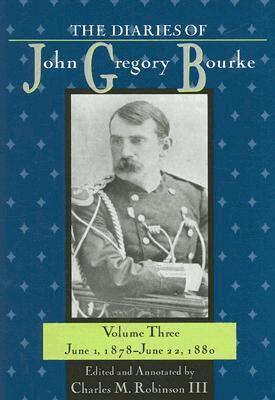
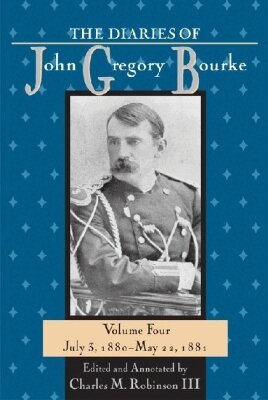
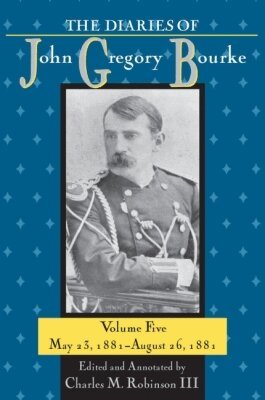
John Gregory Bourke kept a monumental set of diaries as aide-de-camp to Brigadier General George Crook. This second volume (of a projected set of six) opens as Crook prepares for the expedition that would lead to his infamous and devastating Horse Meat March. Although Bourke retains his loyalty to Crook throughout the detailed account, his patience is sorely tried at times. Bourke's description of the march is balanced by an appendix containing letters and reports by others such as Lt. Walter Schuyler and Surgeon Bennett Clements. The diary continues with the story of the Powder River Expedition, culminating in Bourke's eyewitness description of Col. Ranald Mackenzie's destruction of the main Cheyenne camp in what became known as the Dull Knife Fight. Bourke finishes this volume with a retrospective of his service in Tucson, Arizona. Each volume in the series is extensively annotated and contains a biographical appendix on Indians, civilians, and military personnel named in the volume.
319 kr
Skickas inom 7-10 vardagar
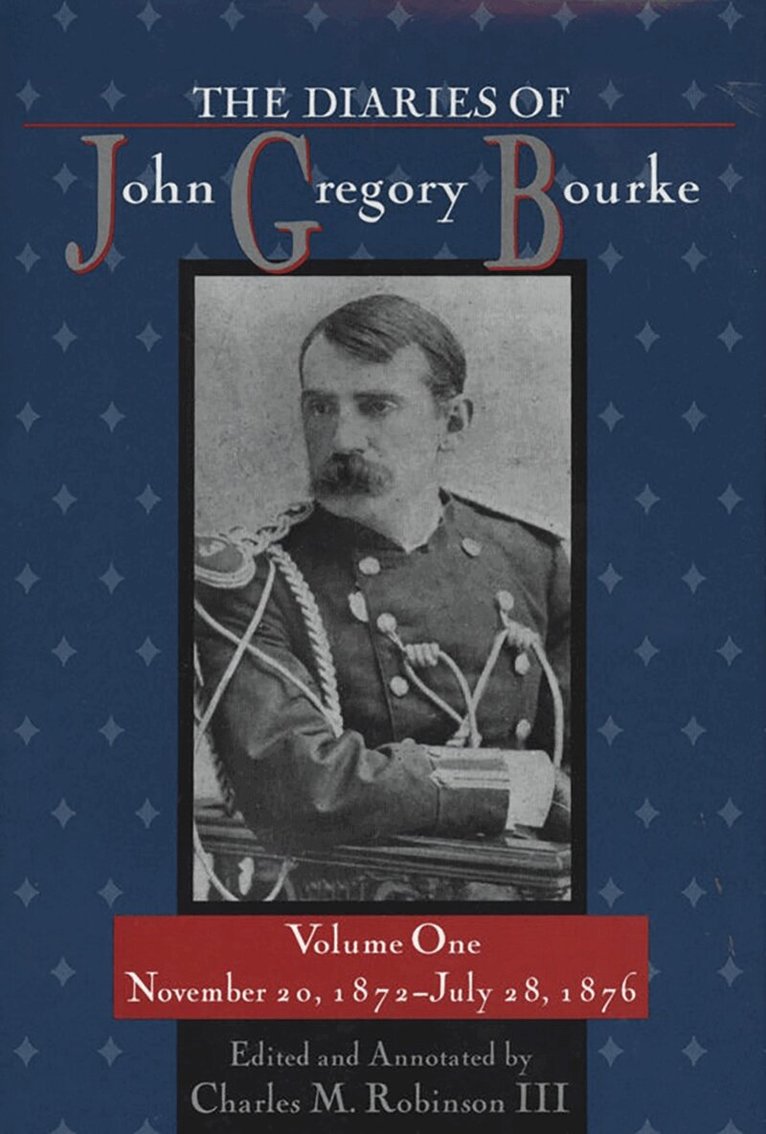
John Gregory Bourke kept a monumental set of diaries as aide-de-camp to Brigadier General George Crook. Volume 1 begins during the 1872 Apache campaigns and dealings with Cochise. Bourke’s ethnographic notes on the Apaches continues with further observations on the Hopis in 1874. The next year he turned his pen on the Sioux and Cheyenne during the 1875 Black Hills Expedition, writing some of his most jingoistic comments in favor of Manifest Destiny. This volume culminates with the momentous events of the Great Sioux War and vivid descriptions of the Powder River fight and the Battle of the Rosebud. Charles M. Robinson III extensively annotates the volume and includes a biographical appendix on the Indians, civilians, and military personnel named.
206 kr
Skickas inom 10-15 vardagar
213 kr
Skickas inom 10-15 vardagar
305 kr
Skickas inom 10-15 vardagar