Charles Schultze - Böcker
Visar alla böcker från författaren Charles Schultze. Handla med fri frakt och snabb leverans.
2 produkter
2 produkter
762 kr
Tillfälligt slut
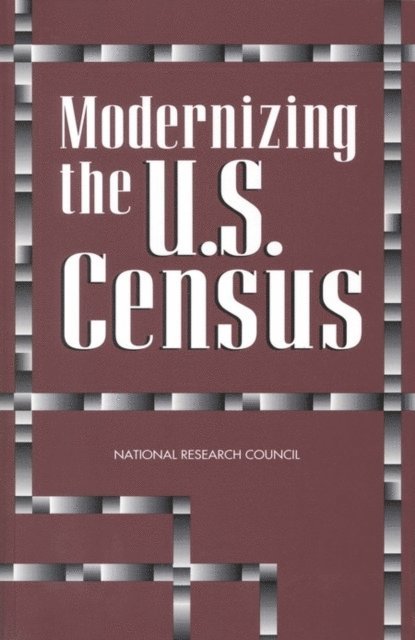
The U.S. census, conducted every 10 years since 1790, faces dramatic new challenges as the country begins its third century. Critics of the 1990 census cited problems of increasingly high costs, continued racial differences in counting the population, and declining public confidence. This volume provides a major review of the traditional U.S. census. Starting from the most basic questions of how data are used and whether they are needed, the volume examines the data that future censuses should provide. It evaluates several radical proposals that have been made for changing the census, as well as other proposals for redesigning the year 2000 census. The book also considers in detail the much-criticized long form, the role of race and ethnic data, and the need for and ways to obtain small-area data between censuses.
301 kr
Skickas inom 10-15 vardagar
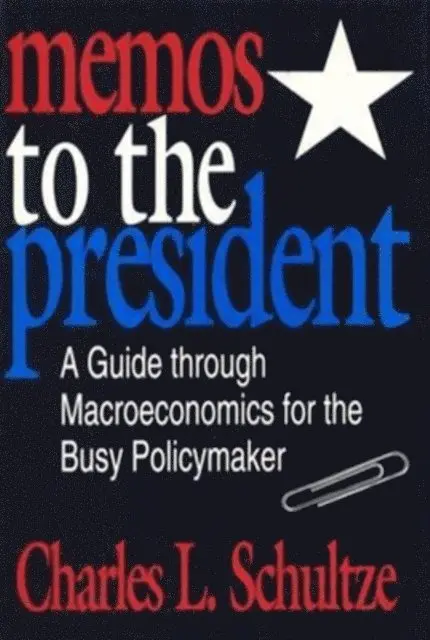
When policymakers are in need of economic advice, professional economists are never far away. Policymakers, journalists, and citizens all rely on experts to explain various economic developments and policy proposals. While it is fortunate that experts are close at hand, those concerned with choosing or evaluating economic policies should themselves have an understanding of how the economy works. Unfortunately, many policymakers and interested citizens currently lack such knowledge; and they need to know at the least the basics of macroeconomics to make informed decisions on their own. In this insightful book, Charles L. Schultze employs an imaginative format for explaining to busy policymakers and citizens how the economy works and what issues are likely to affect macroeconomic policy. He imagines that the next president has promised to devote one hour a week to learning about key economic principles and has asked the chairman of the Council of Economic Advisers for instruction. The book is written as a series of memos to the president on the principles and policy issues that should be understood before making macroeconomic policy judgements. A former chairman of the Council of Economic Advisers himself, Schultze clearly explains the key relationships as a background for policy decisions—relationships among domestic and foreign economic forces, and government policies and economic outcomes. The memos rely heavily on the use of real-world examples from recent economic events and policy debates. They focus principally on such policy-related issues as inflation, unemployment, long-term economic growth, and the flow of international trade and capital. The series of short, easy-to-read memos is divided into three groups: the first presents the background, explaining why it is particularly important for policymakers to distinguish between those economic forces that affect total demand in the economy and those that affect total supply; the second addresses the problem of economic stability; and the third looks at long-term economic growth.