Charles U. Zug - Böcker
Visar alla böcker från författaren Charles U. Zug. Handla med fri frakt och snabb leverans.
4 produkter
4 produkter
1 200 kr
Skickas inom 5-8 vardagar
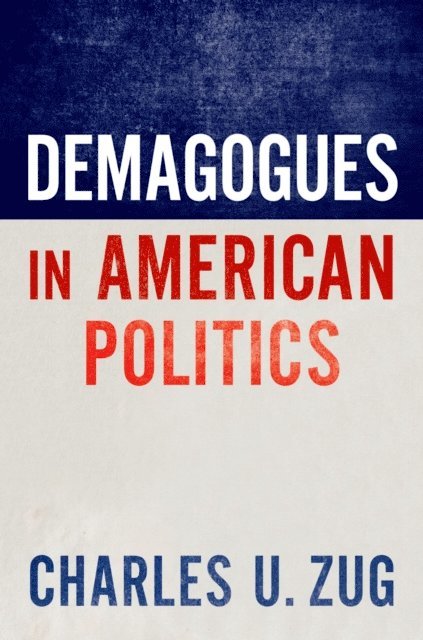
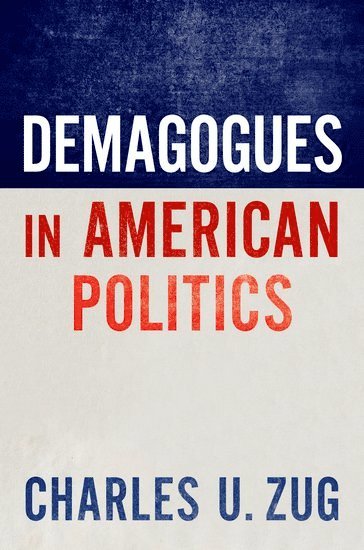
While demagoguery is traditionally regarded as destabilizing and dangerous, this book shows how it can also be used to advance the common good. Most of us think that demagoguery is, by definition, bad. Relatedly, scholars almost invariably treat demagoguery as a divisive practice that appeals to what is worst in an audience at the expense of what is best for the public good. In Demagogues in American Politics, Charles U. Zug offers a historical analysis of the role of demagoguery in the American political system. Challenging the conventional wisdom, he argues that demagoguery is not an inherently bad form of leadership. Whereas classical thinkers had believed that demagoguery was always a threat to political order, the most sophisticated founders of the American Constitution-inspired by Enlightenment political philosophy-recognized that demagoguery, though dangerous, could be recruited by the Constitution to improve the political system. Through case studies drawn from the presidency, Congress, and the Supreme Court, this book argues that demagogic leadership can be deployed by public officials to advance the aspirations of constitutional democracy.
347 kr
Skickas inom 5-8 vardagar
While demagoguery is traditionally regarded as destabilizing and dangerous, this book shows how it can also be used to advance the common good. Most of us think that demagoguery is, by definition, bad. Relatedly, scholars almost invariably treat demagoguery as a divisive practice that appeals to what is worst in an audience at the expense of what is best for the public good. In Demagogues in American Politics, Charles U. Zug offers a historical analysis of the role of demagoguery in the American political system. Challenging the conventional wisdom, he argues that demagoguery is not an inherently bad form of leadership. Whereas classical thinkers had believed that demagoguery was always a threat to political order, the most sophisticated founders of the American Constitution-inspired by Enlightenment political philosophy-recognized that demagoguery, though dangerous, could be recruited by the Constitution to improve the political system. Through case studies drawn from the presidency, Congress, and the Supreme Court, this book argues that demagogic leadership can be deployed by public officials to advance the aspirations of constitutional democracy.
322 kr
Skickas inom 10-15 vardagar
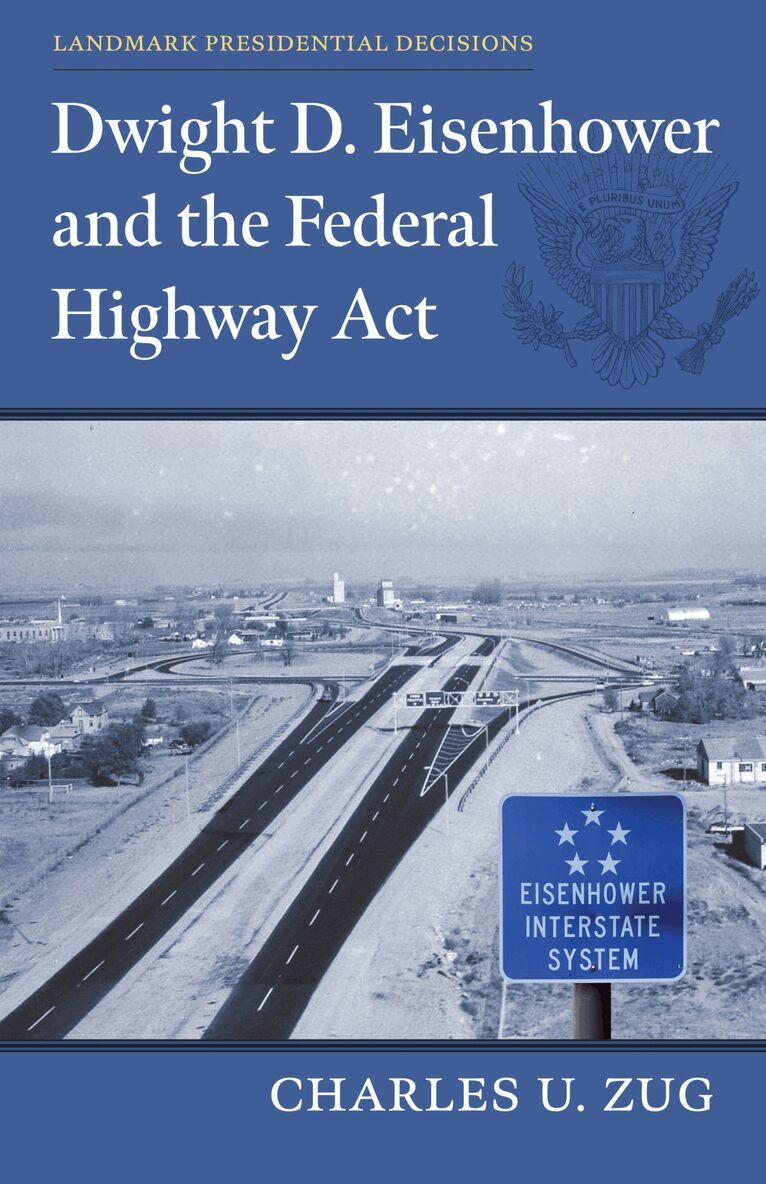
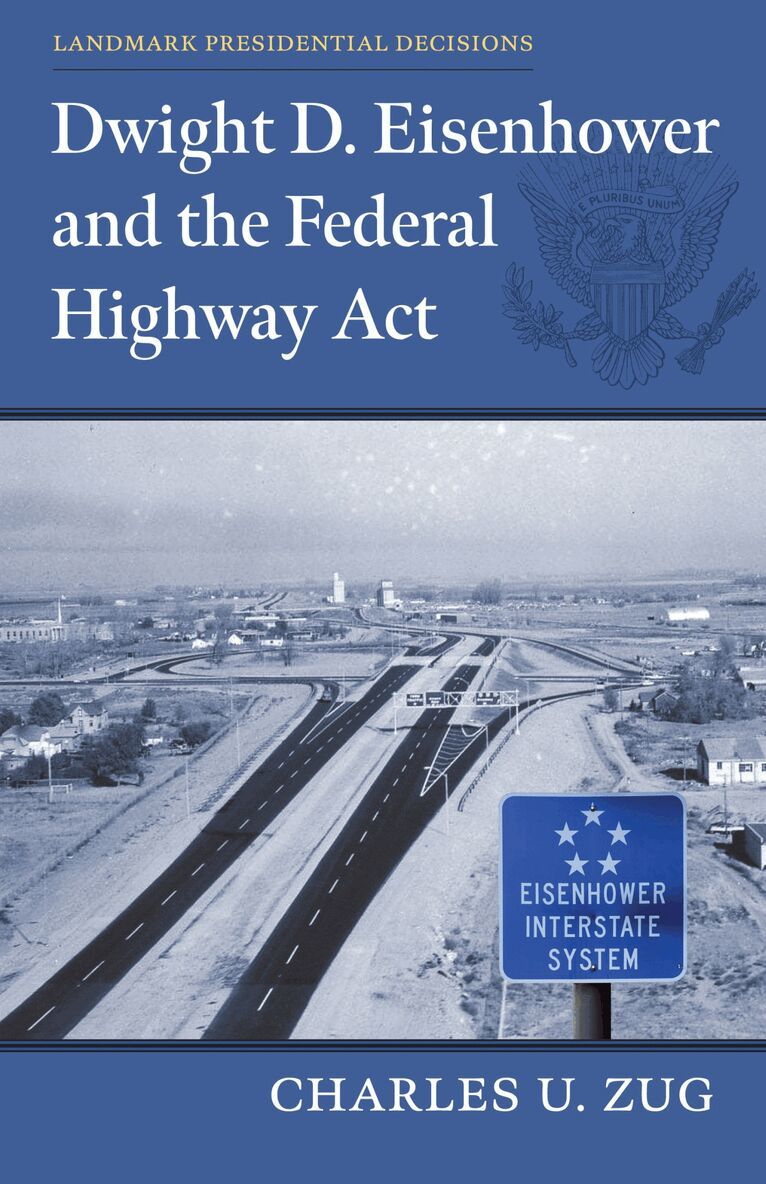
President Dwight D. Eisenhower is remembered by many as the originator of the American Interstate Highway System. He is also praised for restraining executive overreach, restoring the separation of powers, and presiding over an era of governmental equanimity and goodwill.In Dwight D. Eisenhower and the Federal Highway Act, Charles Zug contests all these assumptions. Through archival research, Zug shows that Eisenhower’s attempt to lead highway expansion during 1952–1955 ended in dismal failure. Far from championing the separation of powers, Eisenhower sought to marginalize Congress from the legislative process by secretly writing a transformative highway bill within the confines of his White House. And once it was announced, Eisenhower’s highway plan was almost universally panned: Ike’s own comptroller general deemed the plan’s funding mechanism “illegal” before a bipartisan majority laughed it out of the Senate in the spring of 1955. The highway bill that did eventually pass Congress in 1956, and that went on to launch the modern interstate system, was written by congressional Democrats and emphatically rejected Eisenhower’s basic approach to highway reform.Drawing on executive politics, American political development, and leadership studies, Zug uses the Federal Highway Act to argue for a foundational reassessment of Eisenhower’s legacy as highway founder, president, and political leader.
446 kr
Skickas inom 10-15 vardagar
President Dwight D. Eisenhower is remembered by many as the originator of the American Interstate Highway System. He is also praised for restraining executive overreach, restoring the separation of powers, and presiding over an era of governmental equanimity and goodwill.In Dwight D. Eisenhower and the Federal Highway Act, Charles Zug contests all these assumptions. Through archival research, Zug shows that Eisenhower’s attempt to lead highway expansion during 1952–1955 ended in dismal failure. Far from championing the separation of powers, Eisenhower sought to marginalize Congress from the legislative process by secretly writing a transformative highway bill within the confines of his White House. And once it was announced, Eisenhower’s highway plan was almost universally panned: Ike’s own comptroller general deemed the plan’s funding mechanism “illegal” before a bipartisan majority laughed it out of the Senate in the spring of 1955. The highway bill that did eventually pass Congress in 1956, and that went on to launch the modern interstate system, was written by congressional Democrats and emphatically rejected Eisenhower’s basic approach to highway reform.Drawing on executive politics, American political development, and leadership studies, Zug uses the Federal Highway Act to argue for a foundational reassessment of Eisenhower’s legacy as highway founder, president, and political leader.