Charlotte Hinger - Böcker
Visar alla böcker från författaren Charlotte Hinger. Handla med fri frakt och snabb leverans.
3 produkter
3 produkter
392 kr
Skickas inom 10-15 vardagar
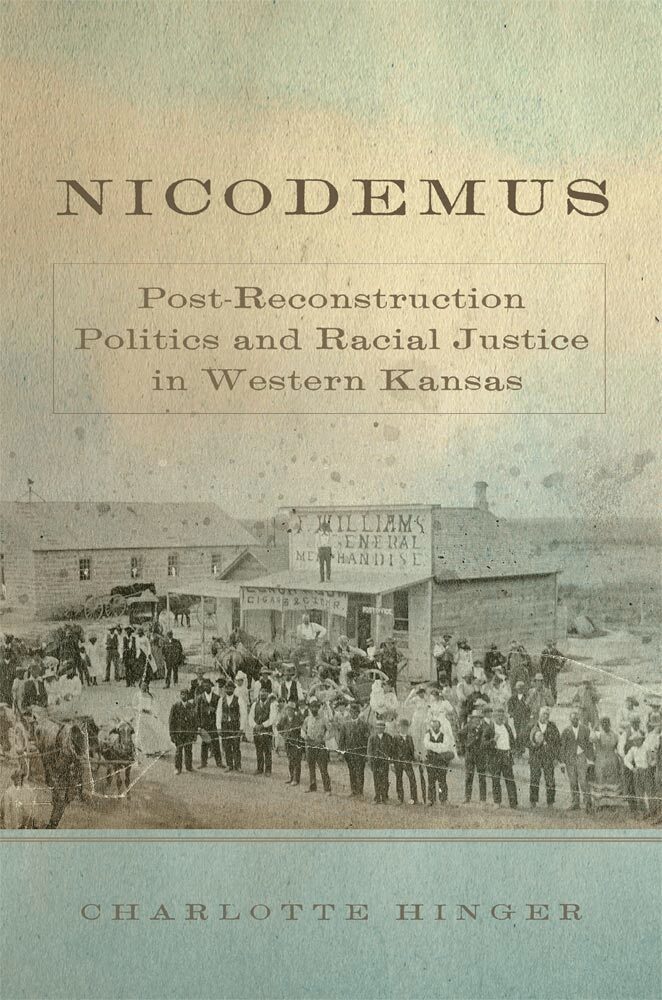
Pushed out of the South as Reconstruction ended and as white landowners, employers, and ""Redeemer"" governments sought to reestablish the constraints of slavery, thousands of African Americans migrated west in search of better opportunities. As the first well-known all-black community on the plains, Nicodemus, Kansas, became a national exemplar of black self-improvement. But Nicodemus also embodied many of the problems facing African Americans during this time. Diverging philosophies within the community, Charlotte Hinger argues, foretold the differences that continue to divide black politicians and intellectuals today.At the time Nicodemus was founded, politicians underestimated the power of African American voters. But three of the town's black homesteaders - Abram Thompson Hall, Jr., Edward Preston McCabe, and John W. Niles - exerted extraordinary influence over county, state, and national politics. Hinger examines their divergent strategies for leading their community and for relating to white people, which reflected emerging black worldviews across the United States as African Americans grappled with the responsibilities accompanying their new freedom. Hall supported racial uplift, McCabe insisted on achieving equality through politics and legislation, and Niles advocated reparations for slavery. Hall and McCabe, both northerners, had distinguished educations, while Niles, a former slave, was a gifted orator. Their differing approaches to creating a new civilization on the prairie, seeking justice for blacks, and improving the situation of Nicodemus citizens roiled Kansas politics, already in turmoil over temperance and woman's suffrage.Nicodemus was a microcosm of all the issues facing black Americans in the late nineteenth century, and Hall, McCabe, and Niles are archetypes for powerful philosophies that have persisted into the twenty-first century. This study of their ideas and the ways they shaped Nicodemus offers a novel perspective on the most famous post-Civil War African American community in the West.
241 kr
Skickas inom 10-15 vardagar
Pushed out of the South as Reconstruction ended and as white landowners, employers, and “Redeemer” governments sought to reestablish the constraints of slavery, thousands of African Americans migrated west in search of better opportunities. As the first well-known all-black community on the plains, Nicodemus, Kansas, became a national exemplar of black self-improvement. But Nicodemus also embodied many of the problems facing African Americans during this time. Diverging philosophies within the community, Charlotte Hinger argues, foretold the differences that continue to divide black politicians and intellectuals today.At the time Nicodemus was founded, politicians underestimated the power of African American voters. But three of the town’s black homesteaders—Abram Thompson Hall, Jr., Edward Preston McCabe, and John W. Niles—exerted extraordinary influence over county, state, and national politics. Hinger examines their divergent strategies for leading their community and for relating to white people, which reflected emerging black worldviews across the United States as African Americans grappled with the responsibilities accompanying their new freedom. Hall supported racial uplift, McCabe insisted on achieving equality through politics and legislation, and Niles advocated reparations for slavery. Hall and McCabe, both northerners, had distinguished educations, while Niles, a former slave, was a gifted orator. Their differing approaches to creating a new civilization on the prairie, seeking justice for blacks, and improving the situation of Nicodemus citizens roiled Kansas politics, already in turmoil over temperance and woman’s suffrage.Nicodemus was a microcosm of all the issues facing black Americans in the late nineteenth century, and Hall, McCabe, and Niles are archetypes for powerful philosophies that have persisted into the twenty-first century. This study of their ideas and the ways they shaped Nicodemus offers a novel perspective on the most famous post–Civil War African American community in the West.
299 kr
Skickas inom 10-15 vardagar
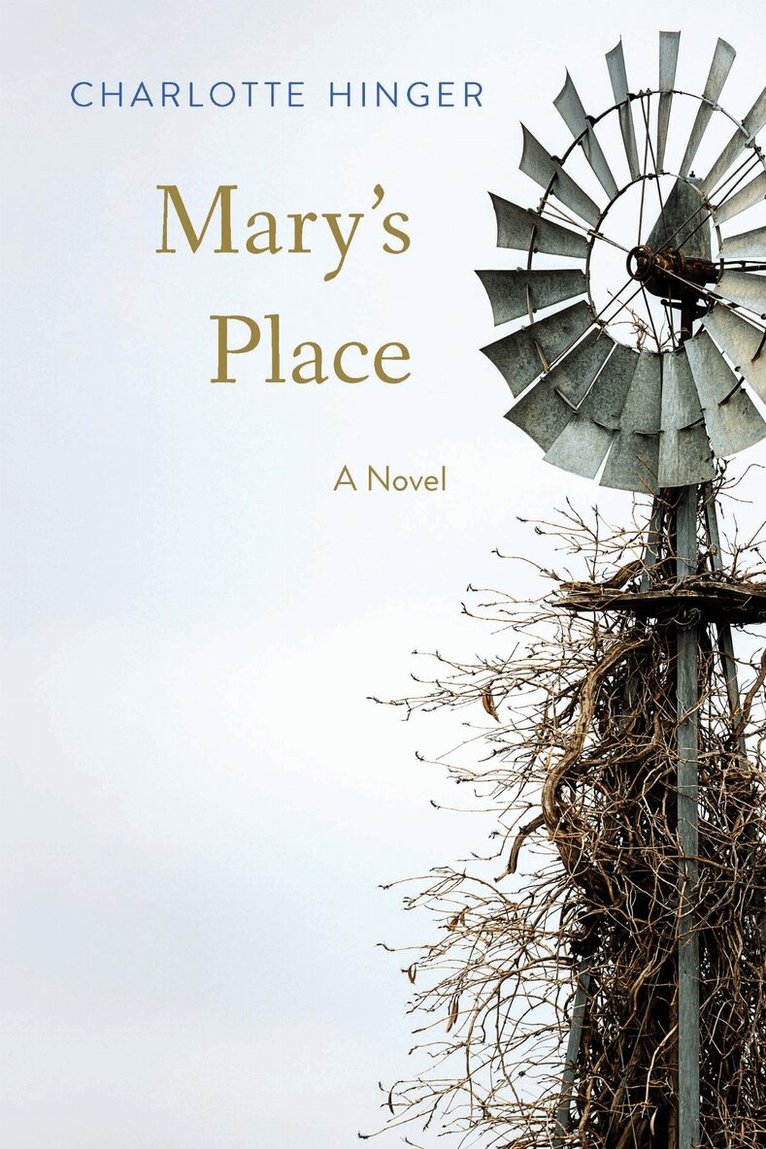
Finalist for the 2025 Spur Award Iron and Mary Barrett’s farming family is rural royalty, their success symbolized by a magnificent three-story house, Mary’s Place. Years in the building, the house is a testament to Mary’s grit and organizational abilities. But when bank examiners apply new ratings for agricultural loans in the 1980s, the family’s belief that its prosperity is a natural outcome of hard work is sent reeling.Bank president J.C. Espy had never done anything crooked in his life until the FDIC changed the rules for agricultural loans. After becoming desperate to save his hundred-year-old bank, he worries that his resulting choice will cause his friend Iron to lose his land. Frantically J.C. works to convince Iron he will lose everything if he doesn’t comply with the new standards. In the meantime, both Iron and J.C. must negotiate with sons who have contempt for their fathers’ old-fashioned values. While Iron agonizes, Mary maneuvers to keep the family together and save the farm.Mary’s Place is an unforgettable tribute to the rural families who weathered one of the worst agricultural disasters in American history.