Cherríe Moraga - Böcker
Visar alla böcker från författaren Cherríe Moraga. Handla med fri frakt och snabb leverans.
4 produkter
4 produkter
1 369 kr
Skickas inom 7-10 vardagar
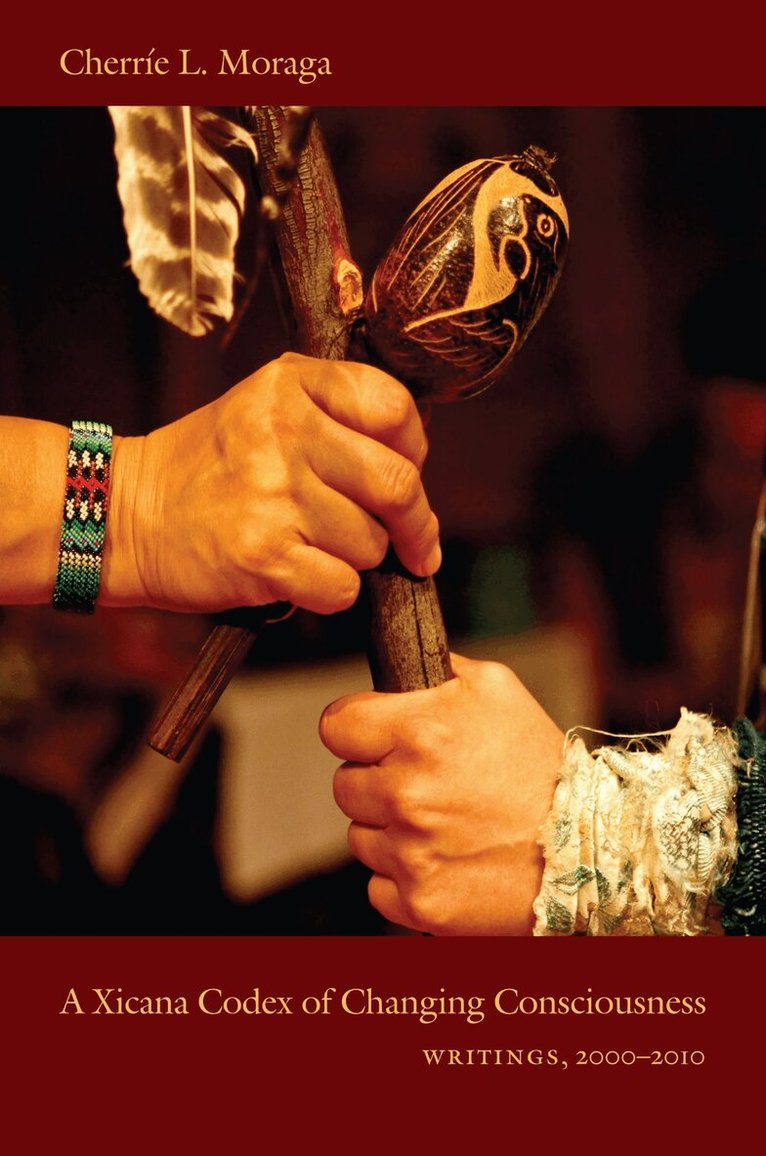
A Xicana Codex of Changing Consciousness features essays and poems by CherrÍe L. Moraga, one of the most influential figures in Chicana/o, feminist, queer, and indigenous activism and scholarship. Combining moving personal stories with trenchant political and cultural critique, the writer, activist, teacher, dramatist, mother, daughter, comadre, and lesbian lover looks back on the first ten years of the twenty-first century. She considers decade-defining public events such as 9/11 and the campaign and election of Barack Obama, and she explores socioeconomic, cultural, and political phenomena closer to home, sharing her fears about raising her son amid increasing urban violence and the many forms of dehumanization faced by young men of color. Moraga describes her deepening grief as she loses her mother to Alzheimer’s; pays poignant tribute to friends who passed away, including the sculptor Marsha GÓmez and the poets Alfred Arteaga, Pat Parker, and Audre Lorde; and offers a heartfelt essay about her personal and political relationship with Gloria AnzaldÚa.Thirty years after the publication of AnzaldÚa and Moraga’s collection This Bridge Called My Back, a landmark of women-of-color feminism, Moraga’s literary and political praxis remains motivated by and intertwined with indigenous spirituality and her identity as Chicana lesbian. Yet aspects of her thinking have changed over time. A Xicana Codex of Changing Consciousness reveals key transformations in Moraga’s thought; the breadth, rigor, and philosophical depth of her work; her views on contemporary debates about citizenship, immigration, and gay marriage; and her deepening involvement in transnational feminist and indigenous activism. It is a major statement from one of our most important public intellectuals.
326 kr
Skickas inom 7-10 vardagar
A Xicana Codex of Changing Consciousness features essays and poems by CherrÍe L. Moraga, one of the most influential figures in Chicana/o, feminist, queer, and indigenous activism and scholarship. Combining moving personal stories with trenchant political and cultural critique, the writer, activist, teacher, dramatist, mother, daughter, comadre, and lesbian lover looks back on the first ten years of the twenty-first century. She considers decade-defining public events such as 9/11 and the campaign and election of Barack Obama, and she explores socioeconomic, cultural, and political phenomena closer to home, sharing her fears about raising her son amid increasing urban violence and the many forms of dehumanization faced by young men of color. Moraga describes her deepening grief as she loses her mother to Alzheimer’s; pays poignant tribute to friends who passed away, including the sculptor Marsha GÓmez and the poets Alfred Arteaga, Pat Parker, and Audre Lorde; and offers a heartfelt essay about her personal and political relationship with Gloria AnzaldÚa.Thirty years after the publication of AnzaldÚa and Moraga’s collection This Bridge Called My Back, a landmark of women-of-color feminism, Moraga’s literary and political praxis remains motivated by and intertwined with indigenous spirituality and her identity as Chicana lesbian. Yet aspects of her thinking have changed over time. A Xicana Codex of Changing Consciousness reveals key transformations in Moraga’s thought; the breadth, rigor, and philosophical depth of her work; her views on contemporary debates about citizenship, immigration, and gay marriage; and her deepening involvement in transnational feminist and indigenous activism. It is a major statement from one of our most important public intellectuals.
1 456 kr
Skickas inom 3-6 vardagar
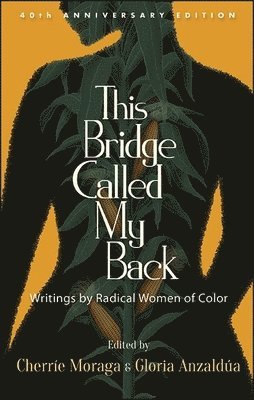
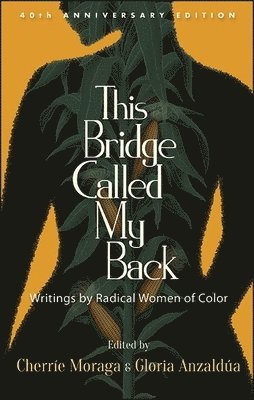
Fortieth anniversary edition of the foundational text of women of color feminism.Originally released in 1981, This Bridge Called My Back is a testimony to women of color feminism as it emerged in the last quarter of the twentieth century. Through personal essays, criticism, interviews, testimonials, poetry, and visual art, the collection explores, as coeditor Cherríe Moraga writes, "the complex confluence of identities-race, class, gender, and sexuality-systemic to women of color oppression and liberation."Reissued here, forty years after its inception, this anniversary edition contains a new preface by Moraga reflecting on Bridge's "living legacy" and the broader community of women of color activists, writers, and artists whose enduring contributions dovetail with its radical vision. Further features help set the volume's historical context, including an extended introduction by Moraga from the 2015 edition, a statement written by Gloria Anzaldúa in 1983, and visual art produced during the same period by Betye Saar, Ana Mendieta, Yolanda López, and others, curated by their contemporary, artist Celia Herrera Rodríguez. Bridge continues to reflect an evolving definition of feminism, one that can effectively adapt to and help inform an understanding of the changing economic and social conditions of women of color in the United States and throughout the world.
419 kr
Skickas inom 5-8 vardagar
Fortieth anniversary edition of the foundational text of women of color feminism.Originally released in 1981, This Bridge Called My Back is a testimony to women of color feminism as it emerged in the last quarter of the twentieth century. Through personal essays, criticism, interviews, testimonials, poetry, and visual art, the collection explores, as coeditor Cherríe Moraga writes, "the complex confluence of identities-race, class, gender, and sexuality-systemic to women of color oppression and liberation."Reissued here, forty years after its inception, this anniversary edition contains a new preface by Moraga reflecting on Bridge's "living legacy" and the broader community of women of color activists, writers, and artists whose enduring contributions dovetail with its radical vision. Further features help set the volume's historical context, including an extended introduction by Moraga from the 2015 edition, a statement written by Gloria Anzaldúa in 1983, and visual art produced during the same period by Betye Saar, Ana Mendieta, Yolanda López, and others, curated by their contemporary, artist Celia Herrera Rodríguez. Bridge continues to reflect an evolving definition of feminism, one that can effectively adapt to and help inform an understanding of the changing economic and social conditions of women of color in the United States and throughout the world.