Chesya Burke - Böcker
Visar alla böcker från författaren Chesya Burke. Handla med fri frakt och snabb leverans.
4 produkter
4 produkter
205 kr
Kommande
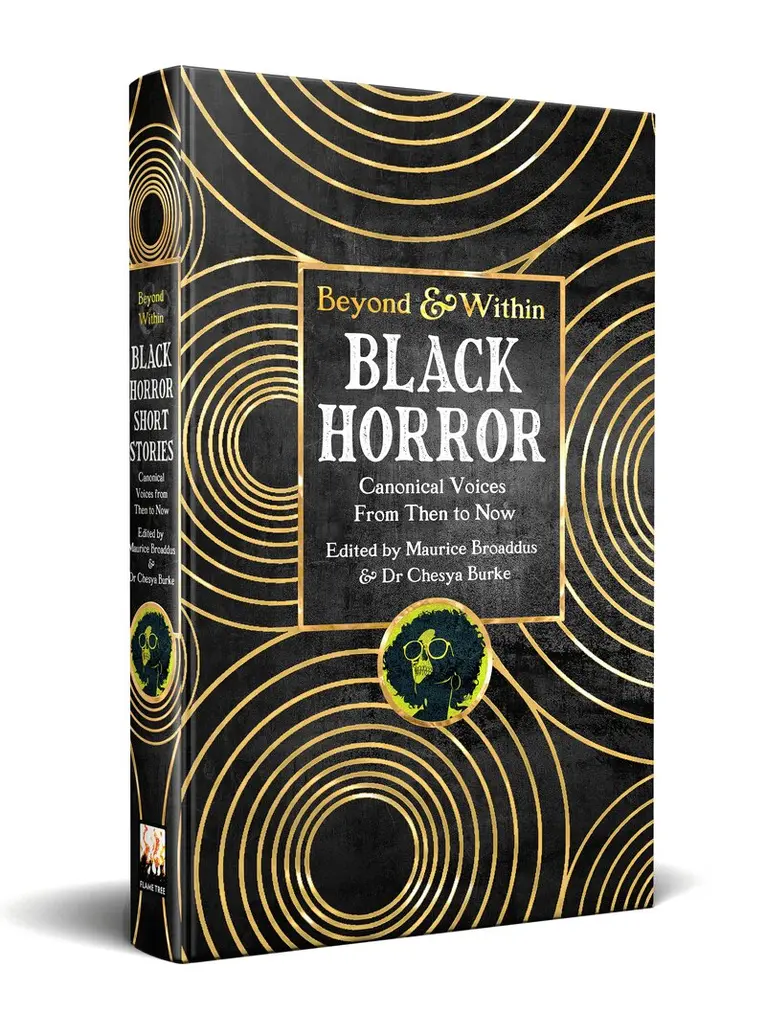
Edited by award-winning writer, community organizer and educator Maurice Broaddus and scholar, professor and award-winning author Dr. Chesya Burke, with an introduction by Dr. Burke, Black Horror: Canonical Voices from Then to Now is a landmark anthology offering the evolution of Black American literary horror while boldly imagining its future. The stories within recognize the legacy of Black horror, its literary milestones, cultural roots, and innovative voices, while pushing the genre into new, daring territory. Authors featured in the anthology include: Tananarive Due, P. Djeli Clark, Linda D. Addison, Brandon Massey, Justina Ireland, Jewelle Gomez, Sheree Renee Thomas, Wrath James White and Victor Lavalle. It also includes a small selection of stories chosen from open submissions. This book revels in the power of horror to unsettle, illuminate, or transform, while drawing from Black American cultural histories, mythologies, and lived experiences; it will surprise you with fresh nightmares, folklore, and futures, honoring the past while writing fearlessly toward tomorrow.The Flame Tree Beyond and Within short story collections bring together tales of myth and imagination by modern and contemporary writers, carefully selected by anthologists, and sometimes featuring short stories from a single author. Overall, the series presents a wide range of diverse and inclusive voices with myth, folkloric-inflected short fiction, and an emphasis on the supernatural, science fiction, the mysterious and the speculative. The books themselves are gorgeous, with foiled covers, printed edges and published only in hardcover editions, offering a lifetime of reading pleasure.
248 kr
Skickas inom 5-8 vardagar
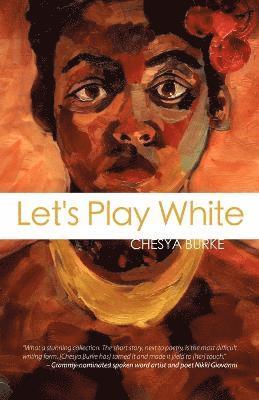
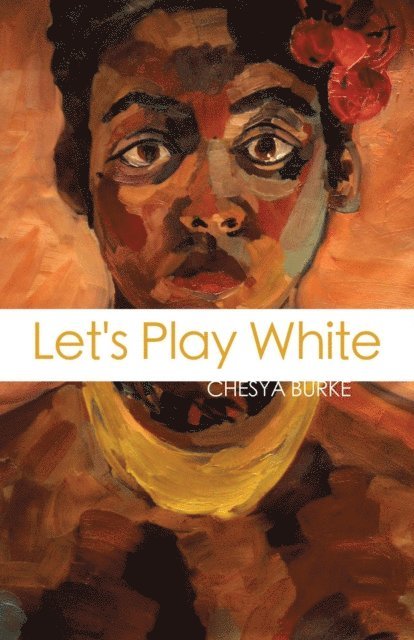
White brings with it dreams of respect, of wealth, of simply being treated as a human being. It's the one thing Walter will never be. But what if he could play white, the way so many others seem to do? Would it bring him privilege or simply deny the pain? The title story in this collection asks those questions, and then moves on to challenge notions of race, privilege, personal choice, and even life and death with equal vigor. From the spectrum spanning despair and hope in "What She Saw When They Flew Away" to the stark weave of personal struggles in "Chocolate Park," Let's Play White speaks with the voices of the overlooked and unheard. "I Make People Do Bad Things" shines a metaphysical light on Harlem's most notorious historical madame, and then, with a deft twist into melancholic humor, "Cue: Change" brings a zombie-esque apocalypse, possibly for the betterment of all mankind. Gritty and sublime, the stories of Let's Play White feature real people facing the worlds they're given, bringing out the best and the worst of what it means to be human. If you're ready to slip into someone else's skin for a while, then it's time to come play white.Blurbs: "These raw, brutal stories, often with intriguingly open endings, display an odd and unsettling relationships to the poetry of violence. These dark tales announce the arrival of a formidable new master of the macabre." -Samuel R. Delany, author of Dhalgren and Through the Valley of the Nest of Spiders "What a stunning collection. Let's Play White...and so on time. [Chesya Burke has] touched something special in [her] stories. I'm a big Octavia Butler fan and I see a peek of that as well as some latter-day Toni Morrison [within these pages]. I see the light and warmth [Chesya is] offering. There definitely is magic in that. The short story, next to poetry, is the most difficult writing form. [Chesya has] tamed it and made it yield to [her] touch." -Nikki Giovanni, Grammy-nominated spoken word artist and poet Cover Artist: Jordan Casteel About the Author: Chesya Burke has published over forty short stories in various venues including Dark Dreams: Horror and Suspense by Black Writers, Voices From the Other Side, and Whispers in the Night, each published by Kensington Publishing Corp. as well as the historical, science, and speculative fiction magazine, Would That It Were, and many more.Several of her articles appeared in the African American National Biography, published by Harvard and Oxford University Press, and she won the 2004 Twilight Tales award for short fiction. Chesya attends Agnes Scott College, where she studies creative writing and the African diaspora as it relates to race, class and gender. Many of these themes find themselves appearing in her fiction.
371 kr
Skickas inom 7-10 vardagar
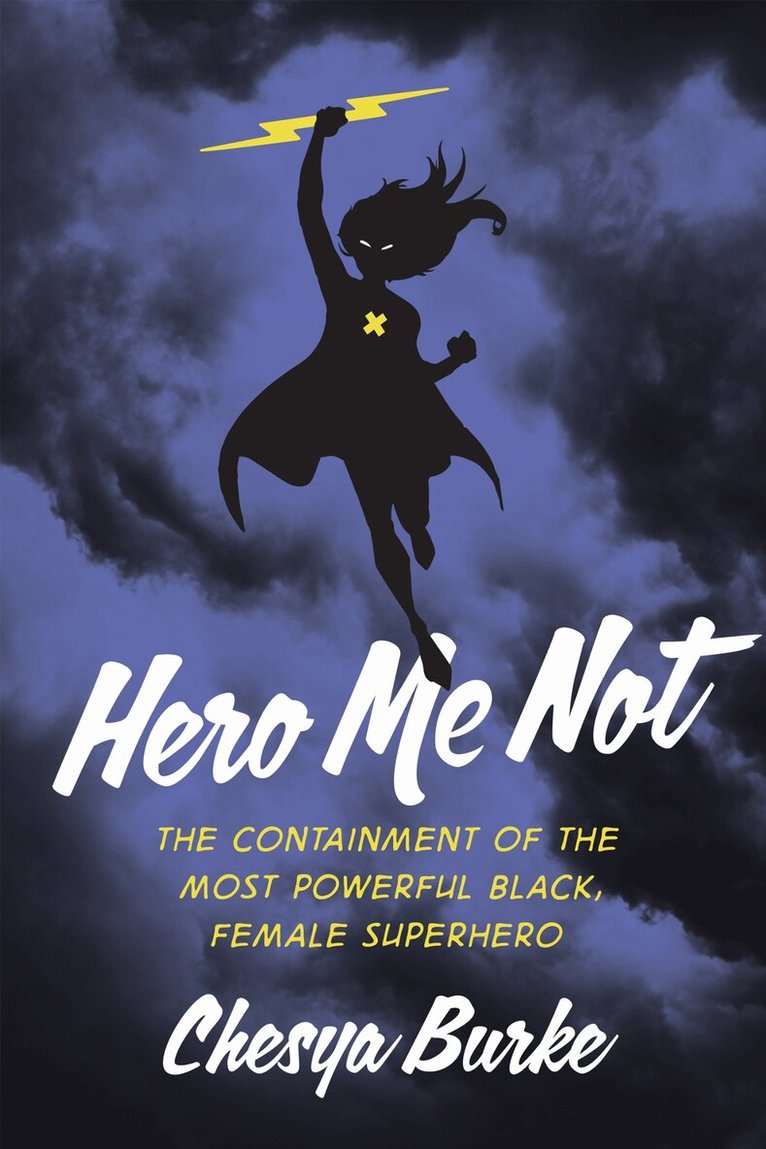
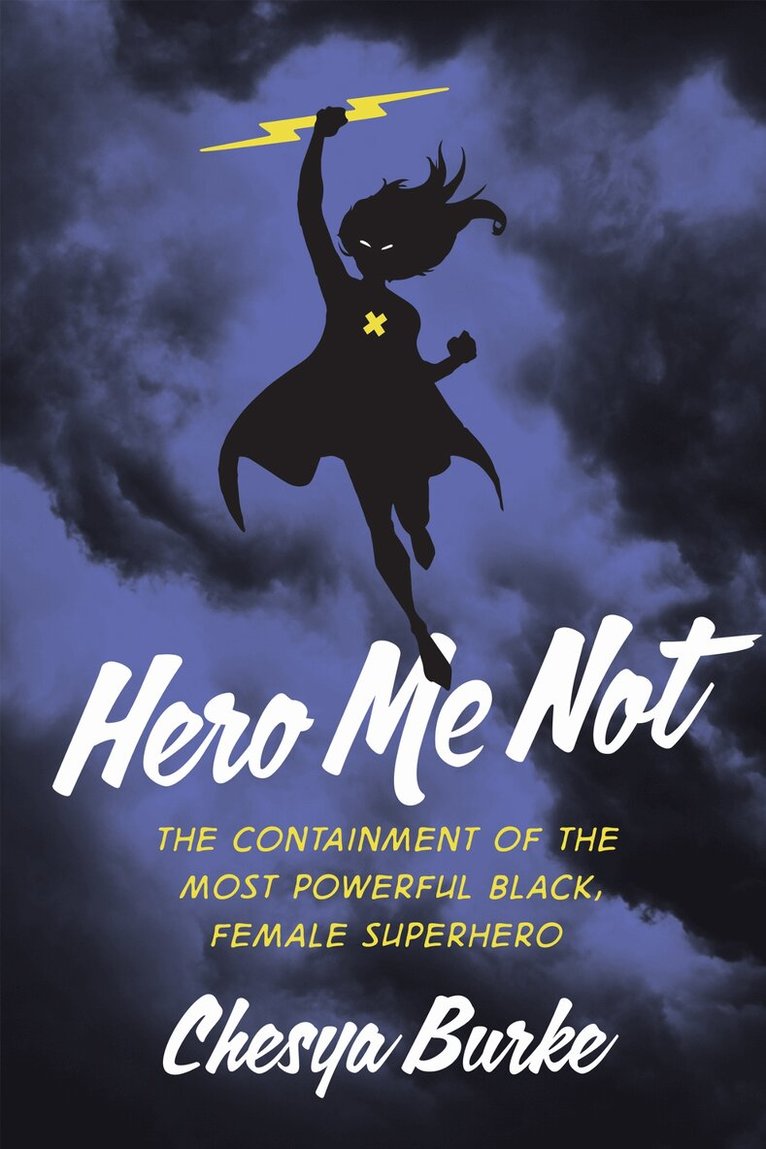
First introduced in the pages of X-Men, Storm is probably the most recognized Black female superhero. She is also one of the most powerful characters in the Marvel Universe, with abilities that allow her to control the weather itself. Yet that power is almost always deployed in the service of White characters, and Storm is rarely treated as an authority figure. Hero Me Not offers an in-depth look at this fascinating yet often frustrating character through all her manifestations in comics, animation, and films. Chesya Burke examines the coding of Storm as racially "exotic," an African woman who nonetheless has bright white hair and blue eyes and was portrayed onscreen by biracial actresses Halle Berry and Alexandra Shipp. She shows how Storm, created by White writers and artists, was an amalgam of various Black stereotypes, from the Mammy and the Jezebel to the Magical Negro, resulting in a new stereotype she terms the Negro Spiritual Woman. With chapters focusing on the history, transmedia representation, and racial politics of Storm, Burke offers a very personal account of what it means to be a Black female comics fan searching popular culture for positive images of powerful women who look like you.
1 806 kr
Skickas inom 7-10 vardagar
First introduced in the pages of X-Men, Storm is probably the most recognized Black female superhero. She is also one of the most powerful characters in the Marvel Universe, with abilities that allow her to control the weather itself. Yet that power is almost always deployed in the service of White characters, and Storm is rarely treated as an authority figure. Hero Me Not offers an in-depth look at this fascinating yet often frustrating character through all her manifestations in comics, animation, and films. Chesya Burke examines the coding of Storm as racially "exotic," an African woman who nonetheless has bright white hair and blue eyes and was portrayed onscreen by biracial actresses Halle Berry and Alexandra Shipp. She shows how Storm, created by White writers and artists, was an amalgam of various Black stereotypes, from the Mammy and the Jezebel to the Magical Negro, resulting in a new stereotype she terms the Negro Spiritual Woman. With chapters focusing on the history, transmedia representation, and racial politics of Storm, Burke offers a very personal account of what it means to be a Black female comics fan searching popular culture for positive images of powerful women who look like you.