Chiara Cordelli - Böcker
Visar alla böcker från författaren Chiara Cordelli. Handla med fri frakt och snabb leverans.
5 produkter
5 produkter
786 kr
Skickas inom 7-10 vardagar
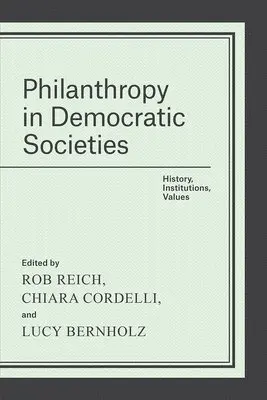
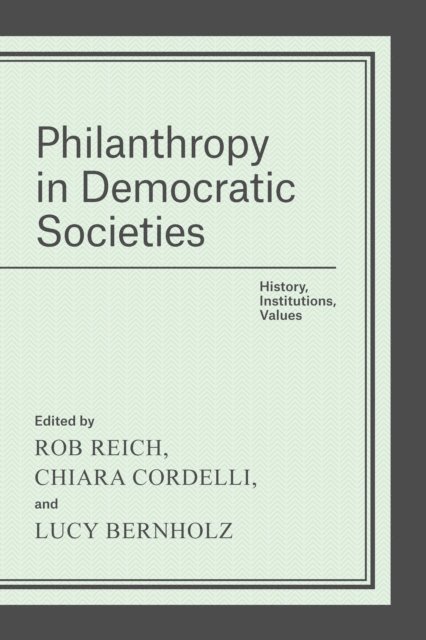
Philanthropy is everywhere. In 2013, in the United States alone, some $330 billion was recorded in giving, from large donations by the wealthy all the way down to informal giving circles. We tend to think of philanthropy as unequivocally good, but as the contributors to this book show, philanthropy is also an exercise of power. And like all forms of power, especially in a democratic society, it deserves scrutiny. Yet it rarely has been given serious attention. This book fills that gap, bringing together expert philosophers, sociologists, political scientists, historians, and legal scholars to ask fundamental and pressing questions about philanthropy’s role in democratic societies. The contributors balance empirical and normative approaches, exploring both the roles philanthropy has actually played in societies and the roles it should play. They ask a multitude of questions: When is philanthropy good or bad for democracy? How does, and should, philanthropic power interact with expectations of equal citizenship and democratic political voice? What makes the exercise of philanthropic power legitimate? What forms of private activity in the public interest should democracy promote, and what forms should it resist? Examining these and many other topics, the contributors offer a vital assessment of philanthropy at a time when its power to affect public outcomes has never been greater.
259 kr
Skickas inom 7-10 vardagar
Philanthropy is everywhere. In 2013, in the United States alone, some $330 billion was recorded in giving, from large donations by the wealthy all the way down to informal giving circles. We tend to think of philanthropy as unequivocally good, but as the contributors to this book show, philanthropy is also an exercise of power. And like all forms of power, especially in a democratic society, it deserves scrutiny. Yet it rarely has been given serious attention. This book fills that gap, bringing together expert philosophers, sociologists, political scientists, historians, and legal scholars to ask fundamental and pressing questions about philanthropy’s role in democratic societies. The contributors balance empirical and normative approaches, exploring both the roles philanthropy has actually played in societies and the roles it should play. They ask a multitude of questions: When is philanthropy good or bad for democracy? How does, and should, philanthropic power interact with expectations of equal citizenship and democratic political voice? What makes the exercise of philanthropic power legitimate? What forms of private activity in the public interest should democracy promote, and what forms should it resist? Examining these and many other topics, the contributors offer a vital assessment of philanthropy at a time when its power to affect public outcomes has never been greater.
400 kr
Skickas inom 7-10 vardagar
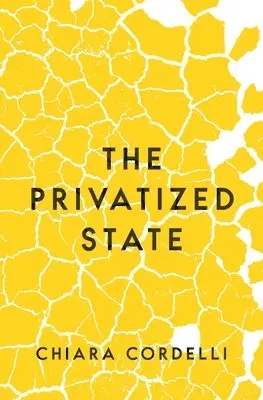
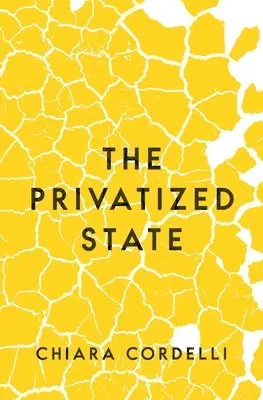
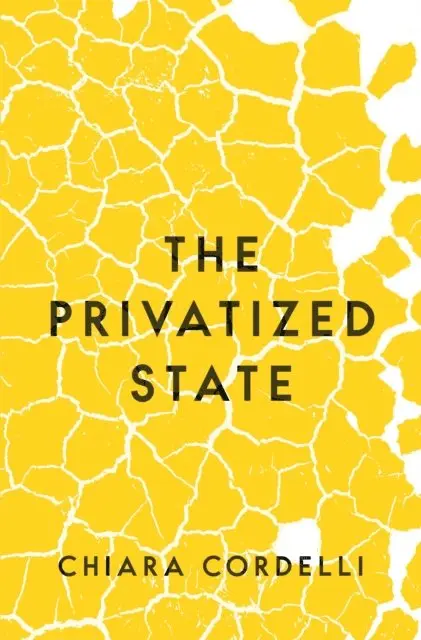
Why government outsourcing of public powers is making us less freeMany governmental functions today—from the management of prisons and welfare offices to warfare and financial regulation—are outsourced to private entities. Education and health care are funded in part through private philanthropy rather than taxation. Can a privatized government rule legitimately? The Privatized State argues that it cannot.In this boldly provocative book, Chiara Cordelli argues that privatization constitutes a regression to a precivil condition—what philosophers centuries ago called "a state of nature." Developing a compelling case for the democratic state and its administrative apparatus, she shows how privatization reproduces the very same defects that Enlightenment thinkers attributed to the precivil condition, and which only properly constituted political institutions can overcome—defects such as provisional justice, undue dependence, and unfreedom. Cordelli advocates for constitutional limits on privatization and a more democratic system of public administration, and lays out the central responsibilities of private actors in contexts where governance is already extensively privatized. Charting a way forward, she presents a new conceptual account of political representation and novel philosophical theories of democratic authority and legitimate lawmaking.The Privatized State shows how privatization undermines the very reason political institutions exist in the first place, and advocates for a new way of administering public affairs that is more democratic and just.
275 kr
Skickas inom 7-10 vardagar
Why government outsourcing of public powers is making us less freeMany governmental functions today—from the management of prisons and welfare offices to warfare and financial regulation—are outsourced to private entities. Education and health care are funded in part through private philanthropy rather than taxation. Can a privatized government rule legitimately? The Privatized State argues that it cannot.In this boldly provocative book, Chiara Cordelli argues that privatization constitutes a regression to a precivil condition—what philosophers centuries ago called "a state of nature." Developing a compelling case for the democratic state and its administrative apparatus, she shows how privatization reproduces the very same defects that Enlightenment thinkers attributed to the precivil condition, and which only properly constituted political institutions can overcome—defects such as provisional justice, undue dependence, and unfreedom. Cordelli advocates for constitutional limits on privatization and a more democratic system of public administration, and lays out the central responsibilities of private actors in contexts where governance is already extensively privatized. Charting a way forward, she presents a new conceptual account of political representation and novel philosophical theories of democratic authority and legitimate lawmaking.The Privatized State shows how privatization undermines the very reason political institutions exist in the first place, and advocates for a new way of administering public affairs that is more democratic and just.
645 kr
Skickas inom 10-15 vardagar
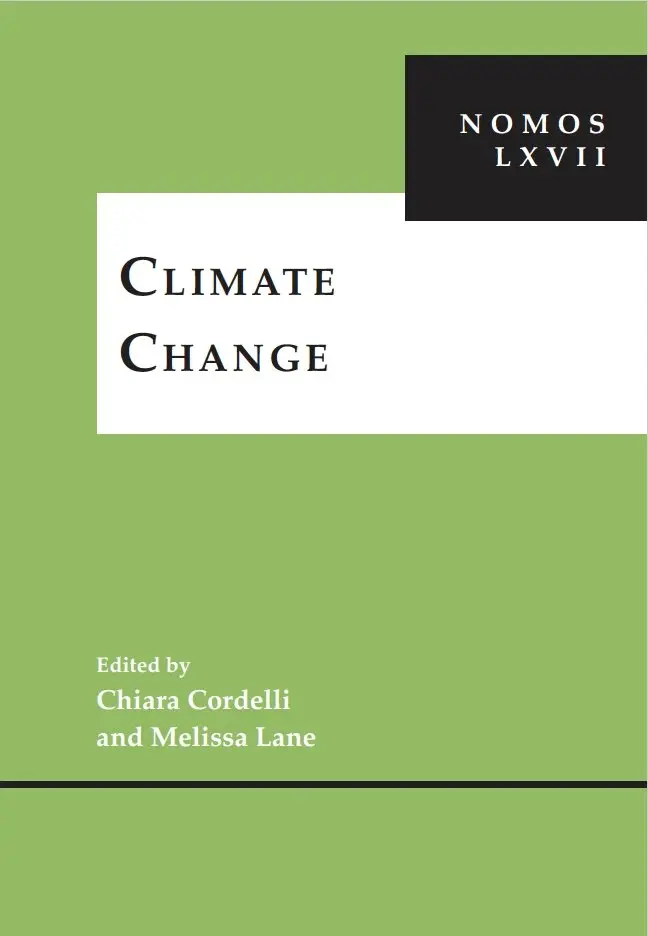
This volume focuses on three main questions surrounding the ethics and politics of climate change. The first concerns the limits of welfare economics, and of its utilitarian logic, as arguably still the dominant policy approach to climate change, and one which has loomed correspondingly large in intellectual approaches to the problem in many disciplines. Having a precise account of the limitations of welfare economics is necessary to develop not only new and more promising policy approaches, but also a more accurate account of our responsibilities towards existing and future generations.The second question investigates the very nature of the problem of climate change. Is the latter better understood as a problem of economic inefficiency, distributive injustice, republican domination, or existential unfreedom? Can a diagnosis of climate injustice proceed independently of a critical analysis of the economic and power structures within which environmental harms are produced and reproduced?Finally, there is the responsibility question. Which agents or entities (e.g. individuals, collectives, corporations, or structures) should be held morally responsible for climate change? To whom is such responsibility owed, e.g. existing people or not-yet-existing future generations? How should such responsibility, however attributed and distributed, be discharged, e.g. through a reduction of individual consumption, collective efforts at technological innovation, or by imposing immigration restrictions to limit population growth in high emitting countries?