Chiara Fedriani – författare
Visar alla böcker från författaren Chiara Fedriani. Handla med fri frakt och snabb leverans.
4 produkter
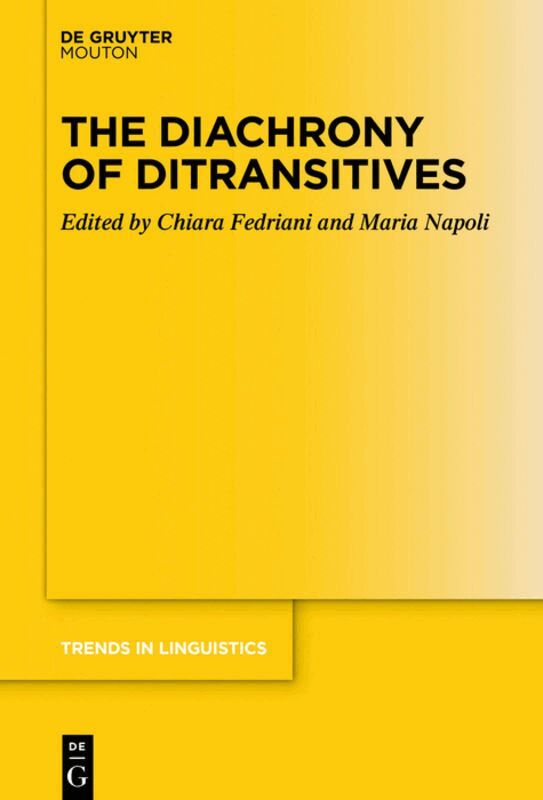
Diachrony of Ditransitives
Av Chiara Fedriani, Maria Napoli
Inbunden, 2020
1794 kr
Lägg i varukorg
While ample studies exist on ditransitives in various languages, notably from a typological perspective, more work needs to be done on identifying the main processes and factors that trigger and constrain the changes they undergo over time. The goal of this volume is to help fill this gap by …
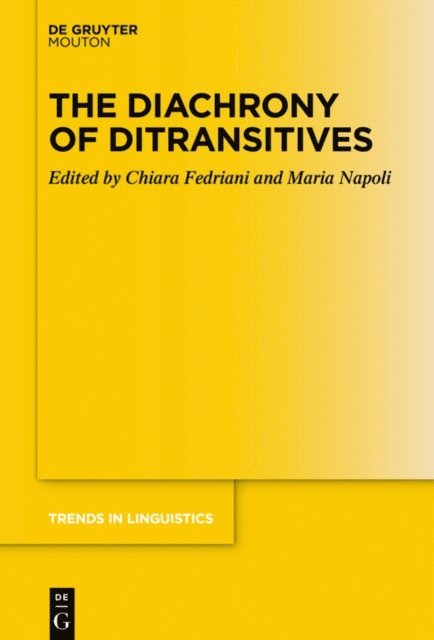
Diachrony of Ditransitives
Av Maria Napoli, Chiara Fedriani
E-bok, 2020
1841 kr
Lägg i varukorg
While ample studies exist on ditransitives in various languages, notably from a typological perspective, more work needs to be done on identifying the main processes and factors that trigger and constrain the changes they undergo over time. The goal of this volume is to help fill this gap by …
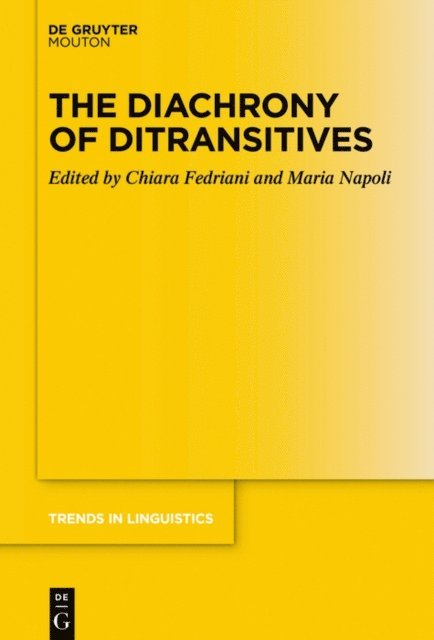
Diachrony of Ditransitives
Av Maria Napoli, Chiara Fedriani
E-bok, 2020
1814 kr
Lägg i varukorg
While ample studies exist on ditransitives in various languages, notably from a typological perspective, more work needs to be done on identifying the main processes and factors that trigger and constrain the changes they undergo over time. The goal of this volume is to help fill this gap by …
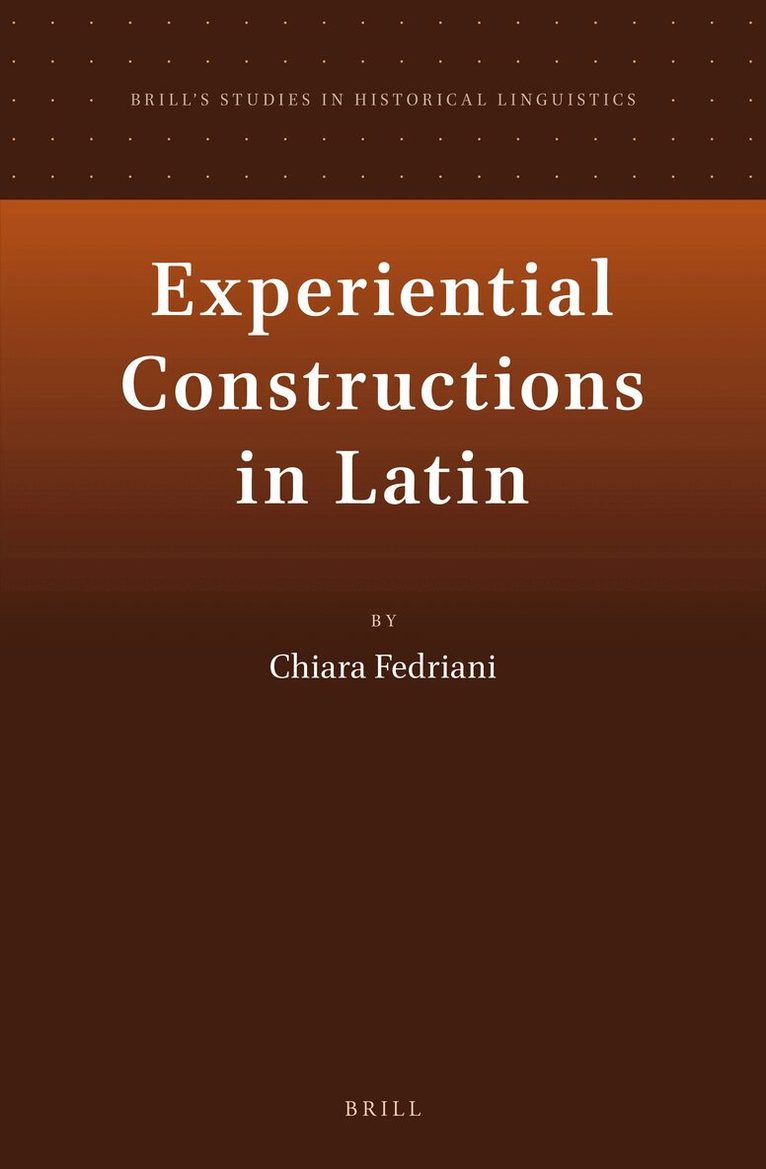
Experiential Constructions in Latin
Inbunden, 2014
2324 kr
Lägg i varukorg
This volume is about the morphosyntactic encoding of feelings and emotions in Latin. It offers a corpus-based investigation of the Latin data, benefiting from insights of the functional and typological approach to language. Chiara Fedriani describes a patterned variation in Latin Experiential …