Chip Colwell – författare
Visar alla böcker från författaren Chip Colwell. Handla med fri frakt och snabb leverans.
6 produkter
6 produkter
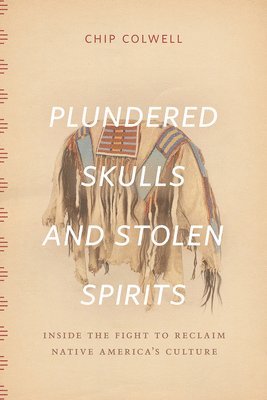
Plundered Skulls and Stolen Spirits
Inside the Fight to Reclaim Native America's Culture
Inbunden, Engelska, 2017
268 kr
Skickas inom 7-10 vardagar
Who owns the past and the objects that physically connect us to history? And who has the right to decide this ownership, particularly when the objects are sacred or, in the case of skeletal remains, human? Is it the museums that care for the objects or the communities whose ancestors made them? These questions are at the heart of Plundered Skulls and Stolen Spirits, an unflinching insider account by a leading curator who has spent years learning how to balance these controversial considerations. Five decades ago, Native American leaders launched a crusade to force museums to return their sacred objects and allow them to rebury their kin. Today, hundreds of tribes use the Native American Graves Protection and Repatriation Act to help them recover their looted heritage from museums across the country. As senior curator of anthropology at the Denver Museum of Nature & Science, Chip Colwell has navigated firsthand the questions of how to weigh the religious freedom of Native Americans against the academic freedom of scientists and whether the emptying of museum shelves elevates human rights or destroys a common heritage.This book offers his personal account of the process of repatriation, following the trail of four objects as they were created, collected, and ultimately returned to their sources: a sculpture that is a living god, the scalp of a massacre victim, a ceremonial blanket, and a skeleton from a tribe considered by some to be extinct. These specific stories reveal a dramatic process that involves not merely obeying the law, but negotiating the blurry lines between identity and morality, spirituality and politics. Things, like people, have biographies. Repatriation, Colwell argues, is a difficult but vitally important way for museums and tribes to acknowledge that fact and heal the wounds of the past while creating a respectful approach to caring for these rich artifacts of history.
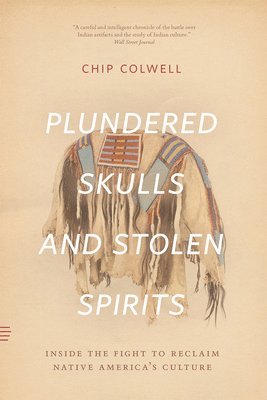
Plundered Skulls and Stolen Spirits
Inside the Fight to Reclaim Native America's Culture
Häftad, Engelska, 2019
195 kr
Skickas inom 7-10 vardagar
Who owns the past and the objects that physically connect us to history? And who has the right to decide this ownership, particularly when the objects are sacred or, in the case of skeletal remains, human? Is it the museums that care for the objects or the communities whose ancestors made them? These questions are at the heart of Plundered Skulls and Stolen Spirits, an unflinching insider account by a leading curator who has spent years learning how to balance these controversial considerations.Five decades ago, Native American leaders launched a crusade to force museums to return their sacred objects and allow them to rebury their kin. Today, hundreds of tribes use the Native American Graves Protection and Repatriation Act to help them recover their looted heritage from museums across the country. As senior curator of anthropology at the Denver Museum of Nature & Science, Chip Colwell has navigated firsthand the questions of how to weigh the religious freedom of Native Americans against the academic freedom of scientists and whether the emptying of museum shelves elevates human rights or destroys a common heritage. This book offers his personal account of the process of repatriation, following the trail of four objects as they were created, collected, and ultimately returned to their sources: a sculpture that is a living god, the scalp of a massacre victim, a ceremonial blanket, and a skeleton from a tribe considered by some to be extinct. These specific stories reveal a dramatic process that involves not merely obeying the law, but negotiating the blurry lines between identity and morality, spirituality and politics.Things, like people, have biographies. Repatriation, Colwell argues, is a difficult but vitally important way for museums and tribes to acknowledge that fact--and heal the wounds of the past while creating a respectful approach to caring for these rich artifacts of history.
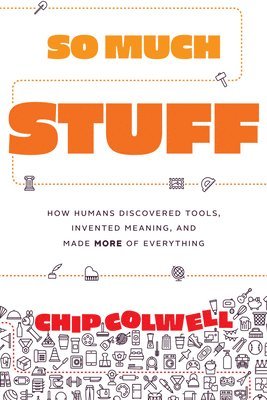
So Much Stuff: How Humans Discovered Tools, Invented Meaning, and Made More of Everything
Inbunden, Engelska, 2023
243 kr
Skickas inom 7-10 vardagar
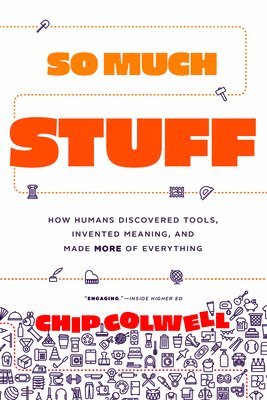
So Much Stuff
How Humans Discovered Tools, Invented Meaning, and Made More of Everything
Häftad, Engelska, 2024
170 kr
Skickas inom 7-10 vardagar
How humans became so dependent on things and how this need has grown dangerously out of control. Over three million years ago, our ancient ancestors realized that rocks could be broken into sharp-edged objects for slicing meat, making the first knives. This discovery resulted in a good meal and eventually changed the fate of our species and our planet. With So Much Stuff, archaeologist Chip Colwell sets out to investigate why humankind went from self-sufficient primates to nonstop shoppers, from needing nothing to needing everything. Along the way, he uncovers spectacular and strange points around the world—an Italian cave with the world’s first known painted art, a Hong Kong skyscraper where a priestess channels the gods, and a mountain of trash that rivals the Statue of Liberty. Through these examples, Colwell shows how humanity took three leaps that led to stuff becoming inseparable from our lives, inspiring a love affair with things that may lead to our downfall. Now, as landfills brim and oceans drown in trash, Colwell issues a timely call to reevaluate our relationship with the things that both created and threaten to undo our overstuffed planet.
387 kr
Skickas inom 7-10 vardagar
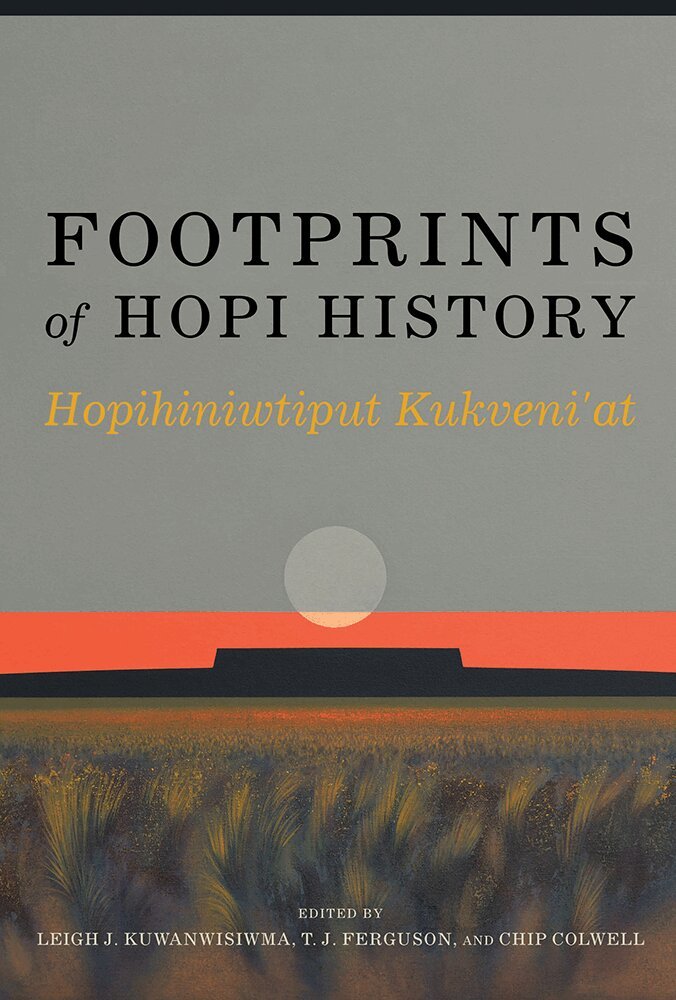
Kukveni 'footprints' are a powerful historical metaphor that the Hopi people use to comprehend their tangible heritage. Hopis say that the deity Máasaw instructed their ancestors to leave footprints during their migrations from their origin place to their home today as evidence that they had fulfilled a spiritual pact to serve as stewards of his land. Today's Hopis understand these footprints to be the archaeological remains of former settlements - pottery sherds, stone tools, petroglyphs, and other physical evidence of past use and occupation of the land.The fourteen chapters in Footprints of Hopi History: Hopihiniwtiput Kukveni’at focus on these Hopi footprints as they are understood through a variety of research techniques, including archaeology, ethnography, documentary history, plant genetics, and educational outreach. The editors and contributors offer fresh and innovative perspectives on Hopi archaeology and history, and demonstrate how one tribe has significantly advanced knowledge about its past through collaboration with archaeologists and cultural anthropologists.The book features managerial uses of research, cultural landscape theory, use of GIS in research, archaeological interpretations of social identity and immigration, analysis of corn genetics, heritage education of youth, and research of oral traditions and documentary history. Footprints of Hopi History highlights the Hopi tribe's leadership in sustained efforts to create bridges between tribal goals and anthropology, forging a path for others to follow.
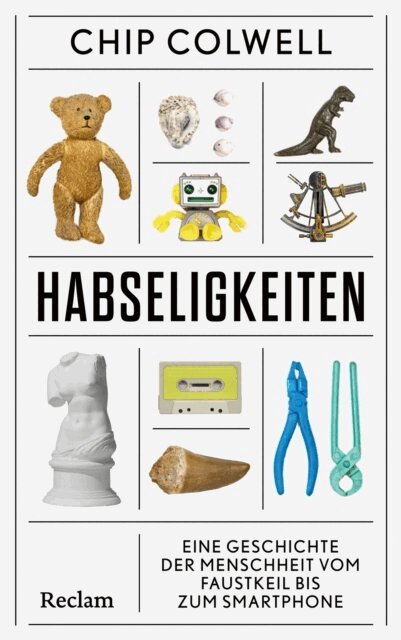
Habseligkeiten. Eine Geschichte der Menschheit vom Faustkeil bis zum Smartphone
Inbunden, Tyska, 2025
375 kr
Skickas inom 3-6 vardagar