Chris Beneke – författare
Visar alla böcker från författaren Chris Beneke. Handla med fri frakt och snabb leverans.
12 produkter
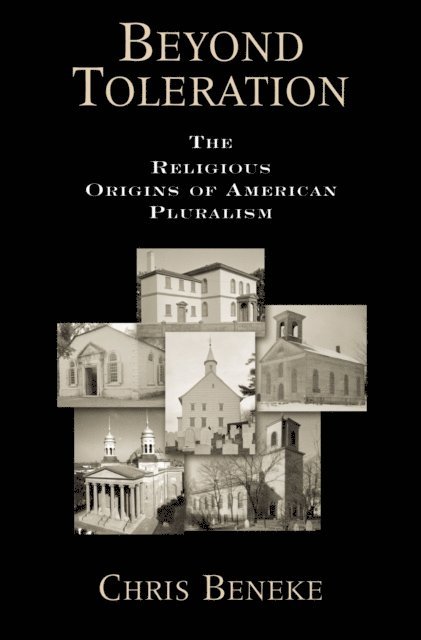
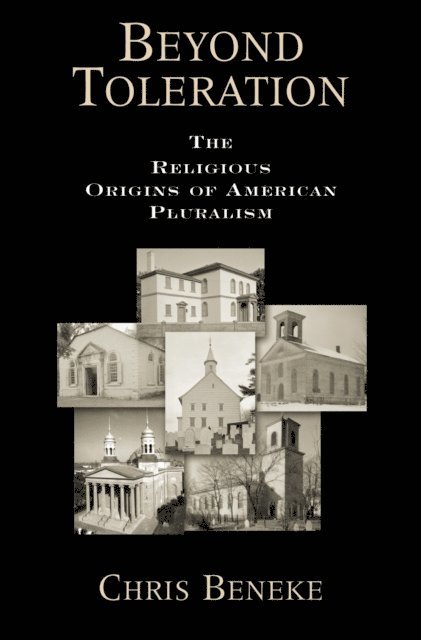
Beyond Toleration
The Religious Origins of American Pluralism
Av Chris Beneke
E-bok, 2006
440 kr
Lägg i varukorg
At its founding, the United States was one of the most religiously diverse places in the world. Baptists, Methodists, Catholics, Episcopalians, Presbyterians, Congregationalists, Quakers, Dutch Reformed, German Reformed, Lutherans, Huguenots, Dunkers, Jews, Moravians, and Mennonites populated the …
Beyond Toleration
The Religious Origins of American Pluralism
Av Chris Beneke
Inbunden, 2006
1335 kr
Lägg i varukorg
At its founding, the United States was one of the most religiously diverse places in the world. Baptists, Methodists, Catholics, Episcopalians, Presbyterians, Congregationalists, Quakers, Dutch Reformed, German Reformed, Lutherans, Huguenots, Dunkers, Jews, Moravians, and Mennonites populated the …
Beyond Toleration
The Religious Origins of American Pluralism
Av Chris Beneke
Häftad, 2008
618 kr
Lägg i varukorg
The legal changes that brought religious liberty to the United States have been thoroughly documented. But no one has explained how 18th-century Americans managed to accommodate the religious differences that had produced so much bloodshed in the past. Drawing on pamphlets and broadsides, newspaper …
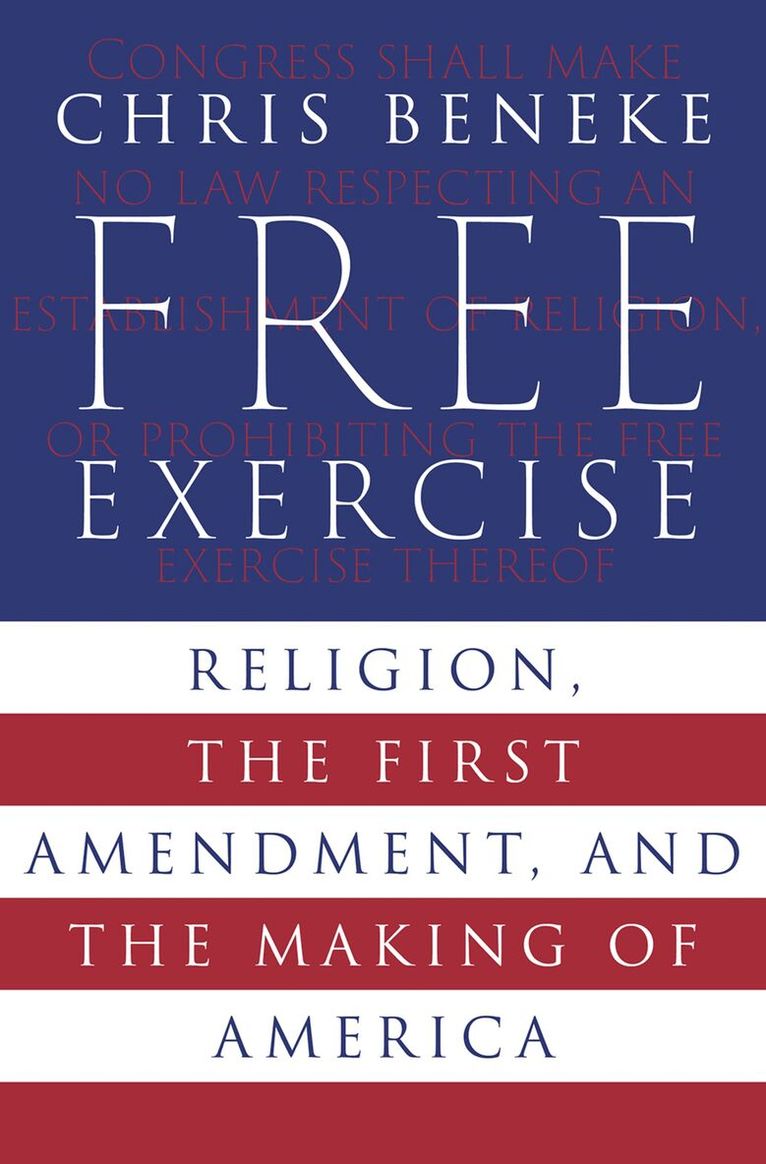
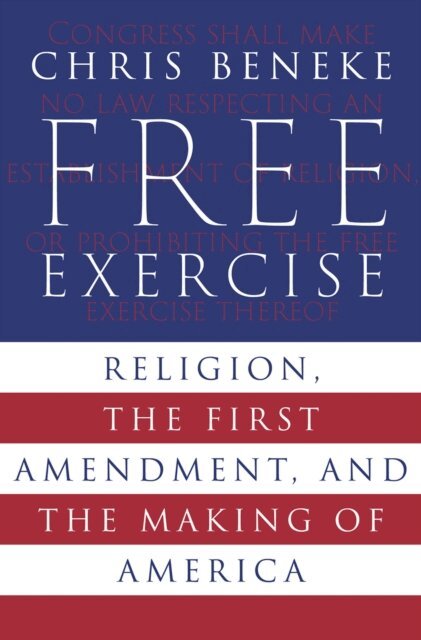
Free Exercise
Religion, the First Amendment, and the Making of America
Av Chris Beneke
Inbunden, 2025
337 kr
Lägg i varukorg
CONGRESS SHALL MAKE NO LAW RESPECTING AN ESTABLISHMENT OF RELIGION, OR PROHIBITING THE FREE EXERCISE THEREOF. Those words, scratched on parchment in 1789, open the U.S. Constitution's First Amendment. From them, countless interpretations have been drawn. As a consequence, an astonishing variety of …
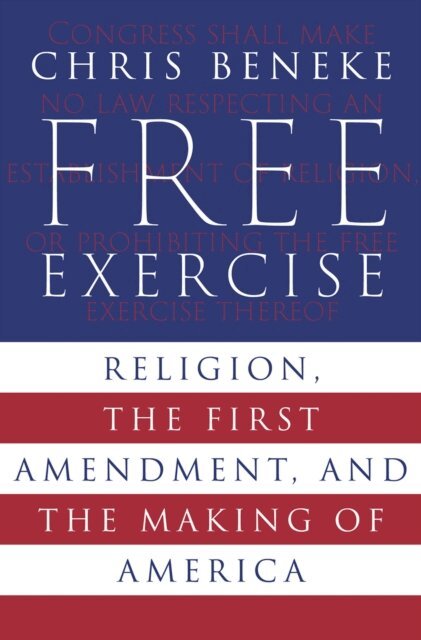
Free Exercise
Religion, the First Amendment, and the Making of America
Av Chris Beneke
E-bok, 2024
310 kr
Lägg i varukorg
CONGRESS SHALL MAKE NO LAW RESPECTING AN ESTABLISHMENT OF RELIGION, OR PROHIBITING THE FREE EXERCISE THEREOF. Those words, scratched on parchment in 1789, open the U.S. Constitution''s First Amendment. From them, countless interpretations have been drawn. As a consequence, an astonishing variety of …
Free Exercise
Religion, the First Amendment, and the Making of America
Av Chris Beneke
E-bok, 2024
310 kr
Lägg i varukorg
CONGRESS SHALL MAKE NO LAW RESPECTING AN ESTABLISHMENT OF RELIGION, OR PROHIBITING THE FREE EXERCISE THEREOF. Those words, scratched on parchment in 1789, open the U.S. Constitution''s First Amendment. From them, countless interpretations have been drawn. As a consequence, an astonishing variety of …
Beyond Toleration
The Religious Origins of American Pluralism
Av Chris Beneke
E-bok, 2008
440 kr
Lägg i varukorg
At its founding, the United States was one of the most religiously diverse places in the world. Baptists, Methodists, Catholics, Episcopalians, Presbyterians, Congregationalists, Quakers, Dutch Reformed, German Reformed, Lutherans, Huguenots, Dunkers, Jews, Moravians, and Mennonites populated the …
Profane
Sacrilegious Expression in a Multicultural Age
Av Christopher S. Grenda, Chris Beneke m. fl.
Inbunden, 2014
799 kr
Lägg i varukorg
Humans have been uttering profane words, and incurring the consequences, for millennia. But recent events--from the violence that followed Danish newspaper cartoons depicting the Prophet Mohammed, in 2006, to the furor over The Innocence of Muslims, in 2012--indicate that blasphemy has reemerged in …
First Prejudice
Religious Tolerance and Intolerance in Early America
Av Chris Beneke, Christopher S. Grenda
E-bok, 2011
554 kr
Lägg i varukorg
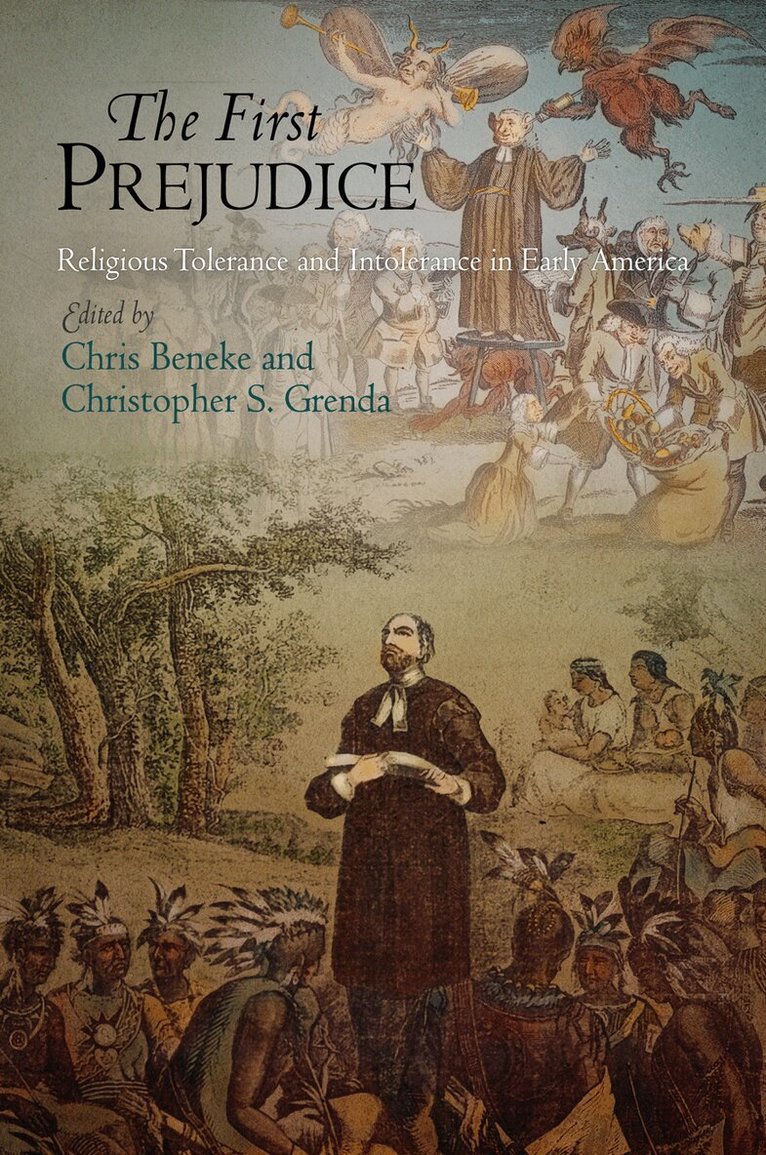
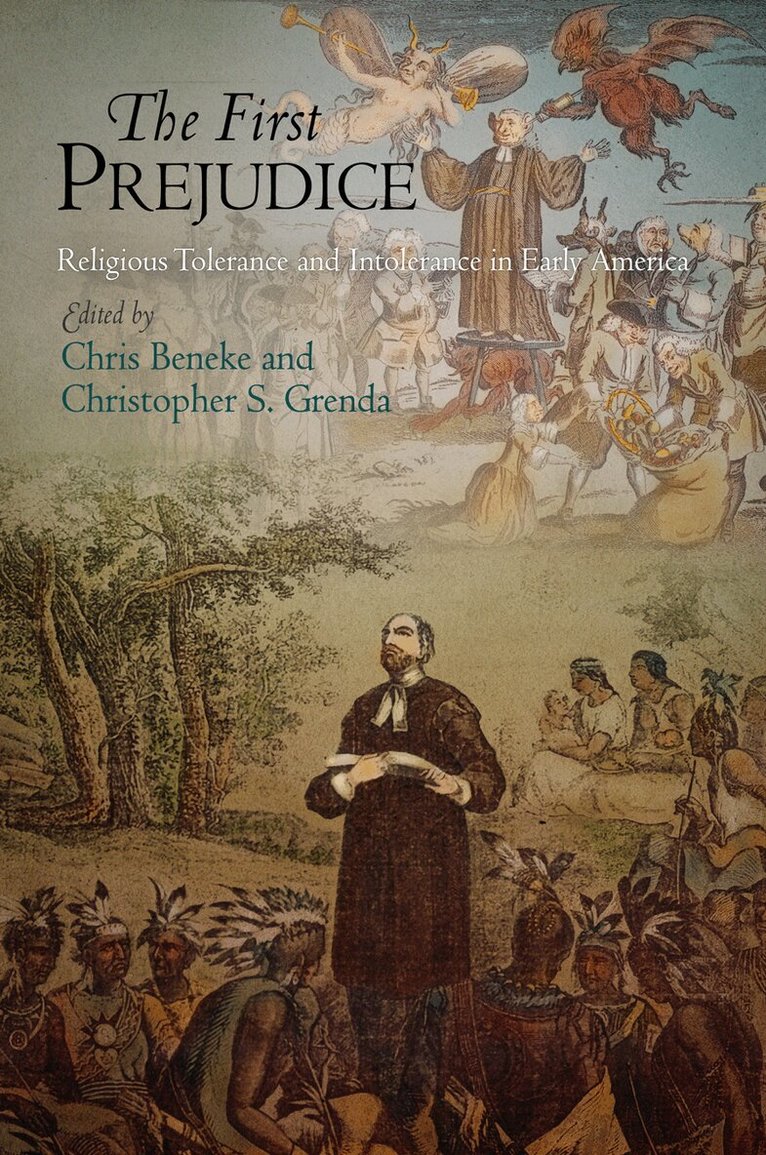
In many ways, religion was the United States' first prejudice-both an early source of bigotry and the object of the first sustained efforts to limit its effects. Spanning more than two centuries across colonial British America and the United States, The First Prejudice offers a groundbreaking …
First Prejudice
Religious Tolerance and Intolerance in Early America
Av Chris Beneke, Christopher S. Grenda
Häftad, 2014
446 kr
Lägg i varukorg
In many ways, religion was the United States' first prejudice-both an early source of bigotry and the object of the first sustained efforts to limit its effects. Spanning more than two centuries across colonial British America and the United States, The First Prejudice offers a groundbreaking …
Lively Experiment
Religious Toleration in America from Roger Williams to the Present
Av Chris Beneke, Christopher S. Grenda
Inbunden, 2015
1137 kr
Lägg i varukorg
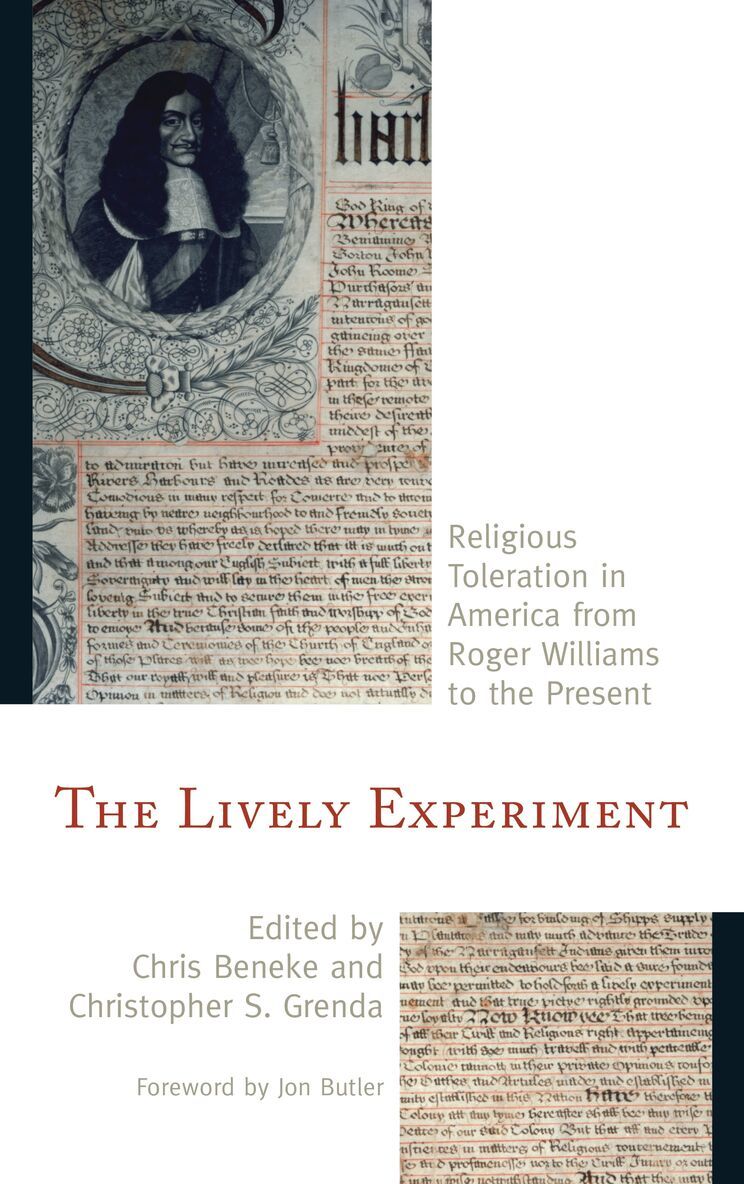
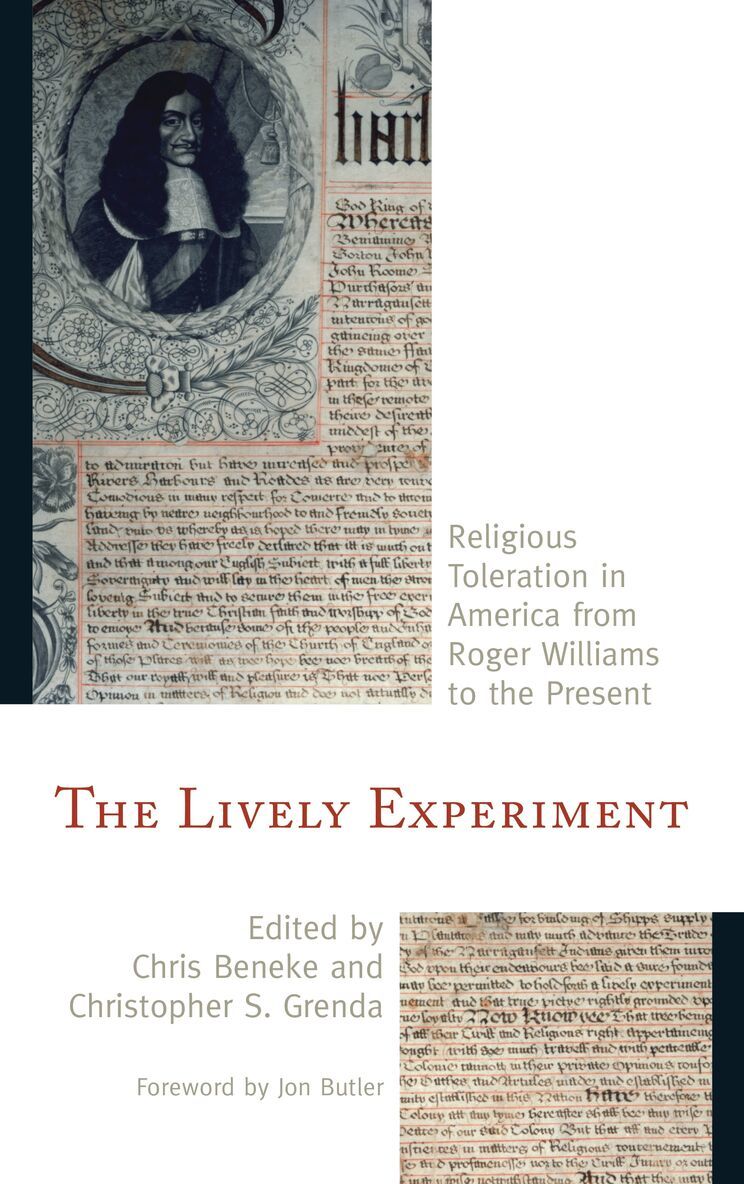
Three hundred and fifty years ago, Roger Williams launched one of the world’s first great experiments in religious toleration. Insisting that religion be separated from civil power, he founded Rhode Island, a colony that welcomed people of many faiths. Though stark forms of intolerance persisted, …
Lively Experiment
Religious Toleration in America from Roger Williams to the Present
Av Chris Beneke, Christopher S. Grenda
Häftad, 2016
558 kr
Lägg i varukorg
Three hundred and fifty years ago, Roger Williams launched one of the world’s first great experiments in religious toleration. Insisting that religion be separated from civil power, he founded Rhode Island, a colony that welcomed people of many faiths. Though stark forms of intolerance persisted, …