• Fri frakt över 249 kr
  • •
  • Snabba leveranser
  • •
  • Billiga böcker
Kundservice

Du är på sajten för privatpersoner.

Företag, bibliotek eller offentlig verksamhet?

Du handlar på classic.bokus.com, där alla dina funktioner finns intakta.
Till classic.bokus.com
Bokus logotyp. Gå till startsidan.
  • Erbjudanden
  • Student
  • Topplistor
  • Barn & ungdom
  • Bokus Play
  • E-böcker
  • Ljudböcker
  • Pocketböcker
  • Spel och pussel

Pocketfynda! Hundratals böcker för 49 kr/st →

Sidfot

Mina sidor

    Hjälp

    • Kundservice
    • Vanliga frågor och svar
    • Frakt och leverans
    • Retur vid ångerrätt
    • Reklamera vara
    • Betalning
    • Köpvillkor
    • Allmänna villkor
    • Information om webbplatsens tillgänglighet

    Om Bokus

    • Om oss
    • Pressrum
    • För studenter
    • För företag
    • För bibliotek och offentlig verksamhet
    • För leverantörer
    • Hållbarhet

    Populärt

    • Aktuella erbjudanden
    • Presentkort
    • Studentlitteratur
    • Nya böcker
    • Topplistor
    • Signerade böcker
    • Engelska böcker

    Inspiration

    • Boktips
    • BookTok
    • Barnbokskaraktärer
    • Populära författare
    Logotyp för Bokus
    Följ oss på Facebook (extern länk)Följ oss på Instagram (extern länk)Följ oss på YouTube (extern länk)Följ oss på TikTok (extern länk)
    bokus @ CookiesAnpassa cookiesIntegritetspolicyKöpvillkor
    Till Citymail hemsida (extern länk)Till Budbee hemsida (extern länk)Till Postnord hemsida (extern länk)Till Schenker hemsida (extern länk)Till Early Bird hemsida (extern länk)Till Walleys hemsida (extern länk)
    1. Filosofi och religion
    2. Religion och tro
    3. Religion: allmänt

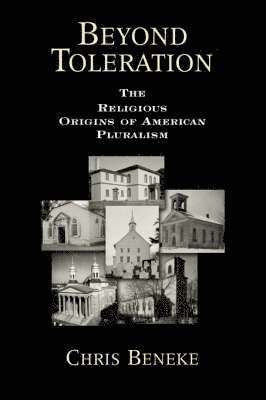
    Beyond Toleration

    The Religious Origins of American Pluralism

    AvChris Beneke

    Häftad, Engelska, 2008

    598 kr

    Beställningsvara. Skickas inom 5-8 vardagar. Fri frakt över 249 kr.

    Fler format och utgåvor

    E-bok

    391 kr

    Inbunden

    1 293 kr

    E-bok

    391 kr

    Beskrivning

    The legal changes that brought religious liberty to the United States have been thoroughly documented. But no one has explained how 18th-century Americans managed to accommodate the religious differences that had produced so much bloodshed in the past. Drawing on pamphlets and broadsides, newspaper exchanges, document collections, personal diaries, church records, and legislative journals, Chris Beneke shows how early Americans learned to live amid a great diversity of beliefs and modes of worship. He briefly summarizes the long history of persecution in Europe and America, and then examines the factors that contributed to the cultural revolution that took place in the realm of ideas and public norms in America. Beneke is the first to offer a systematic explanation of how a people who still cared deeply about the fate of their immortal souls could manage to live with those who held significantly different beliefs about God and the church - in other words, how Americans learned to live with differences in matters of the highest importance to them, and found a way to articulate these differences without offense.

    Produktinformation

    • Utgivningsdatum:2008-08-29
    • Mått:156 x 234 x 17 mm
    • Vikt:449 g
    • Format:Häftad
    • Språk:Engelska
    • Antal sidor:320
    • Förlag:OUP USA
    • ISBN:9780195382662

    Utforska kategorier

    • Religion: allmänt inom Filosofi och religion
    • Amerikas historia inom Historia och arkeologi
    • Kristendom inom Filosofi och religion

    Mer om författaren

    Chris Beneke is Assistant Professor of History at Bentley College in Waltham, MA. He received his bachelor's degree from Cornell University and his Ph.D. from Northwestern University.

    Recensioner i media

    In this well-written book, Chris Beneke argues that American colonials, even before the American revolution, had moved beyond the legal toleration of religious dissenters to create a pluralist culture that made the category of religious dissenter irrelevant. Several centuries later Americans still wrestle with the meaning of cultural pluralism, but Beneke correctly insists that men and women of ardent faith first made the concept central to the concept of liberty.