Chris Gaffney – författare
Visar alla böcker från författaren Chris Gaffney. Handla med fri frakt och snabb leverans.
3 produkter
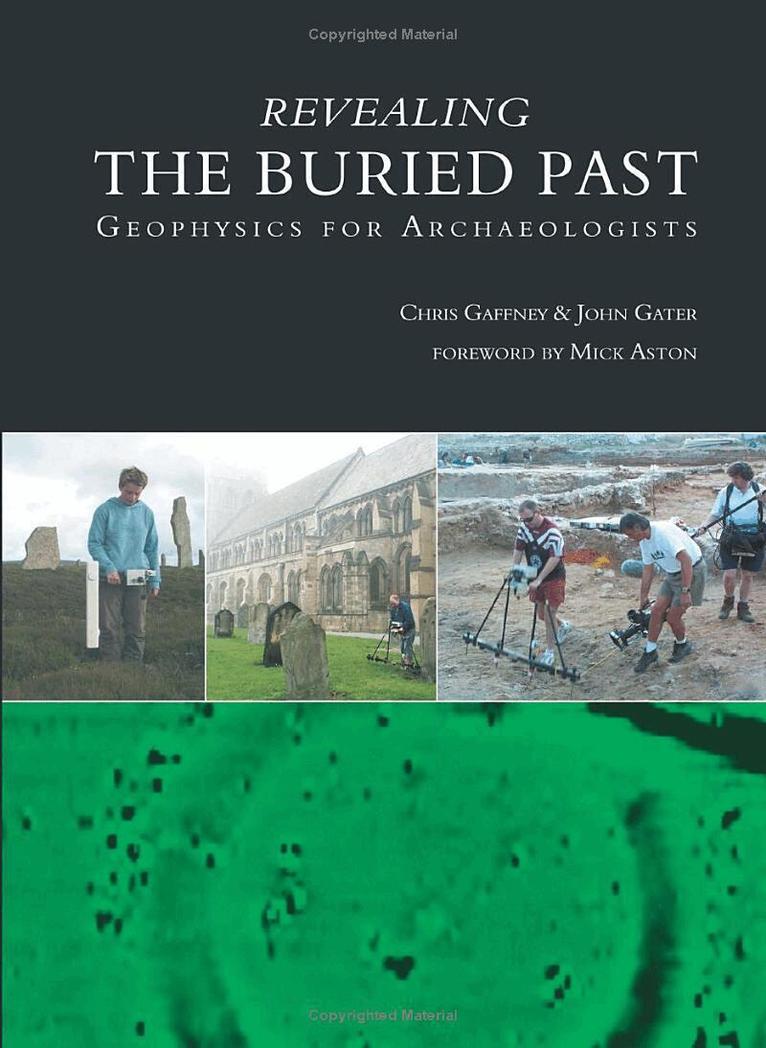
Revealing the Buried Past
Geophysics for Archaeologists
Häftad, 2003
274 kr
Lägg i varukorg
Thanks to ever-more sophisticated technology archaeologists can identify much that is beneath the soil without having to excavate. From Pitt-Rivers banging the surface of the ground with a pick in the late nineteenth century, through Atkinson's revolutionary use of the 'Megger-Earth Tester', to …
Magnetometry for Archaeologists
Av Arnold Aspinall, Chris Gaffney m. fl.
Inbunden, 2008
1458 kr
Lägg i varukorg
Magnetometry for Archaeologists covers the most widely used method for archaeological surveying. Authors Arnold Aspinall, Chris Gaffney, and Armin Schmidt recount the history of magnetometers from their inception through today's state-of-the-art detectors, explain the physics behind the different …
Magnetometry for Archaeologists
Av Arnold Aspinall, Chris Gaffney m. fl.
Häftad, 2009
875 kr
Lägg i varukorg
Magnetometry for Archaeologists covers the most widely used method for archaeological surveying. Authors Arnold Aspinall, Chris Gaffney, and Armin Schmidt recount the history of magnetometers from their inception through today's state-of-the-art detectors, explain the physics behind the different …