Chris Loendorf - Böcker
Visar alla böcker från författaren Chris Loendorf. Handla med fri frakt och snabb leverans.
3 produkter
3 produkter
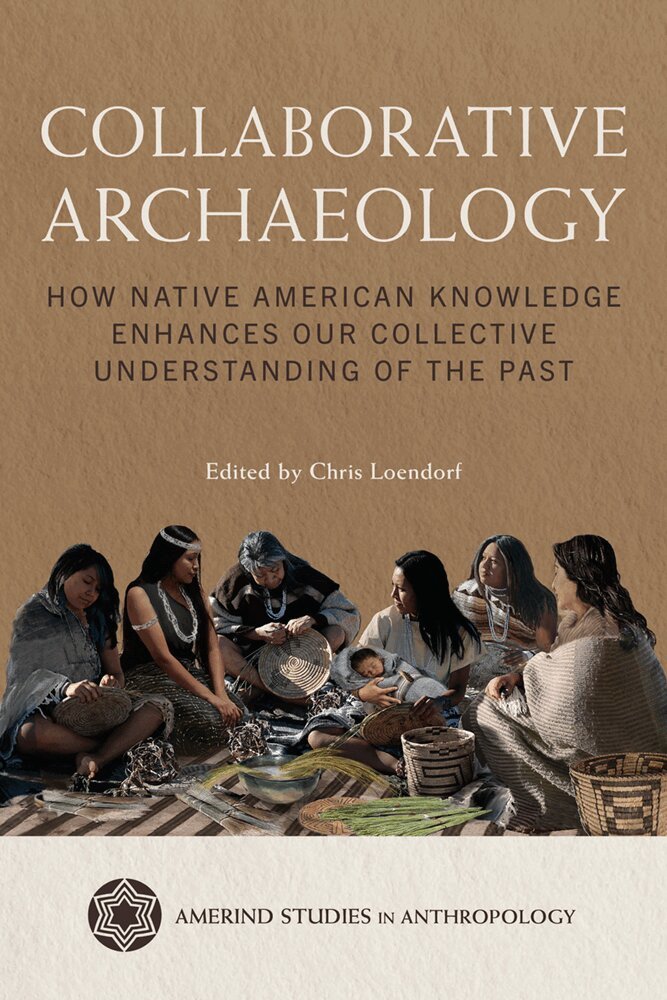
Collaborative Archaeology
How Native American Knowledge Enhances Our Collective Understanding of the Past
Inbunden, Engelska, 2026
1 156 kr
Skickas inom 3-6 vardagar
Collaborative Archaeology brings together a diverse group of scholars and tribal cultural resource professionals to showcase how Indigenous knowledge is transforming archaeological practice. Edited by Chris Loendorf, this volume features twelve case studies that highlight the power of partnership between Native American communities and archaeologists. These collaborations not only enrich our understanding of the past but also affirm Indigenous cultural continuity. From the establishment of Tribal Historic Preservation Offices to tribally led research initiatives, the book illustrates how Native voices are reshaping the field. This timely collection bridges disciplinary divides between archaeology, history, and traditional knowledge, challenging outdated narratives that separate “prehistory” from living Indigenous communities. Contributors demonstrate how ethical, community-based research can lead to more accurate and respectful interpretations of the past. Collaborative Archaeology is essential reading for scholars, students, and practitioners committed to scientific understanding and cultural preservation.Contributors Nicole Armstrong-Best Skylar Begay Jennifer Bess Hannah F. Chavez Robert B. Ciaccio Shannon Cowell William H. Doelle Karl A. Hoerig Anabel Galindo Barnaby V. Lewis Chris Loendorf Brian Medchill Linda Morgan Laurene G. Montero Stephen E. Nash Eloise Pedro Glen E. Rice Teresa Rodrigues Hoski Schaafsma Thomas E. Sheridan Katrina Soke Lindsey Vogel-Teeter Anastasia Walhovd Kelly Washington Reylynne Williams M. Kyle Woodson Aaron M. Wright
Projectile Point Typology: Gila River Indian Community, Arizona [With CD (Audio)]
Häftad, Engelska, 2012
368 kr
Tillfälligt slut
880 kr
Skickas inom 7-10 vardagar
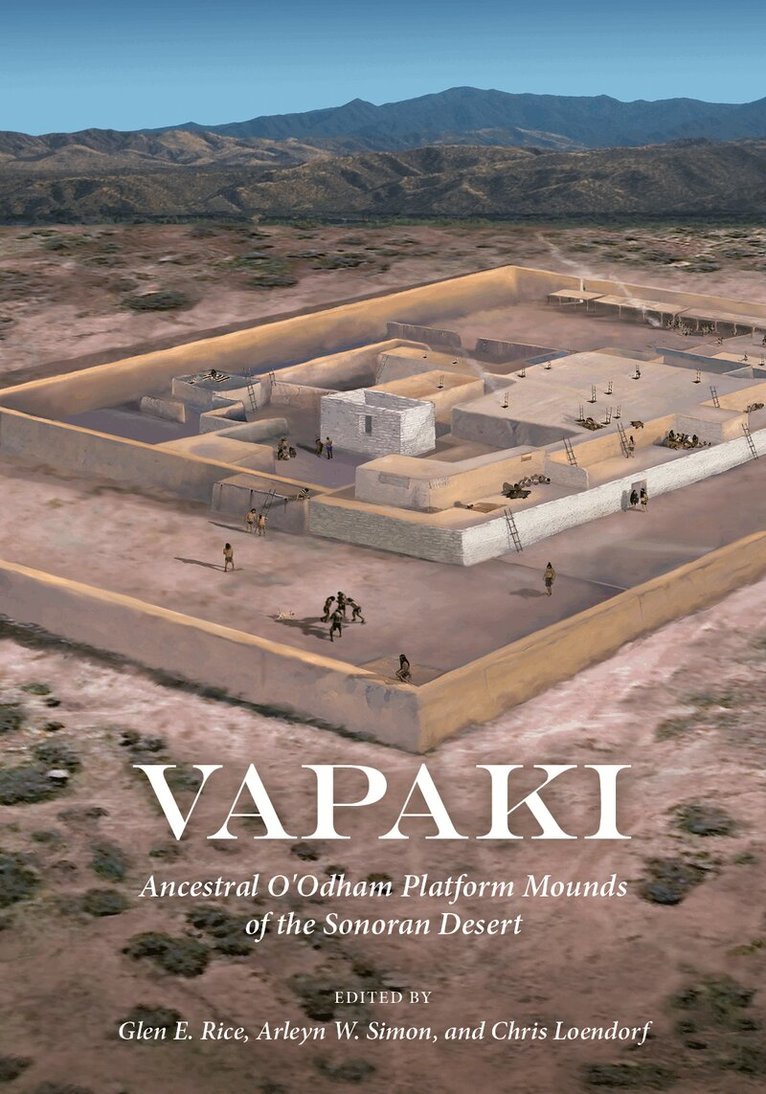
This volume presents a far-ranging conversation on the topic of Hohokam platform mounds in the history of the southern Arizona desert, exploring why they were built, how they were used, and what they meant in the lives of the farmers who built them. Vapaki brings together diverse theoretical approaches, a mix of big-picture and tightly focused perspectives, coverage of the variation in mounds that provides depth for specialists, breadth for those working in other areas and on other topics, and a rich corpus of research ideas and theoretical perspectives. Contributors grapple with questions about platform mounds, including the social, political, ideological, symbolic, and adaptive factors that contributed to their development, spread, and eventual cessation.The differing perspectives presented here about what motivated Ancestral O’Odham populations of the Hohokam Period to build these monuments, whether as displays of status, identity, political ability, membership in regional networks, and as architectural models of the cosmological order, offer insights to researchers studying monumental architecture in other contexts. O’Odham knowledge of the history and uses of mounds is combined with archaeological data to understand the place of platform mounds in the lives of the Ancestors and as a continuing presence among their modern descendants.