Glen E. Rice - Böcker
Visar alla böcker från författaren Glen E. Rice. Handla med fri frakt och snabb leverans.
3 produkter
3 produkter
305 kr
Skickas inom 11-20 vardagar
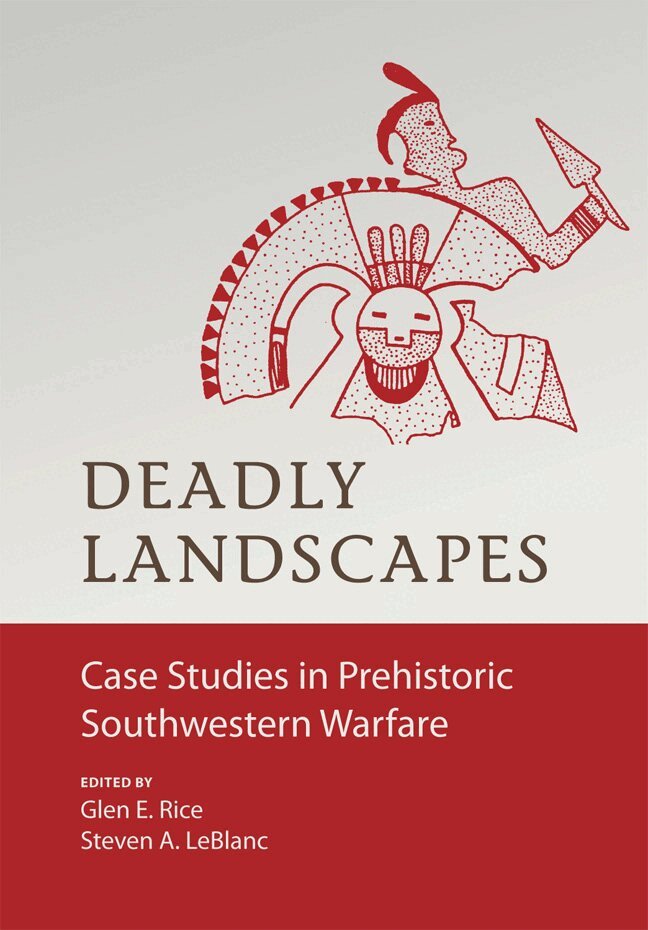
Deadly Landscapes presents a series of cases that advance the rigorous examination of war in the archaeological record. The studies encompass examples from the Hohokam, Sinagua, Mogollon, and Anasazi regions, plus a pan-regional study of iconography covering the Colorado Plateau and the Rio Grande Valley. All of the cases focus on the narrow time frame from AD 1200 to the early-1400s, during which evidence for warfare is most pervasive.Contributors to this volume present varying definitions of warfare and use differing types of data to test for the presence of warfare. These detailed case studies give clear demonstration of a pattern of significant warfare in the late prehistoric period that will alter our understanding of ancient Southwestern cultures.
Projectile Point Typology: Gila River Indian Community, Arizona [With CD (Audio)]
Häftad, Engelska, 2012
368 kr
Tillfälligt slut
880 kr
Skickas inom 7-10 vardagar
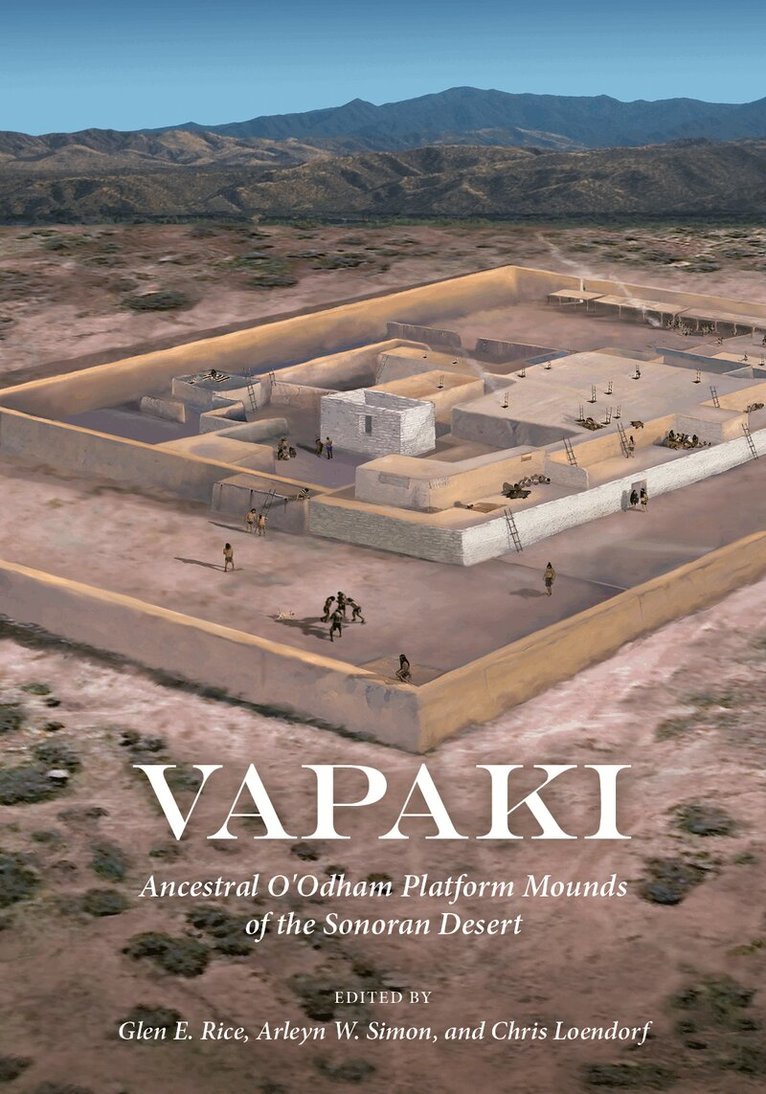
This volume presents a far-ranging conversation on the topic of Hohokam platform mounds in the history of the southern Arizona desert, exploring why they were built, how they were used, and what they meant in the lives of the farmers who built them. Vapaki brings together diverse theoretical approaches, a mix of big-picture and tightly focused perspectives, coverage of the variation in mounds that provides depth for specialists, breadth for those working in other areas and on other topics, and a rich corpus of research ideas and theoretical perspectives. Contributors grapple with questions about platform mounds, including the social, political, ideological, symbolic, and adaptive factors that contributed to their development, spread, and eventual cessation.The differing perspectives presented here about what motivated Ancestral O’Odham populations of the Hohokam Period to build these monuments, whether as displays of status, identity, political ability, membership in regional networks, and as architectural models of the cosmological order, offer insights to researchers studying monumental architecture in other contexts. O’Odham knowledge of the history and uses of mounds is combined with archaeological data to understand the place of platform mounds in the lives of the Ancestors and as a continuing presence among their modern descendants.