Chris Stolwijk – författare
Visar alla böcker från författaren Chris Stolwijk. Handla med fri frakt och snabb leverans.
3 produkter
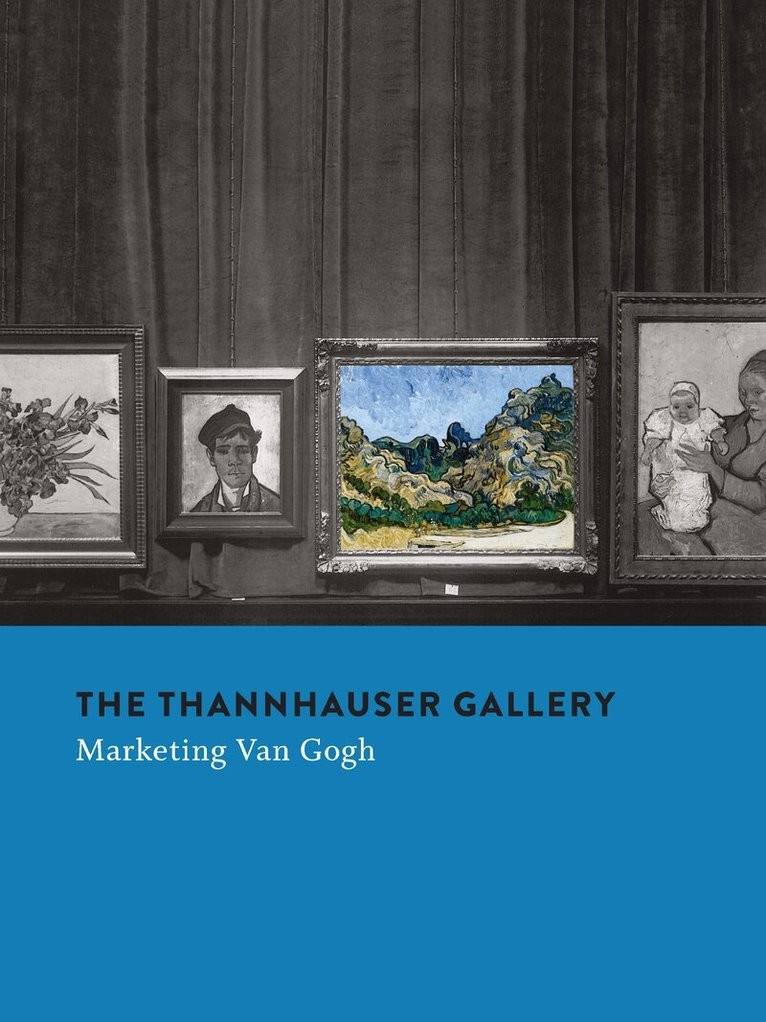
Thannhauser Gallery
Marketing Van Gogh
Av Stefan Koldehoff, Chris Stolwijk
Inbunden, 2018
422 kr
Lägg i varukorg
While legend has it that Vincent van Gogh (1853-1890) sold only one work during his lifetime, it was not long after his death that sales of his paintings began to shatter auction house records. In this carefully researched book, leading Van Gogh scholars provide us with a glimpse into classified …
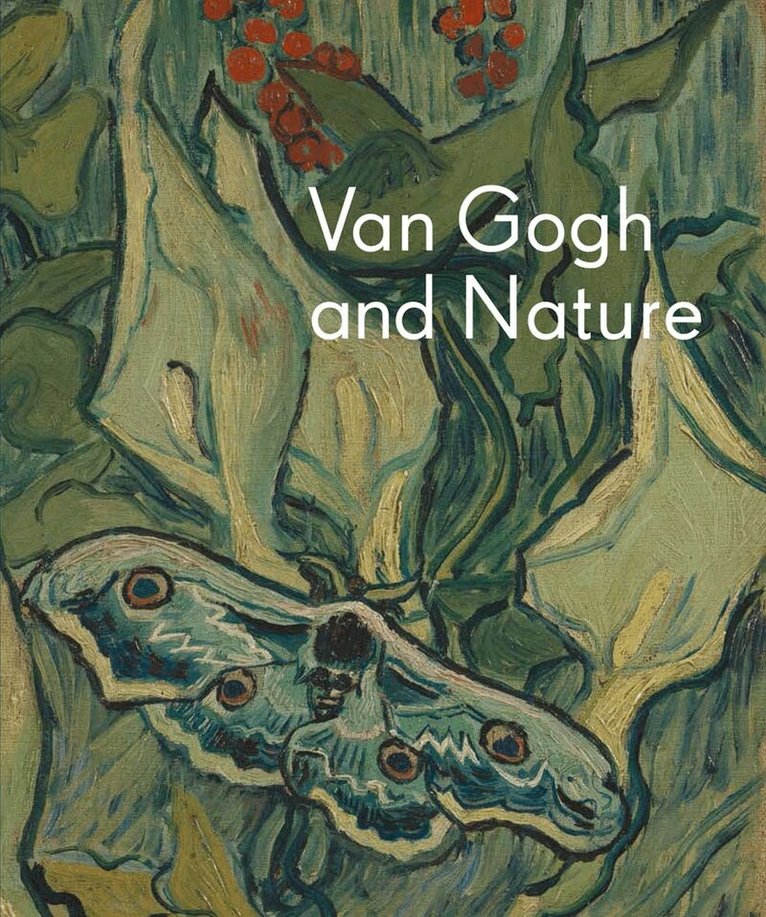
Van Gogh and Nature
Av Richard Kendall, Sjraar van Heugten m. fl.
Inbunden, 2015
433 kr
Tillfälligt slut
A revelatory study of the importance of nature in Van Gogh’s art throughout his life in Holland and FranceThe celebrated painter Vincent van Gogh (1853–1890) had a lifelong fascination with the natural world. He spent his youth in rural Holland, and the country’s flat landscapes, trees, flowers, …
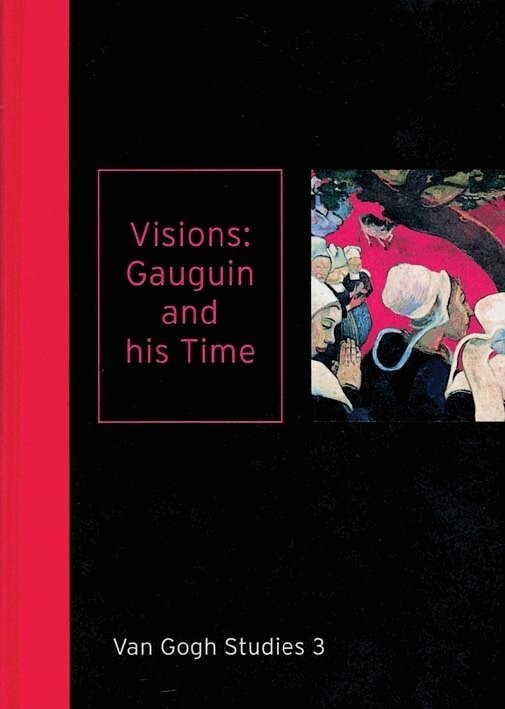
Visions: Gauguin and His Time Van Gogh Studies 3
Inbunden, 2010
446 kr
Tillfälligt slut
Paul Gauguin's "Vision of the Sermon" (1888), one of the iconic works of the late nineteenth century, continues to provoke profound reassessment and interpretation by art historians, and it is central to this third volume of "Van Gogh Studies". Dario Gamboni discusses the painting as a …