Chris Tucker – författare
Visar alla böcker från författaren Chris Tucker. Handla med fri frakt och snabb leverans.
5 produkter
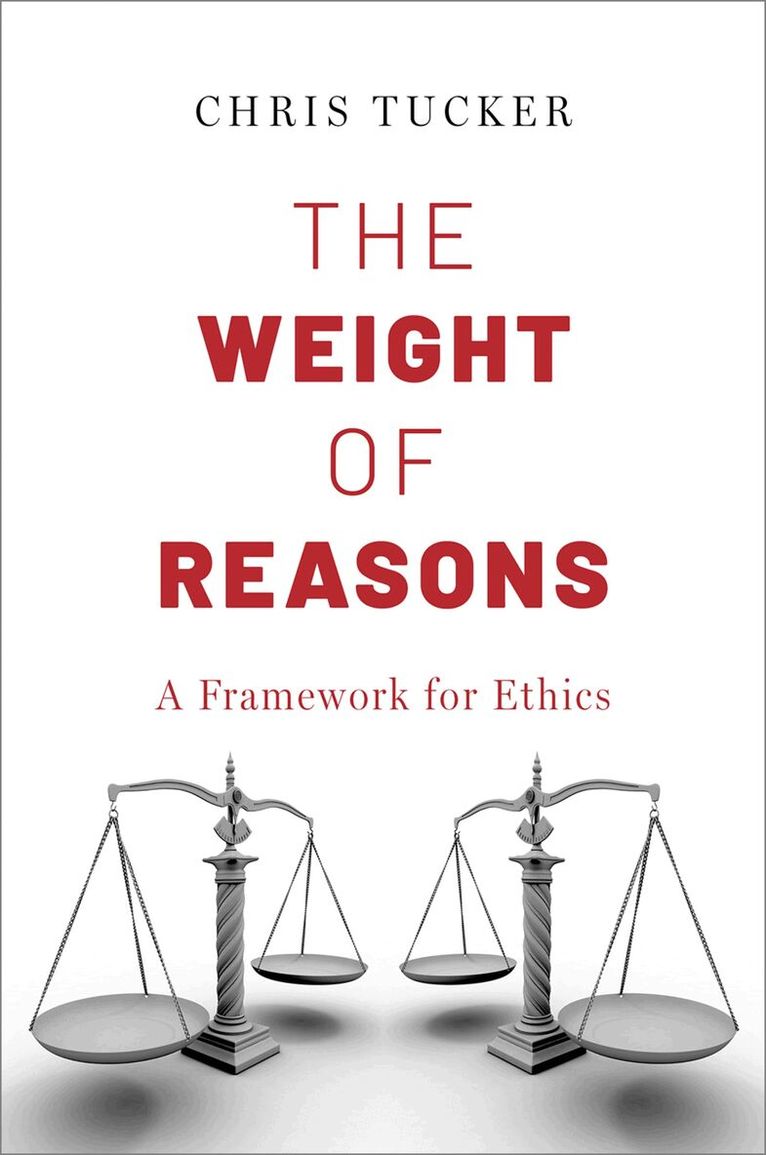
The Weight of Reasons
A Framework for Ethics
Av Chris Tucker
Inbunden, 2025
1305 kr
Lägg i varukorg
In his comprehensive guide to weighing reasons, Chris Tucker explains how to weigh reasons well, from daily choices to complex ethical puzzles.There are two central claims in the book. The first concerns the weights of reasons, namely Weight Pluralism, the idea that reasons have more than one …
Weight of Reasons
A Framework for Ethics
Av Chris Tucker
E-bok, 2025
1320 kr
Lägg i varukorg
In his comprehensive guide to weighing reasons, Chris Tucker explains how to weigh reasons well, from daily choices to complex ethical puzzles.There are two central claims in the book. The first concerns the weights of reasons, namely Weight Pluralism, the idea that reasons have more than one …
Weight of Reasons
A Framework for Ethics
Av Chris Tucker
E-bok, 2025
1320 kr
Lägg i varukorg
In his comprehensive guide to weighing reasons, Chris Tucker explains how to weigh reasons well, from daily choices to complex ethical puzzles.There are two central claims in the book. The first concerns the weights of reasons, namely Weight Pluralism, the idea that reasons have more than one …
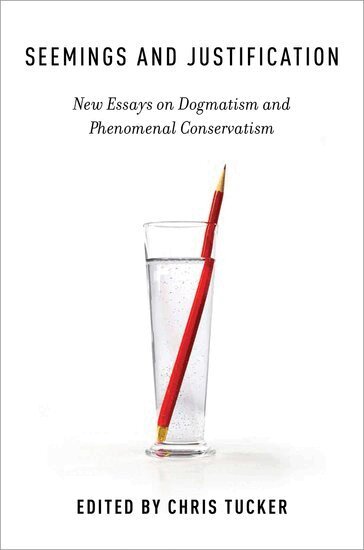
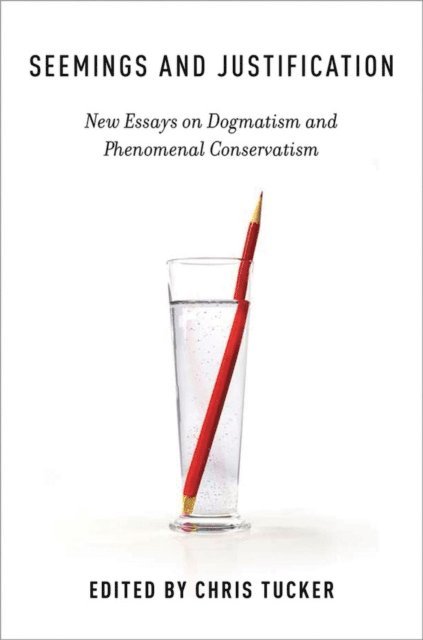
Seemings and Justification
New Essays on Dogmatism and Phenomenal Conservatism
Av TUCKER, Chris Tucker
Inbunden, 2013
1985 kr
Lägg i varukorg
You believe that there is a book (or a computer screen) in front of you because it seems visually that way. I believe that I ate cereal for breakfast because I seem to remember eating it for breakfast. And we believe that torturing for fun is morally wrong and that 2+2=4 because those claims seem …
Seemings and Justification
New Essays on Dogmatism and Phenomenal Conservatism
Av Chris Tucker
E-bok, 2013
1265 kr
Lägg i varukorg
You believe that there is a book (or a computer screen) in front of you because it seems visually that way. I believe that I ate cereal for breakfast because I seem to remember eating it for breakfast. And we believe that torturing for fun is morally wrong and that 2+2=4 because those claims seem …