Chris Tudda - Böcker
Visar alla böcker från författaren Chris Tudda. Handla med fri frakt och snabb leverans.
4 produkter
4 produkter
Truth Is Our Weapon
The Rhetorical Diplomacy of Dwight D. Eisenhower and John Foster Dulles
Inbunden, Engelska, 2006
426 kr
Skickas inom 7-10 vardagar
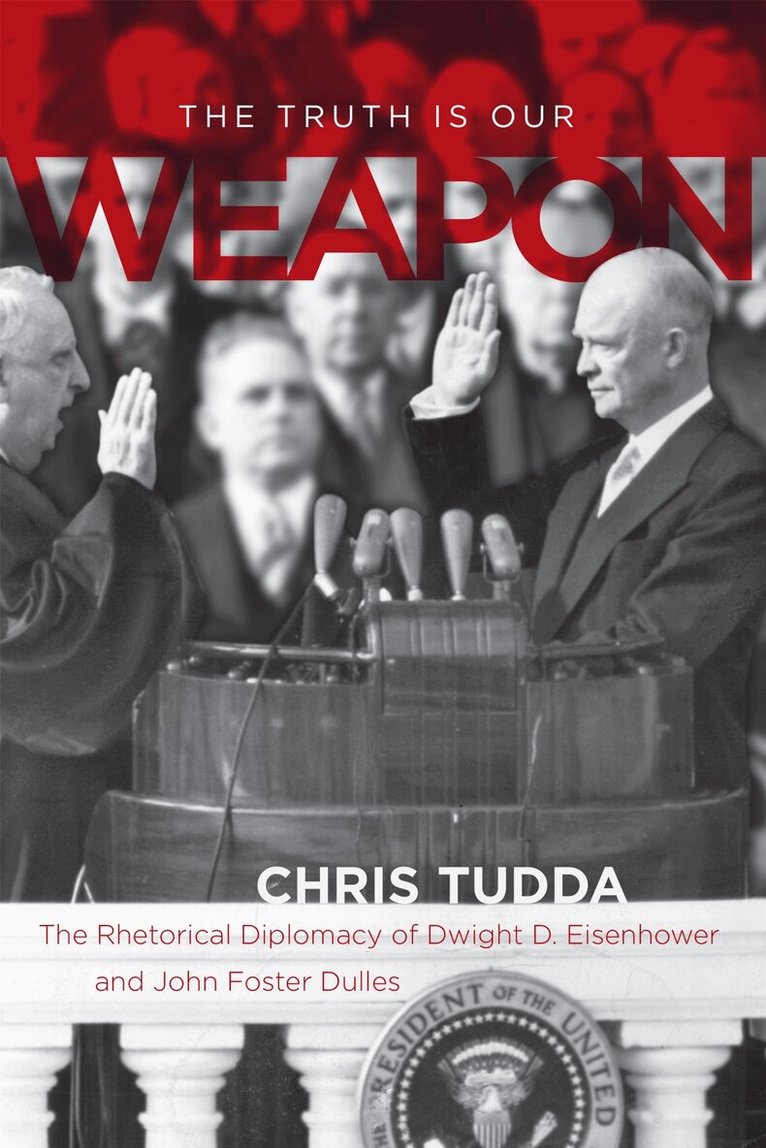
President Dwight D. Eisenhower and his secretary of state, John Foster Dulles, deployed a tactic Chris Tudda calls ""rhetorical diplomacy""- sounding a belligerent note of anti-Communism in speeches, addresses, press conferences, and private meetings with allies and with Moscow. Yet all the while, Tudda discloses, the two were confidentially committed to a contradictory course- the establishment of a strong system of collective security in Western Europe, peaceful accommodation of the Soviet Union, and the maintenance of a new, albeit divided Germany. Tudda explores the Eisenhower administration's pursuit of these two mutually exclusive diplomatic strategies and reveals how failure to reconcile them endangered the fragile peace of the 1950s. He builds his argument through three case studies: of the administration's badgering the French and their allies to ratify the European Defense Community, of its threat to liberate Eastern Europe from Moscow's rule, and of its forcing the issue of German reunification. By emphasizing the threat from the Soviet Union, Eisenhower and Dulles were trying to promote an activist rather than an isolationist foreign policy. But their rhetorical diplomacy intensified Cold War tensions with European allies as well as with Moscow and effectively overwhelmed the administration's true diplomatic aims. Based on American, British, Eastern European, and Soviet primary sources- many only recently unearthed- The Truth Is Our Weapon is a major contribution to the historiography of Eisenhower's diplomacy and an important statement about the implications of public and private policy making.
377 kr
Skickas inom 10-15 vardagar
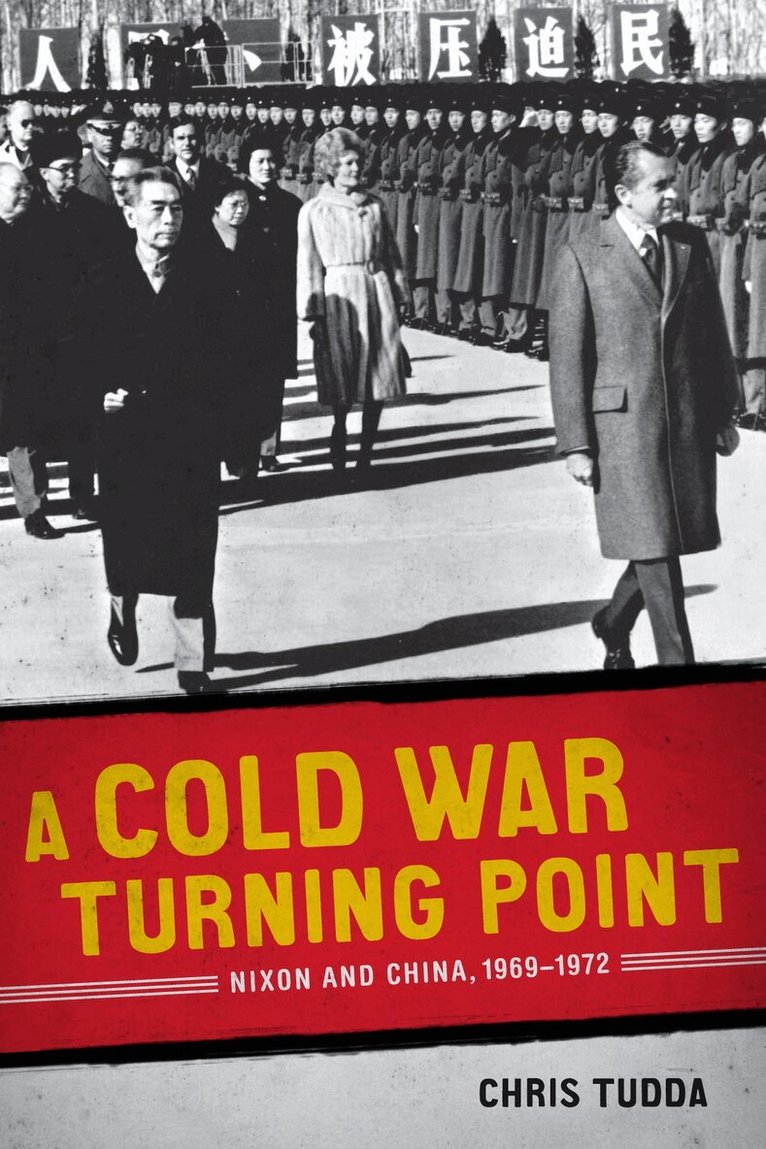
In February 1972, President Nixon arrived in Beijing for what Chairman Mao Zedong called the ""week that changed the world."" Using recently declassified sources from American, Chinese, European, and Soviet archives, Chris Tudda's A Cold War Turning Point reveals new details about the relationship forged by the Nixon administration and the Chinese government that dramatically altered the trajectory of the Cold War. Between the years 1969 and 1972, Nixon's national security team actively fostered the U.S. rapprochement with China. Tudda argues that Nixon, in bold opposition to the stance of his predecessors, recognized the mutual benefits of repairing the Sino-U.S. relationship and was determined to establish a partnership with China. Nixon believed that America's relative economic decline, its overextension abroad, and its desire to create a more realistic international framework aligned with China's fear of Soviet military advancement and its eagerness to join the international marketplace. In a contested but calculated move, Nixon gradually eased trade and travel restrictions to China. Mao responded in kind, albeit slowly, by releasing prisoners, inviting the U.S. ping-pong team to Beijing, and secretly hosting Secretary of State Henry Kissinger prior to Nixon's momentous visit. Set in the larger framework of international relations at the peak of the Vietnam War, A Cold War Turning Point is the first book to use the Nixon tapes and Kissinger telephone conversations to illustrate the complexity of early Sino-U.S. relations. Tudda's thorough and illuminating research provides a multi-archival examination of this critical moment in twentieth-century international relations.
152 kr
Skickas
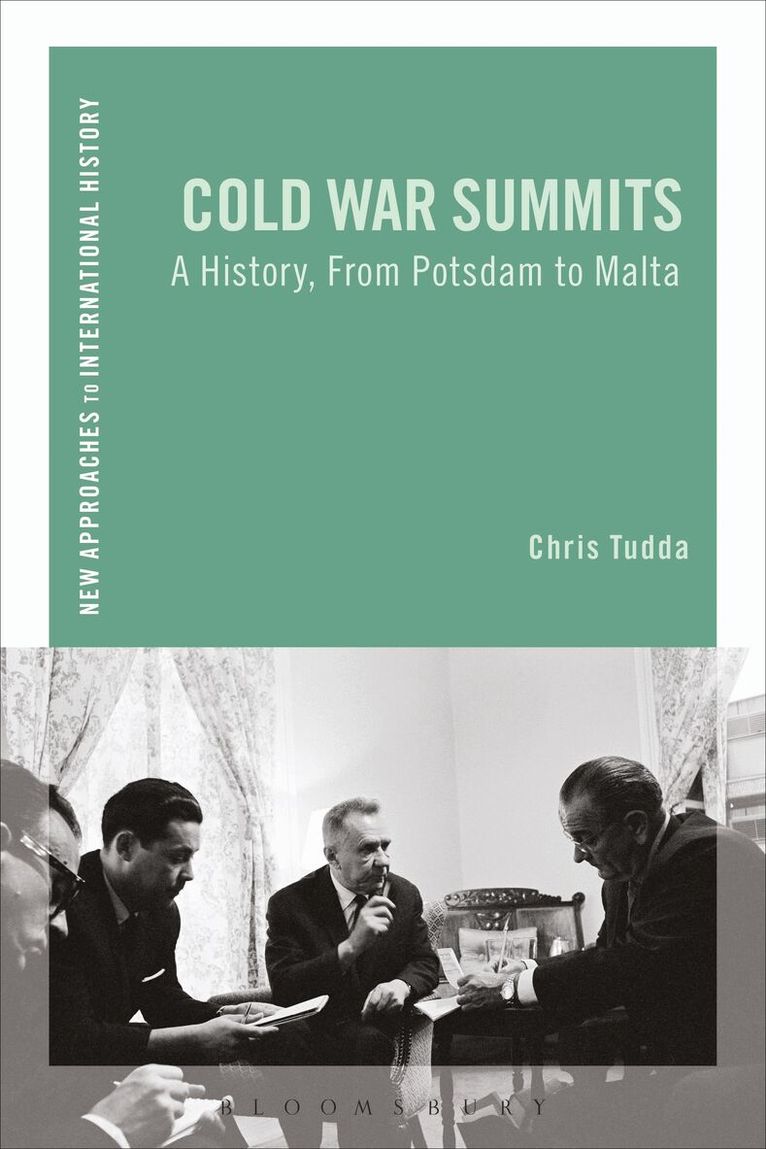
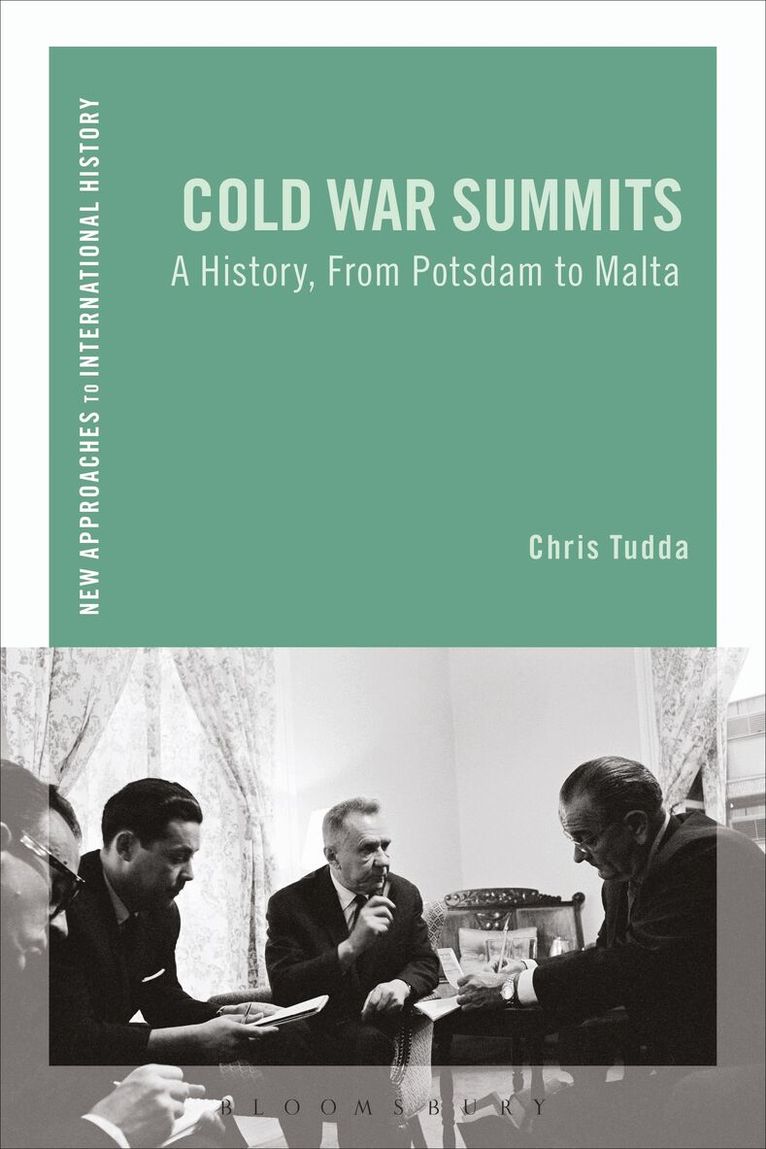
CHOICE Outstanding Academic Title 2016This book examines six summits spanning the beginning and the end of the Cold War. Using declassified documents from U.S., British, and other archives, Chris Tudda shows how the Cold War developed from an ideological struggle between capitalism and communism into a truly global struggle. From Potsdam in 1945, to Malta in 1989, the nuclear superpowers met to determine how to end World War II, manage the arms race, and ultimately, end the Cold War. Meanwhile, the newly independent nations of the "Third World," including the People's Republic of China, became active and respected members of the international community determined to manage their own fates independent of the superpowers.The six summits - Potsdam (1945), Bandung (1955), Glassboro (1967), Beijing (1972), Vienna (1972), and Malta (1989) - are here examined together in a single volume for the first time. An introductory essay provides a historiographical analysis of Cold War summitry, while the conclusion ties the summits together and demonstrates how the history of the Cold War can be understood not only by examining the meetings between the superpowers, but also by analyzing how the developing nations became agents of change and thus affected international relations.
1 177 kr
Skickas inom 10-15 vardagar
CHOICE Outstanding Academic Title 2016This book examines six summits spanning the beginning and the end of the Cold War. Using declassified documents from U.S., British, and other archives, Chris Tudda shows how the Cold War developed from an ideological struggle between capitalism and communism into a truly global struggle. From Potsdam in 1945, to Malta in 1989, the nuclear superpowers met to determine how to end World War II, manage the arms race, and ultimately, end the Cold War. Meanwhile, the newly independent nations of the "Third World," including the People's Republic of China, became active and respected members of the international community determined to manage their own fates independent of the superpowers.The six summits - Potsdam (1945), Bandung (1955), Glassboro (1967), Beijing (1972), Vienna (1972), and Malta (1989) - are here examined together in a single volume for the first time. An introductory essay provides a historiographical analysis of Cold War summitry, while the conclusion ties the summits together and demonstrates how the history of the Cold War can be understood not only by examining the meetings between the superpowers, but also by analyzing how the developing nations became agents of change and thus affected international relations.