Christian F. Ostermann – författare
Visar alla böcker från författaren Christian F. Ostermann. Handla med fri frakt och snabb leverans.
9 produkter
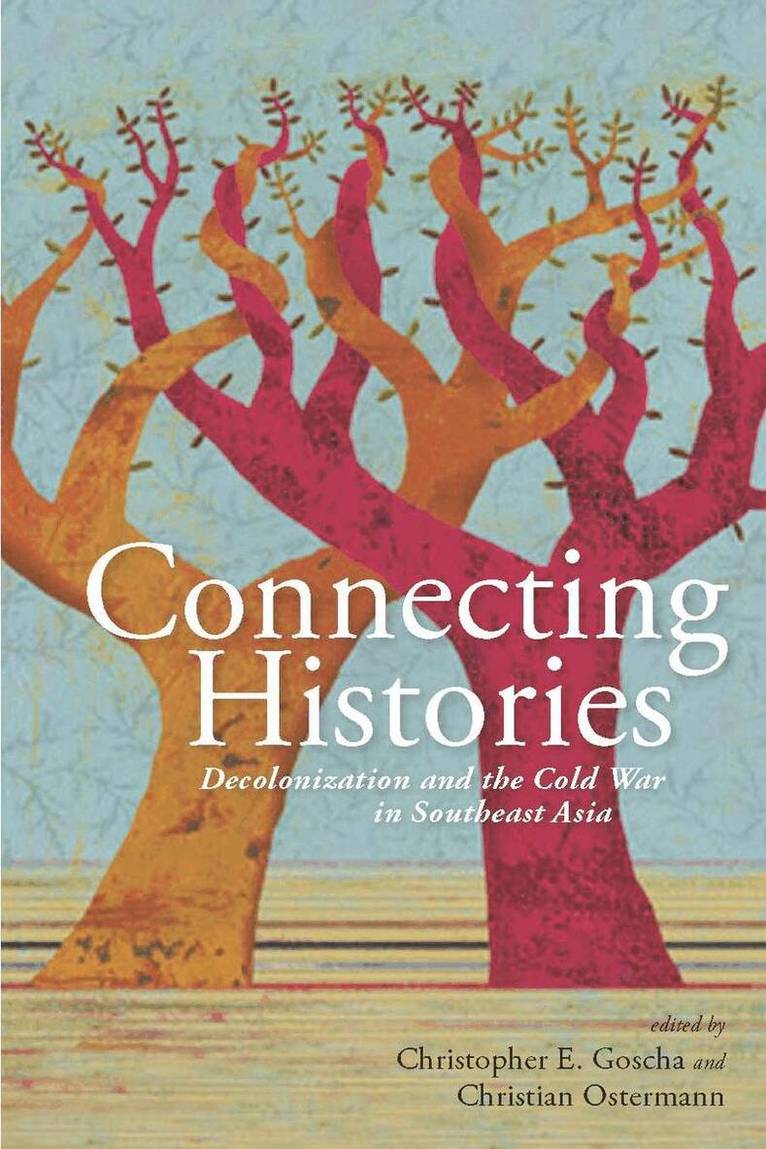
Connecting Histories
Decolonization and the Cold War in Southeast Asia, 1945-1962
Av Christopher E. Goscha, Christian F. Ostermann
Inbunden, 2009
932 kr
Lägg i varukorg
Connecting Histories: Decolonization and the Cold War in Southeast Asia draws on newly available archival documentation from both Western and Asian countries to explore decolonization, the Cold War, and the establishment of a new international order in post-World War II Southeast Asia. Major …
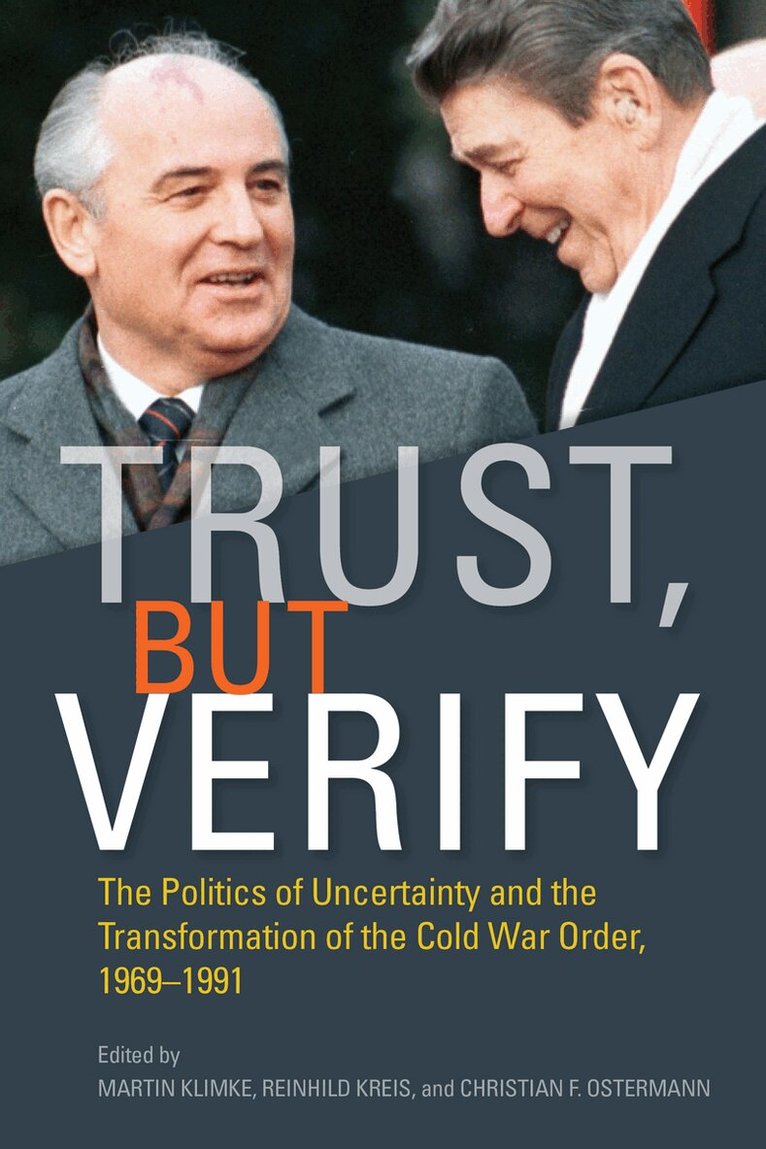
Trust, but Verify
The Politics of Uncertainty and the Transformation of the Cold War Order, 1969-1991
Av Martin Klimke, Reinhild Kreis m. fl.
Inbunden, 2016
883 kr
Lägg i varukorg
Trust, but Verify uses trust—with its emotional and predictive aspects—to explore international relations in the second half of the Cold War, beginning with the late 1960s. The détente of the 1970s led to the development of some limited trust between the United States and the Soviet Union, which …
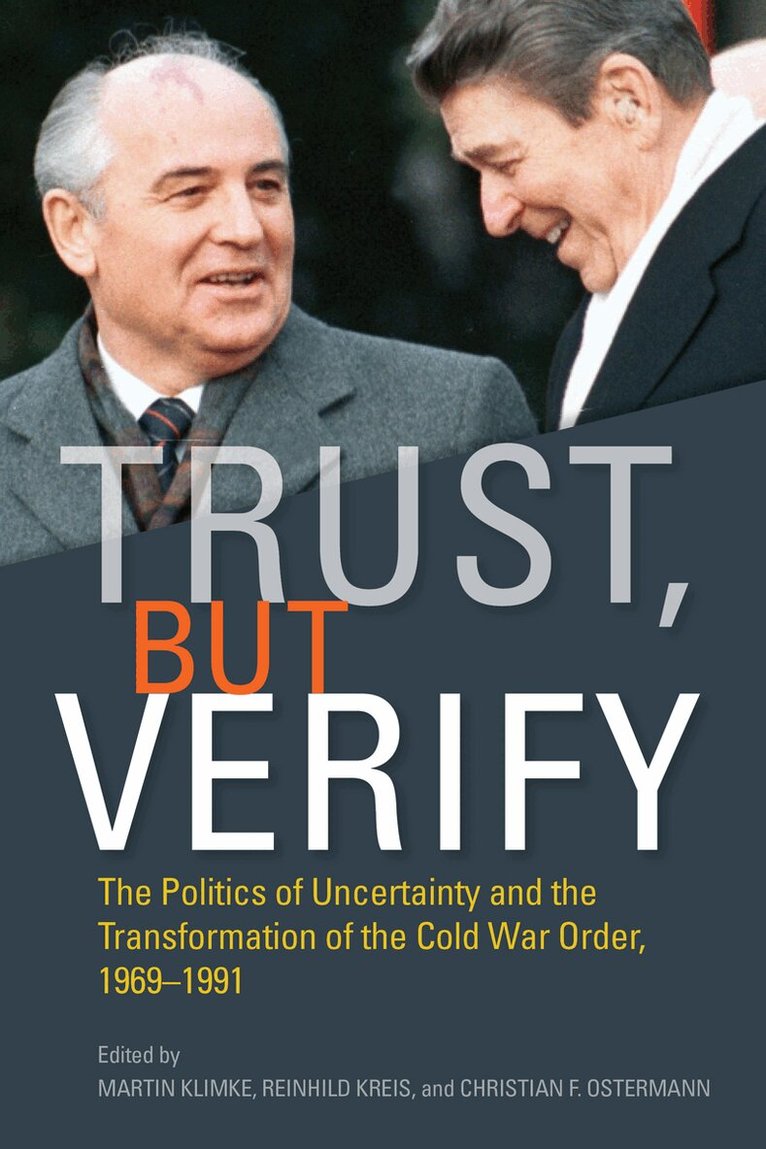
Trust, but Verify
The Politics of Uncertainty and the Transformation of the Cold War Order, 1969-1991
Av Martin Klimke, Reinhild Kreis m. fl.
E-bok, 2016
999 kr
Lägg i varukorg
Trust, but Verify uses trust—with its emotional and predictive aspects—to explore international relations in the second half of the Cold War, beginning with the late 1960s. The détente of the 1970s led to the development of some limited trust between the United States and the Soviet Union, which …
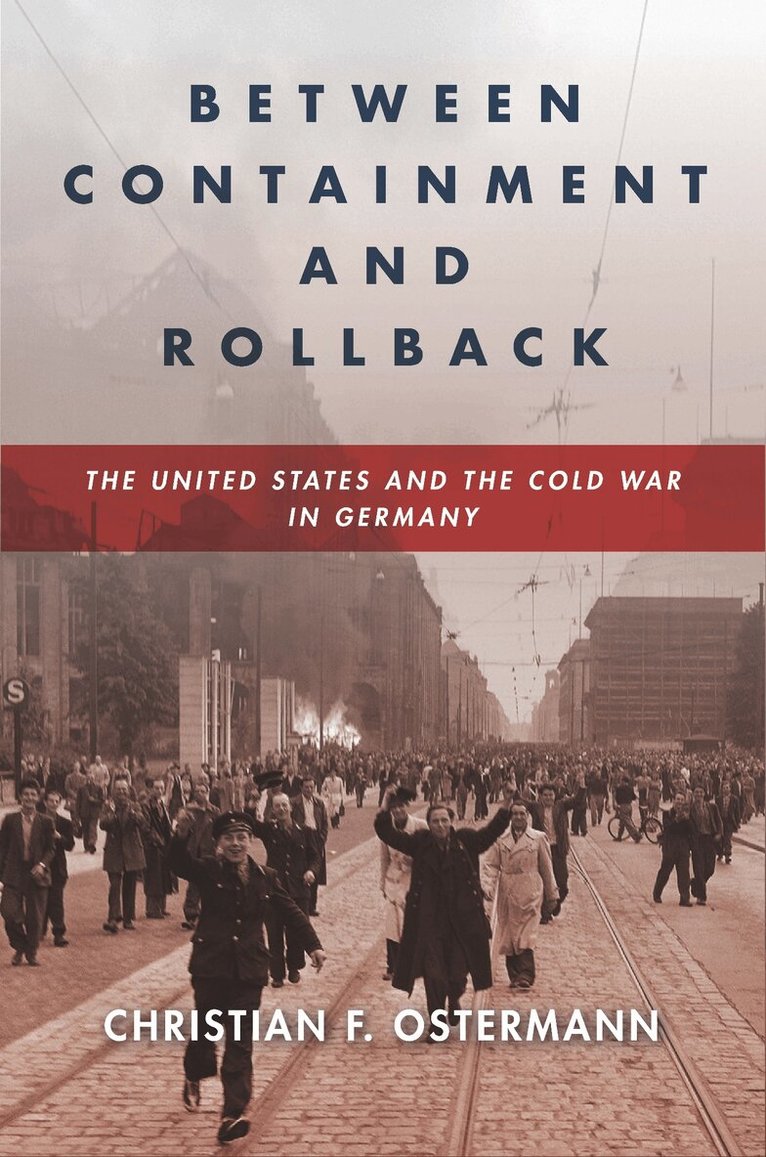
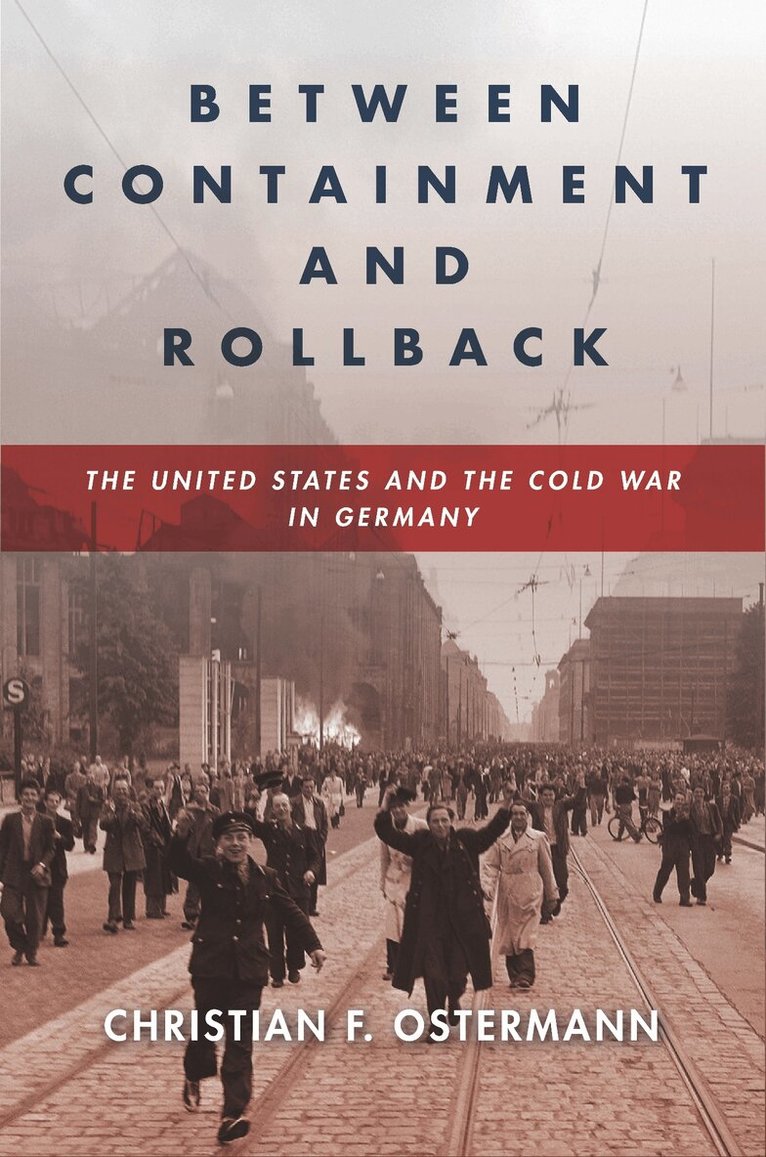
Between Containment and Rollback
The United States and the Cold War in Germany
Inbunden, 2021
589 kr
Lägg i varukorg
In the aftermath of World War II, American policymakers turned to the task of rebuilding Europe while keeping communism at bay. In Germany, formally divided since 1949,the United States prioritized the political, economic, and, eventually, military integration of the fledgling Federal Republic with …
Between Containment and Rollback
The United States and the Cold War in Germany
E-bok, 2021
464 kr
Lägg i varukorg
In the aftermath of World War II, American policymakers turned to the task of rebuilding Europe while keeping communism at bay. In Germany, formally divided since 1949,the United States prioritized the political, economic, and, eventually, military integration of the fledgling Federal Republic with …
Between Containment and Rollback
The United States and the Cold War in Germany
Häftad, 2025
400 kr
Lägg i varukorg
In the aftermath of World War II, American policymakers turned to the task of rebuilding Europe while keeping communism at bay. In Germany, formally divided since 1949,the United States prioritized the political, economic, and, eventually, military integration of the fledgling Federal Republic with …
Same Dreams, Different Beds
China and Europe in the Cold War
Av Enrico Fardella, Charles Kraus m. fl.
Inbunden, 2026
930 kr
Kommande
Through a comprehensive analysis of relations between Europe and China during the Cold War, this volume reveals how those interactions quietly reconfigured the global balance of power, helping to forge the contemporary international order. Rooted in a rich array of multi-archival sources, the book …
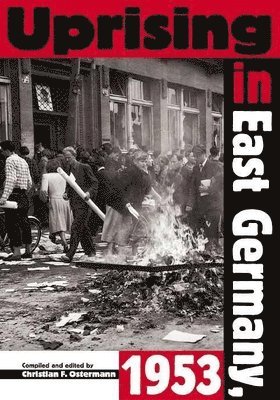
Uprising in East Germany, 1953: The Cold War, the German Question, and the First Major Upheaval behind the Iron Curtain
Häftad, 2026
1143 kr
Lägg i varukorg
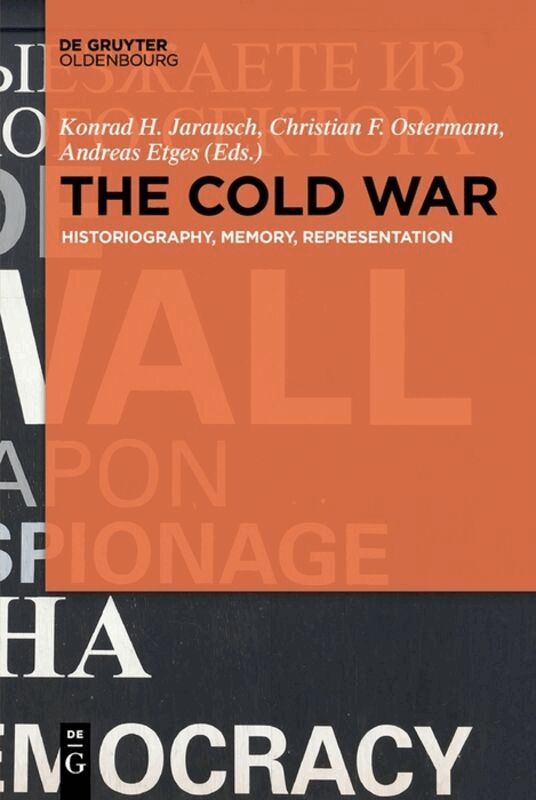
Cold War
Historiography, Memory, Representation
Av Konrad H. Jarausch, Christian F. Ostermann m. fl.
Inbunden, 2017
914 kr
Tillfälligt slut
The traces of the Cold War are still visible in many places all around the world. It is the topic of exhibits and new museums, of memorial days and historic sites, of documentaries and movies, of arts and culture. There are historical and political controversies, both nationally and …