Christina Jackson – författare
Visar alla böcker från författaren Christina Jackson. Handla med fri frakt och snabb leverans.
11 produkter
11 produkter
161 kr
Skickas inom 3-6 vardagar
328 kr
Skickas inom 3-6 vardagar
1 255 kr
Skickas inom 10-15 vardagar
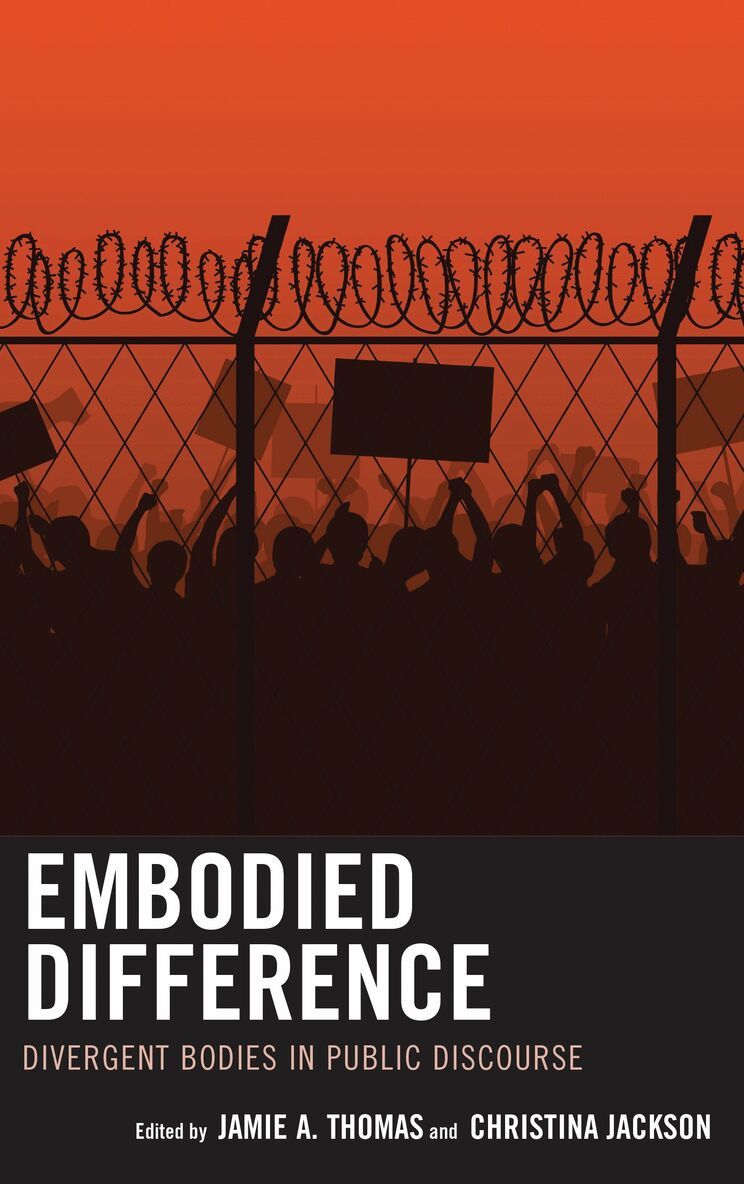
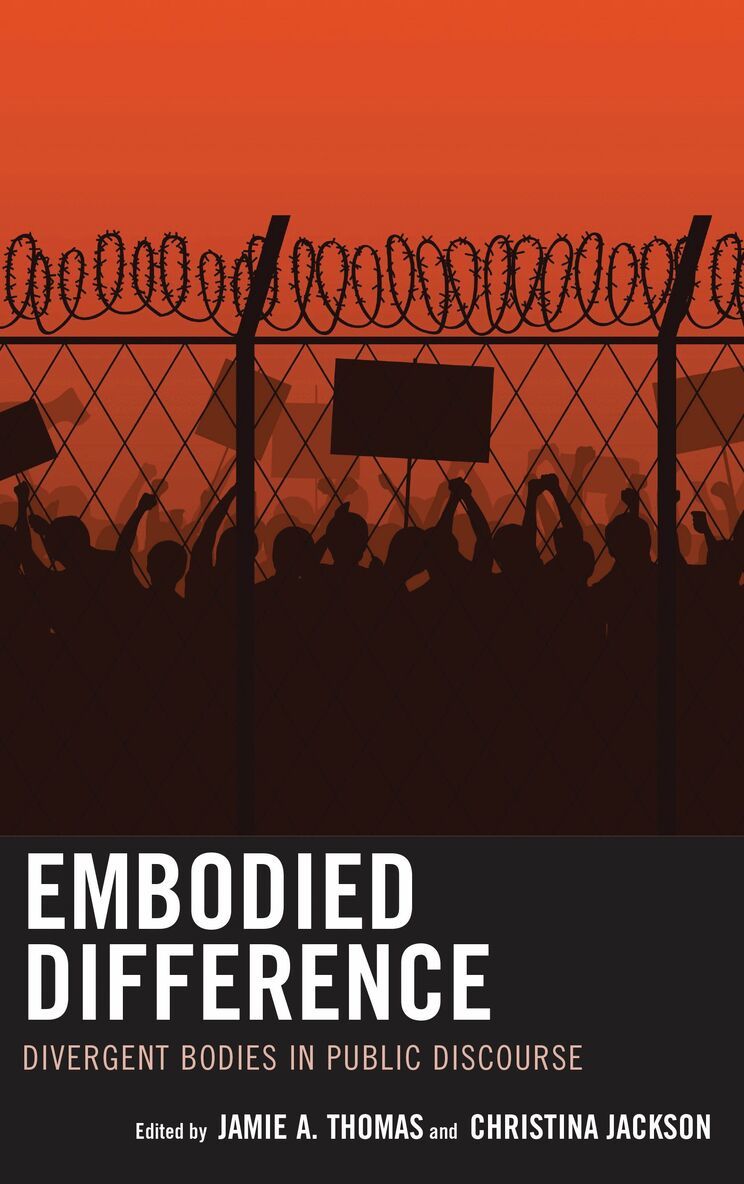
Focusing on the body as a visual and discursive platform across public space, we study marginalization as a sociocultural practice and hegemonic schema. Whereas mass incarceration and law enforcement readily feature in discussions of institutionalized racism, we differently highlight understudied sites of normalization and exclusion. Our combined effort centers upon physical contexts (skeletons, pageant stages, gentrifying neighborhoods), discursive spaces (medical textbooks, legal battles, dance pedagogy, vampire narratives) and philosophical arenas (morality, genocide, physician-assisted suicide, cryonic preservation, transfeminism) to deconstruct seemingly intrinsic connections between body and behavior, Whiteness and normativity.
480 kr
Skickas inom 10-15 vardagar
Focusing on the body as a visual and discursive platform across public space, we study marginalization as a sociocultural practice and hegemonic schema. Whereas mass incarceration and law enforcement readily feature in discussions of institutionalized racism, we differently highlight understudied sites of normalization and exclusion. Our combined effort centers upon physical contexts (skeletons, pageant stages, gentrifying neighborhoods), discursive spaces (medical textbooks, legal battles, dance pedagogy, vampire narratives) and philosophical arenas (morality, genocide, physician-assisted suicide, cryonic preservation, transfeminism) to deconstruct seemingly intrinsic connections between body and behavior, Whiteness and normativity.
699 kr
Skickas inom 5-8 vardagar
At the start of the twentieth century, the pre-eminent black sociologist, W.E.B. DuBois, identified the color line as America's great problem. While the color line is increasingly variegated beyond black and white, and more openly discussed than ever before as more racial and ethnic groups call America home, his words still ring true. Today, post-racial and colorblind ideals dominate the American narrative, obscuring the reality of racism and discrimination, hiding if only temporarily the inconvenience of deep racial disparity. This is the quintessential American paradox: our embrace of the ideals of meritocracy despite the systemic racial advantages and disadvantages accrued across generations. This book provides a sociology of the Black American experience. To be Black in America is to exist amongst myriad contradictions: racial progress and regression, abject poverty amidst profound wealth, discriminatory policing yet equal protection under the law. This book explores these contradictions in the context of residential segregation, labor market experiences, and the criminal justice system, among other topics, highlighting the historical processes and contemporary social arrangements that simultaneously reinforce race and racism, necessitating resistance in post-civil rights America.
254 kr
Skickas inom 5-8 vardagar
At the start of the twentieth century, the pre-eminent black sociologist, W.E.B. DuBois, identified the color line as America's great problem. While the color line is increasingly variegated beyond black and white, and more openly discussed than ever before as more racial and ethnic groups call America home, his words still ring true. Today, post-racial and colorblind ideals dominate the American narrative, obscuring the reality of racism and discrimination, hiding if only temporarily the inconvenience of deep racial disparity. This is the quintessential American paradox: our embrace of the ideals of meritocracy despite the systemic racial advantages and disadvantages accrued across generations. This book provides a sociology of the Black American experience. To be Black in America is to exist amongst myriad contradictions: racial progress and regression, abject poverty amidst profound wealth, discriminatory policing yet equal protection under the law. This book explores these contradictions in the context of residential segregation, labor market experiences, and the criminal justice system, among other topics, highlighting the historical processes and contemporary social arrangements that simultaneously reinforce race and racism, necessitating resistance in post-civil rights America.
140 kr
Skickas inom 5-8 vardagar
212 kr
Skickas inom 5-8 vardagar
294 kr
Skickas inom 5-8 vardagar
257 kr
Kommande
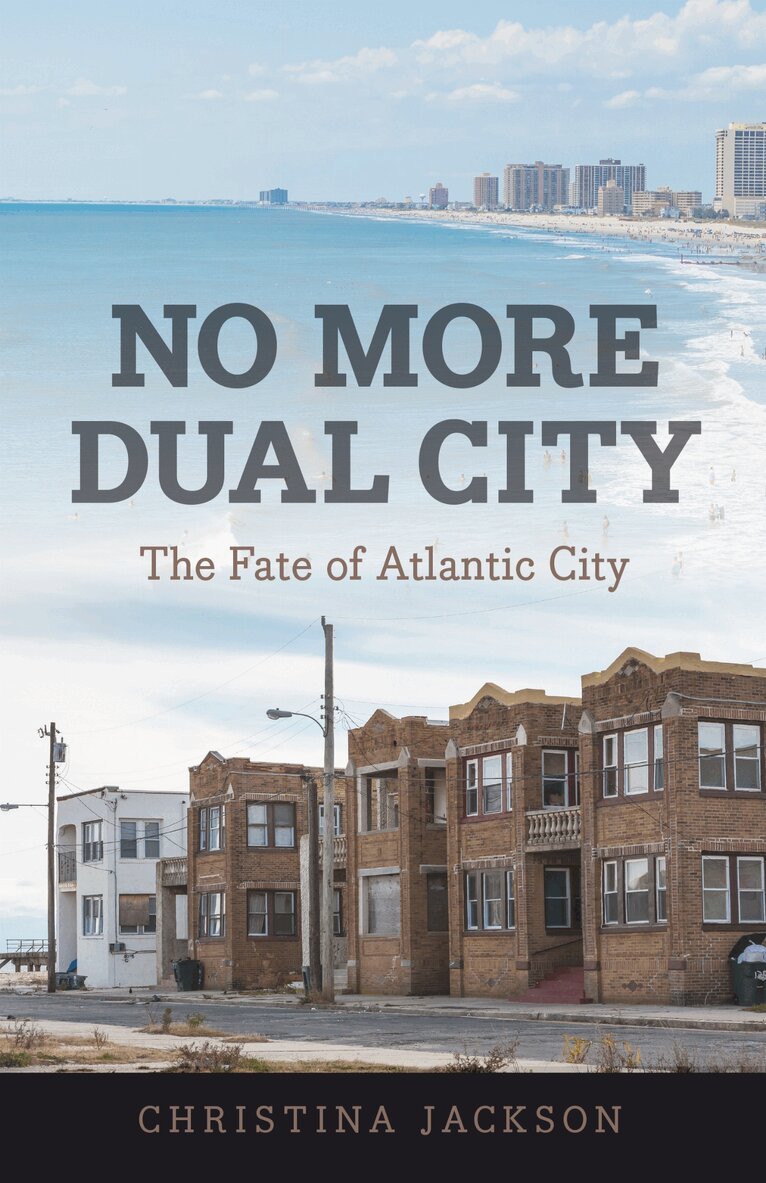
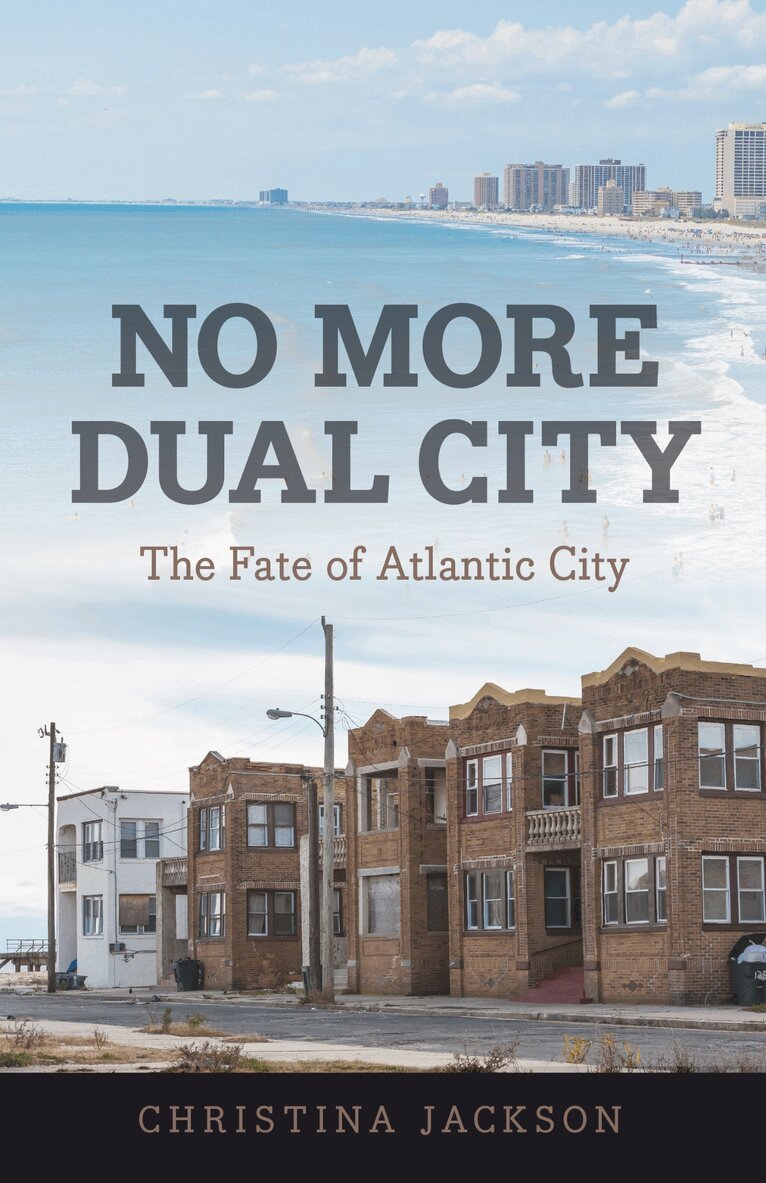
No More Dual City: The Fate of Atlantic City examines Atlantic City as a vivid case study of how Black communities endure and resist the forces of economic redevelopment, racialized planning, and environmental vulnerability. Drawing on five years of ethnographic research, Jackson reveals how the city's famed tourism and casino economy depends upon, yet marginalizes, the historically Black Northside neighborhood. Through the concept of dualness, Jackson explores how racial capitalism produces both material and emotional divides, between growth and decay, visibility and exclusion, and belonging and dispossession. Combining first-person narrative, theory, and community storytelling, the book illuminates the "slow violence" of urban inequality and the creativity of residents who build rooted futures amid instability. No More Dual City reframes Atlantic City not as an anomaly but as a microcosm of racialized urban America, offering a compelling new way to think about sustainability, justice, and the right to stay in place.
1 360 kr
Kommande
No More Dual City: The Fate of Atlantic City examines Atlantic City as a vivid case study of how Black communities endure and resist the forces of economic redevelopment, racialized planning, and environmental vulnerability. Drawing on five years of ethnographic research, Jackson reveals how the city's famed tourism and casino economy depends upon, yet marginalizes, the historically Black Northside neighborhood. Through the concept of dualness, Jackson explores how racial capitalism produces both material and emotional divides, between growth and decay, visibility and exclusion, and belonging and dispossession. Combining first-person narrative, theory, and community storytelling, the book illuminates the "slow violence" of urban inequality and the creativity of residents who build rooted futures amid instability. No More Dual City reframes Atlantic City not as an anomaly but as a microcosm of racialized urban America, offering a compelling new way to think about sustainability, justice, and the right to stay in place.