Christina Schwenkel - Böcker
Visar alla böcker från författaren Christina Schwenkel. Handla med fri frakt och snabb leverans.
5 produkter
5 produkter
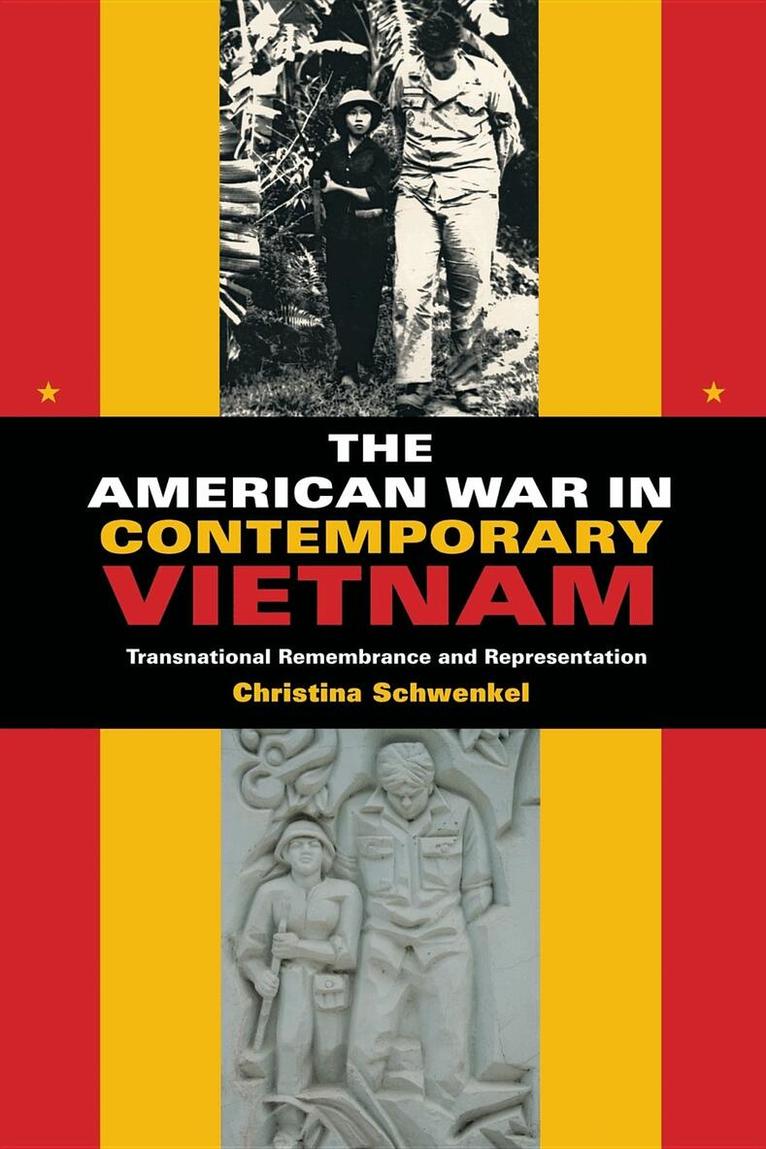
American War in Contemporary Vietnam
Transnational Remembrance and Representation
Häftad, Engelska, 2009
277 kr
Skickas inom 7-10 vardagar
Christina Schwenkel's absorbing study explores how the "American War" is remembered and commemorated in Vietnam today—in official and unofficial histories and in everyday life. Schwenkel analyzes visual representations found in monuments and martyrs' cemeteries, museums, photography and art exhibits, battlefield tours, and related sites of "trauma tourism." In these transnational spaces, American and Vietnamese memories of the war intersect in ways profoundly shaped by global economic liberalization and the return of American citizens as tourists, pilgrims, and philanthropists.
290 kr
Skickas inom 7-10 vardagar
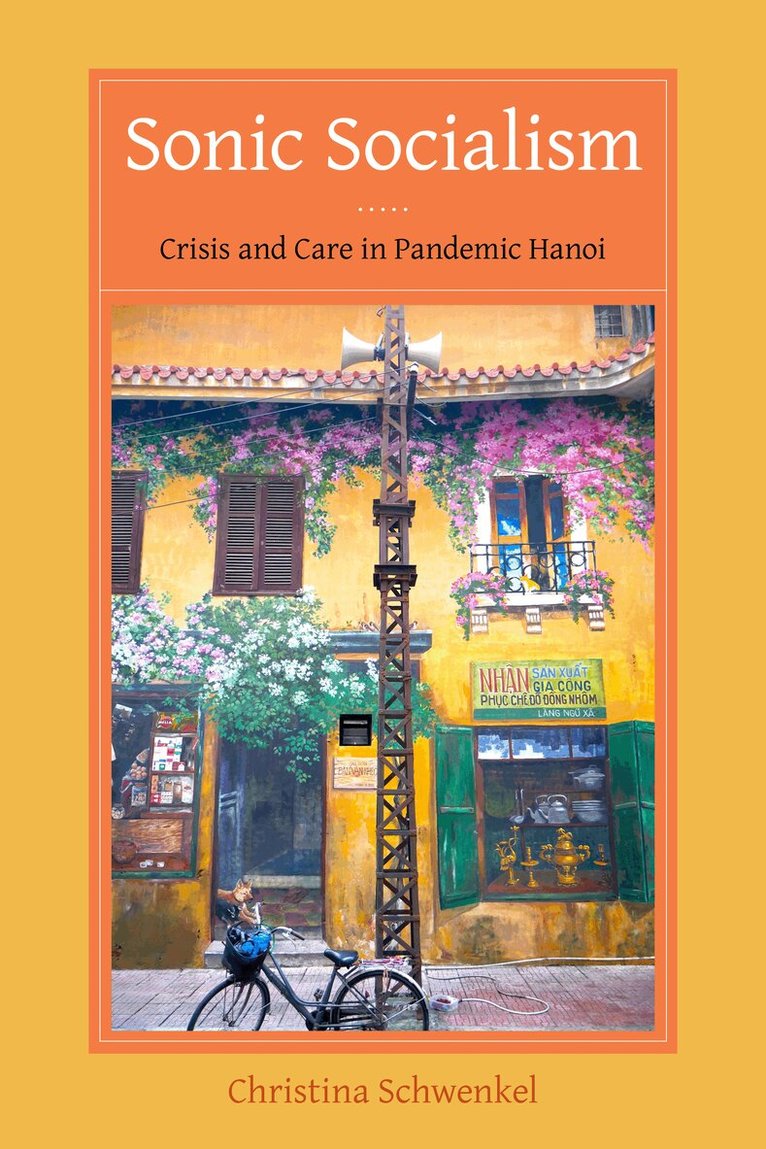
A free ebook version of this title is available through Luminos, University of California Press's Open Access publishing program. Visit www.luminosoa.org to learn more.In an era dominated by visual information, what can the sounds of a pandemic reveal about crisis and care? How might attuning to sonic atmospheres uncover new dimensions to states of emergency and their implications for collective life? In Sonic Socialism, Christina Schwenkel examines the use of sound in COVID-19 response efforts in urban Vietnam. Based on "soundwork" conducted in Hanoi in 2020 during the pandemic's first year, she shows how acoustic technologies played a pivotal yet overlooked role in state efforts to achieve record-low infection rates worldwide. Across lived experiences of quarantine, lockdown, and spatial distancing, Schwenkel explores sound-based interventions to curb virus transmission, and the public's response to these auditory measures. From instant messaging alerts to public health videos and neighborhood loudspeakers, sonic governance sought to transform urban sounds and listening practices to mobilize action, drawing people into networks of care and control. As anthropology stands at a crossroads, Sonic Socialism makes the compelling case for the value of sensory autoethnography in reimagining a more careful and caring ethnographic practice in a post-pandemic world.
776 kr
Skickas inom 7-10 vardagar
A free ebook version of this title is available through Luminos, University of California Press's Open Access publishing program. Visit www.luminosoa.org to learn more.In an era dominated by visual information, what can the sounds of a pandemic reveal about crisis and care? How might attuning to sonic atmospheres uncover new dimensions to states of emergency and their implications for collective life? In Sonic Socialism, Christina Schwenkel examines the use of sound in COVID-19 response efforts in urban Vietnam. Based on "soundwork" conducted in Hanoi in 2020 during the pandemic's first year, she shows how acoustic technologies played a pivotal yet overlooked role in state efforts to achieve record-low infection rates worldwide. Across lived experiences of quarantine, lockdown, and spatial distancing, Schwenkel explores sound-based interventions to curb virus transmission, and the public's response to these auditory measures. From instant messaging alerts to public health videos and neighborhood loudspeakers, sonic governance sought to transform urban sounds and listening practices to mobilize action, drawing people into networks of care and control. As anthropology stands at a crossroads, Sonic Socialism makes the compelling case for the value of sensory autoethnography in reimagining a more careful and caring ethnographic practice in a post-pandemic world.
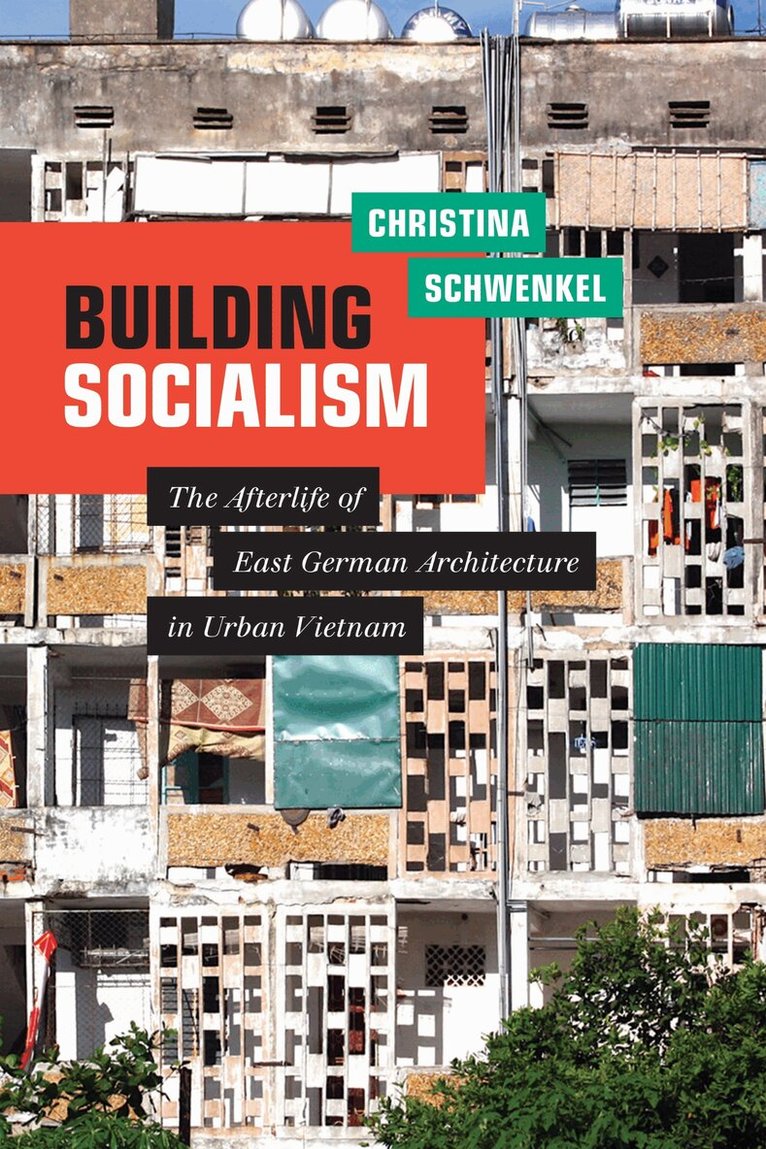
Building Socialism
The Afterlife of East German Architecture in Urban Vietnam
Inbunden, Engelska, 2020
1 575 kr
Skickas inom 7-10 vardagar
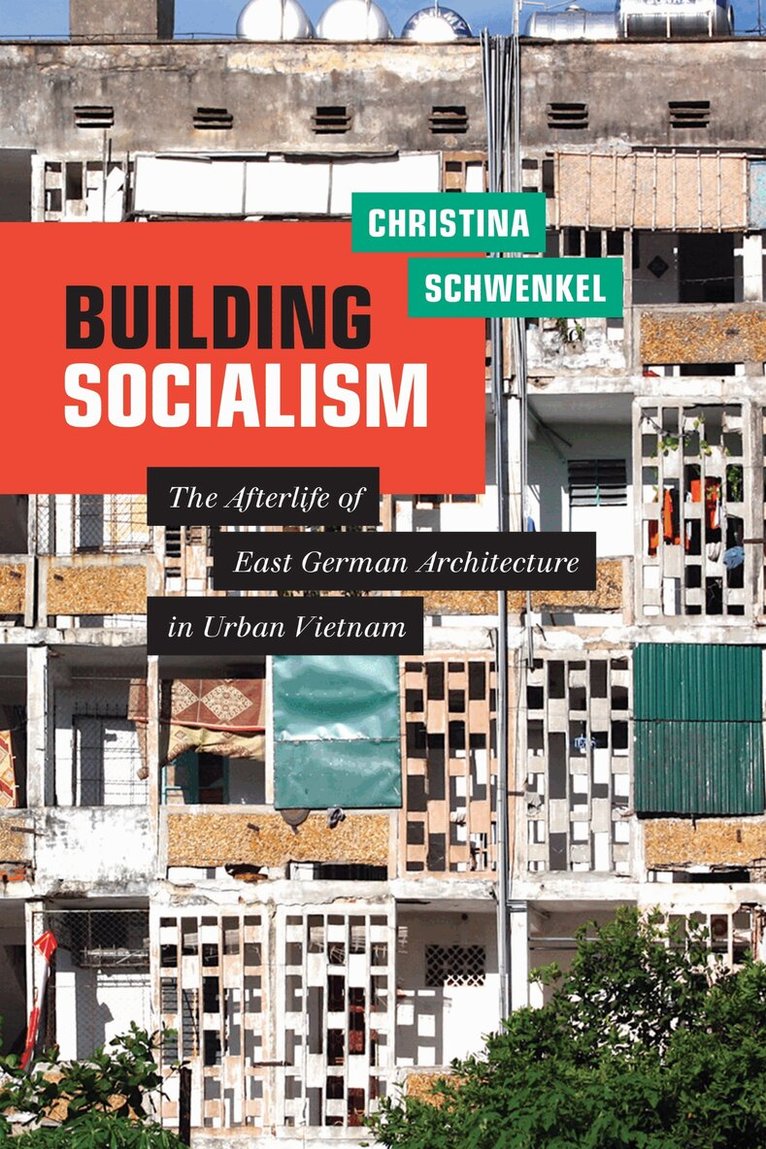
Following a decade of U.S. bombing campaigns that obliterated northern Vietnam, East Germany helped Vietnam rebuild in an act of socialist solidarity. In Building Socialism Christina Schwenkel examines the utopian visions of an expert group of Vietnamese and East German urban planners who sought to transform the devastated industrial town of Vinh into a model socialist city. Drawing on archival and ethnographic research in Vietnam and Germany with architects, engineers, construction workers, and tenants in Vinh’s mass housing complex, Schwenkel explores the material and affective dimensions of urban possibility and the quick fall of Vinh’s new built environment into unplanned obsolescence. She analyzes the tensions between aspirational infrastructure and postwar uncertainty to show how design models and practices that circulated between the socialist North and the decolonizing South underwent significant modification to accommodate alternative cultural logics and ideas about urban futurity. By documenting the building of Vietnam’s first planned city and its aftermath of decay and repurposing, Schwenkel argues that underlying the ambivalent and often unpredictable responses to modernist architectural forms were anxieties about modernity and the future of socialism itself.
440 kr
Skickas inom 7-10 vardagar
Following a decade of U.S. bombing campaigns that obliterated northern Vietnam, East Germany helped Vietnam rebuild in an act of socialist solidarity. In Building Socialism Christina Schwenkel examines the utopian visions of an expert group of Vietnamese and East German urban planners who sought to transform the devastated industrial town of Vinh into a model socialist city. Drawing on archival and ethnographic research in Vietnam and Germany with architects, engineers, construction workers, and tenants in Vinh’s mass housing complex, Schwenkel explores the material and affective dimensions of urban possibility and the quick fall of Vinh’s new built environment into unplanned obsolescence. She analyzes the tensions between aspirational infrastructure and postwar uncertainty to show how design models and practices that circulated between the socialist North and the decolonizing South underwent significant modification to accommodate alternative cultural logics and ideas about urban futurity. By documenting the building of Vietnam’s first planned city and its aftermath of decay and repurposing, Schwenkel argues that underlying the ambivalent and often unpredictable responses to modernist architectural forms were anxieties about modernity and the future of socialism itself.