Christina Simmons - Böcker
Visar alla böcker från författaren Christina Simmons. Handla med fri frakt och snabb leverans.
4 produkter
4 produkter
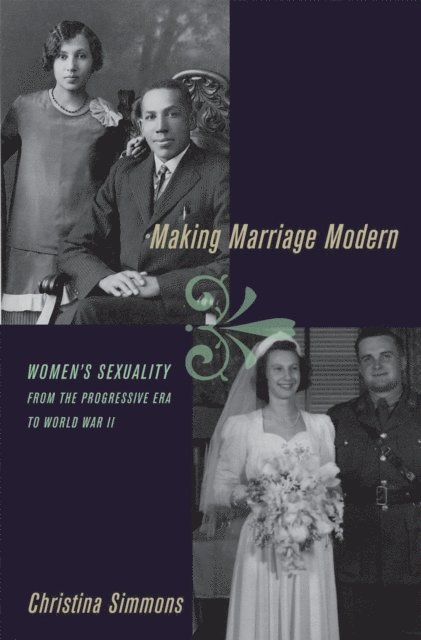
Making Marriage Modern
Women's Sexuality from the Progressive Era to World War II
Inbunden, Engelska, 2009
616 kr
Skickas inom 5-8 vardagar
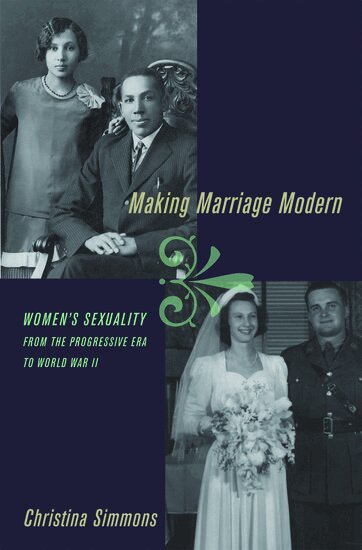
Making Marriage Modern explains the fierce debates among whites and African Americans about American women's sexuality in the early twentieth century that set an older motherhood-centered ideal against a modern female style and produced a new conception of marriage that prevailed until the challenges of the Women's Liberation Movement. This contentious public conversation included social hygiene reformers in the 1910s anxious about venereal disease who called for scientific sex education but still hoped to prop up the motherhood ideal. At the same time birth control activists and sex radicals demanded women's right of choice over childbearing, rejected marriage, or asserted the right to interracial relationships or homosexuality. The book emphasizes the subsequent program of more conventional reformers, who by the 1920s hoped to contain the potential for women's independence from men and marriage portended by conditions of modern life. Their new vision, "companionate marriage," incorporated birth control, easier divorce, greater respect for wives, and an intensified sexual intimacy requiring women's active participation and pleasure. In its most popular version companionate marriage involved free-spirited flappers who did not seriously challenge male authority or women's ultimate focus on children and domesticity. The book also treats other more equitable versions. Feminists (white and black) proposed a more thoroughgoing equality of work and sex, and some African Americans promoted a "partnership marriage" that often included wives' employment. Feminist and more traditional perspectives also competed within the sexual advice literature that flooded onto the market in the 1930s. Making Marriage Modern argues that, despite the unsettling of an older femininity, deep and persistent structural inequalities between men and women limited efforts to create gender parity in sex and marriage. Yet these cultural battles also subverted patriarchal culture and raised women's expectations of marriage in ways that grounded second-wave feminist claims.
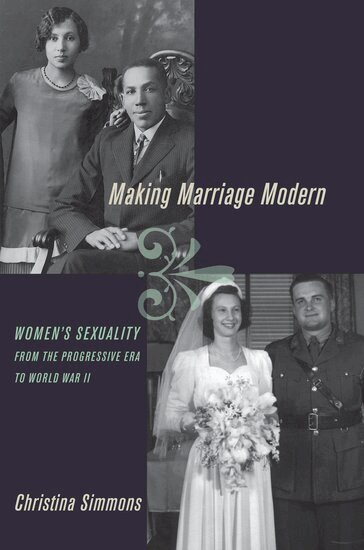
Making Marriage Modern
Women's Sexuality from the Progressive Era to World War II
Häftad, Engelska, 2012
406 kr
Skickas inom 5-8 vardagar
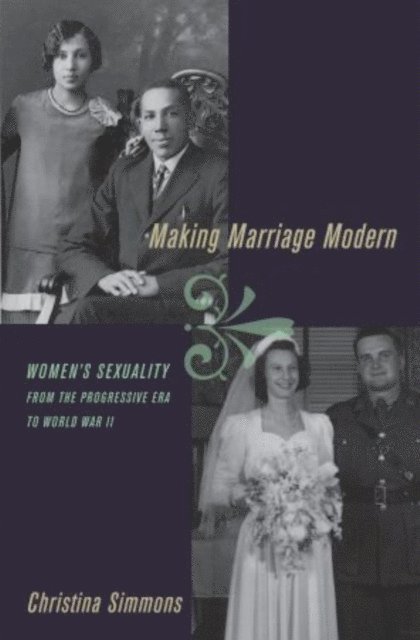
The nineteenth-century middle-class ideal of the married woman was of a chaste and diligent wife focused on being a loving mother, with few needs or rights of her own. The modern woman, by contrast, was partner to a new model of marriage, one in which she and her husband formed a relationship based on greater sexual and psychological equality. In Making Marriage Modern, Christina Simmons narrates the development of this new companionate marriage ideal, which took hold in the early twentieth century and prevailed in American society by the 1940s. The first challenges to public reticence to discuss sexual relations between husbands and wives came from social hygiene reformers, who advocated for a scientific but conservative sex education to combat prostitution and venereal disease. A more radical group of feminists, anarchists, and bohemians opposed the Victorian model of marriage and even the institution of marriage. Birth control advocates such as Emma Goldman and Margaret Sanger openly championed women's rights to acquire and use effective contraception. The "companionate marriage " emerged from these efforts. This marital ideal was characterized by greater emotional and sexuality intimacy for both men and women, use of birth control to create smaller families, and destigmatization of divorce in cases of failed unions. Simmons examines what she calls the "flapper " marriage, in which free-spirited young wives enjoyed the early years of marriage, postponing children and domesticity. She looks at the feminist marriage in which women imagined greater equality between the sexes in domestic and paid work and sex. And she explores the African American "partnership marriage, " which often included wives' employment and drew more heavily on the involvement of the community and extended family. Finally, she traces how these modern ideals of marriage were promoted in sexual advice literature and marriage manuals of the period.Though male dominance persisted in companionate marriages, Christina Simmons shows how they called for greater independence and satisfaction for women and a new female heterosexuality. By raising women's expectations of marriage, the companionate ideal also contained within it the seeds of second-wave feminists' demands for transforming the institution into one of true equality between the sexes.
1 156 kr
Skickas inom 7-10 vardagar
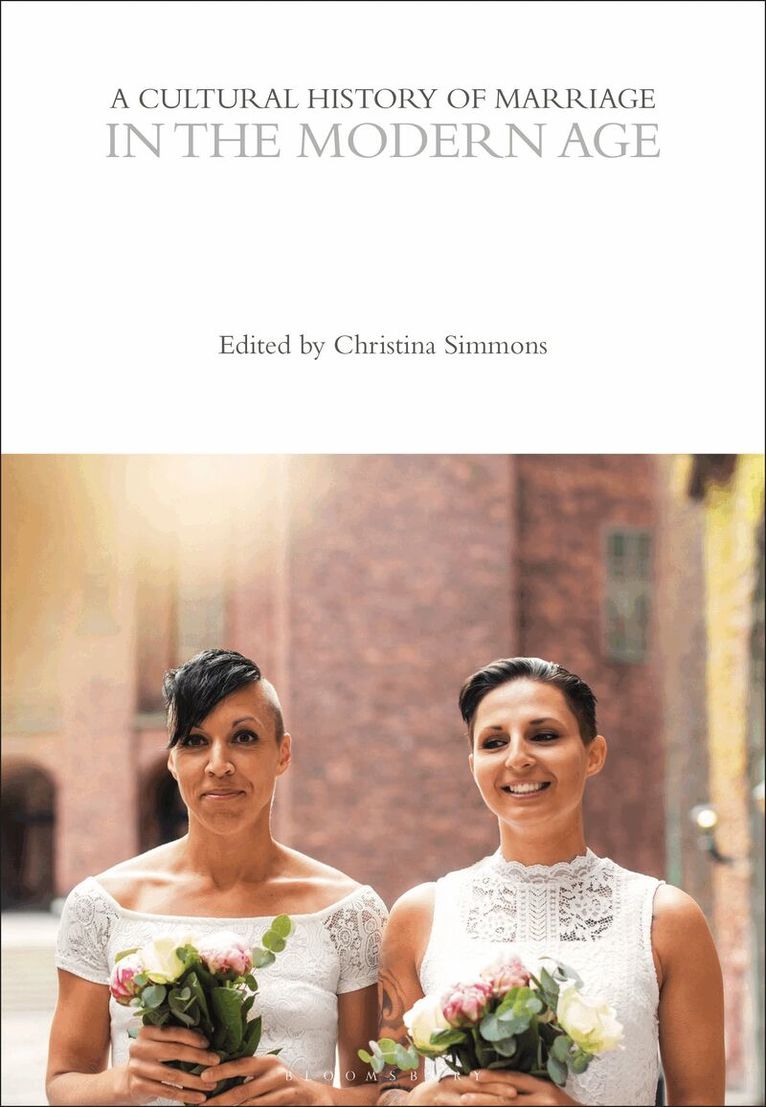
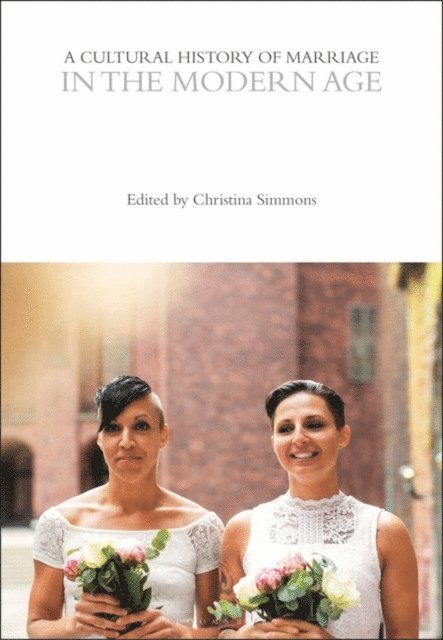
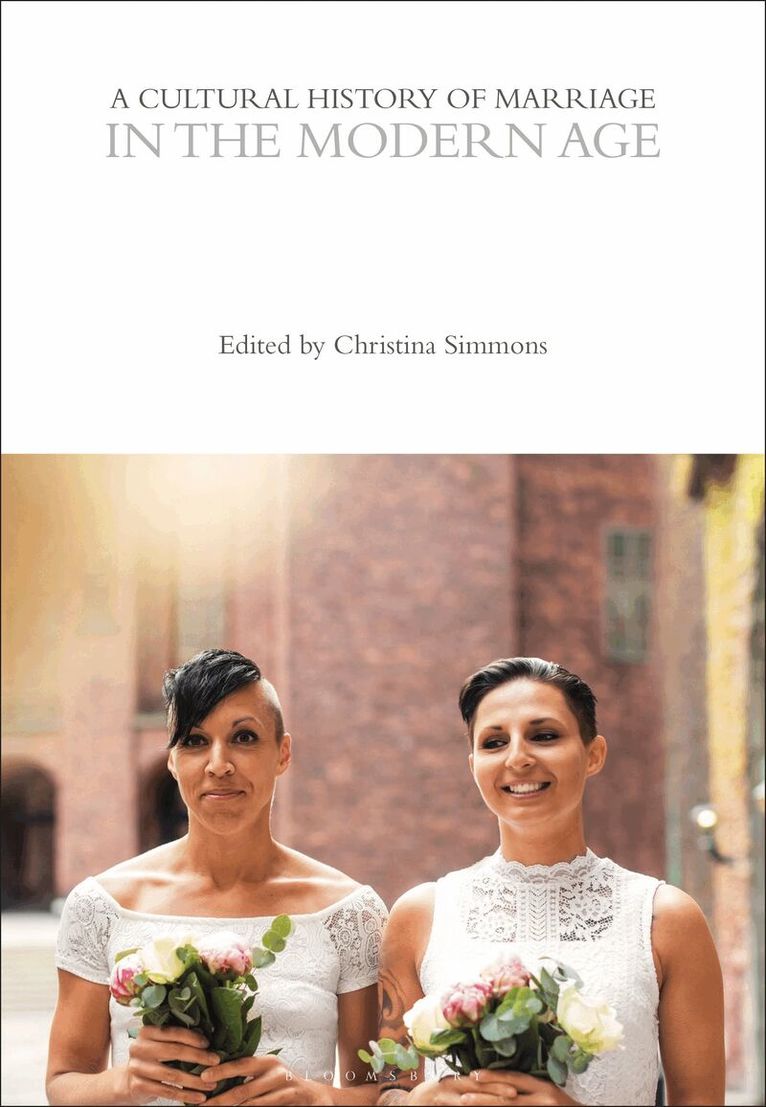
Spanning cultures across the 20th century, this volume explores how marriage, especially in the West, was disestablished as the primary institution organizing social life. In the developing world, the economic, social, and legal foundations of traditional marriage are stronger but also weakening. Marriage changed because an industrial wage economy reduced familial patriarchal control of youth and women and spurred demands and possibilities for greater autonomy and choice in love. After the Second World War, when more married women pursued education and employment, and gays and lesbians gained visibility, feminism and gay liberation also challenged patriarchal and restrictive gender roles and helped to reshape marriage. In 1920 most people married for life; in the twenty-first century fewer marry, and serial monogamy prevails. Marriage is more diverse and flexible in form but also more fragile and optional than it once was.Over the century control of courtship shifted from parents to youth, and friends, as opposed to kin, became more important in sustaining marriages. Dual-wage-earner families replaced the male breadwinner. Social and political liberalism assailed conservative laws and religious regimes, expanding access to divorce and birth control. Although norms of masculinity and femininity retain huge power in most cultures, visions of more egalitarian and romantic love as the basis of marriage have gained traction—made appealing by the global spread of capitalist social relations and also broadcast by culture industries in the developed world. The legalization of same-sex marriage—in over twenty-five nations by 2020—epitomizes a century of change toward a less gender-defined ideal that includes a continued desire for social recognition and permanence.A Cultural History of Marriage in the Modern Age presents an overview of the period with essays on Courtship and Ritual; Religion, State and Law; Kinship and Social Networks; the Family Economy; Love and Sex; the Breaking of Vows; and Representations of Marriage.
372 kr
Skickas inom 7-10 vardagar
Spanning cultures across the 20th century, this volume explores how marriage, especially in the West, was disestablished as the primary institution organizing social life. In the developing world, the economic, social, and legal foundations of traditional marriage are stronger but also weakening. Marriage changed because an industrial wage economy reduced familial patriarchal control of youth and women and spurred demands and possibilities for greater autonomy and choice in love. After the Second World War, when more married women pursued education and employment, and gays and lesbians gained visibility, feminism and gay liberation also challenged patriarchal and restrictive gender roles and helped to reshape marriage. In 1920 most people married for life; in the twenty-first century fewer marry, and serial monogamy prevails. Marriage is more diverse and flexible in form but also more fragile and optional than it once was.Over the century control of courtship shifted from parents to youth, and friends, as opposed to kin, became more important in sustaining marriages. Dual-wage-earner families replaced the male breadwinner. Social and political liberalism assailed conservative laws and religious regimes, expanding access to divorce and birth control. Although norms of masculinity and femininity retain huge power in most cultures, visions of more egalitarian and romantic love as the basis of marriage have gained traction—made appealing by the global spread of capitalist social relations and also broadcast by culture industries in the developed world. The legalization of same-sex marriage—in over twenty-five nations by 2020—epitomizes a century of change toward a less gender-defined ideal that includes a continued desire for social recognition and permanence.A Cultural History of Marriage in the Modern Age presents an overview of the period with essays on Courtship and Ritual; Religion, State and Law; Kinship and Social Networks; the Family Economy; Love and Sex; the Breaking of Vows; and Representations of Marriage.