Christine Grandy - Böcker
Visar alla böcker från författaren Christine Grandy. Handla med fri frakt och snabb leverans.
4 produkter
4 produkter
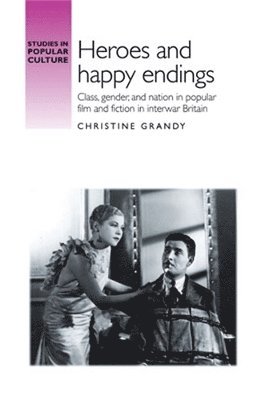
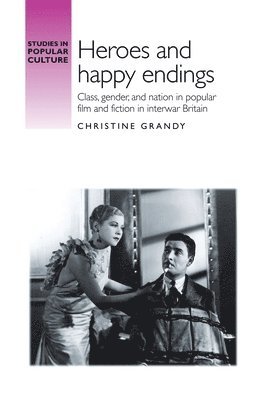
Heroes and Happy Endings
Class, Gender, and Nation in Popular Film and Fiction in Interwar Britain
Inbunden, Engelska, 2014
1 100 kr
Skickas inom 5-8 vardagar
This is a highly anticipated examination of the popular film and fiction consumed by Britons in the 1920s and 1930s. Departing from a prevailing emphasis on popular culture as escapist, Christine Grandy offers a fresh perspective by noting the enduring importance of class and gender divisions in the narratives read and watched by the working and middle classes between the wars. This compelling study ties contemporary concerns about ex-soldiers, profiteers, and working and voting women to the heroes, villains and love-interests that dominated a range of films and novels. Heroes and happy endings further considers the state’s role in shaping the content of popular narratives through censorship. An important and highly readable work for scholars and students interested in cultural and social history, as well as media and film studies, this book is sure to shift our understanding of the role of mass culture in the 1920s and 1930s.
370 kr
Skickas inom 7-10 vardagar
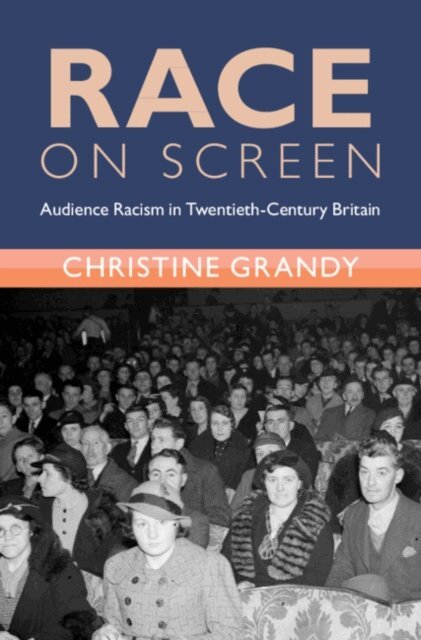
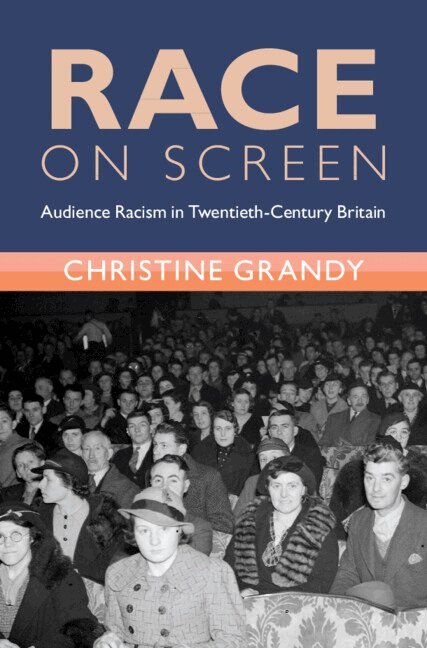
What did audiences want when it came to 'race' on screen in twentieth-century Britain? This was the question that drove producers and makers of film and television as they competed for viewers, and organisations such as the BBC and ITV developed a new field of 'audience research' to address it. Christine Grandy examines how film and television producers, censors and researchers sought to locate audience preferences when it came to presentations of 'race'. Through empire films, home movies and television classics such as Love Thy Neighbour and The Cosby Show, this study explores what was at stake for white British audiences as they consumed material featuring problematic and positive presentations of Black and south Asian people. Race on Screen further uncovers the efforts of Black and south Asian audiences to draw attention to their own roles as overlooked audiences and to name film and television content as racist.
1 228 kr
Skickas inom 7-10 vardagar
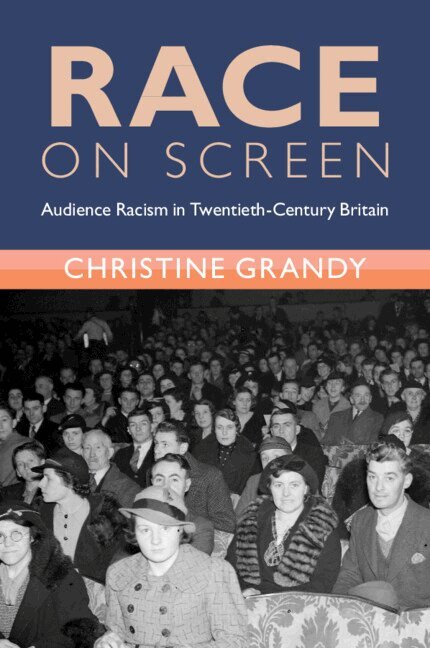
What did audiences want when it came to 'race' on screen in twentieth-century Britain? This was the question that drove producers and makers of film and television as they competed for viewers, and organisations such as the BBC and ITV developed a new field of 'audience research' to address it. Christine Grandy examines how film and television producers, censors and researchers sought to locate audience preferences when it came to presentations of 'race'. Through empire films, home movies and television classics such as Love Thy Neighbour and The Cosby Show, this study explores what was at stake for white British audiences as they consumed material featuring problematic and positive presentations of Black and south Asian people. Race on Screen further uncovers the efforts of Black and south Asian audiences to draw attention to their own roles as overlooked audiences and to name film and television content as racist.
Heroes and happy endings
Class, gender, and nation in popular film and fiction in interwar Britain
Häftad, Engelska, 2017
364 kr
Skickas inom 5-8 vardagar
This is a highly anticipated examination of the popular film and fiction consumed by Britons in the 1920s and 1930s. Departing from a prevailing emphasis on popular culture as escapist, Christine Grandy offers a fresh perspective by noting the enduring importance of class and gender divisions in the narratives read and watched by the working and middle classes between the wars. This compelling study ties contemporary concerns about ex-soldiers, profiteers, and working and voting women to the heroes, villains and love-interests that dominated a range of films and novels. Heroes and happy endings further considers the state’s role in shaping the content of popular narratives through censorship. An important and highly readable work for scholars and students interested in cultural and social history, as well as media and film studies, this book is sure to shift our understanding of the role of mass culture in the 1920s and 1930s.