Christine Keiner - Böcker
Visar alla böcker från författaren Christine Keiner. Handla med fri frakt och snabb leverans.
4 produkter
4 produkter
Oyster Question
Scientists, Watermen, and the Maryland Chesapeake Bay since 1880
Inbunden, Engelska, 2009
876 kr
Skickas inom 5-8 vardagar
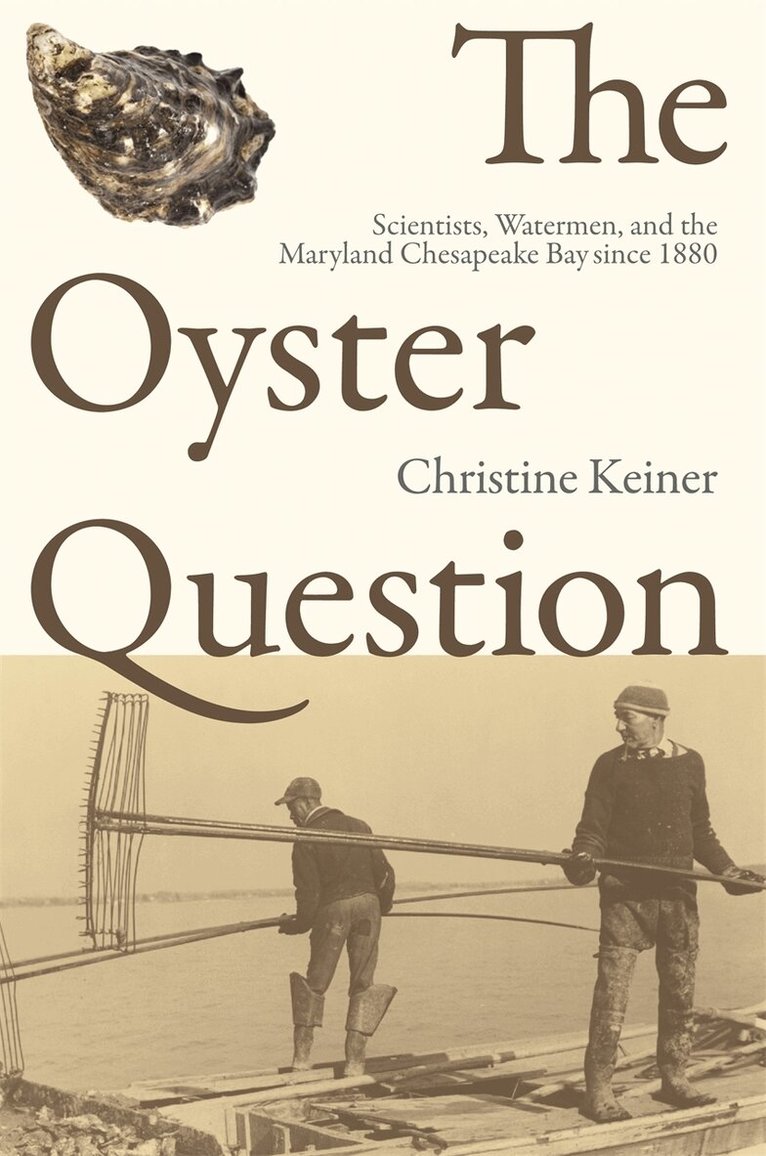
In The Oyster Question, Christine Keiner applies perspectives of environmental, agricultural, political, and social history to examine the decline of Maryland’s iconic Chesapeake Bay oyster industry.Oystermen have held on to traditional ways of life, and some continue to use preindustrial methods, tonging oysters by hand from small boats. Others use more intensive tools, and thus it is commonly believed that a lack of regulation enabled oystermen to exploit the bay to the point of ruin.But Keiner offers an opposing view in which state officials, scientists, and oystermen created a regulated commons that sustained tidewater communities for decades. Not until the 1980s did a confluence of natural and unnatural disasters weaken the bay’s resilience enough to endanger the oyster resource. Keiner examines conflicts that pitted scientists in favor of privatization against watermen who used their power in the statehouse to stave off the forces of rural change. Her study breaks new ground regarding the evolution of environmental politics at the state rather than the federal level.The Oyster Question concludes with the impassioned ongoing debate over introducing nonnative oysters to the Chesapeake Bay and how that proposal might affect the struggling watermen and their identity as the last hunter-gatherers of the industrialized world.
Oyster Question
Scientists, Watermen, and the Maryland Chesapeake Bay since 1880
Häftad, Engelska, 2010
502 kr
Skickas inom 5-8 vardagar
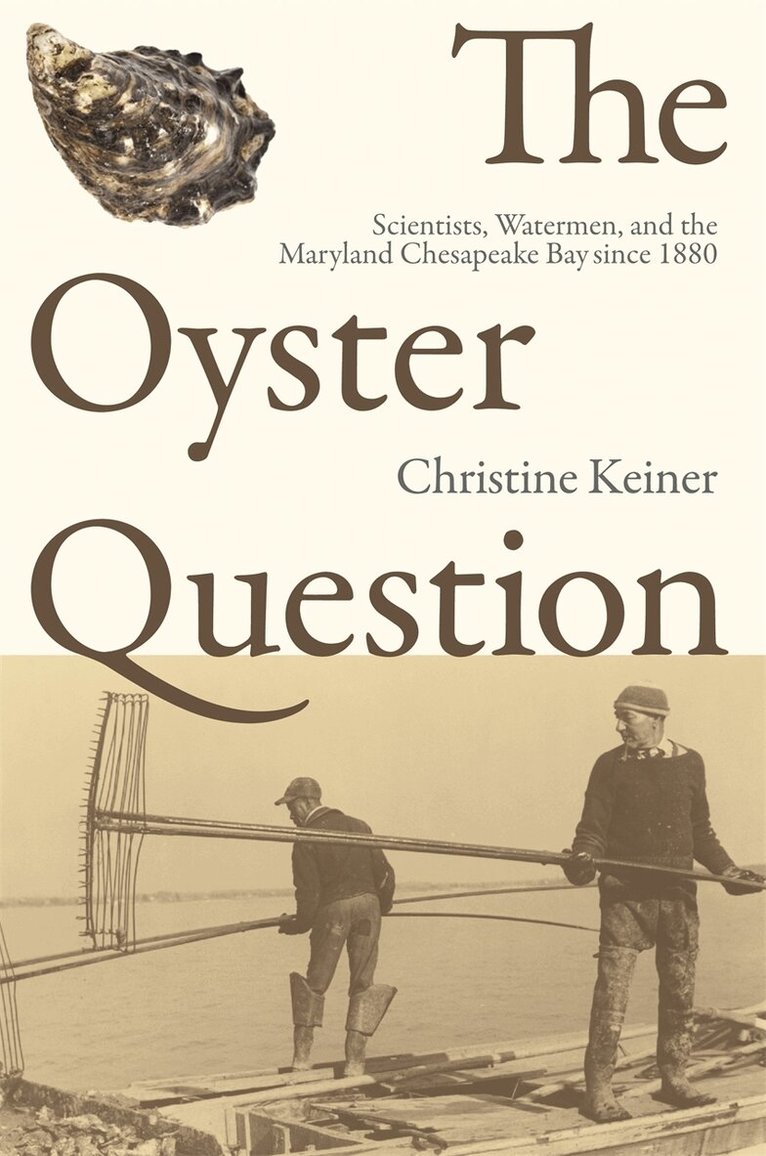
In The Oyster Question, Christine Keiner applies perspectives of environmental, agricultural, political, and social history to examine the decline of Maryland’s iconic Chesapeake Bay oyster industry.Oystermen have held on to traditional ways of life, and some continue to use preindustrial methods, tonging oysters by hand from small boats. Others use more intensive tools, and thus it is commonly believed that a lack of regulation enabled oystermen to exploit the bay to the point of ruin.But Keiner offers an opposing view in which state officials, scientists, and oystermen created a regulated commons that sustained tidewater communities for decades. Not until the 1980s did a confluence of natural and unnatural disasters weaken the bay’s resilience enough to endanger the oyster resource. Keiner examines conflicts that pitted scientists in favor of privatization against watermen who used their power in the statehouse to stave off the forces of rural change. Her study breaks new ground regarding the evolution of environmental politics at the state rather than the federal level.The Oyster Question concludes with the impassioned ongoing debate over introducing nonnative oysters to the Chesapeake Bay and how that proposal might affect the struggling watermen and their identity as the last hunter-gatherers of the industrialized world.
2 040 kr
Skickas inom 3-6 vardagar
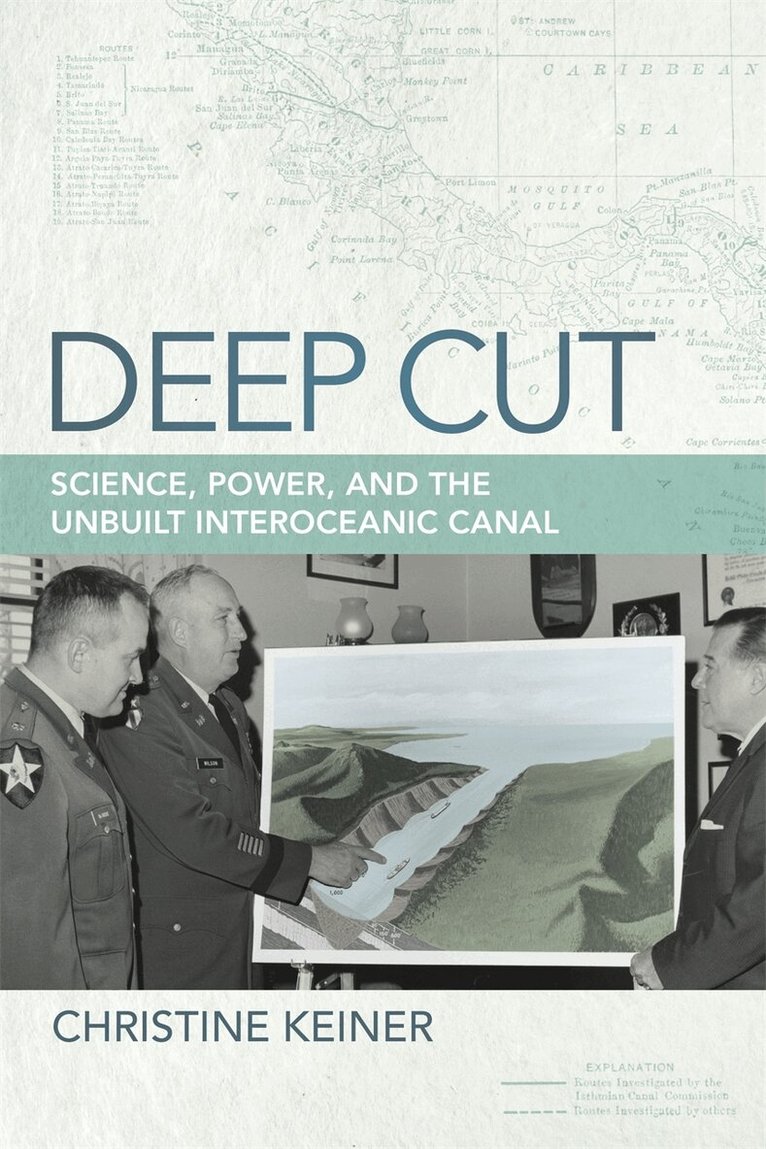
This book is openly available in digital formats thanks to a generous grant from the Andrew W. Mellon Foundation.The Atlantic-Pacific Central American sea-level canal is generally regarded as a spectacular failure. However, Deep Cut examines the canal in an alternative context, as an anticipated infrastructure project that captured attention from the nineteenth through the late twentieth centuries. Its advocates included naturalist Alexander von Humboldt, physicist Edward Teller, and U.S. presidents John F. Kennedy, Lyndon Johnson, and Jimmy Carter. The waterway did not come to fruition, but as a proposal it served important political and scientific purposes during different eras, especially the years spanning the Cold War and the “environmental decade” of the 1970s.Historian Christine Keiner shows how the evolving plans for the sea-level ship canal performed distinct kinds of work for diverse historical actors in light of shifting scientific, environmental, and diplomatic values. Dismissing it as a failed scheme prevents us from considering the political, cultural, and epistemological processes that went into constructing the seaway as an innovative diplomatic solution to rising U.S.-Panama tensions, an exciting research opportunity for evolutionary biologists, a superior hydrocarbon highway for the oil industry, or a serious ecological threat to marine biodiversity.Invoking past dreams and nightmares of peaceful nuclear explosives, invasive sea snakes, and the 1970s energy crisis, Deep Cut uses the Central American seaway proposal to examine the changing roles of environmental diplomacy and state-sponsored environmental impact assessment. More broadly, Keiner amplifies an emerging conversation around the environmental, scientific, and political histories and legacies of unrealized megaprojects.
516 kr
Skickas inom 7-10 vardagar
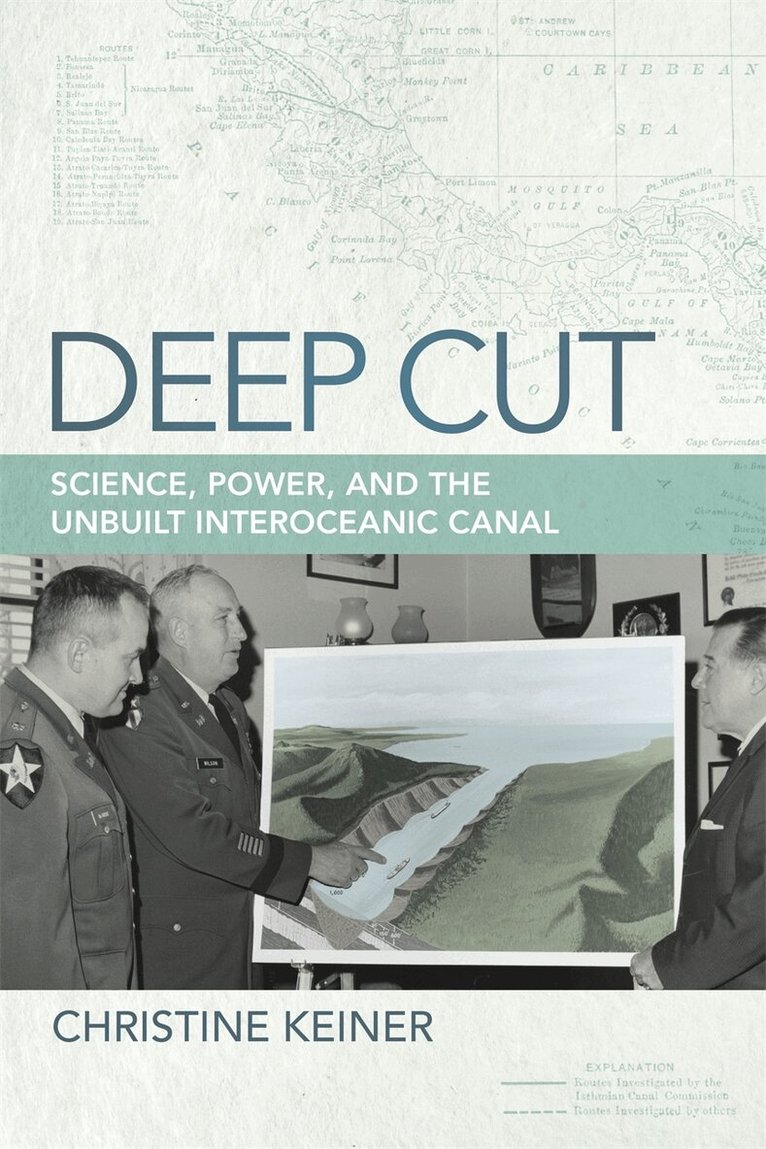
This book is openly available in digital formats thanks to a generous grant from the Andrew W. Mellon Foundation.The Atlantic-Pacific Central American sea-level canal is generally regarded as a spectacular failure. However, Deep Cut examines the canal in an alternative context, as an anticipated infrastructure project that captured attention from the nineteenth through the late twentieth centuries. Its advocates included naturalist Alexander von Humboldt, physicist Edward Teller, and U.S. presidents John F. Kennedy, Lyndon Johnson, and Jimmy Carter. The waterway did not come to fruition, but as a proposal it served important political and scientific purposes during different eras, especially the years spanning the Cold War and the “environmental decade” of the 1970s.Historian Christine Keiner shows how the evolving plans for the sea-level ship canal performed distinct kinds of work for diverse historical actors in light of shifting scientific, environmental, and diplomatic values. Dismissing it as a failed scheme prevents us from considering the political, cultural, and epistemological processes that went into constructing the seaway as an innovative diplomatic solution to rising U.S.-Panama tensions, an exciting research opportunity for evolutionary biologists, a superior hydrocarbon highway for the oil industry, or a serious ecological threat to marine biodiversity.Invoking past dreams and nightmares of peaceful nuclear explosives, invasive sea snakes, and the 1970s energy crisis, Deep Cut uses the Central American seaway proposal to examine the changing roles of environmental diplomacy and state-sponsored environmental impact assessment. More broadly, Keiner amplifies an emerging conversation around the environmental, scientific, and political histories and legacies of unrealized megaprojects.