Christine M. E. Guth - Böcker
Visar alla böcker från författaren Christine M. E. Guth. Handla med fri frakt och snabb leverans.
3 produkter
3 produkter
412 kr
Skickas inom 7-10 vardagar
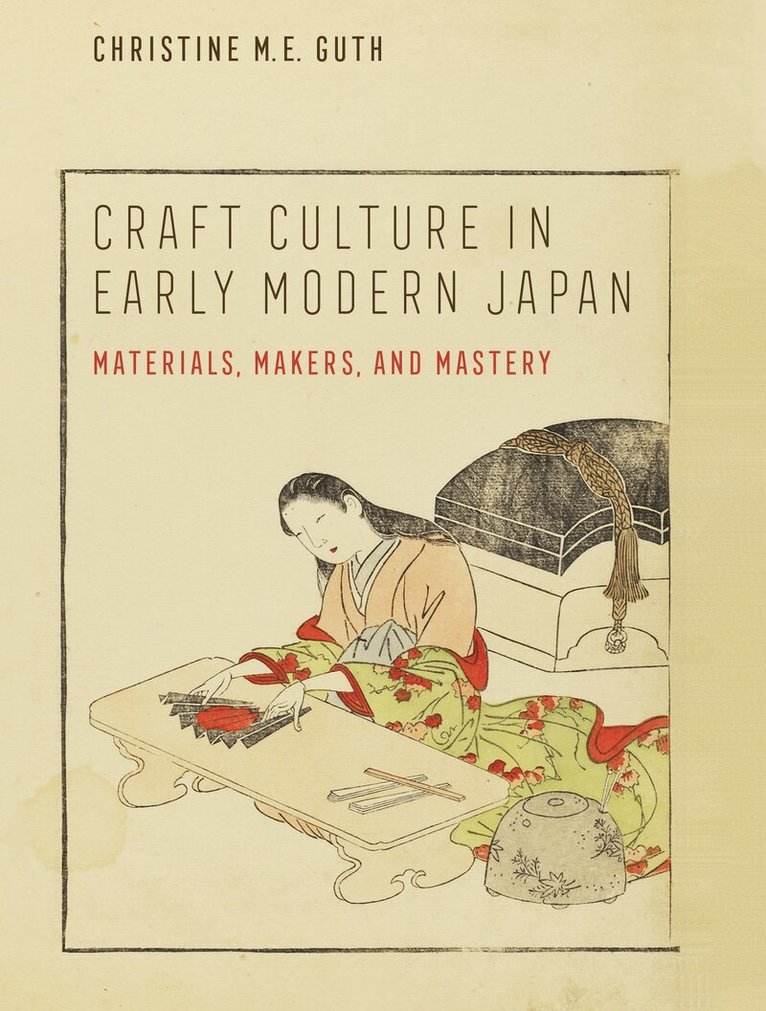
Articles crafted from lacquer, silk, cotton, paper, ceramics, and iron were central to daily life in early modern Japan. They were powerful carriers of knowledge, sociality, and identity, and their facture was a matter of serious concern among makers and consumers alike. In this innovative study, Christine M. E. Guth offers a holistic framework for appreciating the crafts produced in the city and countryside, by celebrity and unknown makers, between the late sixteenth and mid-nineteenth centuries. Her study throws into relief the confluence of often overlooked forces that contributed to Japan’s diverse, dynamic, and aesthetically sophisticated artifactual culture. By bringing into dialogue key issues such as natural resources and their management, media representations, gender and workshop organization, embodied knowledge, and innovation, she invites readers to think about Japanese crafts as emerging from cooperative yet competitive expressive environments involving both human and nonhuman forces. A focus on the material, sociological, physiological, and technical aspects of making practices adds to our understanding of early modern crafts by revealing underlying patterns of thought and action within the wider culture of the times.
493 kr
Skickas inom 7-10 vardagar
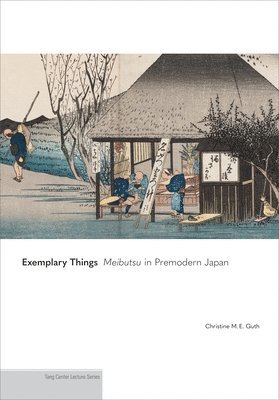
A beautifully illustrated history of one of the most important cultural categories in JapanThe Japanese term meibutsu refers to things of the highest cultural value, evolving over time to encompass both craft and fine art, high and low culture, and manufactured and natural items. Material goods designated as meibutsu range from precious art objects to regional products like bamboo baskets and ceramics. Exemplary Things traces the history of this epistemic classificatory system in Japanese culture from its elite origins in the fifteenth century to its commercial appropriation today.Christine Guth explores the use of meibutsu to designate famous things (especially in the elevated context of tea practice), the term’s institutionalization, and its popularization through print media and replicas (utsushi), and discusses how the term was used in critiques of the extravagance associated with collecting these costly treasures. She looks at the intertwined histories of meibutsu swords, incense, and tea utensils, focusing on their identities and agency as things with personal names. Guth explains how meibutsu evolved from a culture of tributes, taxes, and gift giving associated with a sense of place into a term essential to cultural literacy, and how Japan’s modern legislation for the protection of its national treasures (kokuhō) drew on this legacy.With stunning illustrations, Exemplary Things casts the art history of Japan in a new light, showing how the concept of meibutsu blurs the lines between economic value, cultural and aesthetic worth, and the furtherance of political power.Published in association with the P. Y. and Kinmay W. Tang Center for East Asian Art at Princeton University
202 kr
Skickas inom 11-20 vardagar
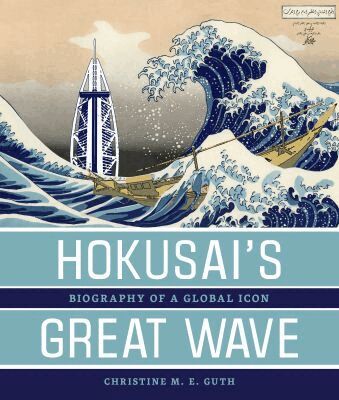
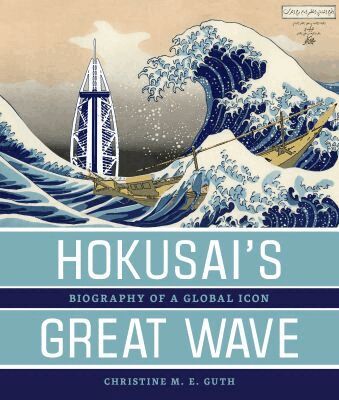
Hokusai’s “Great Wave,” as it is commonly known today, is arguably one of Japan’s most successful exports, its commanding cresting profile instantly recognizable no matter how different its representations in media and style. In this richly illustrated and highly original study, Christine Guth examines the iconic wave from its first publication in 1831 through the remarkable range of its articulations, arguing that it has been a site where the tensions, contradictions, and, especially, the productive creativities of the local and the global have been negotiated and expressed. She follows the wave’s trajectory across geographies, linking its movements with larger political, economic, technological, and sociocultural developments. Adopting a case study approach, Guth explores issues that map the social life of the iconic wave across time and place, from the initial reception of the woodblock print in Japan, to the image’s adaptations as part of “international nationalism,” its place in American perceptions of Japan, itscommercial adoption for lifestyle branding, and fi nally to its identifi cation as a tsunami, bringing not culture but disaster in its wake.Wide ranging in scope yet grounded in close readings of disparate iterations of the wave, multidisciplinary and theoretically informed in its approach, Hokusai’s Great Wave will change both how we look at this global icon and the way we study the circulation of Japanese prints. This accessible and engagingly written work moves beyond the standard hagiographical approach to recognize, as categories of analysis, historical and geographic contingency as well as visual and technical brilliance. It is a book that will interest students of Japan and its culture and more generally those seeking fresh perspectives on the dynamics of cultural globalization.