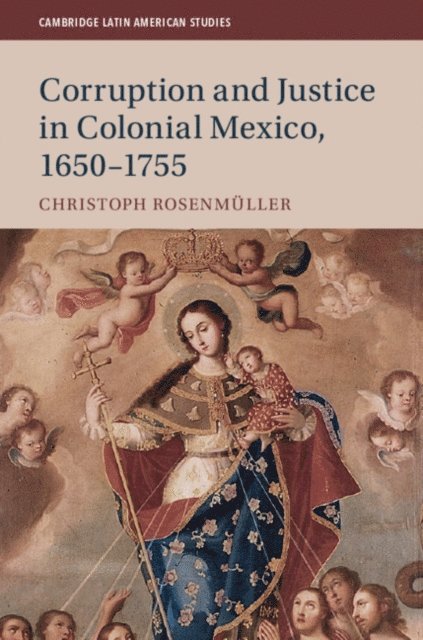
Christoph Rosenmüller - Böcker
Visar alla böcker från författaren Christoph Rosenmüller. Handla med fri frakt och snabb leverans.
4 produkter
4 produkter
1 061 kr
Skickas inom 3-6 vardagar
This book provides new perspectives into a subject that historians have largely overlooked. The contributors use fresh archival research from Spain, Portugal, Brazil, Bolivia, Mexico, and the Philippines to examine the lives of slaves and farmworkers as well as self-serving magistrates, bishops, and traders in contraband. The authors show that corruption was a powerful discourse in the Atlantic world. Investigative judges could dismiss culprits, jail them, or, sometimes, have them “garroted and their corpses publicly displayed.
1 039 kr
Skickas inom 7-10 vardagar
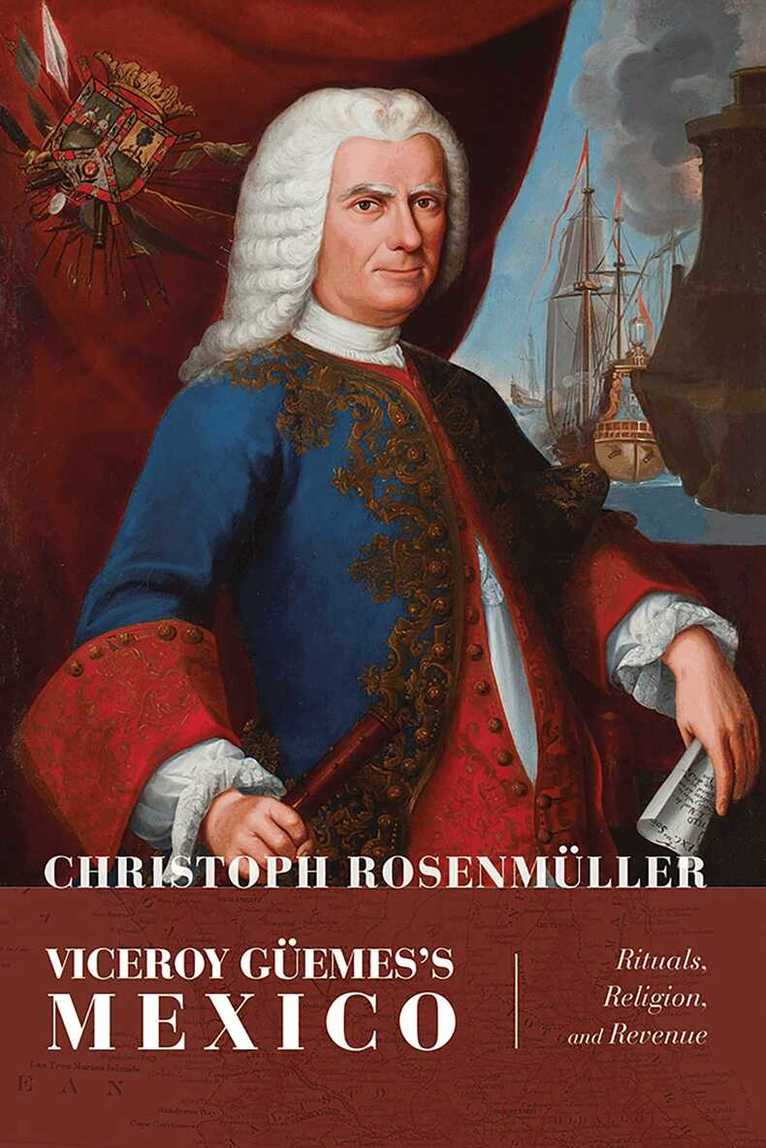
Viceroy GÜemes's Mexico: Rituals, Religion, and Revenue examines the career of Juan Francisco GÜemes y Horcasitas, viceroy of New Spain from 1746 to 1755. It provides the best account yet of how the colonial reform process most commonly known as the Bourbon Reforms did not commence with the arrival of José de Gálvez, the visitador general to New Spain appointed in 1765. Rather, GÜemes, ennobled as the conde de Revillagigedo in 1749, pushed through substantial reforms in the late 1740s and early 1750s, most notably the secularization of the doctrinas (turning parishes administering to Natives over to diocesan priests) and the state takeover of the administration of the alcabala tax in Mexico City. Both measures served to strengthen royal authority and increase fiscal revenues, the twin goals historians have long identified as central to the Bourbon reform project. GÜemes also managed to implement these reforms without stirring up the storm of protest that attended the Gálvez visita. The book thus recasts how historians view eighteenth-century colonial reform in New Spain and the Spanish empire generally.Christoph RosenmÜller's study of GÜemes is the first in English-language scholarship that draws on significant research in a family archive. Using these rarely consulted sources allows for a deeper understanding of daily life and politics. Whereas most scholars have relied on the official communications in the great archives to emphasize tightly choreographed rituals, for instance, RosenmÜller's work shows that much interaction in the viceregal palace was rather informal--a fact that scholars have overlooked. The sources throw light on meeting and greeting people, ongoing squabbles over hierarchy and ceremony, walks on the Alameda square, the role of the vicereine and their children, and working hours in the offices. Such insights are drawn from a rare family archive harboring a trove of personal communications. The resulting book paints a vivid portrait of a society undergoing change earlier than many historians have believed.
534 kr
Skickas inom 3-6 vardagar
Viceroy GÜemes's Mexico: Rituals, Religion, and Revenue examines the career of Juan Francisco GÜemes y Horcasitas, viceroy of New Spain from 1746 to 1755. It provides the best account yet of how the colonial reform process most commonly known as the Bourbon Reforms did not commence with the arrival of José de Gálvez, the visitador general to New Spain appointed in 1765. Rather, GÜemes, ennobled as the conde de Revillagigedo in 1749, pushed through substantial reforms in the late 1740s and early 1750s, most notably the secularization of the doctrinas (turning parishes administering to Natives over to diocesan priests) and the state takeover of the administration of the alcabala tax in Mexico City. Both measures served to strengthen royal authority and increase fiscal revenues, the twin goals historians have long identified as central to the Bourbon reform project. GÜemes also managed to implement these reforms without stirring up the storm of protest that attended the Gálvez visita. The book thus recasts how historians view eighteenth-century colonial reform in New Spain and the Spanish empire generally.Christoph RosenmÜller's study of GÜemes is the first in English-language scholarship that draws on significant research in a family archive. Using these rarely consulted sources allows for a deeper understanding of daily life and politics. Whereas most scholars have relied on the official communications in the great archives to emphasize tightly choreographed rituals, for instance, RosenmÜller's work shows that much interaction in the viceregal palace was rather informal--a fact that scholars have overlooked. The sources throw light on meeting and greeting people, ongoing squabbles over hierarchy and ceremony, walks on the Alameda square, the role of the vicereine and their children, and working hours in the offices. Such insights are drawn from a rare family archive harboring a trove of personal communications. The resulting book paints a vivid portrait of a society undergoing change earlier than many historians have believed.
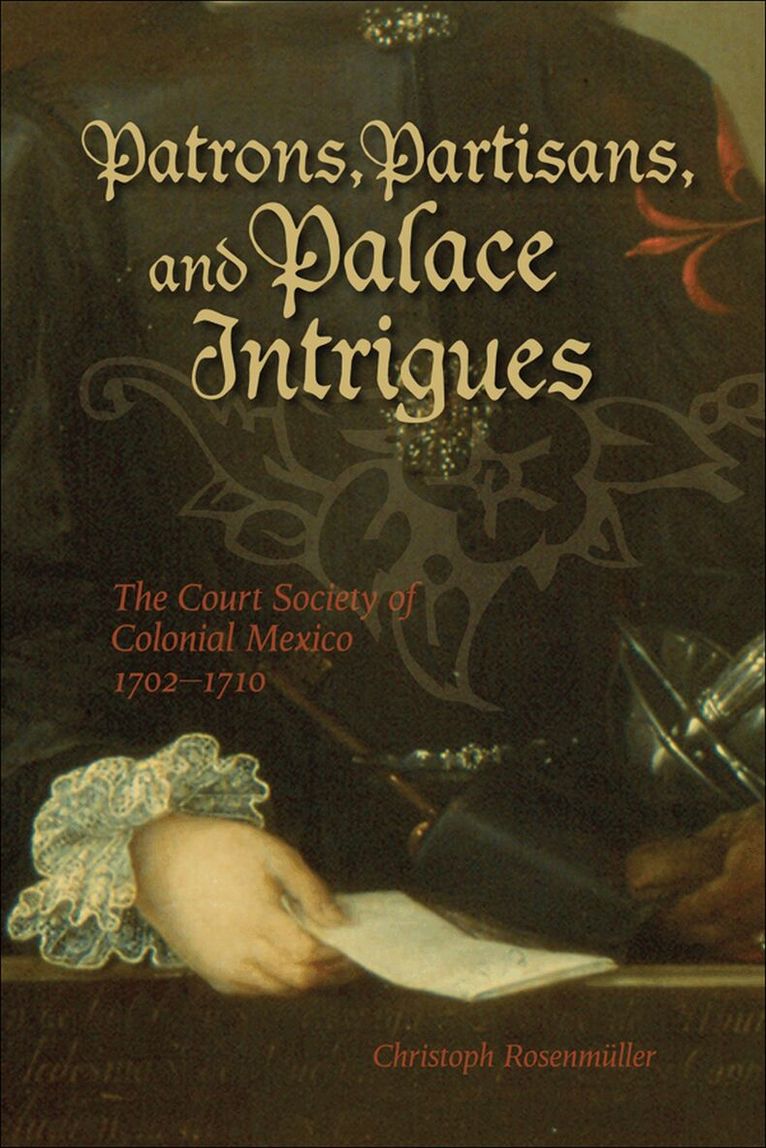
Patrons, Partisans, and Palace Intrigues
The Court Society of Colonial Mexico 1702-1710
Häftad, Engelska, 2008
434 kr
Skickas inom 10-15 vardagar
Palace intrigues and clientelism drove politics at the viceregal court of colonial Mexico. By carefully reconstructing social networks in the court of Viceroy Duke of Alburquerque (1702-1710), Christoph Rosenmüller reveals that the Duke presided over one of the most corrupt viceregal terms in Mexican history.Alburquerque was appointed by Spain's King Philip V at a time when expanding state power was beginning to meet with opposition in colonial Mexico. The Duke and his retainers, though seemingly working for the crown, actually built close alliances with locals to thwart the reform efforts emanating from Spain. Alburquerque collaborated with contraband traders and opposed the secularization of Indian parishes. He persecuted several local craftsmen and merchants, some of whom died after languishing in jail, accusing them of treason to bolster his own credentials as a loyal official. In the end, however, the dominant clique at the royal court in Madrid sought revenge. Alburquerque was forced to pay an unheard-of indemnity of 700,000 silver pesos to regain the king's favour.Dealing with a topic and period largely ignored by historiography, Rosenmüller exposes the vast patronage power of the viceroy at the historical watershed between the expiring Habsburg dynasty and the incoming Bourbon rulers. His analysis reveals that precursors of the Bourbon reforms and the struggle for Mexican independence were already at play in the early eighteenth century.