Christopher A. Frilingos - Böcker
Visar alla böcker från författaren Christopher A. Frilingos. Handla med fri frakt och snabb leverans.
2 produkter
2 produkter
697 kr
Skickas inom 10-15 vardagar
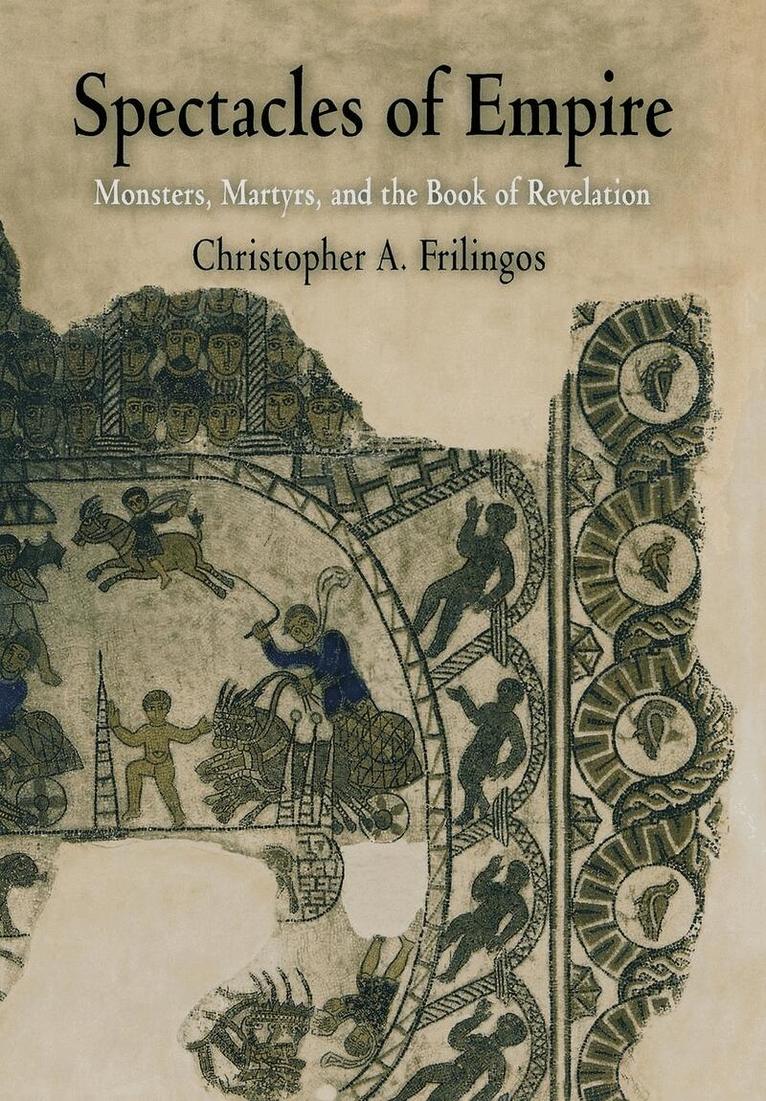
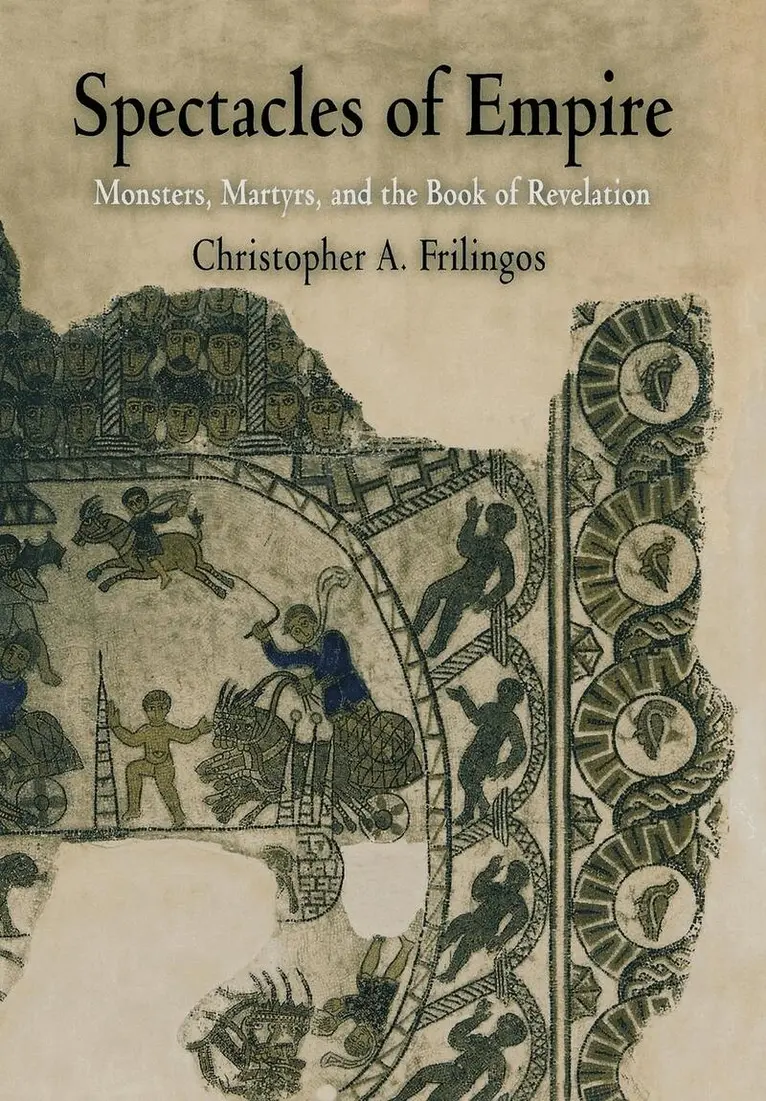
The book of Revelation presents a daunting picture of the destruction of the world, complete with clashing gods, a multiheaded beast, armies of heaven, and the final judgment of mankind. The bizarre conclusion to the New Testament is routinely cited as an example of the early Christian renunciation of the might and values of Rome. But Christopher A. Frilingos contends that Revelation's relationship to its ancient environment was a rather more complex one. In Spectacles of Empire he argues that the public displays of the Roman Empire-the games of the arena, the execution of criminals, the civic veneration of the emperor-offer a plausible context for reading Revelation. Like the spectacles that attracted audiences from one end of the Mediterranean Sea to the other, Revelation shares a preoccupation with matters of spectatorship, domination, and masculinity.Scholars have long noted that in promising a complete reversal of fortune to an oppressed minority, Revelation has provided inspiration to Christians of all kinds, from liberation theologians protesting globalization to the medieval Apostolic Brethren facing death at the stake. But Frilingos approaches the Apocalypse from a different angle, arguing that Revelation was not merely a rejection of the Roman world in favor of a Christian one; rather, its visions of monsters and martyrs were the product of an empire whose subjects were trained to dominate the threatening "other." By comparing images in Revelation to those in other Roman-era literature, such as Greek romances and martyr accounts, Frilingos reveals a society preoccupied with seeing and being seen. At the same time, he shows how Revelation calls attention to both the risk and the allure of taking in a show in a society which emphasized the careful scrutiny of one's friends, enemies, and self. Ancient spectators, Frilingos notes, whether seated in an arena or standing at a distance as Babylon burned, frequently discovered that they themselves had become part of the performance.
485 kr
Skickas inom 10-15 vardagar
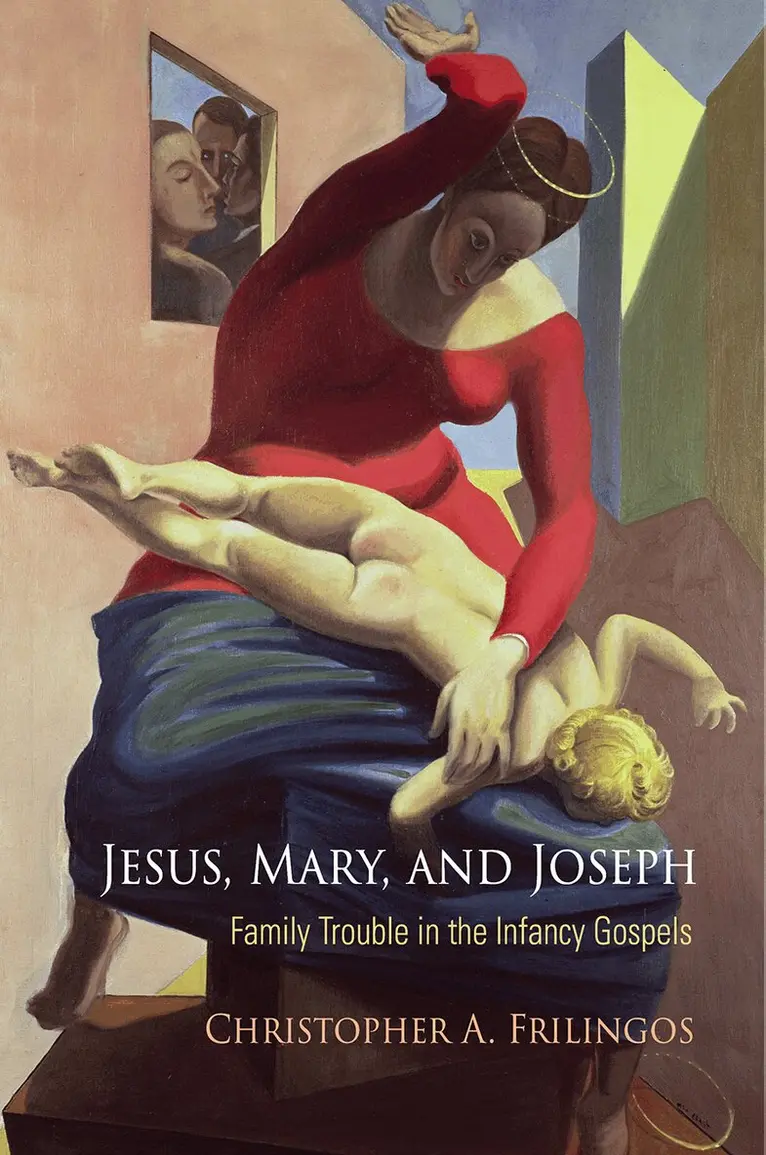
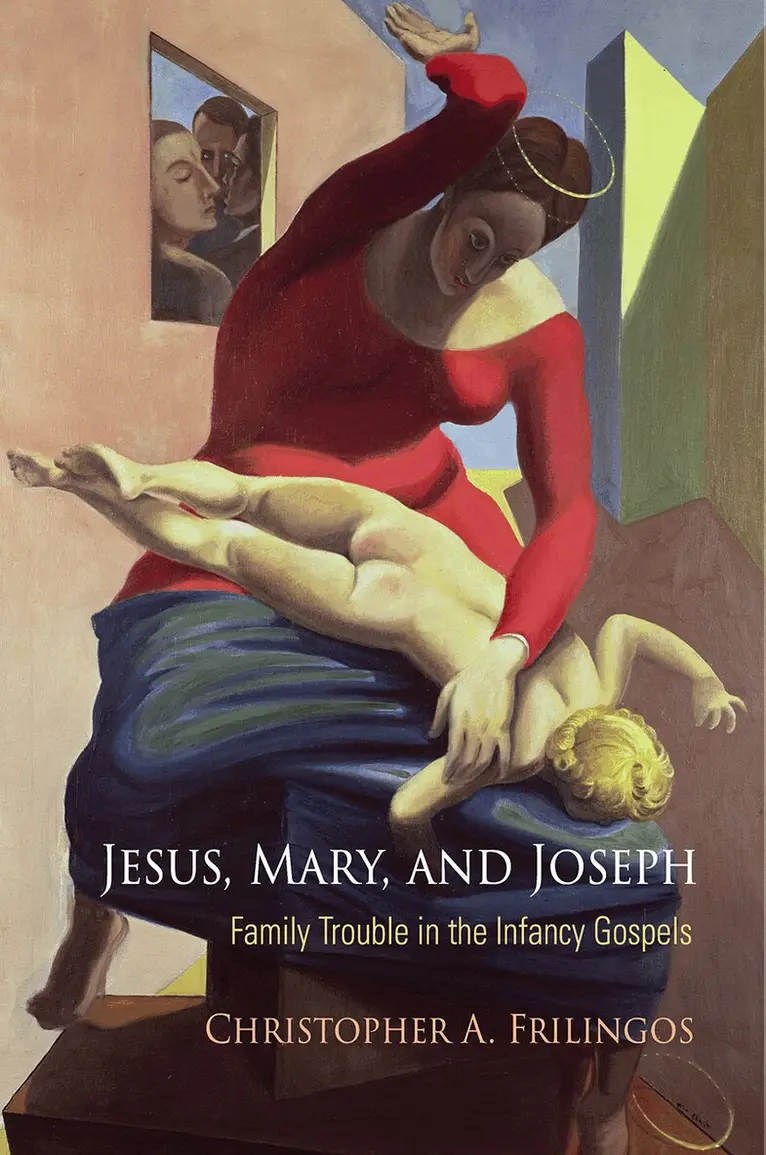
When Jesus was five he killed a boy, or so reports the Infancy Gospel of Thomas. A little boy had run into Jesus by accident, bumping him on the shoulder, and Jesus took offense: "Jesus was angry and said to him, 'You shall go no further on your way,' and instantly the boy fell down and died." A second story recounts how Jesus transformed mud into living birds, while yet another has Joseph telling Mary to keep Jesus in the house so that no one else gets hurt. What was life really like in the household of Joseph, Mary, and little Jesus? The canon of the New Testament provides few details, but ancient Christians, wanting to know more, would turn to the texts we know as the "Infancy Gospels."The Infancy Gospel of Thomas is a collection of stories from the mid-second century C.E. describing events in the life of Jesus between the ages of five and twelve. The Proto-gospel of James, also dating from the second century, focuses on Mary and likewise includes episodes from her childhood. These gospels are often cast aside as marginal character sketches, designed to assure the faithful that signs of divine grace cropped up in the early years of both Mary and Jesus. Christopher A. Frilingos contends instead that the accounts are best viewed as meditations on family. Both gospels offer rich portrayals of household relationships at a time when ancient Christians were locked in a fierce debate about family-not only on the question of what a Christian family ought to look like but also on whether Christians should pursue family life at all.Describing the conflicts of family life, the gospels present Jesus, Mary, and Joseph in moments of weakness and strength, reminding early Christians of the canyon separating human ignorance and divine knowledge. According to Frilingos, the depicted acts of love and courage performed in the face of great uncertainty taught early Christian readers the worth of human relationships.