
Häftad, Engelska, 2010
337 kr
Skickas inom 10-15 vardagar
337 kr
Skickas inom 10-15 vardagar
1 482 kr
Läs direkt efter köp
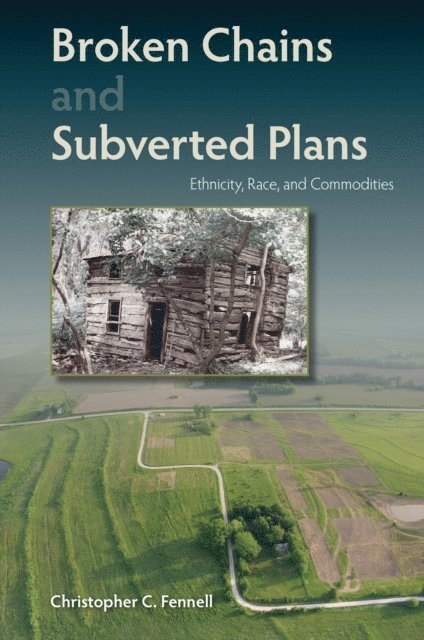
Using case studies from frontier regions in nineteenth-century Virginia and Illinois, this book reveals how marginalized ethnic and racial communities thwarted the attempts of officials and investors to control them through capitalist economic systems, global commodity chains, and development plans.
In backcountry Virginia, German immigrants opted to purchase ceramic wares produced by their own local communities instead of buying manufactured goods supplied by urban centers. Examining archaeology sites and account books and ledgers maintained by local stores, Christopher Fennell reveals how these consumer preferences were influenced by ethnic affiliations and traditions of stylistic expression, emphasizing the community’s cohesiveness.
Free African Americans in the town of New Philadelphia, Illinois, worked to obtain land, produce agricultural commodities, and provide services as blacksmiths and carpenters. In doing so, they defied the structural and aversive racism meant to channel resources and economic value away from them. Fennell surveys these racial dynamics--as well as those of Miller Grove, Brooklyn, and the Equal Rights settlement outside of Galena--to show how social networks, racism, and markets shaped individual, family, and societal experiences.
The small choices made by these two populations had ripple effects through developments in the Midwest and Mid-Atlantic States. Looking at the economic systems of these regions in relation to transatlantic and global factors, Fennell offers rare insight into the dynamics of America’s consumer economy.
Christopher C. Fennell, associate professor of anthropology at the University of Illinois at Urbana-Champaign, is the author of the award-winning Crossroads and Cosmologies: Diasporas and Ethnogenesis in the New World.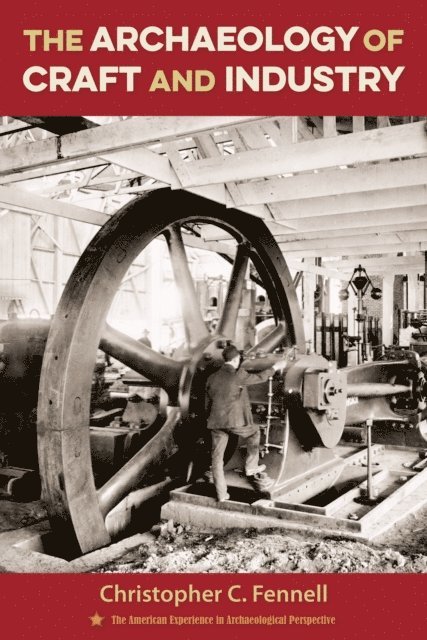
1 239 kr
Läs direkt efter köp
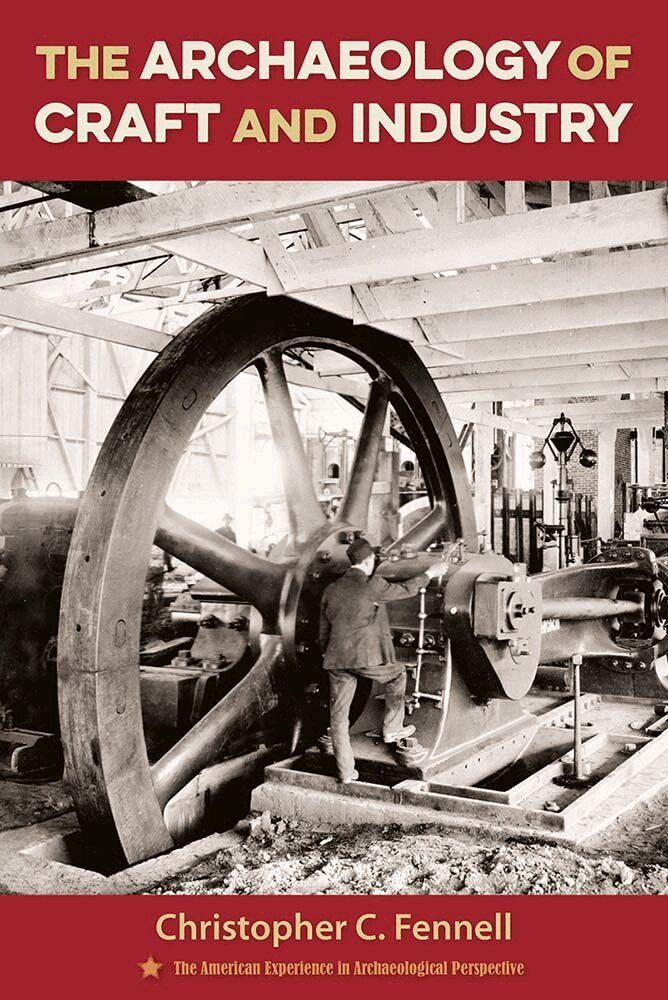
In this expansive yet concise survey, Christopher Fennell discusses archaeological research from sites across the United States that once manufactured, harvested, or processed commodities. Through studies of craft enterprise and the Industrial Revolution, this book uncovers key insights into American history from the seventeenth through the nineteenth centuries.
Exploring evidence from textile mills, glassworks, cutlery manufacturers, and tanneries, Fennell describes the complicated transition from skilled manual work to mechanized production methods, and he offers examples of how artisanal skill remained important in many factory contexts. Fennell also traces the distribution and transportation of goods along canals and railroads. He delves into sites of extraction, such as lumber mills, copper mines, and coal fields, and reviews diverse methods for smelting and shaping iron. The book features an in-depth case study of Edgefield, South Carolina, a town that pioneered the production of alkaline-glazed stoneware pottery.
Fennell outlines shifts within the field of industrial archaeology over the past century that have culminated in the recognition that these locations of remarkable energy, tumult, and creativity represent the lives and ingenuity of many people. In addition, he points to ways the field can help inform sustainable strategies for industrial enterprises in the present day.
983 kr
Skickas inom 10-15 vardagar
1 097 kr
Skickas inom 10-15 vardagar

354 kr
Läs direkt efter köp
613 kr
Skickas inom 10-15 vardagar
658 kr
Skickas inom 10-15 vardagar
3 482 kr
Skickas inom 10-15 vardagar
2 550 kr
Skickas inom 10-15 vardagar
681 kr
Läs direkt efter köp
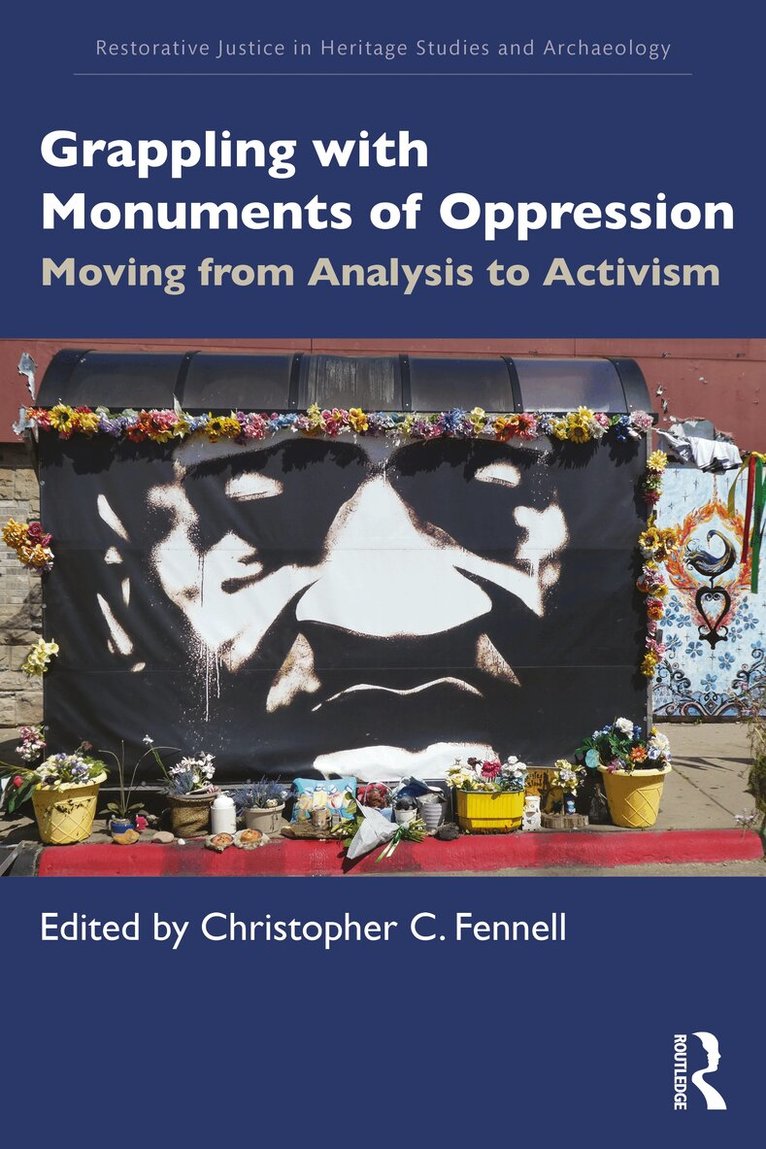
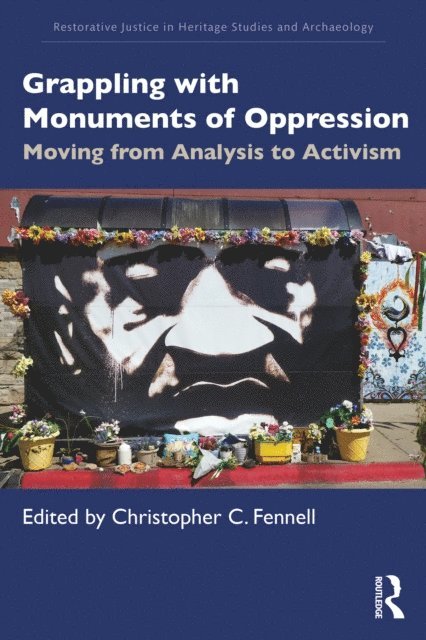
Grappling with Monuments of Oppression provides a timely analysis of the diverse approaches being used around the world to confront colonial and imperial monuments and to promote social equity.
Presenting 12 interdisciplinary, international case studies, this volume explores the ways in which the materiality of social domination can be combated. With contributions from activists, scholars, artists, and policymakers, the book envisions the theme of restorative justice in heritage and archaeology as encompassing initiatives for the reconciliation of past societal transgressions using processes that are multivocal, dialogic, historically informed, community-based, negotiated, and transformative. Arguing that monuments to historical figures who engaged in oppressive regimes provide rich opportunities for dialogue and negotiation, chapters within the book demonstrate that, by confronting these monuments, citizens can envision new ways to address the context and significance of the figures they memorialize and the many people who were targets of their oppression. Contributors to the book also provide a toolkit of methods and strategies for addressing the continuing structures of social domination.
Grappling with Monuments of Oppression will be essential reading for academics and students working in heritage studies, archaeology, anthropology, material culture studies, landscape analysis, and museum studies. It will also be of great interest to practitioners and activists around the world.
681 kr
Läs direkt efter köp
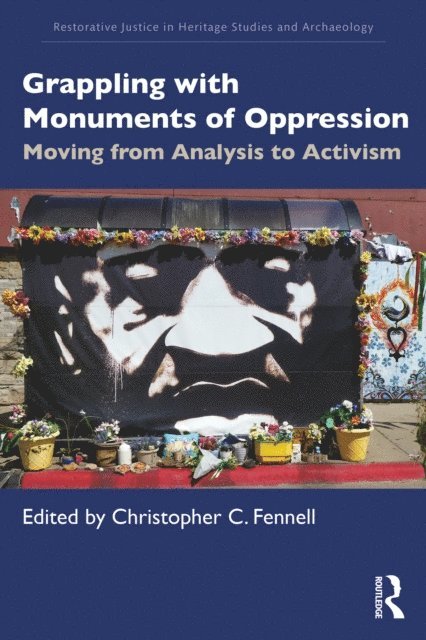
Grappling with Monuments of Oppression provides a timely analysis of the diverse approaches being used around the world to confront colonial and imperial monuments and to promote social equity.
Presenting 12 interdisciplinary, international case studies, this volume explores the ways in which the materiality of social domination can be combated. With contributions from activists, scholars, artists, and policymakers, the book envisions the theme of restorative justice in heritage and archaeology as encompassing initiatives for the reconciliation of past societal transgressions using processes that are multivocal, dialogic, historically informed, community-based, negotiated, and transformative. Arguing that monuments to historical figures who engaged in oppressive regimes provide rich opportunities for dialogue and negotiation, chapters within the book demonstrate that, by confronting these monuments, citizens can envision new ways to address the context and significance of the figures they memorialize and the many people who were targets of their oppression. Contributors to the book also provide a toolkit of methods and strategies for addressing the continuing structures of social domination.
Grappling with Monuments of Oppression will be essential reading for academics and students working in heritage studies, archaeology, anthropology, material culture studies, landscape analysis, and museum studies. It will also be of great interest to practitioners and activists around the world.
746 kr
Läs direkt efter köp
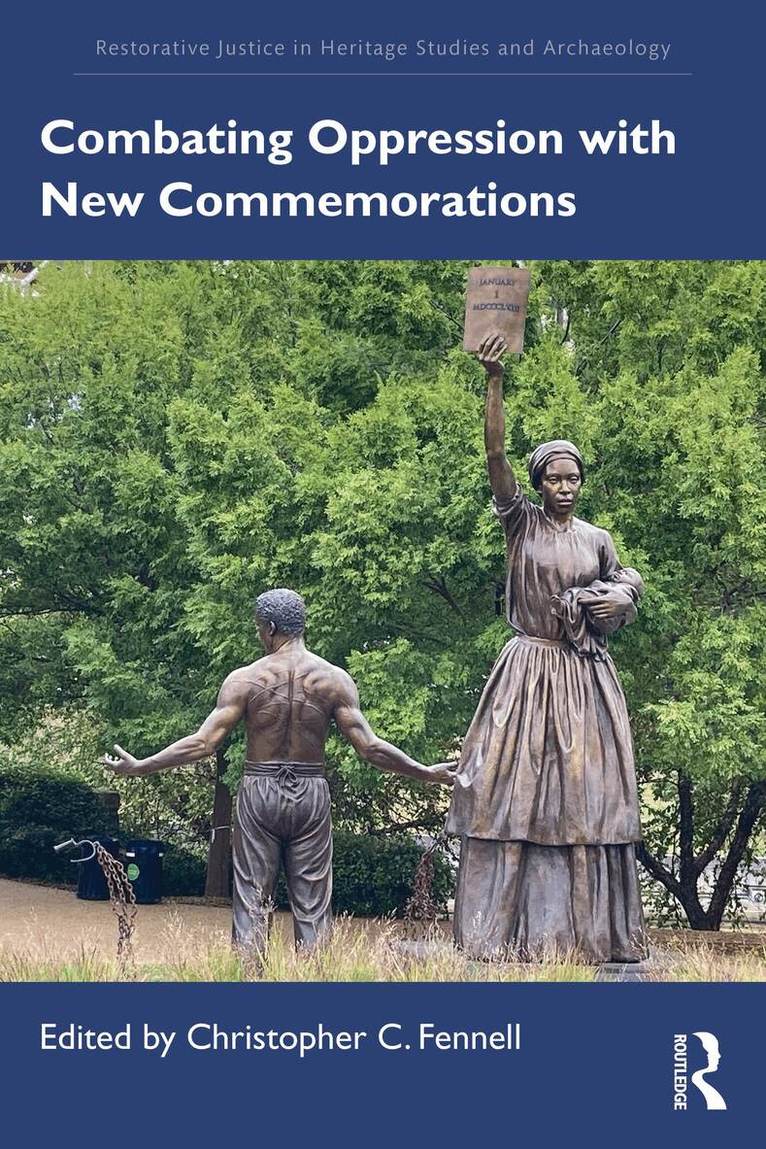
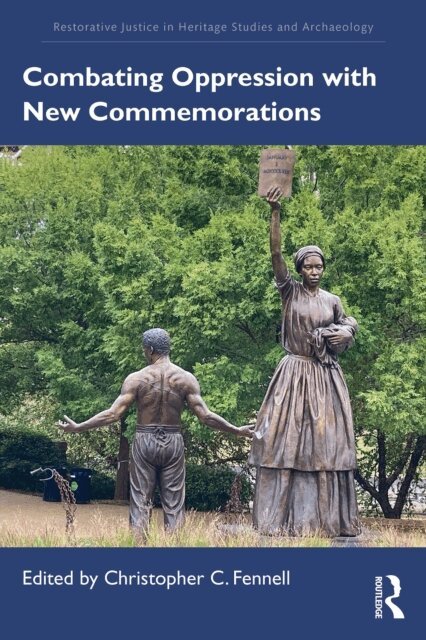
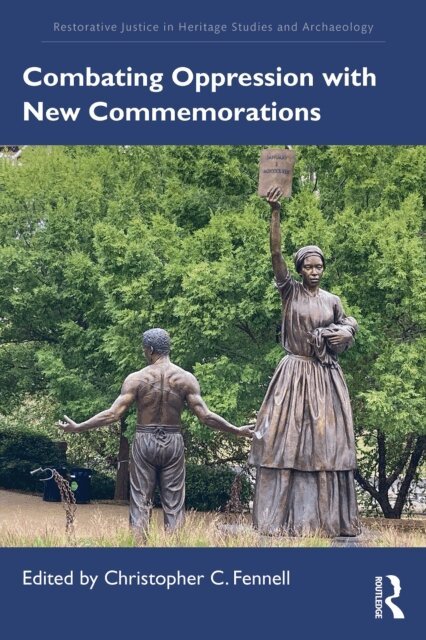
Combating Oppression with New Commemorations examines the ways in which marginalized groups can confront oppressive regimes through commemorations and advocacy of their own heritage.
Presenting case studies from across the globe, the volume provides invaluable insights into the diverse strategies and various disciplinary approaches being used to counter oppression through commemorations of the heritage of marginalized groups. Reminding the reader that such commemorations are often created by individuals who have directly confronted traumas of oppression, contributors emphasize that their survivance, successes, and vitality are tributes to human resilience and creativity. Chapters also demonstrate how such commemorations can advance recognition of the group’s diverse legacies and cultural identity and help enhance social and economic equities for that population across local, regional, and national scales. It is also made clear that they can provide resources for reconciliation negotiations with other social collectives who seek to oppress the marginalized group. These dynamics can facilitate truth-telling, accountability, recovery of unrecorded histories, revitalization, increments of healing, and efforts to avoid future repetitions of past and present social traumas.
Combating Oppression with New Commemorations will be essential reading for academics, and students working in heritage studies, archaeology, anthropology, material culture studies, landscape analysis, and museum studies. It will also be of great interest to practitioners and activists around the world.
738 kr
Läs direkt efter köp
Combating Oppression with New Commemorations examines the ways in which marginalized groups can confront oppressive regimes through commemorations and advocacy of their own heritage.
Presenting case studies from across the globe, the volume provides invaluable insights into the diverse strategies and various disciplinary approaches being used to counter oppression through commemorations of the heritage of marginalized groups. Reminding the reader that such commemorations are often created by individuals who have directly confronted traumas of oppression, contributors emphasize that their survivance, successes, and vitality are tributes to human resilience and creativity. Chapters also demonstrate how such commemorations can advance recognition of the group’s diverse legacies and cultural identity and help enhance social and economic equities for that population across local, regional, and national scales. It is also made clear that they can provide resources for reconciliation negotiations with other social collectives who seek to oppress the marginalized group. These dynamics can facilitate truth-telling, accountability, recovery of unrecorded histories, revitalization, increments of healing, and efforts to avoid future repetitions of past and present social traumas.
Combating Oppression with New Commemorations will be essential reading for academics, and students working in heritage studies, archaeology, anthropology, material culture studies, landscape analysis, and museum studies. It will also be of great interest to practitioners and activists around the world.