Christopher Chávez - Böcker
Visar alla böcker från författaren Christopher Chávez. Handla med fri frakt och snabb leverans.
4 produkter
4 produkter
296 kr
Skickas inom 7-10 vardagar
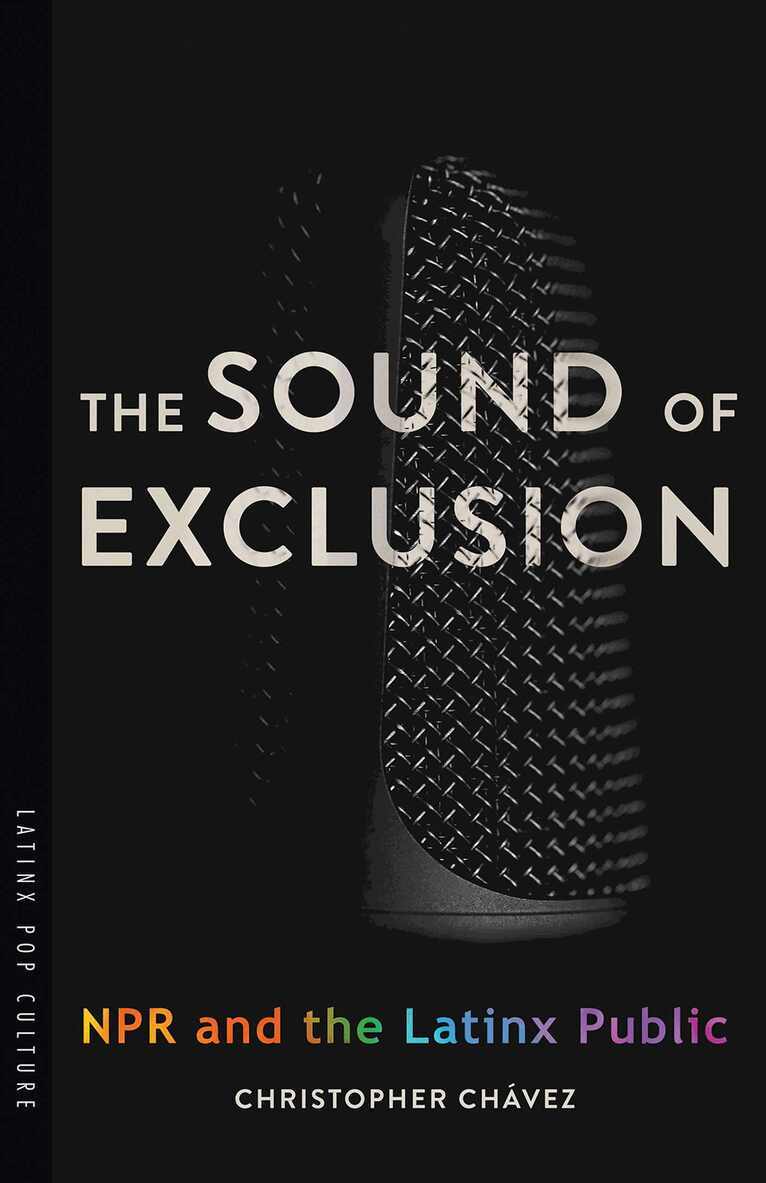
As a network that claims to represent the nation, NPR asserts unique claims about what it means to be American. In The Sound of Exclusion, Christopher Chávez critically examines how National Public Radio conceptualizes the Latinx listener, arguing that NPR employs a number of industry practices that secure its position as a white public space while relegating Latinx listeners to the periphery. These practices are tied to a larger cultural logic. Latinx identity is differentiated from national identity, which can be heard through NPR’s cultivation of an idealized dialect, situating whiteness at its center. Pushing Latinx listeners to the edges of public radio has crucial implications for Latinx participation in civic discourses, as identifying who to include in the “public” audience necessarily involves a process of exclusion.Chávez analyzes NPR as a historical product that has evolved alongside significant changes in technology, industry practice, and demography. In The Sound of Exclusion, Chávez asks these pressing questions: What kind of news organization was NPR intended to be? What has it become over time? In what ways is it evolving to meet the needs of a nation, in which U.S. Latinxs are becoming an increasingly larger portion of the American public that NPR serves? Informed by more than fifty in-depth interviews conducted with public radio practitioners from all aspects of the business, Chávez addresses how power is enacted in everyday broadcast practices. By interrogating industry practices, we might begin to reimagine NPR as a public good that serves the broad and diverse spectrum of the American public.
599 kr
Skickas inom 10-15 vardagar
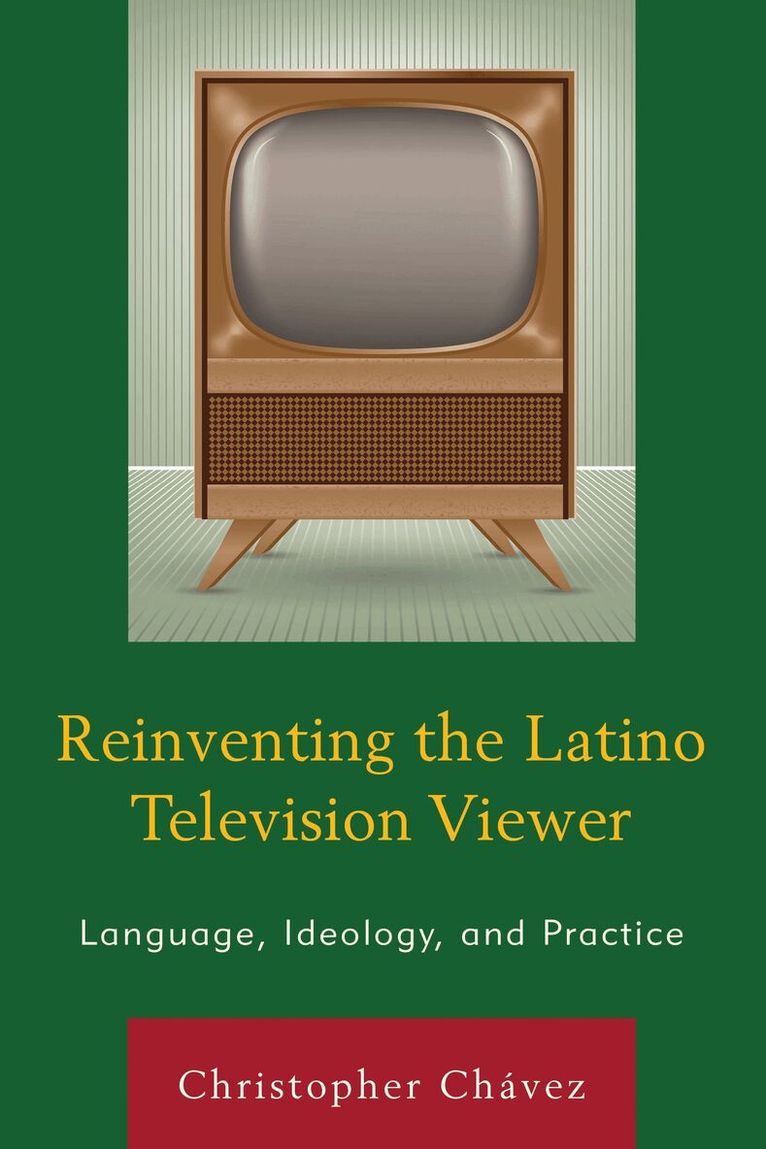
Reinventing the Latino Television Viewer: Language, Ideology, and Practice examines how the relationship between language, power, and industry practice is reshaping the very concept of Hispanic television. Chávez argues that as established mainstream networks enter the Hispanic television space, they are redefining the Latino audience in ways that more closely resemble the mainstream population, leading to auspicious forms of erasure that challenge the legitimacy of Spanish altogether. This book presents the integration of English into the Hispanic television space not as an entirely new phenomenon, but rather as an extension of two ongoing practices within the television industry—the exploitation of consumer markets and the suppression of Latino forms of speech.
Isle of Rum
Havana Club, Cultural Mediation, and the Fight for Cuban Authenticity
Häftad, Engelska, 2024
318 kr
Skickas inom 7-10 vardagar
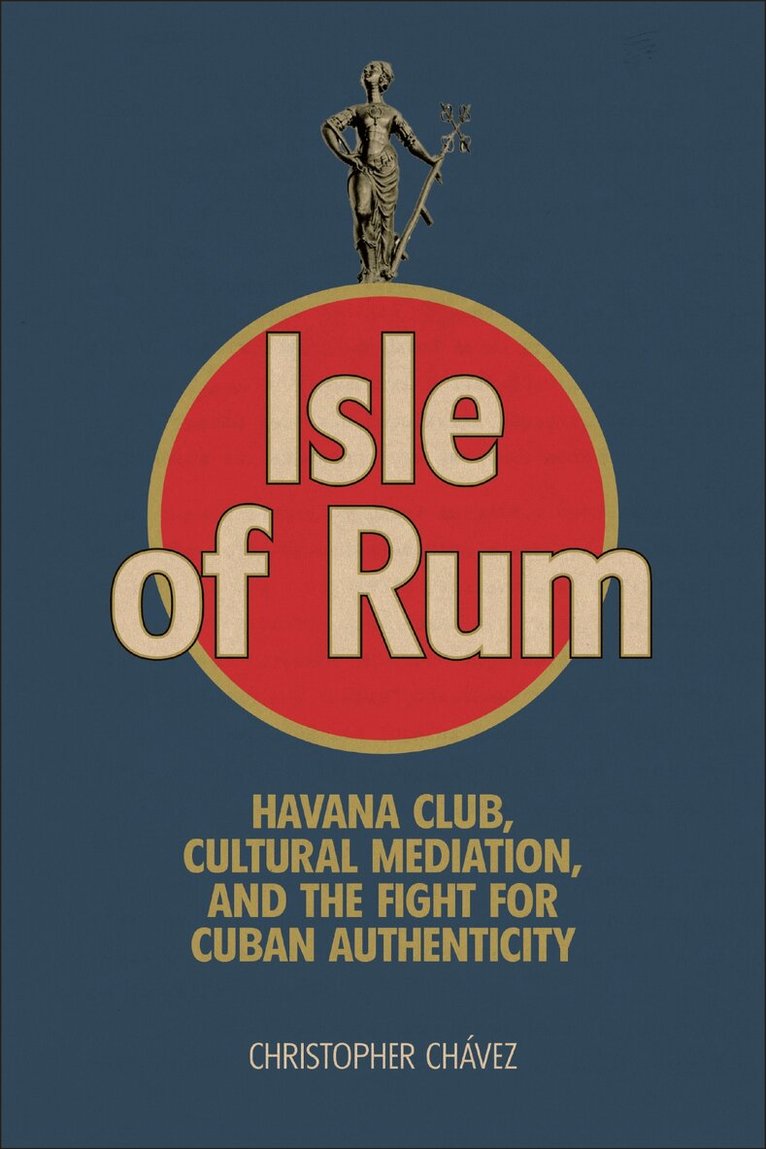
Focusing on Havana Club rum as a case study, Isle of Rum examines the ways in which Western cultural producers, working in collaboration with the Cuban state, have assumed responsibility for representing Cuba to the outside world. Christopher ChÁvez focuses specifically on the role of advertising practitioners, musicians, filmmakers, and visual artists, who stand to benefit economically by selling an image of Cuba to consumers who desperately crave authentic experiences that exist outside of the purview of the marketplace.Rather than laying claim to authentic Cuban culture, ChÁvez explores which aspects of Cuban culture are deemed most compelling and, therefore, most profitable by corporate marketers. As a joint venture between the Cuban state and Pernod Ricard, a global spirits marketer based in Paris, Havana Club embodies the larger process of economic reform, which was meant to reintegrate Cuba into global markets during Cuba’s Special Period in a Time of Peace.
Isle of Rum
Havana Club, Cultural Mediation, and the Fight for Cuban Authenticity
Inbunden, Engelska, 2024
1 305 kr
Skickas inom 7-10 vardagar
Focusing on Havana Club rum as a case study, Isle of Rum examines the ways in which Western cultural producers, working in collaboration with the Cuban state, have assumed responsibility for representing Cuba to the outside world. Christopher ChÁvez focuses specifically on the role of advertising practitioners, musicians, filmmakers, and visual artists, who stand to benefit economically by selling an image of Cuba to consumers who desperately crave authentic experiences that exist outside of the purview of the marketplace.Rather than laying claim to authentic Cuban culture, ChÁvez explores which aspects of Cuban culture are deemed most compelling and, therefore, most profitable by corporate marketers. As a joint venture between the Cuban state and Pernod Ricard, a global spirits marketer based in Paris, Havana Club embodies the larger process of economic reform, which was meant to reintegrate Cuba into global markets during Cuba’s Special Period in a Time of Peace.