Christopher Krupa - Böcker
Visar alla böcker från författaren Christopher Krupa. Handla med fri frakt och snabb leverans.
3 produkter
3 produkter
507 kr
Skickas inom 7-10 vardagar
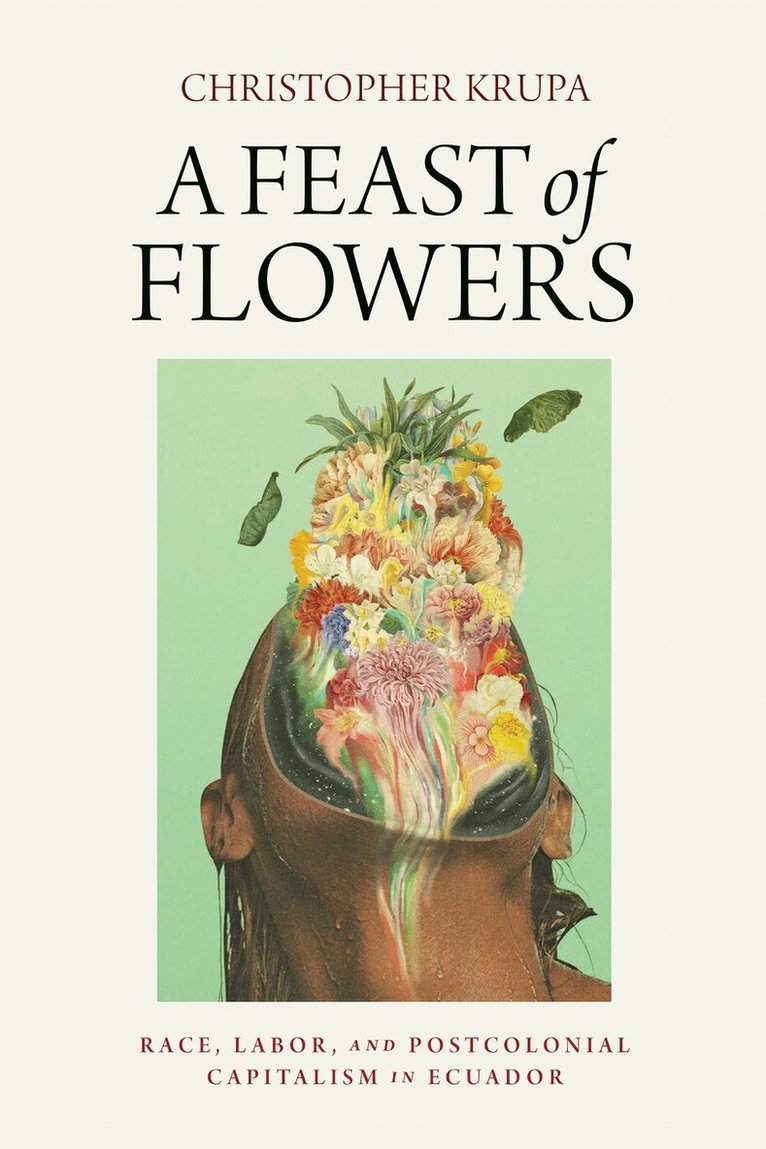
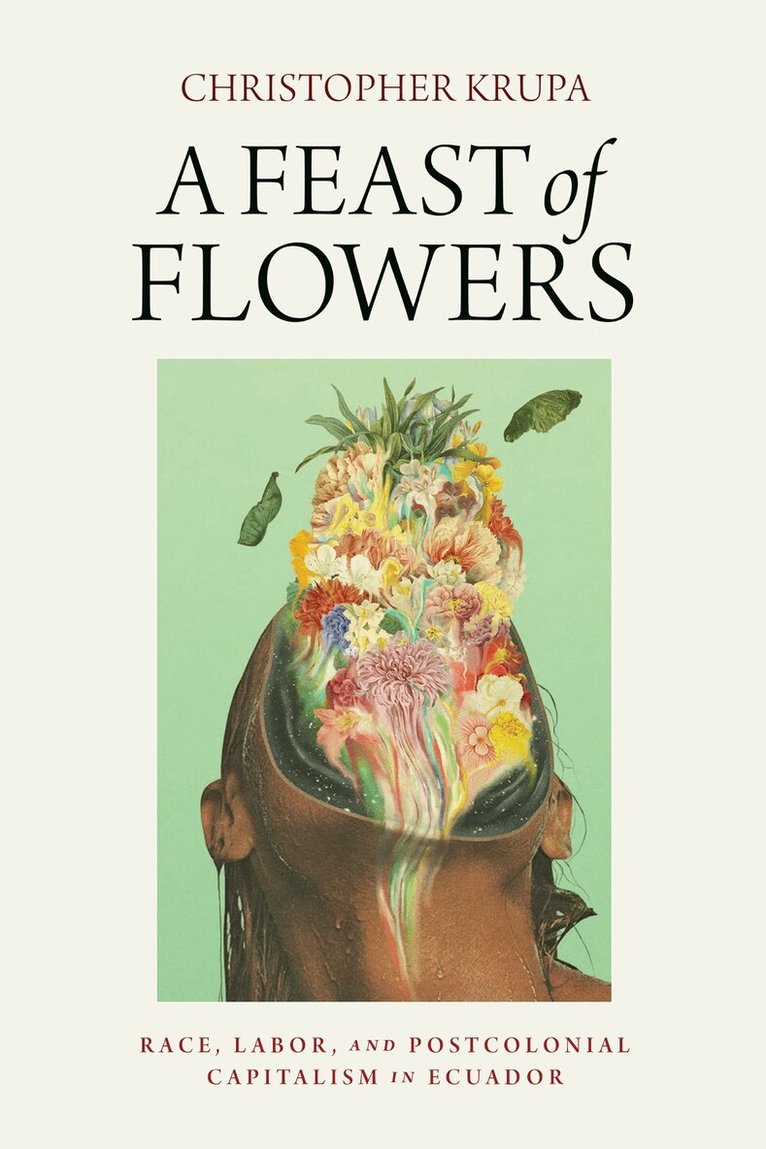
When Ecuador's cut-flower industry took off in the mid-1980s, it rode a wave of international credit peddling and currency speculation that would lead countries of the Global South into successive debt crises and northern financial firms to fortune and dominion. By the start of the twenty-first century, as the Ecuadorian economy collapsed and its ties with international finance became strained, flower exporters rebuilt their businesses around the profitability of their indigenous labor force, drawing local communities deeply into new plantation systems taking over the highlands.In A Feast of Flowers, Christopher Krupa goes inside Ecuador's booming cut-flower industry to chronicle the ways its capitalist pioneers built a booming export industry around a racial ideology, turning indigenous people's purported differences into resources for industrial expansion. At the core of this racial system is a belief, central to postcolonial science and politics in Ecuador, in capitalism's unique capacity to change people's racial identity and to liberate oppressed populations from racial subordination. Krupa shows how such views not only guide how indigenous people are today incorporated into demanding labor systems in Ecuador's new export plantations, but also how indigenous minds and bodies became sites of study and intervention by scientists, politicians, and economic planners throughout the last century, all looking to change indigenous people in some way.Combining nearly two decades of ethnographic and historical research, A Feast of Flowers shows how aggressive capitalist expansion in postcolonial contexts may revive longstanding intersections between race and economy to facilitate new modes of dispossession under the guise of humanitarian intervention.
954 kr
Skickas inom 7-10 vardagar
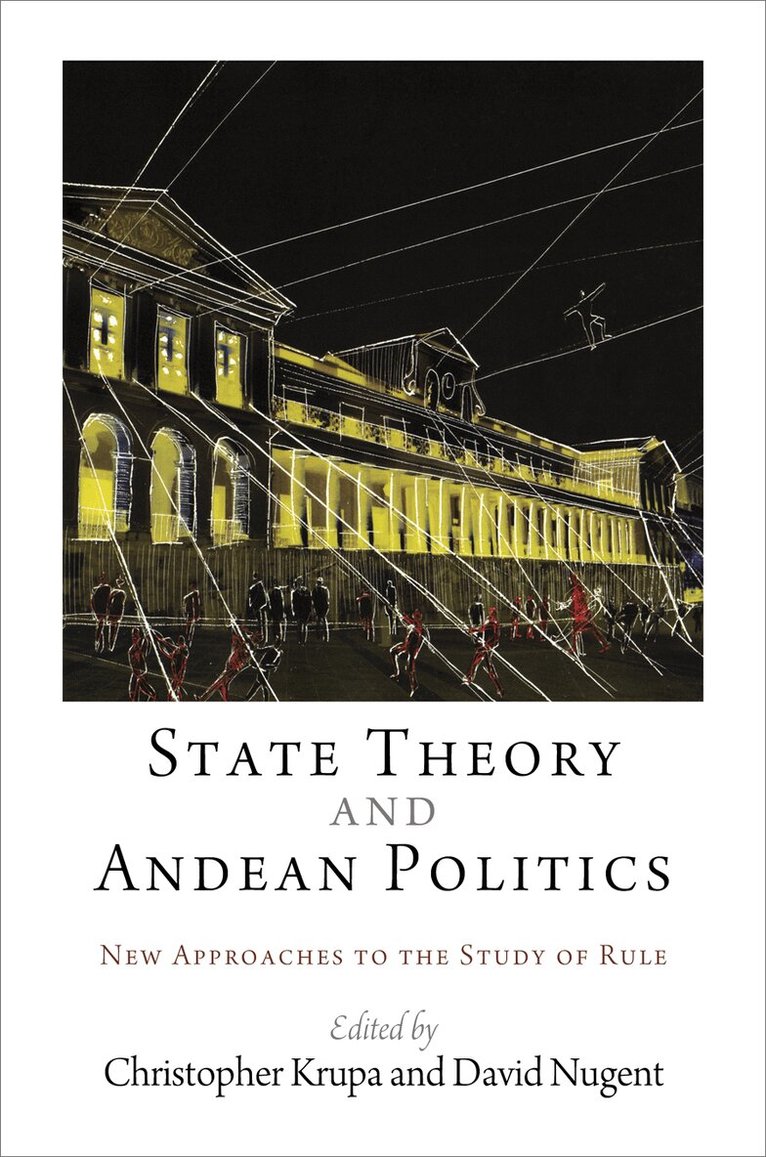
In the last few decades, Andean states have seen major restructuring of the organization, leadership, and reach of their governments. With these political tremors come major aftershocks, regarding both definitions and expectations: What is a state? Who or what makes it up, and where does it reside? In what capacity can the state be expected to right wrongs, raise people up, protect them from harm, maintain order, or provide public services? What are its powers and responsibilities?State Theory and Andean Politics attempts to answer these questions and more through an examination of the ongoing process of state creation in Andean nations. Focusing on the everyday, extraofficial, and frequently invisible or partially concealed permutations of rule in the lives of Andean people, the essays explore the material and cultural processes by which states come to appear as real and tangible parts of everyday life. In particular, they focus on the critical role of emotion, imagination, and fantasy in generating belief in the state, among the governed and the governing alike. This approach pushes beyond the limits of the state as conventionally understood to consider how "nonstate" acts of governance intersect with official institutions of government, while never being entirely determined by them or bound to their authorizing agendas. State Theory and Andean Politics asserts that the state is not simply an institutional-bureaucratic apparatus but one of many forces vying for a claim to legitimate political dominion.Featuring an impressive array of Andeanist scholars as well as eminent state theorists Akhil Gupta and Gyanendra Pandey, State Theory and Andean Politics makes a bold and novel claim about the nature of states and state-making that deepens understanding not only of the Andes and the Global South but of the world at large.Contributors: Kim Clark, Nicole Fabricant, Lesley Gill, Akhil Gupta, Christopher Krupa, David Nugent, Gyanendra Pandey, Mercedes Prieto, Maria Clemencia RamÍrez, Irene Silverblatt, Karen Spalding, Winifred Tate.
1 074 kr
Skickas inom 10-15 vardagar
When Ecuador's cut-flower industry took off in the mid-1980s, it rode a wave of international credit peddling and currency speculation that would lead countries of the Global South into successive debt crises and northern financial firms to fortune and dominion. By the start of the twenty-first century, as the Ecuadorian economy collapsed and its ties with international finance became strained, flower exporters rebuilt their businesses around the profitability of their indigenous labor force, drawing local communities deeply into new plantation systems taking over the highlands.In A Feast of Flowers, Christopher Krupa goes inside Ecuador's booming cut-flower industry to chronicle the ways its capitalist pioneers built a booming export industry around a racial ideology, turning indigenous people's purported differences into resources for industrial expansion. At the core of this racial system is a belief, central to postcolonial science and politics in Ecuador, in capitalism's unique capacity to change people's racial identity and to liberate oppressed populations from racial subordination. Krupa shows how such views not only guide how indigenous people are today incorporated into demanding labor systems in Ecuador's new export plantations, but also how indigenous minds and bodies became sites of study and intervention by scientists, politicians, and economic planners throughout the last century, all looking to change indigenous people in some way.Combining nearly two decades of ethnographic and historical research, A Feast of Flowers shows how aggressive capitalist expansion in postcolonial contexts may revive longstanding intersections between race and economy to facilitate new modes of dispossession under the guise of humanitarian intervention.