Christopher Pittard – författare
Visar alla böcker från författaren Christopher Pittard. Handla med fri frakt och snabb leverans.
13 produkter
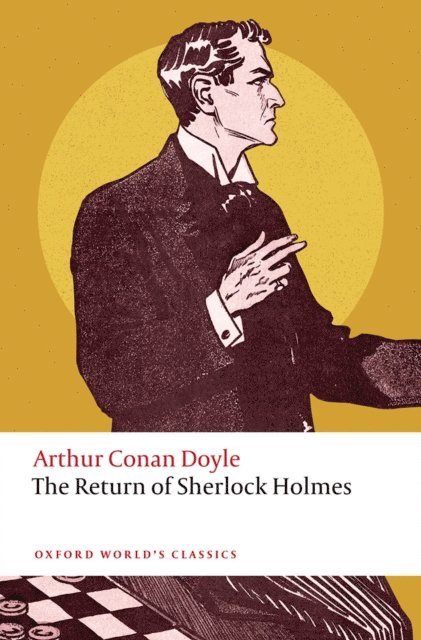
Return of Sherlock Holmes
Av Arthur Conan Doyle, Christopher Pittard
E-bok, 2023
106 kr
Lägg i varukorg
Arthur Conan Doyle famously killed off Sherlock Holmes in 1893, in the short story ''The Final Problem'', but was tempted to bring him back to life ten years later, in the thirteen tales that comprise The Return of Sherlock Holmes . While the outcry that supposedly followed Holmes'' death was …
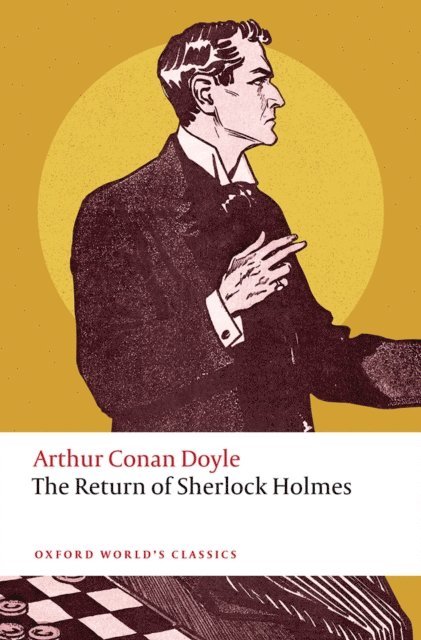
Return of Sherlock Holmes
Av Arthur Conan Doyle, Christopher Pittard
E-bok, 2023
106 kr
Lägg i varukorg
Arthur Conan Doyle famously killed off Sherlock Holmes in 1893, in the short story ''The Final Problem'', but was tempted to bring him back to life ten years later, in the thirteen tales that comprise The Return of Sherlock Holmes . While the outcry that supposedly followed Holmes'' death was …
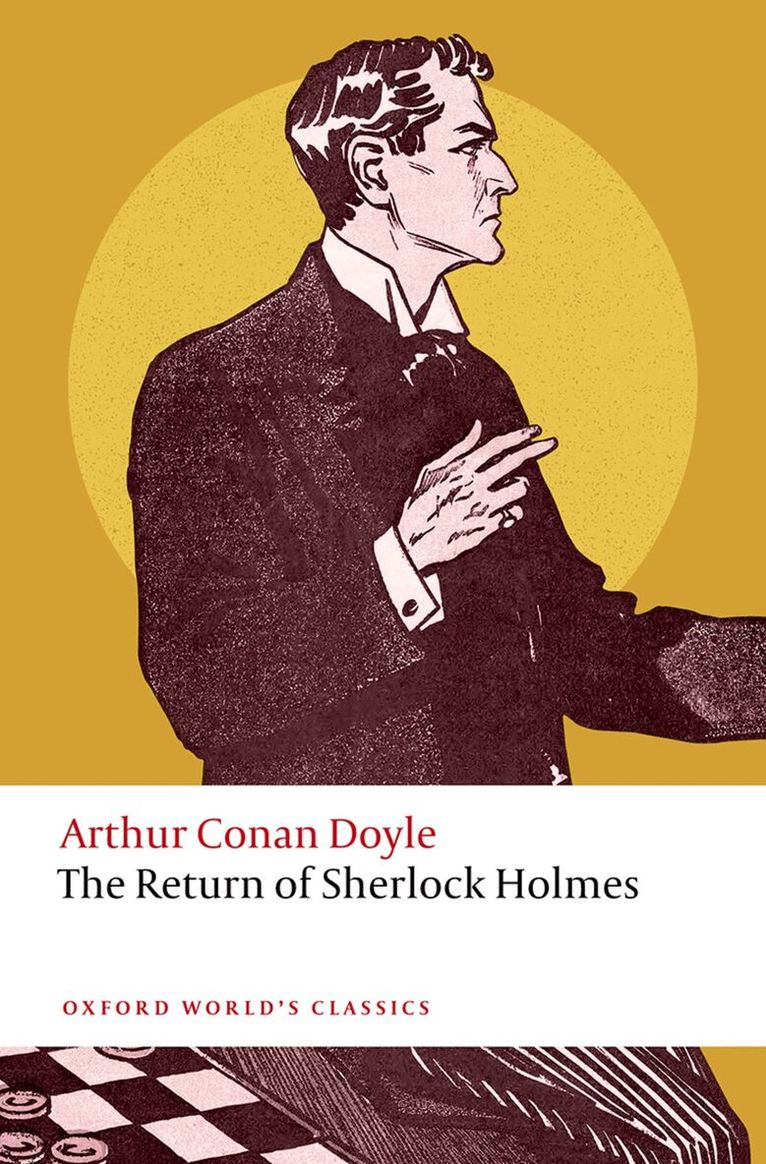
The Return of Sherlock Holmes
Av Arthur Conan Doyle, Christopher Pittard
Häftad, 2023
118 kr
Lägg i varukorg
Arthur Conan Doyle famously killed off Sherlock Holmes in 1893, in the short story 'The Final Problem', but was tempted to bring him back to life ten years later, in the thirteen tales that comprise The Return of Sherlock Holmes. While the outcry that supposedly followed Holmes' death was mostly …
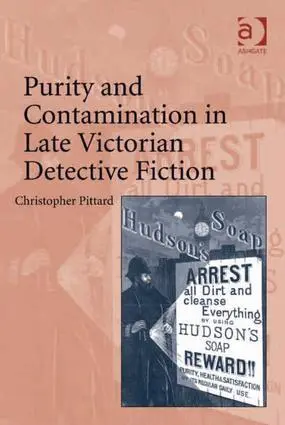
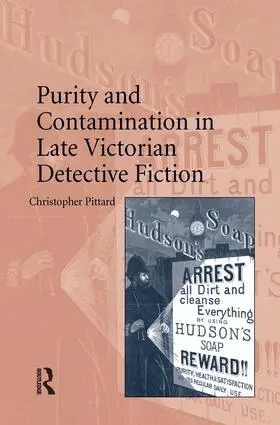
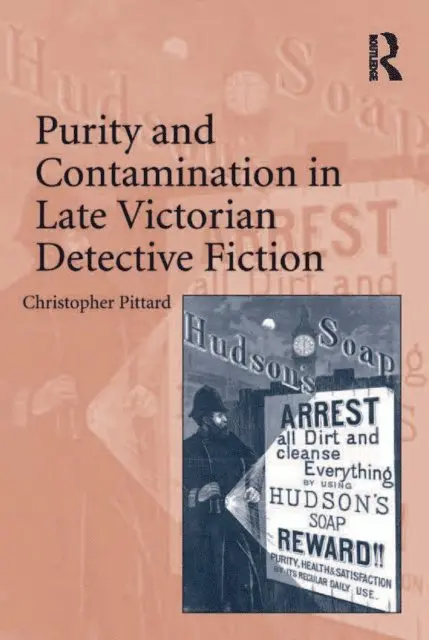
Purity and Contamination in Late Victorian Detective Fiction
Inbunden, 2011
2886 kr
Lägg i varukorg
Concentrating on works by authors such as Fergus Hume, Arthur Conan Doyle, Grant Allen, L.T. Meade, and Marie Belloc Lowndes, Christopher Pittard explores the complex relation between the emergence of detective fictions in the 1880s and 1890s and the concept of purity. The centrality of material …
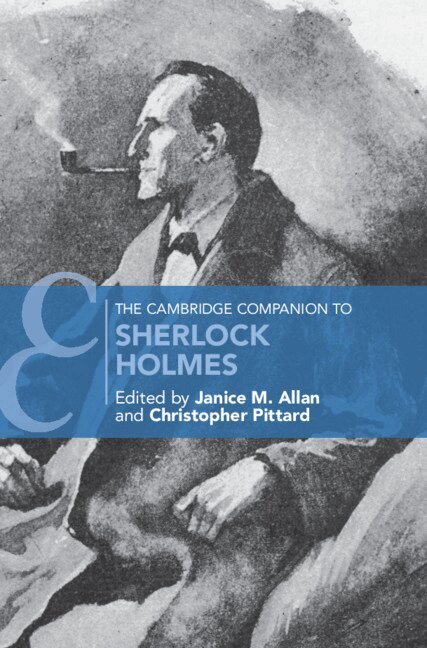
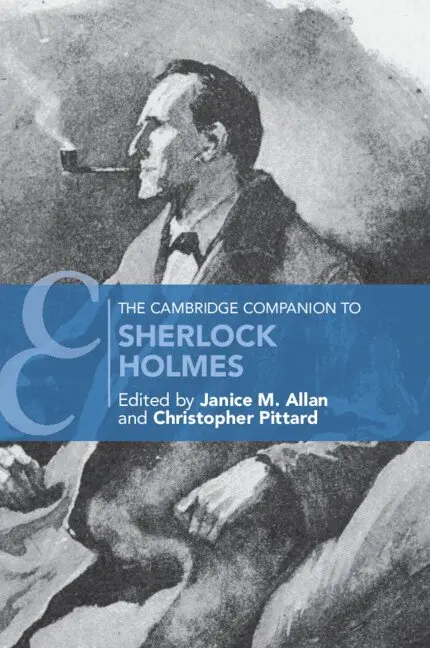
The Cambridge Companion to Sherlock Holmes
Av Janice M. Allan, Christopher Pittard
Inbunden, 2019
1554 kr
Lägg i varukorg
Sherlock Holmes is the most famous fictional detective in history, with a popularity that has never waned since catching the imagination of his late-Victorian readership. This Companion explores Holmes' popularity and his complex relationship to the late-Victorian and modernist periods; on one hand …
Cambridge Companion to Sherlock Holmes
Av Christopher Pittard, Janice M. Allan
E-bok, 2019
469 kr
Lägg i varukorg
Sherlock Holmes is the most famous fictional detective in history, with a popularity that has never waned since catching the imagination of his late-Victorian readership. This Companion explores Holmes'' popularity and his complex relationship to the late-Victorian and modernist periods; on one …
Cambridge Companion to Sherlock Holmes
Av Christopher Pittard, Janice M. Allan
E-bok, 2019
459 kr
Lägg i varukorg
Sherlock Holmes is the most famous fictional detective in history, with a popularity that has never waned since catching the imagination of his late-Victorian readership. This Companion explores Holmes'' popularity and his complex relationship to the late-Victorian and modernist periods; on one …
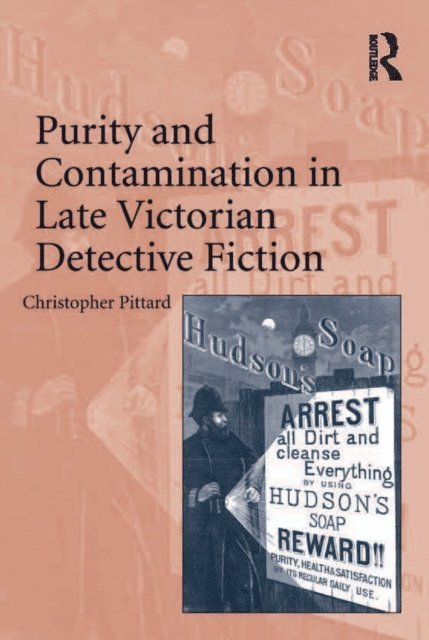
Purity and Contamination in Late Victorian Detective Fiction
Häftad, 2016
1029 kr
Lägg i varukorg
Concentrating on works by authors such as Fergus Hume, Arthur Conan Doyle, Grant Allen, L.T. Meade, and Marie Belloc Lowndes, Christopher Pittard explores the complex relation between the emergence of detective fictions in the 1880s and 1890s and the concept of purity. The centrality of material …
The Cambridge Companion to Sherlock Holmes
Av Janice M. Allan, Christopher Pittard
Häftad, 2019
5,0 utav 5 stjärnor. Totalt antal röster: (1)
486 kr
Lägg i varukorg
Sherlock Holmes is the most famous fictional detective in history, with a popularity that has never waned since catching the imagination of his late-Victorian readership. This Companion explores Holmes' popularity and his complex relationship to the late-Victorian and modernist periods; on one hand …
Purity and Contamination in Late Victorian Detective Fiction
E-bok, 2016
1179 kr
Lägg i varukorg
Concentrating on works by authors such as Fergus Hume, Arthur Conan Doyle, Grant Allen, L.T. Meade, and Marie Belloc Lowndes, Christopher Pittard explores the complex relation between the emergence of detective fictions in the 1880s and 1890s and the concept of purity. The centrality of material …
Purity and Contamination in Late Victorian Detective Fiction
E-bok, 2016
1215 kr
Lägg i varukorg
Concentrating on works by authors such as Fergus Hume, Arthur Conan Doyle, Grant Allen, L.T. Meade, and Marie Belloc Lowndes, Christopher Pittard explores the complex relation between the emergence of detective fictions in the 1880s and 1890s and the concept of purity. The centrality of material …
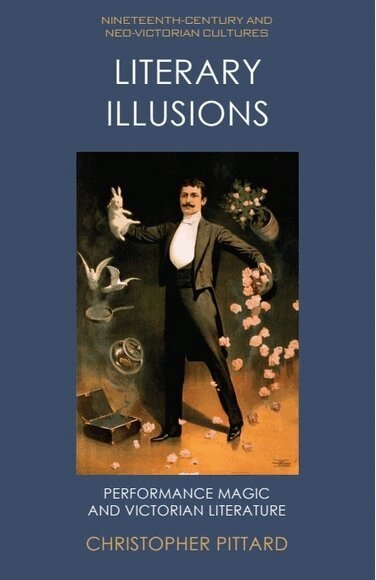
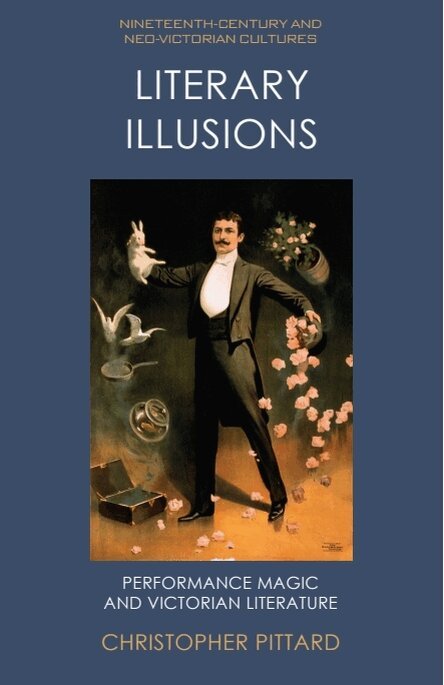
Literary Illusions
Performance Magic and Victorian Literature
Inbunden, 2025
2270 kr
Lägg i varukorg
Literary Illusions explores the dialogue between Victorian literature and one of the nineteenth century's most popular modes of performance: conjuring. It explores the ways in which Victorian literature frequently deployed the figure of the magician to explore performance magic as a metaphor for …
Literary Illusions
Performance Magic and Victorian Literature
Häftad, 2026
510 kr
Lägg i varukorg
Literary Illusions explores the dialogue between Victorian literature and one of the nineteenth century’s most popular modes of performance: conjuring. It explores the ways in which Victorian literature frequently deployed the figure of the magician to explore performance magic as a metaphor for …