Christopher R. Boyer - Böcker
Visar alla böcker från författaren Christopher R. Boyer. Handla med fri frakt och snabb leverans.
5 produkter
5 produkter
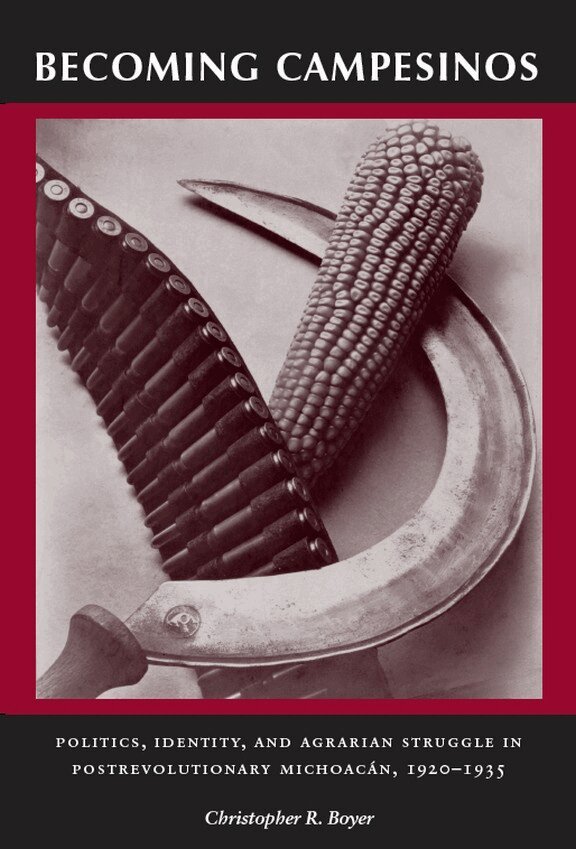
Becoming Campesinos
Politics, Identity, and Agrarian Struggle in Postrevolutionary Michoacan, 1920-1935
Inbunden, Engelska, 2003
1 509 kr
Skickas inom 7-10 vardagar
Becoming Campesinos argues that the formation of the campesino as both a political category and a cultural identity in Mexico was one of the most enduring legacies of the great revolutionary upheavals that began in 1910. Challenging the assumption that rural peoples "naturally" share a sense of cultural solidarity and political consciousness because of their subordinate social status, the author maintains that the particular understanding of popular-class unity conveyed by the term campesino originated in the interaction of post-revolutionary ideologies and agrarian militancy during the 1920s and 1930s. The book uses oral histories, archival documents, and partisan newspapers to trace the history of one movement born of this dynamic—agrarismo in the state of Michoacán. The author argues that the interaction of grassroots militancy and political mobilization from the top meant that the rural populace entered the political sphere, not as indigenous people or rural proletarians, but as a class-like social category of campesinos.
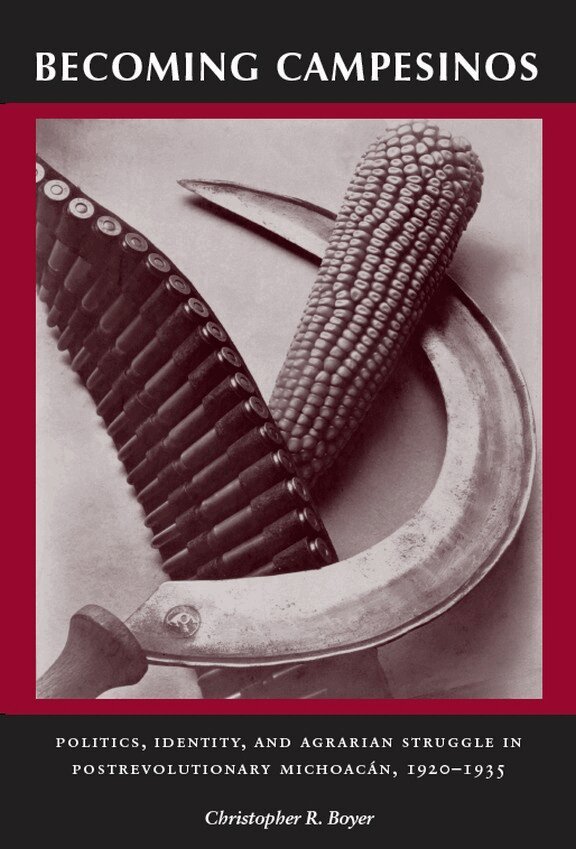
Becoming Campesinos
Politics, Identity, and Agrarian Struggle in Postrevolutionary Michoacan, 1920-1935
Häftad, Engelska, 2003
373 kr
Skickas inom 7-10 vardagar
Becoming Campesinos argues that the formation of the campesino as both a political category and a cultural identity in Mexico was one of the most enduring legacies of the great revolutionary upheavals that began in 1910. Challenging the assumption that rural peoples "naturally" share a sense of cultural solidarity and political consciousness because of their subordinate social status, the author maintains that the particular understanding of popular-class unity conveyed by the term campesino originated in the interaction of post-revolutionary ideologies and agrarian militancy during the 1920s and 1930s. The book uses oral histories, archival documents, and partisan newspapers to trace the history of one movement born of this dynamic—agrarismo in the state of Michoacán. The author argues that the interaction of grassroots militancy and political mobilization from the top meant that the rural populace entered the political sphere, not as indigenous people or rural proletarians, but as a class-like social category of campesinos.
309 kr
Skickas inom 11-20 vardagar
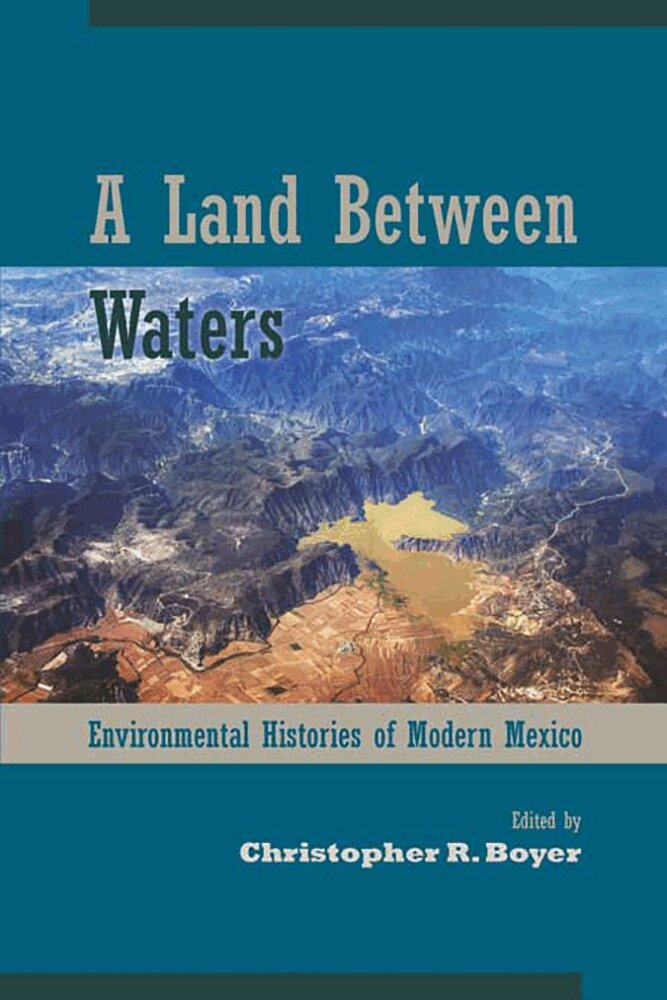
Mexico is one of the most ecologically diverse nations on the planet, with landscapes that range from rainforests to deserts and from small villages to the continent's largest metropolis. Yet historians are only beginning to understand how people's use of the land, extraction of its resources, and attempts to conserve it have shaped both the landscape and its inhabitants.A Land Between Waters explores the relationship between the people and the environment in Mexico. It heralds the arrival of environmental history as a major area of study within the field of Mexican history. This volume brings together a dozen original works of environmental history by some of the foremost experts in Mexican environmental history from both the United States and Mexico.The contributions collected in this seminal volume explore a wide array of topics, from the era of independence to the present day. Together they examine how humans have used, abused, and attended to nature in Mexico over more than two hundred years. Written in clear, accessible prose, A Land Between Waters showcases the breadth of Mexican environmental history in a way that defines the key topics in the field and suggests avenues for subsequent work. Most importantly, it assesses the impacts of environmental changes that Mexico has faced in the past with an eye to informing national debates about the challenges that the nation will face in the future.
1 674 kr
Skickas inom 7-10 vardagar
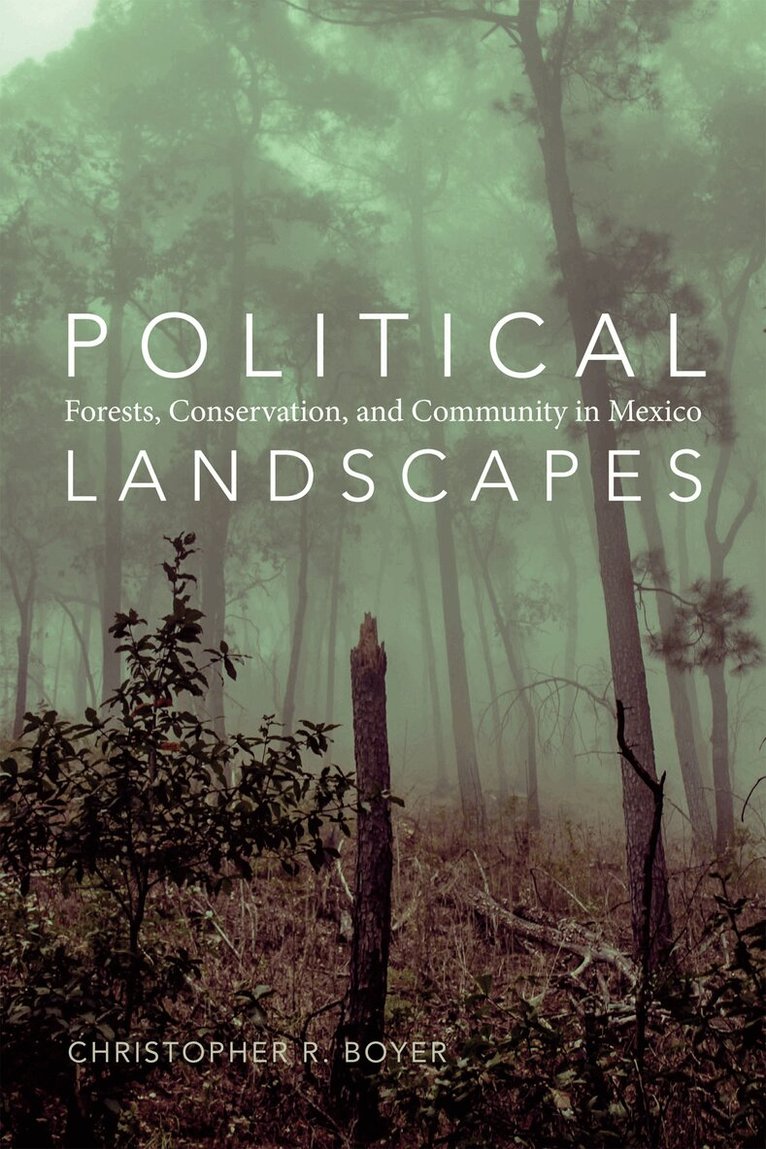
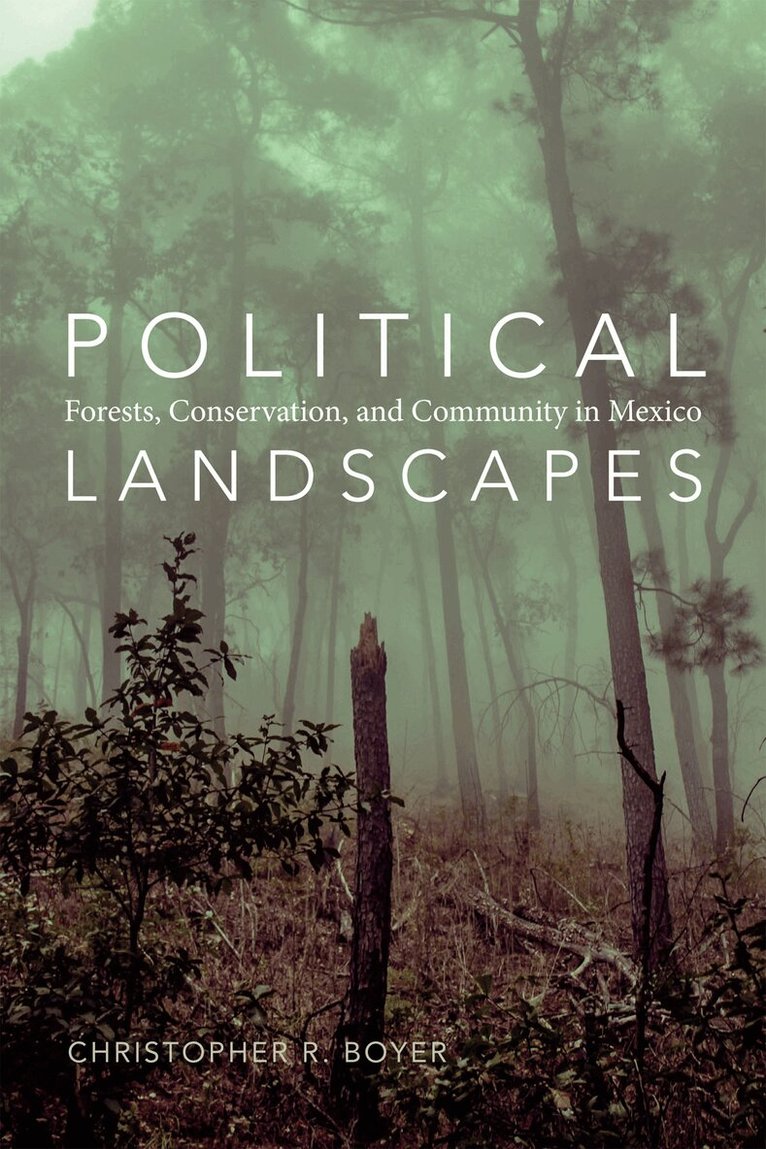
Following the 1917 Mexican Revolution inhabitants of the states of Chihuahua and MichoacÁn received vast tracts of prime timberland as part of Mexico's land redistribution program. Although locals gained possession of the forests, the federal government retained management rights, which created conflict over subsequent decades among rural, often indigenous villages; government; and private timber companies about how best to manage the forests. Christopher R. Boyer examines this history in Political Landscapes, where he argues that the forests in Chihuahua and MichoacÁn became what he calls "political landscapes"-that is, geographies that become politicized by the interactions between opposing actors-through the effects of backroom deals, nepotism, and political negotiations. Understanding the historical dynamic of community forestry in Mexico is particularly critical for those interested in promoting community involvement in the use and conservation of forestlands around the world. Considering how rural and indigenous people have confronted, accepted, and modified the rationalizing projects of forest management foisted on them by a developmentalist state is crucial before community management is implemented elsewhere.
415 kr
Skickas inom 7-10 vardagar
Following the 1917 Mexican Revolution inhabitants of the states of Chihuahua and MichoacÁn received vast tracts of prime timberland as part of Mexico's land redistribution program. Although locals gained possession of the forests, the federal government retained management rights, which created conflict over subsequent decades among rural, often indigenous villages; government; and private timber companies about how best to manage the forests. Christopher R. Boyer examines this history in Political Landscapes, where he argues that the forests in Chihuahua and MichoacÁn became what he calls "political landscapes"-that is, geographies that become politicized by the interactions between opposing actors-through the effects of backroom deals, nepotism, and political negotiations. Understanding the historical dynamic of community forestry in Mexico is particularly critical for those interested in promoting community involvement in the use and conservation of forestlands around the world. Considering how rural and indigenous people have confronted, accepted, and modified the rationalizing projects of forest management foisted on them by a developmentalist state is crucial before community management is implemented elsewhere.