Christopher Sharrett - Böcker
Visar alla böcker från författaren Christopher Sharrett. Handla med fri frakt och snabb leverans.
4 produkter
4 produkter
932 kr
Skickas
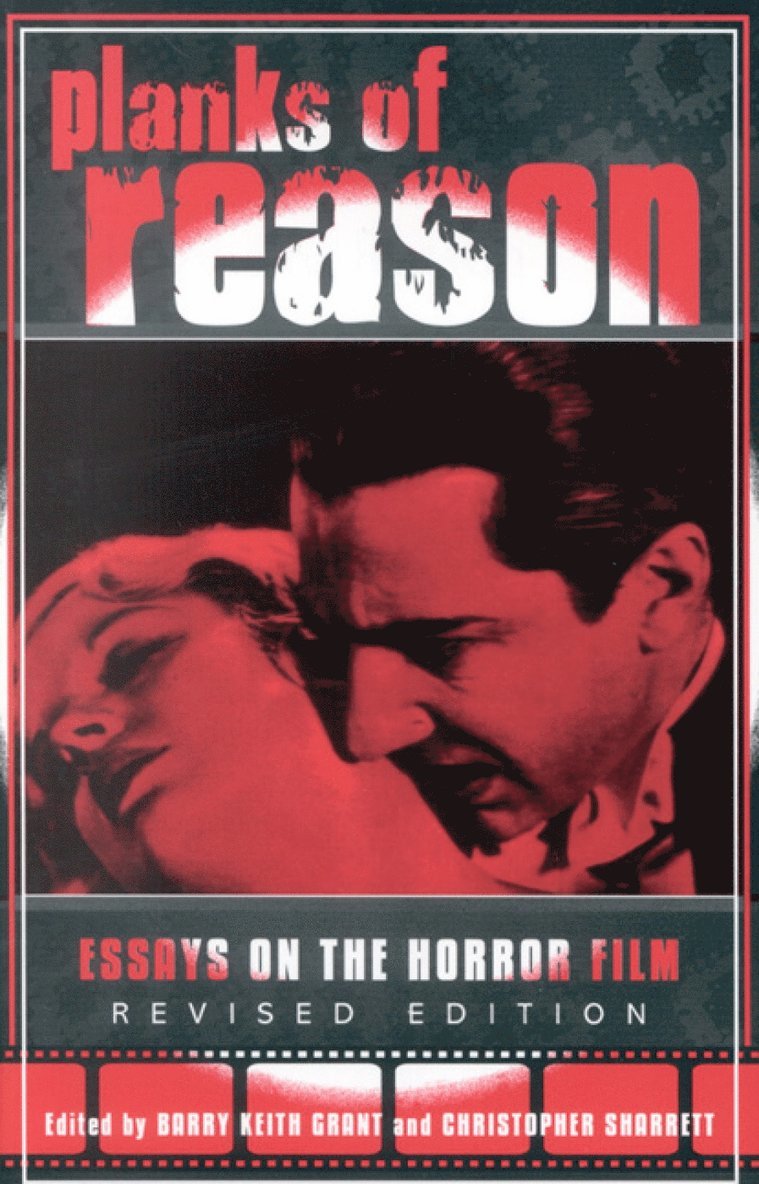
The original edition of Planks of Reason was the first academic critical anthology on horror. In retrospect, it appeared as a kind of homage to the "golden age" of the American horror film, as this genre played an increasing role in film culture and American life. The original material represented the history of the genre through the early 1980s and is a crucial part of the book's value, then and now. The first edition helped legitimize academic writing on the horror genre by addressing breakthrough works of such directors as John Carpenter, Tobe Hooper, George Romero, David Cronenberg, and Wes Craven. This revised edition retains the spirit of the original, but also offers new takes on rediscovered classics and recent developments in the genre. In addition to reprinting 17 essays, including Robin Wood's "An Introduction to the American Horror Film," this revised edition features a new essay on the yuppie horror film by editor Barry Keith Grant, as well as an updated analysis of The Texas Chainsaw Massacre by co-editor Christopher Sharrett. Other new essays focus on William Castle's The Tingler and Roger Corman's Pit and the Pendulum, and the recent wave of Japanese horror films.Contains more than 60 photos.
340 kr
Skickas inom 10-15 vardagar
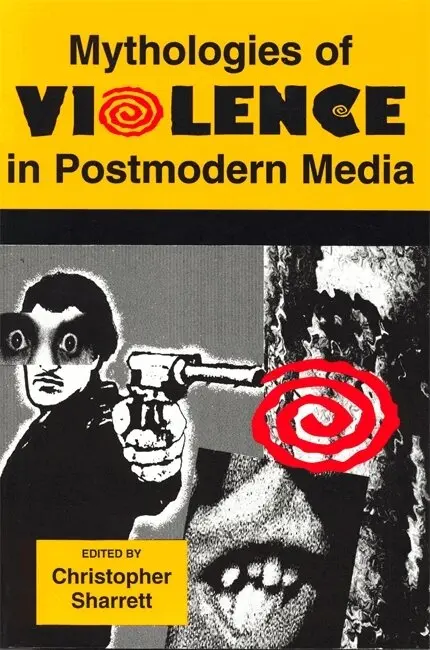
Violence has been a topic of continued concern within American culture and society. Although there have been numerous sociological and historical studies of violence and its origins, there is relatively little systematic analysis of violence within media representation, even as this issue becomes preeminent within public discourse. This anthology examines a number of issues related to violence within the media landscape, using various methodologies to suggest the implications of the increasing obsession with violence for postmodern civilization.
276 kr
Skickas inom 10-15 vardagar
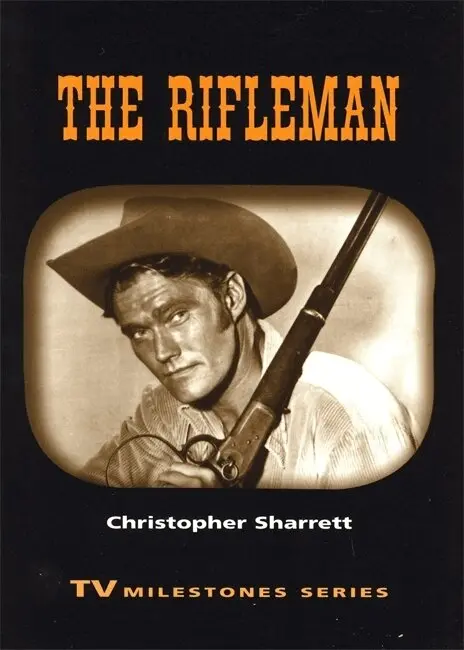
The Rifleman is perhaps the most significant and intelligent of the TV westerns from the late 1950s - an era when the western was the dominant television genre. With its story of a single father raising a son in 1880s New Mexico, ""The Rifleman"" offered many alternatives to the conventions of the western. It also embodied many of the genre's contradictions, setting its ideas about domesticity and level-headedness alongside the gun violence adopted by westerns as central to the settling of the West and the creation of America. With its initial episodes written and directed by celebrated auteur Sam Peckinpah, and the overall series produced by veteran Dick Powell and the pioneering television production team of Jules Levy, Arthur Gardner, and Arnold Laven, ""The Rifleman"" is distinguished by its stewardship of some of the most talented minds of early television. In his succinct study of this television milestone, Christopher Sharrett uses television studies, psychoanalytic criticism, gender studies, and American studies to place ""The Rifleman"" within the TV western genre and early television culture. While discussing the intelligence and lasting value of this series, Sharrett also challenges the reader to consider the broader role of 1950s television in shaping the consciousness of the postwar generation. ""The Rifleman"" remains one of the great examples of the stalemates within American mass culture: the struggle between reason and violence.
276 kr
Skickas inom 10-15 vardagar
Breaking Bad (2008-2013), a remarkable synthesis of the crime film, the sitcom, the western, and the family melodrama, is a foundational example of new television in the early twenty-first century. Receiving multiple Emmy Awards, it launched the careers of its creators and stars, most notably Bryan Cranston as high school teacher turned drug manufacturer Walter White, whose attempt to grab the American dream results in the destruction of family, home, community, and himself. In this book, Christopher Sharrett examines the innovations of Breaking Bad through a study of its main character, using psychoanalysis, genre study, gender studies, American studies, and the graphic arts to assist an exploration of the supreme danger of modern, postindustrial toxic masculinity embodied in Walter White. Serving as a fresh start for the American Movie Classics (AMC) cable outlet, Breaking Bad is probably the most uncompromised rendering of the white American male's rage in early twenty-first-century fiction. Set against a deindustrialized American landscape, its conflicted morality can seem less ambiguous than repugnant when we note the use of humor throughout, particularly as characters are introduced and killed off. Walter's relationships with his son, who has cerebral palsy, his former student turned business partner, his long-suffering wife, and his DEA brother-in-law are layered on top of the show's reflection of the very real challenges facing America today, which are not limited to the opioid epidemic, lax gun laws, and racial violence. Some critics have accused Breaking Bad of inciting a disturbance rather than criticizing, as it relies heavily on the audience's humor. Sharrett's argument for why the show is the canniest dramatic insight of our times is worth the price of admission for scholars and students of media studies and superfans alike.