Christopher Wilkinson - Böcker
Visar alla böcker från författaren Christopher Wilkinson. Handla med fri frakt och snabb leverans.
5 produkter
5 produkter
Del 3 - Music of the African Diaspora
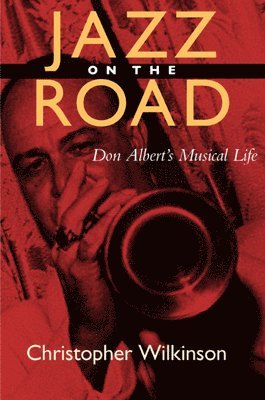
Jazz on the Road
Don Albert's Musical LIfe
Häftad, Engelska, 2001
535 kr
Skickas inom 3-6 vardagar
Christopher Wilkinson uncovers a fascinating and unexplored side of American musical and social history in this richly detailed account of Don Albert's musical career and the multicultural forces that influenced it. Albert was born Albert Dominque in New Orleans in 1908. Wilkinson discusses his musical education in the Creole community of New Orleans and the fusion of New Orleans jazz and the Texas blues styles in the later 1920s during his tenure with Troy Floyd's Orchestra of Gold. He documents the founding of Albert's own band in San Antonio, its tours through twenty-four states during the 1930s, its recordings, and its significant reputation within the African American community. In addition to providing a vivid account of life on the road and imparting new insight into the daily existence of working musicians, this book illustrates how the fundamental issue of race influenced Albert's life, as well as the music of the era. Albert's years as a San Antonio nightclub owner in the 1940s and 1950s saw the rise in popularity of rhythm and blues and the decline of interest in jazz.There was also increasing racial animosity, which Albert resisted by the successful legal defense of his right to operate an integrated establishment in 1951. In the two decades before his death in 1980, his performances in Dixieland jazz bands and interviews with oral historians concerning his own career were the fitting climax to a multifaceted musical life. Albert's voice and personality, his feelings and opinions about the music he loved, and the obstacles he faced in performing and promoting it, are artfully conveyed in Wilkinson's fluid, accessible, and erudite narrative. Jazz on the Road shows the importance of live performance in bringing jazz to America, and succeeds brilliantly in depicting an era, a locale, and a way of life.
863 kr
Skickas inom 7-10 vardagar
SBAs for the Final FRCR is an invaluable guide to the new Single Best Answer (SBA) paper for the Final FRCR examination, providing over 350 SBA-style questions and referenced answers written in the style of the Royal College of Radiologists. Each question is accompanied by a concise yet detailed model answer carrying references and additional notes. The answers also act as a useful reference source for many of the key topics found in the syllabus. Questions are categorised in the same six modules that compose the FRCR 2A: • Cardiothoracic and vascular • Musculoskeletal and trauma • Gastro-intestinal • Genito-urinary, adrenal, obstetrics and gynaecology, breast • Paediatric • Central nervous system, head and neck Written by a group of authors who have recently successfully completed the exams, SBAs for the Final FRCR is an essential revision aid for all candidates undertaking the FRCR Part 2A.
301 kr
Skickas inom 3-6 vardagar
1 211 kr
Skickas inom 10-15 vardagar
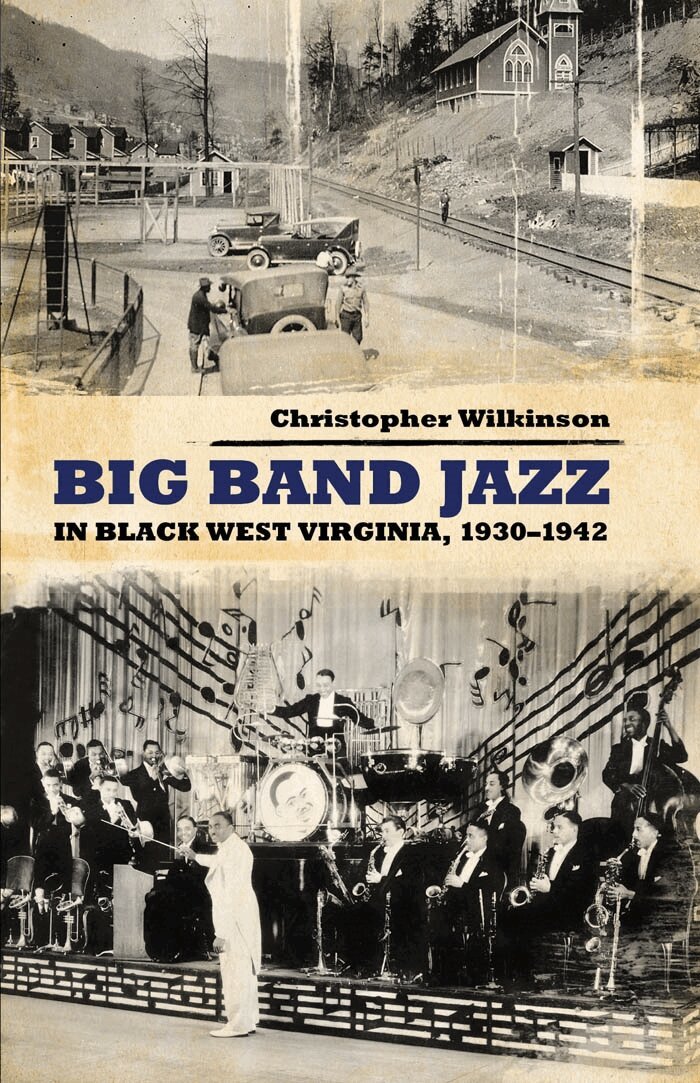
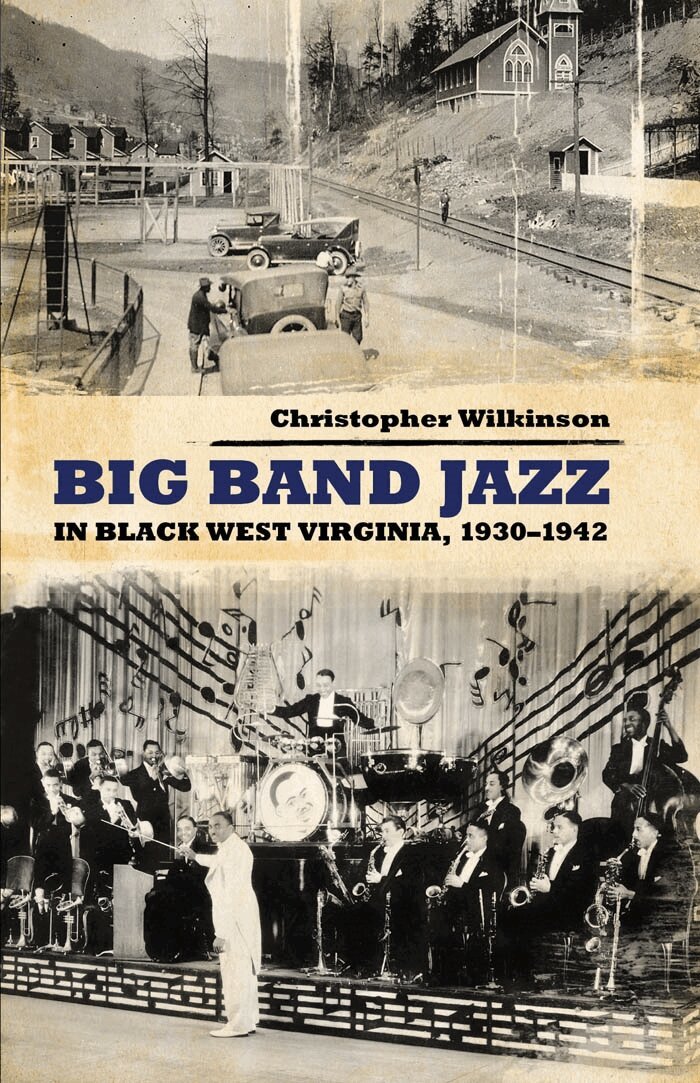
The coal fields of West Virginia would seem an unlikely market for big band jazz during the Great Depression. That a prosperous African American audience dominated by those involved with the coal industry was there for jazz tours would seem equally improbable. Big Band Jazz in Black West Virginia, 1930-1942 shows that, contrary to expectations, black Mountaineers flocked to dances by the hundreds, in many instances traveling considerable distances to hear bands led by Count Basie, Duke Ellington, Andy Kirk, Jimmie Lunceford, and Chick Webb, among numerous others. Indeed, as one musician who toured the state would recall, ""All the bands were goin' to West Virginia.""The comparative prosperity of the coal miners, thanks to New Deal industrial policies, was what attracted the bands to the state. This study discusses that prosperity as well as the larger political environment that provided black Mountaineers with a degree of autonomy not experienced further south. Author Christopher Wilkinson demonstrates the importance of radio and the black press both in introducing this music and in keeping black West Virginians up to date with its latest developments. The book explores connections between local entrepreneurs who staged the dances and the national management of the bands that played those engagements. In analyzing black audiences' aesthetic preferences, the author reveals that many black West Virginians preferred dancing to a variety of music, not just jazz. Finally, the book shows bands now associated almost exclusively with jazz were more than willing to satisfy those audience preferences with arrangements in other styles of dance music.
377 kr
Skickas inom 10-15 vardagar
The coal fields of West Virginia would seem an unlikely market for big band jazz during the Great Depression. That a prosperous African American audience dominated by those involved with the coal industry was there for jazz tours would seem equally improbable. Big Band Jazz in Black West Virginia, 1930-1942 shows that, contrary to expectations, black Mountaineers flocked to dances by the hundreds, in many instances traveling considerable distances to hear bands led by Count Basie, Duke Ellington, Andy Kirk, Jimmie Lunceford, and Chick Webb, among numerous others. Indeed, as one musician who toured the state would recall, ""All the bands were goin' to West Virginia.""The comparative prosperity of the coal miners, thanks to New Deal industrial policies, was what attracted the bands to the state. This study discusses that prosperity as well as the larger political environment that provided black Mountaineers with a degree of autonomy not experienced further south. Author Christopher Wilkinson demonstrates the importance of radio and the black press both in introducing this music and in keeping black West Virginians up to date with its latest developments. The book explores connections between local entrepreneurs who staged the dances and the national management of the bands that played those engagements. In analyzing black audiences' aesthetic preferences, the author reveals that many black West Virginians preferred dancing to a variety of music, not just jazz. Finally, the book shows bands now associated almost exclusively with jazz were more than willing to satisfy those audience preferences with arrangements in other styles of dance music.