Chrysovalantis Kyriacou - Böcker
Visar alla böcker från författaren Chrysovalantis Kyriacou. Handla med fri frakt och snabb leverans.
3 produkter
3 produkter
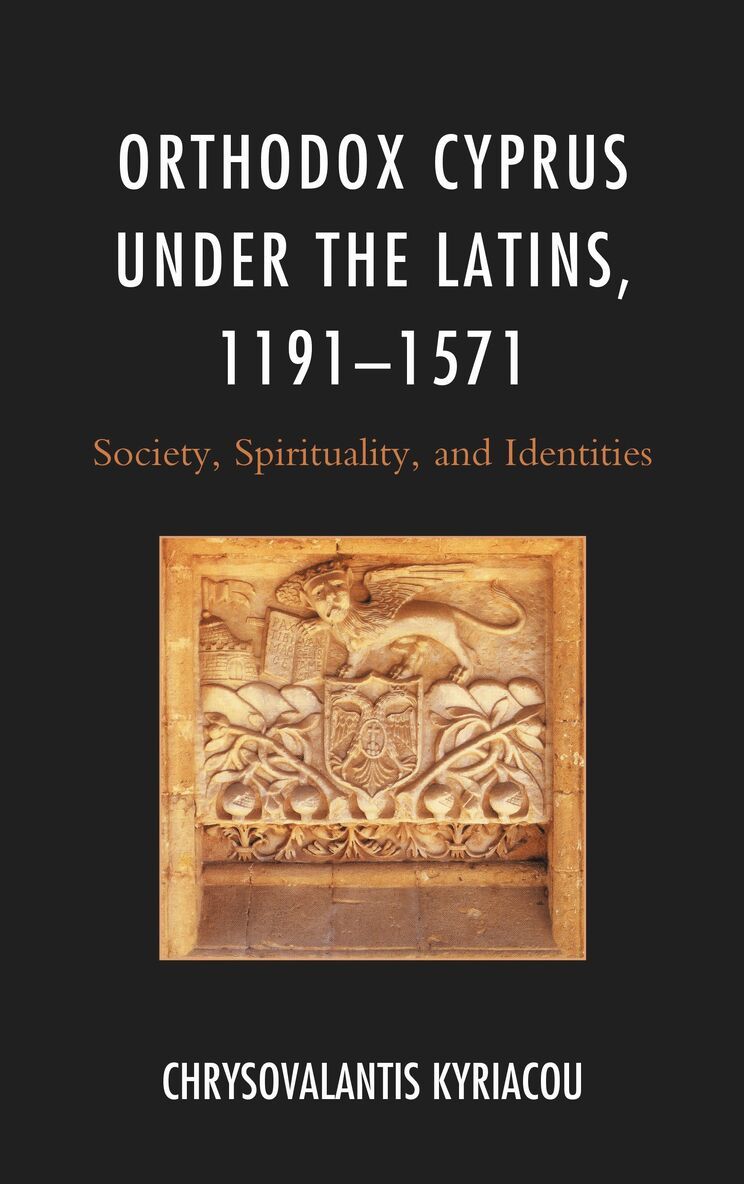
Orthodox Cyprus under the Latins, 1191–1571
Society, Spirituality, and Identities
Häftad, Engelska, 2021
528 kr
Skickas inom 10-15 vardagar
Medieval and Renaissance Cyprus was a fascinating place of ethnic, cultural, and religious encounters. Following almost nine centuries of Byzantine rule, Cyprus was conquered by the Crusaders in 1191, becoming (until 1571) the most important stronghold of Latin Christianity in the Eastern Mediterranean—first under the Frankish dynasty of the Lusignans, and later under the Venetians. Modern historiographical readings of Cypriot identity in medieval and early modern times have been colored by British colonialism, Greek nationalism, and Cyprocentric revisionism. Although these perspectives have offered valuable insights into the historical experience of Latin-ruled Cypriots, they have partially failed to capture the dynamics of noncoercive resistance to domination, and of identity preservation and adaptation. Orthodox Cyprus under the Latins, 1191–1571 readdresses the question of Cypriot identity by focusing on the Greek Cypriots, the island’s largest community during the medieval and early modern period. By bringing together theories from the fields of psychology, social anthropology, and sociology, this study explores continuities and discontinuities in the Byzantine culture and religious tradition of Cyprus, proposing a new methodological framework for a more comprehensive understanding of Cypriot Orthodoxy under Crusader and Venetian rule. A discussion of fresh evidence from hitherto unpublished primary sources enriches this examination, stressing the role of medieval and Renaissance Cyprus as cultural and religious province of the Byzantine and post-Byzantine Orthodox world.
1 314 kr
Skickas inom 10-15 vardagar
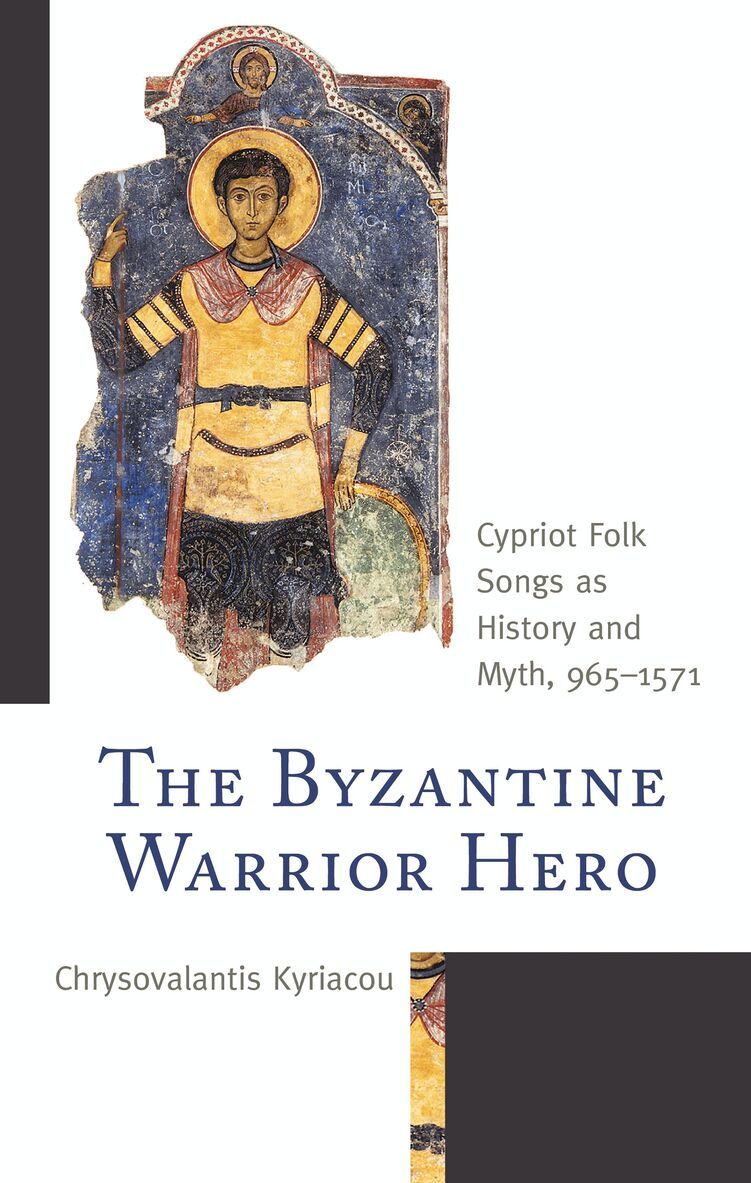
Chrysovalantis Kyriacou examines how memories of the pre-Christian past, Christian militarism, power struggles, and ethnoreligious encounters have left their long-term imprint on Cypriot culture. One of the most impressive examples of this phenomenon is the preservation and transformative adaptation of Byzantine heroic themes, motifs, and symbols in Cypriot folk songs. By combining a variety of written sources and archaeological material in his interdisciplinary examination, the author reconstructs the image of the Byzantine warrior hero in the songs, recovering the mentalities of overshadowed social protagonists and stressing the role of subaltern communities as active agents in the shaping of history.
Identities, Boundaries and Connectivities in the Late Byzantine and Post-Byzantine Mediterranean
Reality and Reception
Inbunden, Engelska, 2026
1 914 kr
Kommande
How did Eastern Orthodox and other communities in the Late Byzantine and Post-Byzantine Mediterranean navigate shifting political structures, contested identities, and cultural boundaries while remaining part of a shared, interconnected world?This volume brings together, for the first time, the three interrelated concepts of identities, boundaries, and connectivities as tools for exploring the religious, cultural, and political fabric of the Eastern Mediterranean from the thirteenth to the nineteenth century. The chapters examine how individuals and groups perceived themselves and others in contexts of coexistence, conflict, and exchange; how symbolic and doctrinal boundaries were drawn, challenged, or blurred; and how networks of mobility—involving people, objects, texts, and practices—shaped a dynamic and often overlapping ecumene. From monastic networks and theological debates to linguistic frontiers, artistic interactions, and the legacy of Byzantium under Latin and Ottoman rule, the volume offers new methodological and historiographical approaches.The book will be of particular relevance to students and scholars interested in Eastern Orthodoxy, the Crusades and the Latin East, identity formation, and the cultural history of a multi-faith and multi-cultural Mediterranean world in transition.