C.J. Jepma – författare
Visar alla böcker från författaren C.J. Jepma. Handla med fri frakt och snabb leverans.
8 produkter
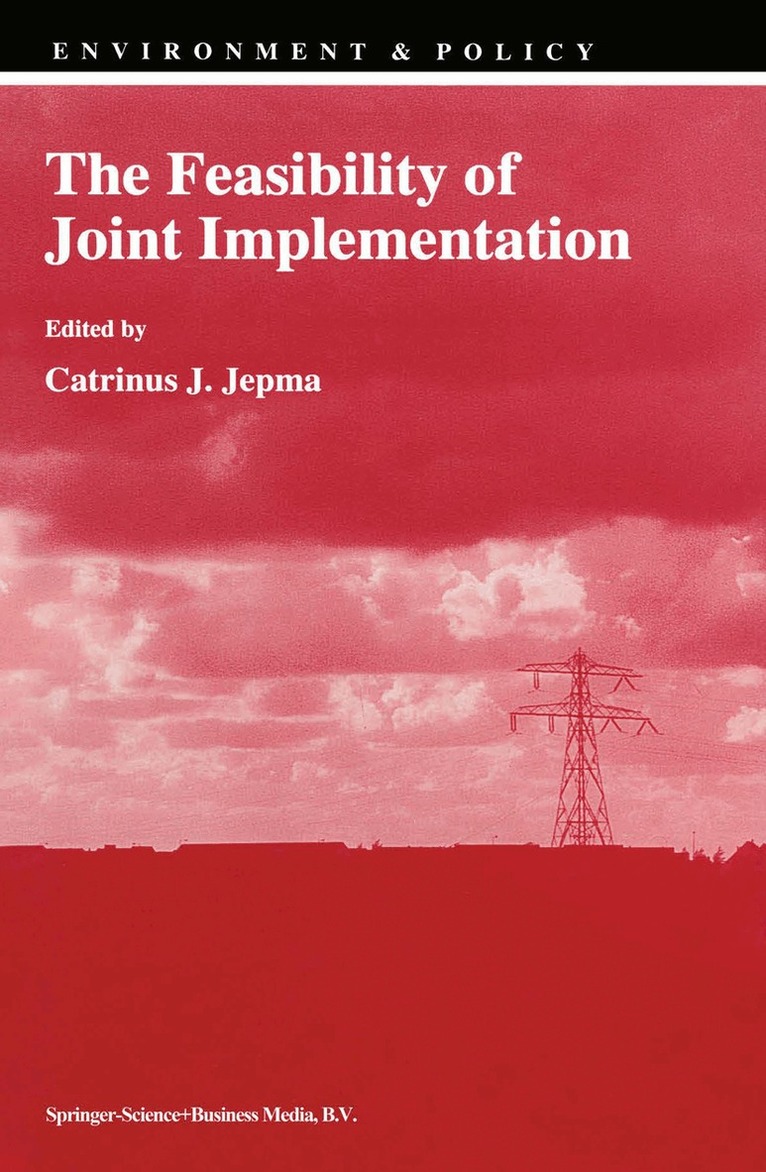
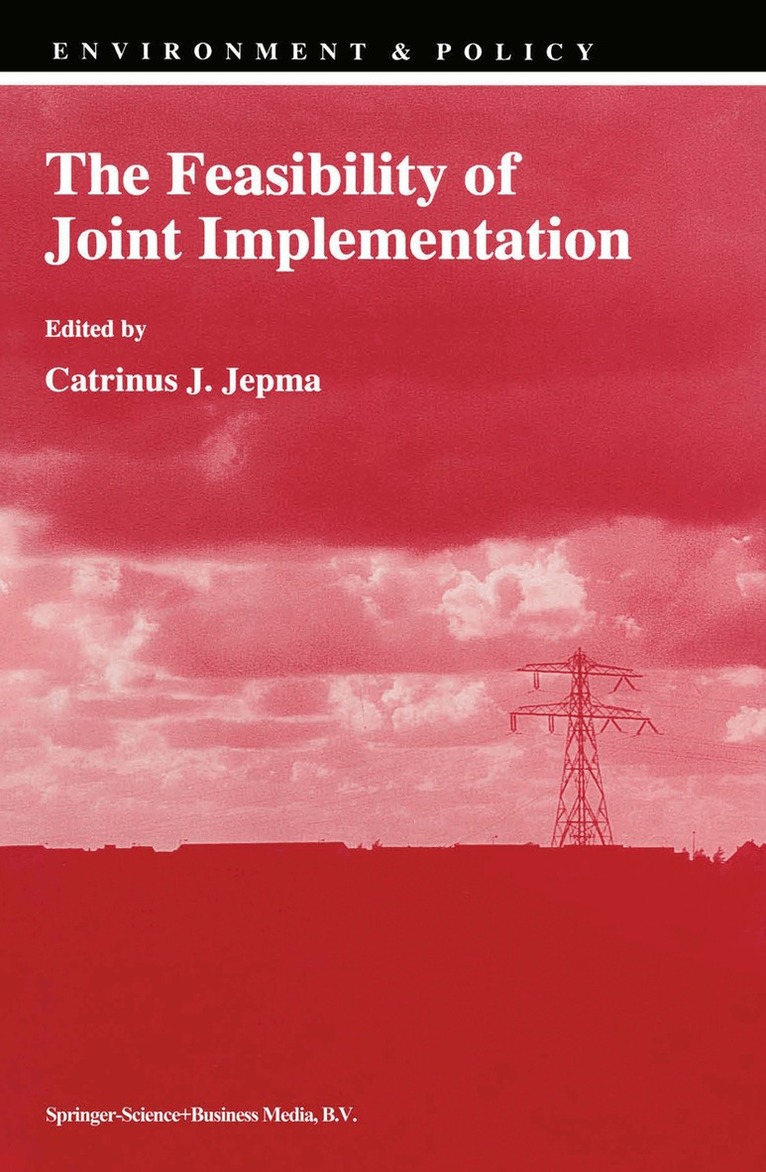
Feasibility of Joint Implementation
Av C.J. Jepma
Inbunden, 1995
1636 kr
Lägg i varukorg
The Netherlands Ministry of Housing, Spatial Planning and the Environment, together with the Ministry of Development Co-operation and the Ministry of Economic Affairs, called an International Conference on Joint Implementation in order to further international discussion on the subject. The outcome …
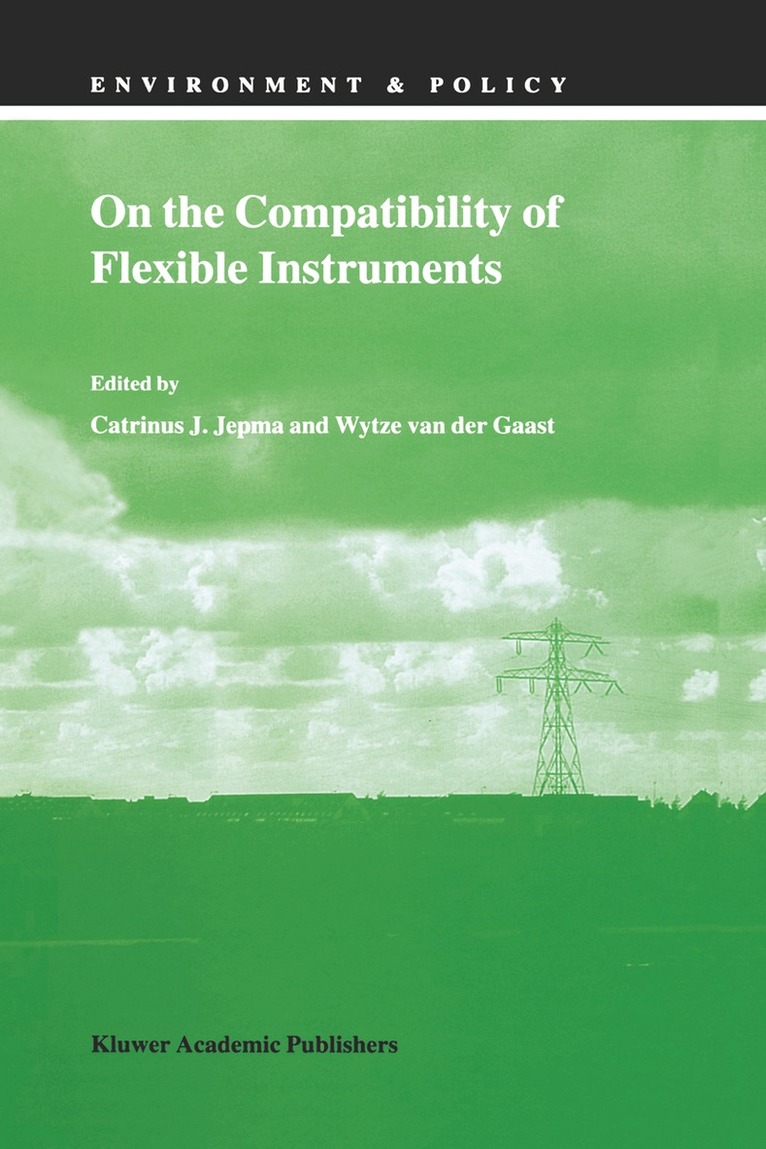
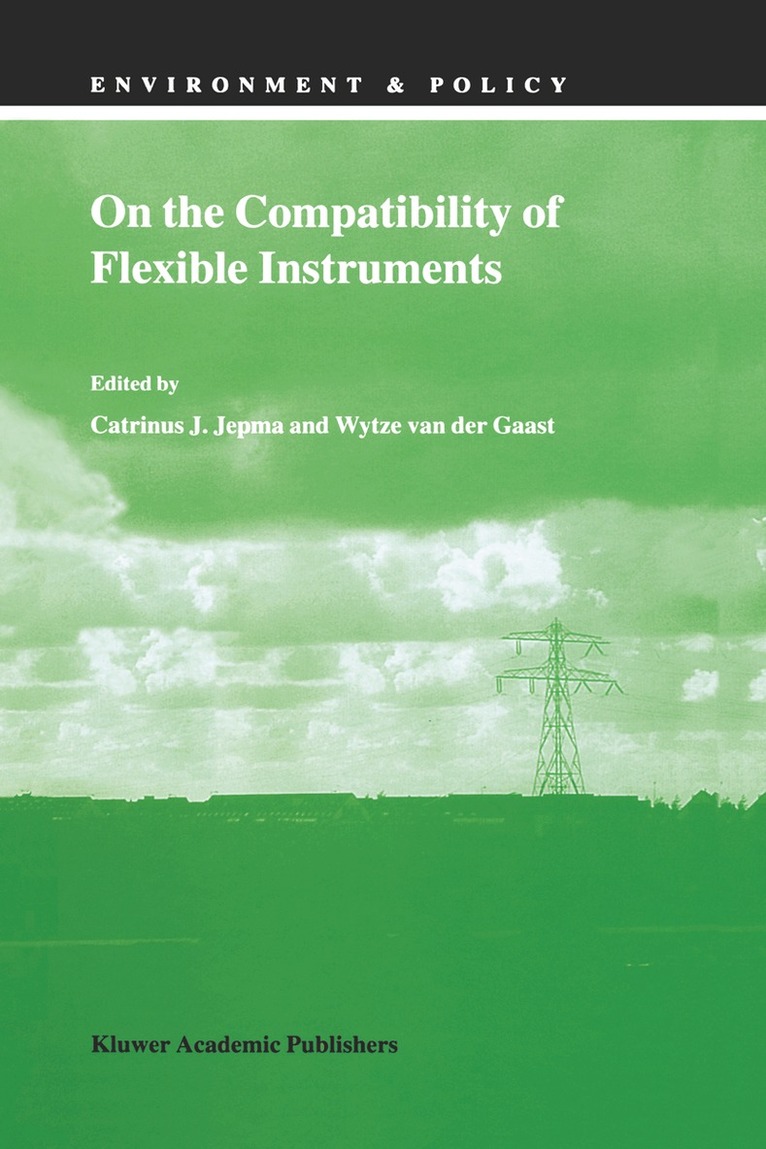
On the Compatibility of Flexible Instruments
Av C.J. Jepma, Wytze van der Gaast
Inbunden, 1999
1093 kr
Lägg i varukorg
This volume is on the flexibility mechanisms of the Kyoto Protocol and summarises the main fmdings of a two day workshop on 'Dealing with Carbon Credits after Kyoto', organised by ETC and the JIN foundation (both from the Netherlands) in Callantsoog, the Netherlands, on 28-29 May 1998. The workshop …
Economic Decision-Making in a Changing World
Av C.J. Jepma, G.A. Collenteur
E-bok, 1993
803 kr
Lägg i varukorg
This volume contains 24 of the contributions made to the conference on "Economic Decision-making in a Changing World" held in 1988. Within the general framework of reference the editors focus on six major issues and feature articles on each as separate subject areas.
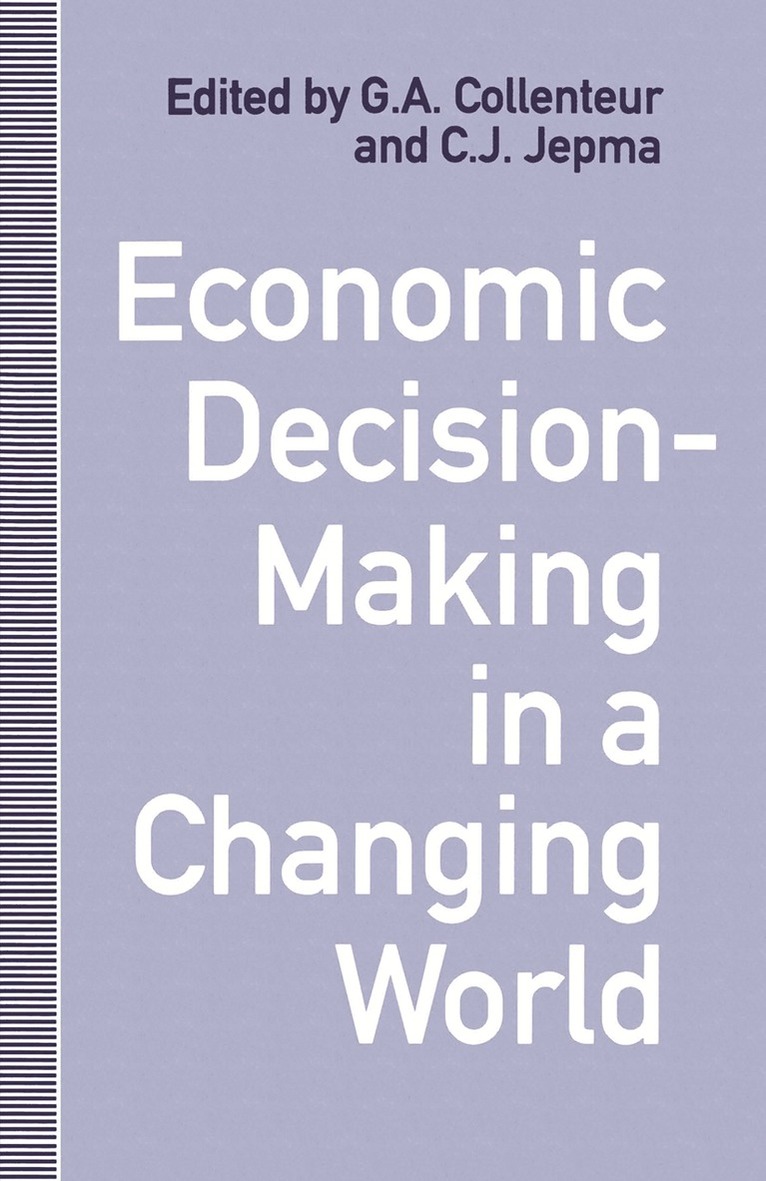
Economic Decision-Making in a Changing World
Av G.A. Collenteur, C.J. Jepma
Häftad, 1993
566 kr
Lägg i varukorg
This volume contains 24 of the contributions made to the conference on "Economic Decision-making in a Changing World" held in 1988. Within the general framework of reference the editors focus on six major issues and feature articles on each as separate subject areas.
Feasibility of Joint Implementation
Av C.J. Jepma
Häftad, 2010
1636 kr
Lägg i varukorg
The Netherlands Ministry of Housing, Spatial Planning and the Environment, together with the Ministry of Development Co-operation and the Ministry of Economic Affairs, called an International Conference on Joint Implementation in order to further international discussion on the subject. The outcome …
On the Compatibility of Flexible Instruments
Av C.J. Jepma, Wytze van der Gaast
Häftad, 2012
1006 kr
Lägg i varukorg
This volume is on the flexibility mechanisms of the Kyoto Protocol and summarises the main fmdings of a two day workshop on 'Dealing with Carbon Credits after Kyoto', organised by ETC and the JIN foundation (both from the Netherlands) in Callantsoog, the Netherlands, on 28-29 May 1998. The workshop …
On the Compatibility of Flexible Instruments
Av Wytze van der Gaast, C.J. Jepma
E-bok, 2012
1313 kr
Lägg i varukorg
This volume is on the flexibility mechanisms of the Kyoto Protocol and summarises the main fmdings of a two day workshop on ''Dealing with Carbon Credits after Kyoto'', organised by ETC and the JIN foundation (both from the Netherlands) in Callantsoog, the Netherlands, on 28-29 May 1998. The …
Feasibility of Joint Implementation
Av C.J. Jepma
E-bok, 2013
2111 kr
Lägg i varukorg
CATRINUS J. JEPMA This volume contains the various contributions that were made during the International Conference on Joint Implementation, held near Groningen, The Netherlands, 1-3 June 1994. The conference was initiated by The Netherlands'' Ministry of Housing, Spatial Planning and Environment …